Introduction
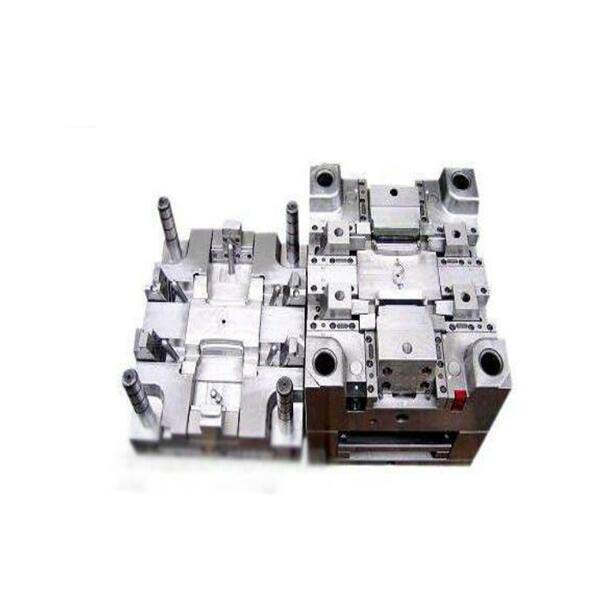
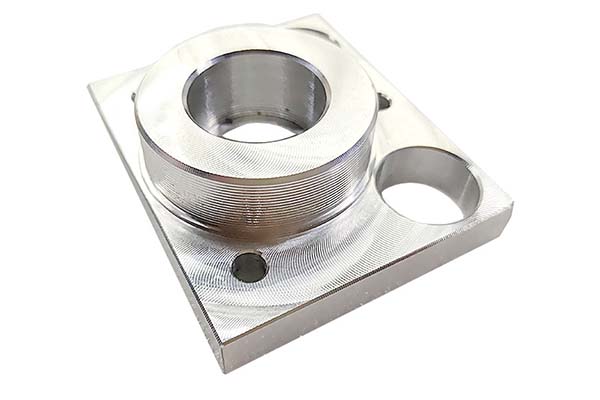
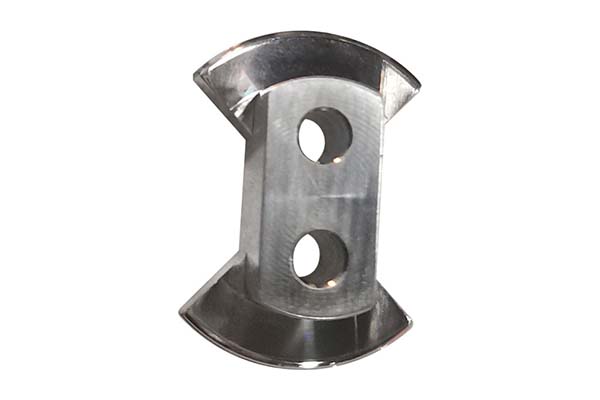
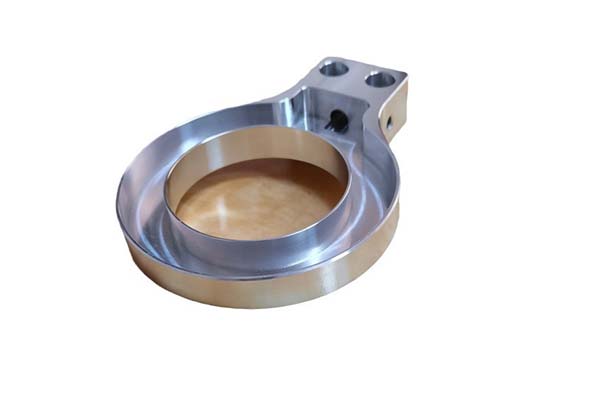
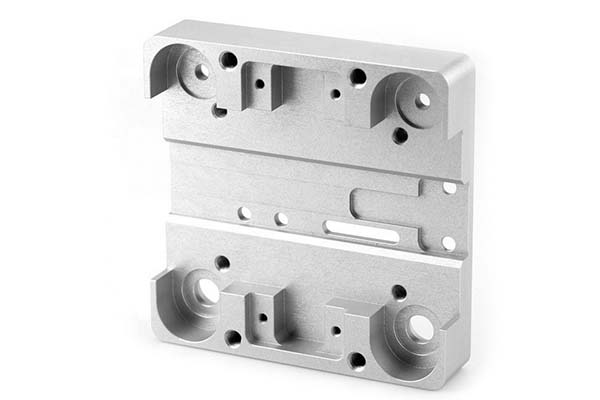
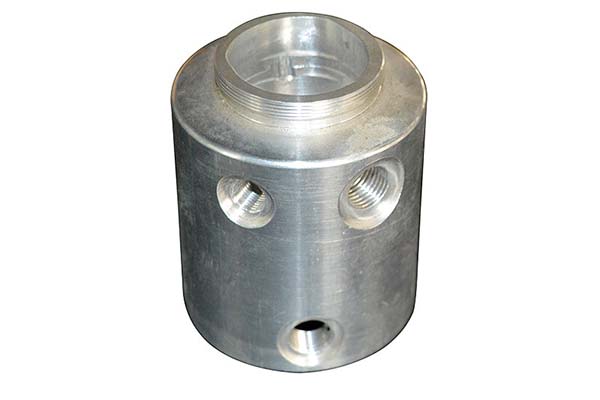
Metal machined parts are the unsung heroes powering industries from aerospace to medical devices, demanding micron-level precision and unimpeachable performance. Whether it is the high-precision components in a jet engine that enable supersonic flight or the minute, crucial parts in a pacemaker that regulate a human heart, metal machined parts are everywhere. Their importance cannot be overstated—they are directly responsible for the functionality, reliability, and safety of countless products and systems. In aerospace, a single flaw in a turbine blade could lead to catastrophic engine failure. In medical, surgical instruments must be extremely sharp, corrosion-resistant, and biocompatible to ensure patient safety. This guide explores how precision and performance define metal machined parts—from core manufacturing processes and material selection to quality control and real-world applications.
What Are the Technical Foundations of Precision Metal Machining?
Core Manufacturing Processes
| Process | Capability | Applications |
|---|---|---|
| CNC Turning | Tolerances as tight as ±0.005 mm; workpiece rotates while cutting tool shapes it | Shafts for high-performance engines; cylindrical components like bearings—ensures perfect fit, reduces friction, enhances efficiency |
| 5-Axis Milling | Simultaneous movement along five axes; surface finishes as smooth as 0.4 μm Ra | Aerospace turbine blades—complex airfoil shapes; reduces air resistance; improves engine efficiency, fuel efficiency, emissions |
| Laser Cutting | Accuracy 0.05 mm; reduces waste up to 30% compared to traditional cutting | Medical device components (titanium)—clean, precise cuts; follows design contours quickly and accurately |
Material Selection for Performance
| Material | Tensile Strength (MPa) | Applications | Why It Matters |
|---|---|---|---|
| Titanium Alloy | 895 | Aerospace structural parts (wing spars, fuselage components) | Excellent strength-to-weight ratio; high corrosion resistance; withstands extreme mechanical stresses, environmental conditions; lightweight improves fuel efficiency |
| Stainless Steel 316L | 585 | Medical implants (hip replacements, dental implants) | Biocompatibility—no adverse reaction; corrosion resistance in moist, chemically active body environment; ensures implant does not degrade over time |
| Aluminum 7075 | 572 | Automotive lightweight parts (engine components, chassis) | Strong enough for high-stress applications; lightweight reduces vehicle weight—improves fuel efficiency, performance; easily machined—cost-effective for high-volume production |
How Is Precision Achieved and Verified?
Precision Definition
Precision refers to the ability to achieve specified dimensions within tight tolerances—measured in microns (μm). It ensures interchangeability and functional reliability.
Key Technologies Enabling Precision
| Technology | Capability |
|---|---|
| CNC turning | ±0.005 mm tolerances |
| 5-axis milling | 0.4 μm Ra surface finish |
| Laser cutting | 0.05 mm accuracy; 30% waste reduction |
| CMM (Coordinate Measuring Machine) | Verifies dimensions with accuracy up to ±0.002 mm |
How Does Performance Depend on Material and Process?
Factors Influencing Long-Term Performance and Durability
| Factor | Impact |
|---|---|
| Material properties | Strength, corrosion resistance, biocompatibility—determine suitability for application |
| Machining processes | Precision of turning, milling, cutting—affects dimensional accuracy, surface finish |
| Surface finish | Smoother surfaces (0.4 μm Ra) reduce friction, improve efficiency, enhance corrosion resistance |
| Post-processing treatments | Coatings, passivation, heat treatment—extend durability, enhance corrosion resistance, improve mechanical strength |
Industry Examples
| Industry | Component | Performance Requirement |
|---|---|---|
| Aerospace | Turbine blades | Withstand extreme temperatures, high pressures, intense mechanical stress; complex airfoil shapes; 0.4 μm Ra surface finish reduces air resistance |
| Medical | Surgical instruments | Extremely sharp; corrosion-resistant; biocompatible; ensures successful surgeries, patient safety |
| Automotive | Engine components, chassis parts | Lightweight (aluminum 7075); strong (572 MPa); improves fuel efficiency, performance |
How Do You Select a Reliable Metal Machining Supplier?
| Criteria | What to Look For |
|---|---|
| Certifications | ISO 9001 (quality management), AS9100 (aerospace), ISO 13485 (medical) |
| Advanced equipment | 5-axis CNC machines, CMM for dimensional verification, laser cutting systems |
| Track record | Experience in your industry (aerospace, medical, automotive)—demonstrated ability to meet tight tolerances, performance requirements |
| Quality control | In-process inspection; final verification with CMM; documentation of material certifications, inspection reports |
What Is Yigu Technology’s Perspective?
At Yigu Technology , we understand that precision and performance are the twin pillars of metal machined parts. Our capabilities include:
- CNC turning: ±0.005 mm tolerances for shafts, bearings.
- 5-axis milling: 0.4 μm Ra surface finishes for complex geometries (turbine blades).
- Laser cutting: 0.05 mm accuracy; 30% waste reduction for expensive materials (titanium).
- Material expertise: Titanium alloy (895 MPa) for aerospace; stainless steel 316L (585 MPa) for medical implants; aluminum 7075 (572 MPa) for automotive lightweight parts.
- Quality control: CMM verification (±0.002 mm); in-process inspection; material certifications.
We blend cutting-edge technology with meticulous craftsmanship to meet the demands of high-stakes industries—delivering components that redefine engineering excellence.
Conclusion
Metal machined parts are defined by the inseparable duo of precision and performance. CNC turning achieves ±0.005 mm tolerances —ensuring perfect fit for shafts and bearings. 5-axis milling delivers 0.4 μm Ra surface finishes for aerospace turbine blades—reducing air resistance, improving fuel efficiency. Laser cutting provides 0.05 mm accuracy and 30% waste reduction —critical for expensive materials like titanium. Material selection drives performance: titanium alloy (895 MPa) for aerospace structural parts; stainless steel 316L (585 MPa) for biocompatible medical implants; aluminum 7075 (572 MPa) for automotive lightweight components. Long-term durability depends on material properties, machining processes, surface finish, and post-processing treatments. Quality verification uses CMM with ±0.002 mm accuracy —ensuring interchangeability and functional reliability. Supplier selection requires certifications (ISO 9001, AS9100), advanced equipment (5-axis CNC, CMM), and a proven industry track record. By prioritizing both precision and performance, manufacturers deliver components that push the boundaries of engineering excellence.
FAQs
How is precision defined in metal machining, and why is it crucial?
Precision refers to the ability to achieve specified dimensions within tight tolerances , often measured in microns (μm) . It ensures interchangeability —parts from different batches fit together—and functional reliability , critical in aerospace, medical, and automotive applications where failure is not an option.
What factors influence the long-term performance and durability of metal machined parts?
Material properties (strength, corrosion resistance, biocompatibility), machining processes (turning, milling, cutting—affect dimensional accuracy, surface finish), surface finish (smoother surfaces reduce friction, improve efficiency, enhance corrosion resistance), and post-processing treatments (coatings, passivation, heat treatment) all influence durability, corrosion resistance, and mechanical strength.
How can I select a reliable metal machining supplier that prioritizes precision and performance?
Look for certifications (ISO 9001 for quality management, AS9100 for aerospace, ISO 13485 for medical), advanced equipment (5-axis CNC machines for complex geometries, CMM for dimensional verification), and a track record in your industry (aerospace, medical, automotive). A reliable supplier demonstrates ability to meet tight tolerances, performance requirements, and provides material certifications and inspection reports.
Contact Yigu Technology for Custom Manufacturing
At Yigu Technology , we combine precision and performance to deliver metal machined parts for the world’s most demanding industries. Our CNC turning (±0.005 mm), 5-axis milling (0.4 μm Ra surface finish), and laser cutting (0.05 mm accuracy, 30% waste reduction) capabilities—backed by CMM verification (±0.002 mm) —ensure components meet the highest standards. From titanium alloy aerospace structural parts to stainless steel 316L medical implants and aluminum 7075 automotive components, we provide DFM feedback to optimize your designs for manufacturability.
Ready to define your next project with precision and performance? Contact Yigu Technology today for a free consultation and quote. Let us help you achieve engineering excellence in every metal machined part.