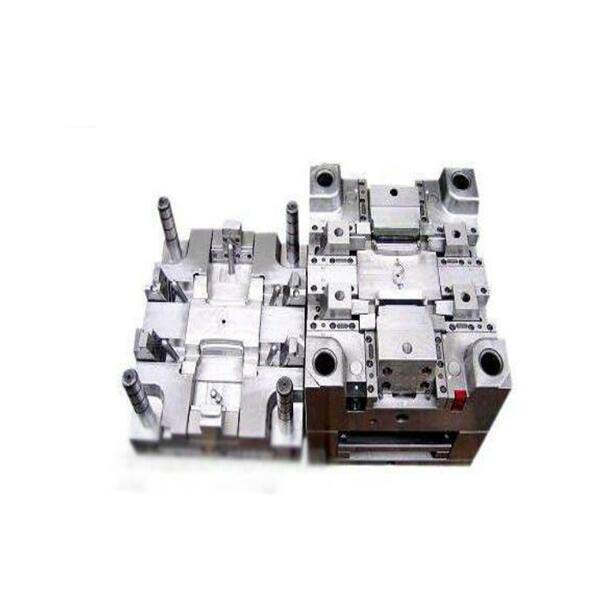
In today's demanding manufacturing landscape, finding the right machining solutions is critical to success. Whether you're developing a new product prototype, scaling production, or require complex, precision parts, the choice of machining technology and provider directly impacts quality, cost, and time-to-market. This guide is designed to equip engineers, procurement specialists, and decision-makers with the knowledge to navigate the wide array of available CNC machining services and advanced manufacturing techniques. We'll explore the available options, key evaluation criteria, and industry insights to help you make an informed, strategic choice for your specific application.
What Types of Machining Solutions Are Available?
Modern manufacturing offers a spectrum of machining solutions, each with unique strengths. Understanding the core technologies is the first step.
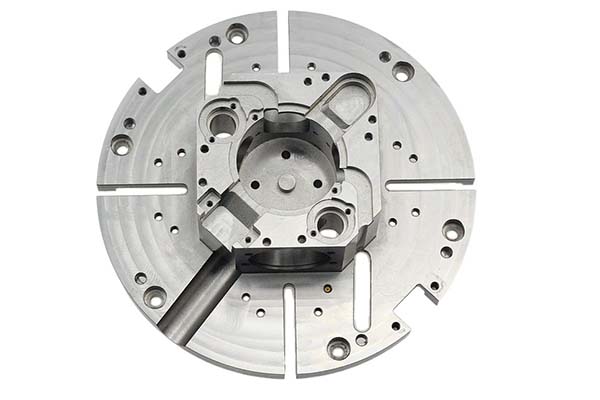
CNC Machining: The cornerstone of modern subtractive manufacturing. It uses computer-controlled tools to remove material from a solid block (workpiece).
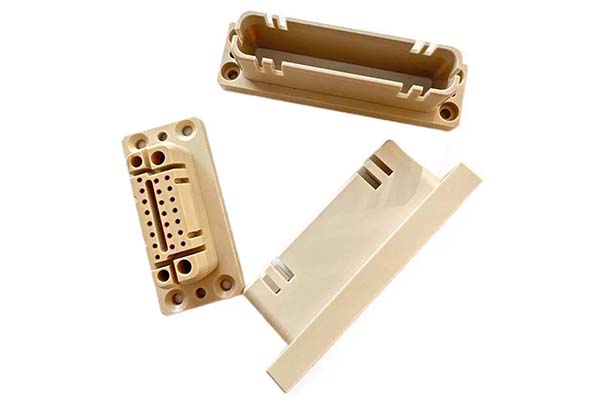
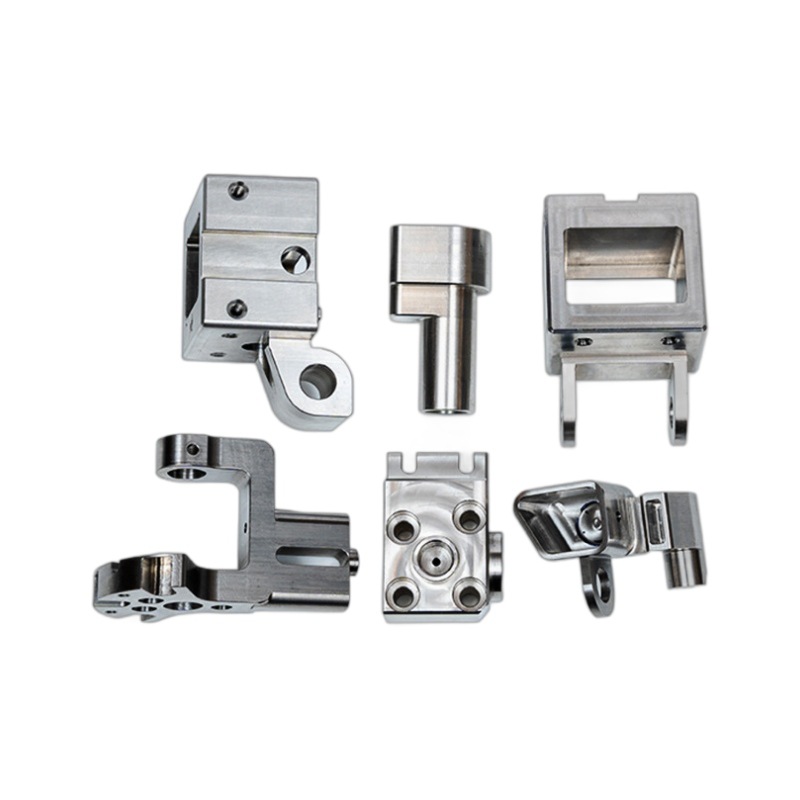
- CNC Milling: Ideal for complex 3D shapes, slots, pockets, and contours. A versatile machining process for metals and plastics.
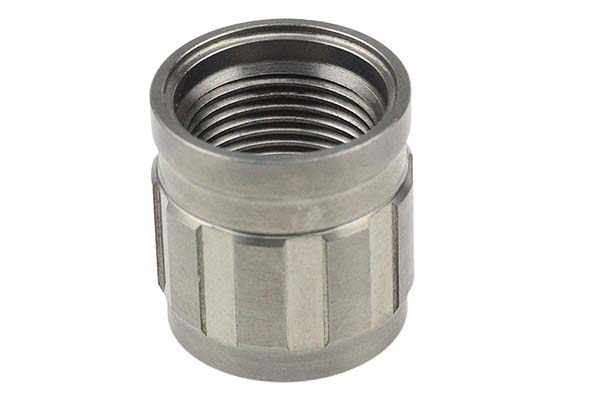
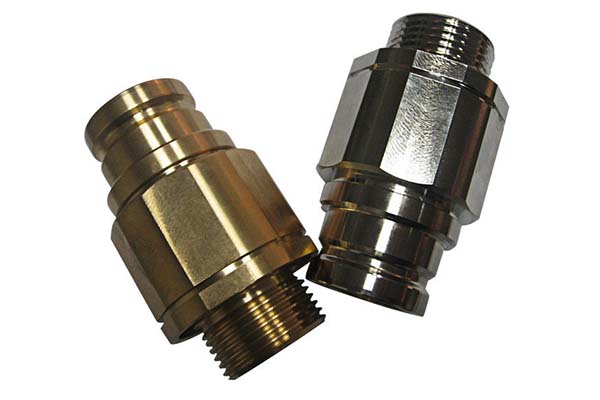
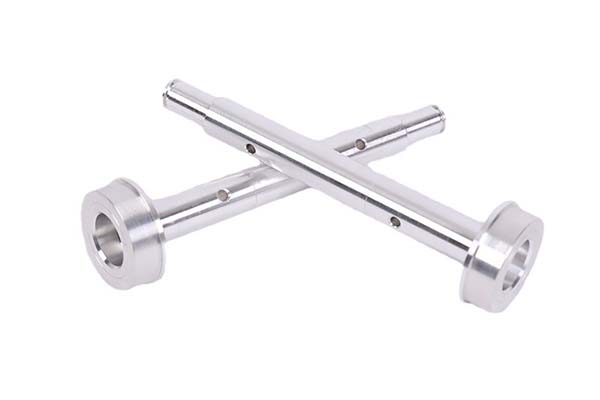
- CNC Turning: Best for creating cylindrical parts. The workpiece rotates while a single-point cutting tool shapes it. Perfect for shafts, bushings, and couplings.
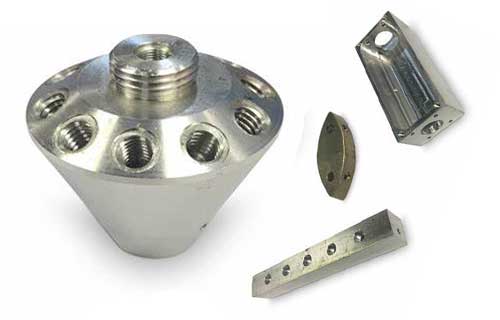
- Multi-Axis Machining (5-Axis): The pinnacle of CNC complexity. It allows cutting from almost any angle in a single setup, enabling incredible geometric freedom and superior surface finish on parts like aerospace impellers or medical implants.
Additive Manufacturing (3D Printing): While not traditional machining, it's a crucial complementary solution for prototypes, complex internal geometries, or low-volume custom parts that are difficult to subtract.
Specialized Processes:
- Electrical Discharge Machining (EDM): Uses electrical sparks to shape extremely hard metals or create intricate features with no tool contact force.
- Grinding: Achieves the highest levels of surface finish and dimensional accuracy for critical bearing surfaces or hardened materials.
Table 1: Comparing Primary Machining Solution Types
| Process | Best For | Material Suitability | Typual Tolerance |
|---|---|---|---|
| CNC Milling | Complex 3D parts, molds, enclosures | Metals, Plastics, Composites | ±0.025 - 0.125 mm |
| CNC Turning | Round, symmetrical parts (shafts, bolts) | Metals, Plastics | ±0.0125 - 0.05 mm |
| 5-Axis Machining | Highly complex, monolithic aerospace/medical parts | Aerospace alloys, Titanium, Stainless Steel | ±0.025 - 0.075 mm |
| EDM | Hardened tool steels, micro-details, no burrs | Conductive materials only | ±0.0025 mm |
Key Capabilities to Evaluate in a Provider
Beyond the machine type, assess the provider's holistic capabilities.
Technical & Equipment Portfolio
A top-tier provider invests in a modern, well-maintained fleet. Look for a mix of 3-axis, 5-axis, and turning centers from reputable brands like DMG MORI or Haas. The presence of automated pallet systems and robotic part loading signals a commitment to high-volume production capabilities and repeatability.
Material Expertise
Can they machine your specific material? Expertise varies greatly.
- Common Alloys: Aluminum 6061, 7075; Stainless Steel 303, 304, 316.
- Exotic/Advanced Materials: Inconel, Titanium (Ti-6Al-4V), PEEK, and other high-performance polymers require specialized tooling, speeds/feeds, and coolant strategies. A provider experienced in aerospace-grade titanium machining will have proven parameters to ensure part integrity.
Engineering & Design Support (DFM)
This is where true value is created. A provider offering Design for Manufacturability (DFM) analysis can identify potential production issues in your CAD model, suggest modifications to reduce cost and lead time, and recommend the optimal machining process for your specific part. For example, they might suggest splitting a monolithic part into two simpler, more machinable components for assembly.
Quality Control and Precision Standards
Precision is non-negotiable. A provider's quality management system is your guarantee.
In-Process and Final Inspection
Relying solely on final inspection is risky. Leading shops use in-process verification with touch probes on the CNC machines themselves. Final inspection should leverage advanced equipment:
- Coordinate Measuring Machines (CMM): For comprehensive dimensional analysis.
- Optical Comparators & Surface Roughness Testers: To verify fine details and finish.
Certifications & Documentation
Require evidence of systemic quality. ISO 9001:2015 certification is a baseline. For regulated industries like aerospace (AS9100) or medical (ISO 13485), specific certifications are mandatory. Always request a First Article Inspection (FAI) report per AS9102 or PPAP standards for critical parts, documenting every specified dimension.
What Factors Influence the Cost of Machining Solutions?
Understanding cost drivers empowers you to optimize your design and request.
- Part Geometry & Complexity: Simple parts are cheaper. Undercuts, deep cavities, thin walls, and tight tolerances increase machining time, require special tooling, and may need multiple setups.
- Material Choice: Raw material cost is a direct factor. Exotic alloys (e.g., Inconel) are far more expensive than aluminum. Material machinability also affects tool wear and cycle time.
- Volume & Quantity: Unit cost decreases with volume due to amortized setup time. For prototypes (1-10 pieces), setup cost dominates. For production runs (1000+), material and cycle time dominate.
- Tolerances & Surface Finish: Tighter than standard tolerances (e.g., ±0.005mm instead of ±0.05mm) require slower machining, specialized processes, and more meticulous inspection, increasing cost exponentially.
Customization and Flexibility Options
The best providers act as partners, not just order-takers.
Prototyping vs. Production Scaling
They should offer tailored workflows for each stage. Rapid prototype machining focuses on speed and design validation, often using more aggressive machining parameters. Production machining prioritizes consistency, efficiency, and cost-optimized, validated processes.
Value-Added Services
Look for a turnkey solution provider. Secondary operations like anodizing, plating, heat treatment, or assembly services streamline your supply chain. For instance, a medical device manufacturer saved 3 weeks of lead time by having their machined titanium components passivated and laser marked in-house by their machining partner before direct shipment.
How Can You Assess a Provider's Industry Experience?
Proven experience mitigates risk.
Ask for Specific Case Studies
Request detailed examples of projects similar to yours in size, material, and industry. A provider serving the oil & gas industry should showcase parts machined from Inconel 718 for downhole tools, explaining challenges like work-hardening they overcame.
Visit Facilities or Take Virtual Tours
Seeing the operation firsthand reveals organization, technology, and culture. Are floors clean? Is tooling organized? Do operators seem engaged? Many top providers now offer live virtual facility tours.
Client Testimonials & Longevity
Long-term client relationships in demanding fields are a strong indicator of reliability and expert machining solutions. Don't just look for star ratings; read detailed reviews about problem-solving and communication.
Conclusion
Selecting the optimal machining solutions is a multifaceted decision that balances technical requirements, quality standards, cost, and partnership potential. By methodically evaluating the types of processes available, scrutinizing a provider's technical capabilities and quality systems, and understanding the drivers of cost and value, you can forge a manufacturing partnership that delivers precision, reliability, and innovation. The right partner doesn't just make parts; they help engineer your success.
FAQ
What is the most common type of machining solution?
CNC Milling and Turning are the most common and versatile machining processes, suitable for a vast majority of part geometries across industries from automotive to consumer electronics.
How do I choose between 3-axis and 5-axis machining?
Choose 3-axis machining for simpler parts or when cost is the primary driver, as it has lower machine and programming costs. Opt for 5-axis machining when you have a complex part with features on multiple faces, as it reduces setups, improves accuracy between features, and allows for machining more challenging geometries in a single operation.
What is the standard tolerance for machining?
A standard machining tolerance is typically around ±0.005 inches (±0.127 mm). However, this varies by process and part size. Precision machining can hold tolerances as tight as ±0.0002 inches (±0.005 mm) or better for critical applications. Always specify your critical dimensions and tolerances clearly.
Why is Design for Manufacturability (DFM) important?
DFM feedback from your machining provider is crucial because it identifies design features that are expensive, slow, or impossible to machine efficiently. Early DFM can reduce part cost by 30% or more by suggesting design modifications that maintain function while vastly improving manufacturability.
Contact Yigu Technology for Custom Manufacturing.
Are you looking for a machining partner that combines deep engineering expertise with advanced manufacturing capabilities? At Yigu Technology, we specialize in providing high-precision CNC machining solutions and comprehensive manufacturing services tailored to your unique requirements. From prototype to production, with stringent quality control and a commitment to partnership, we engineer solutions for your most complex challenges.
Let's discuss your project. Contact our engineering team today for a confidential consultation and a competitive quote.