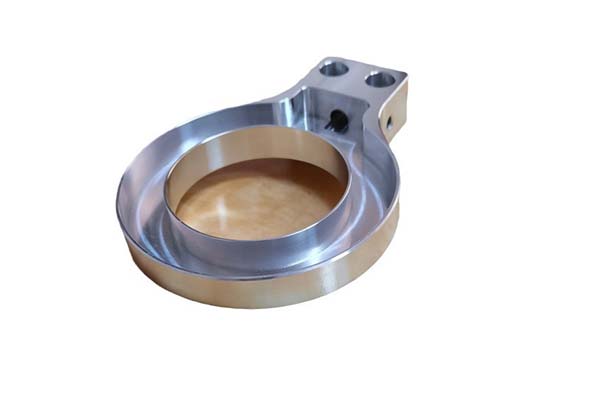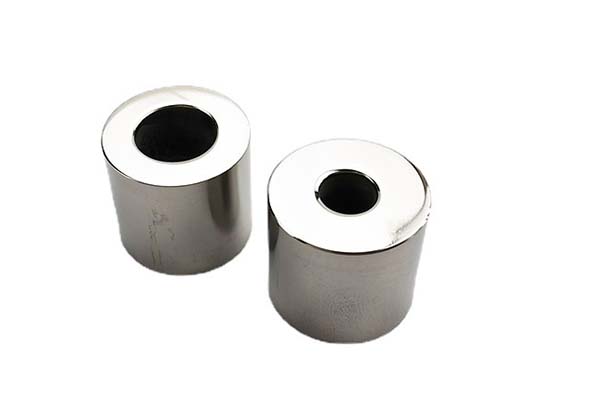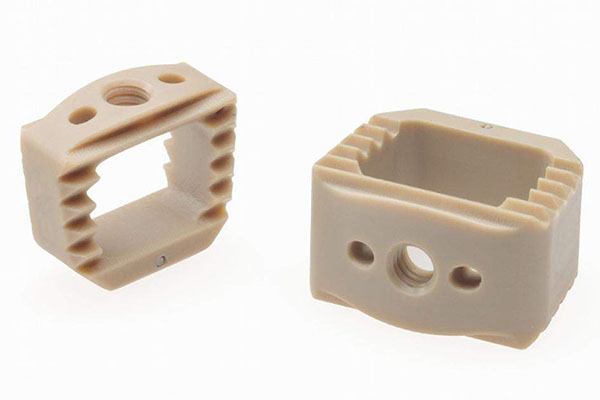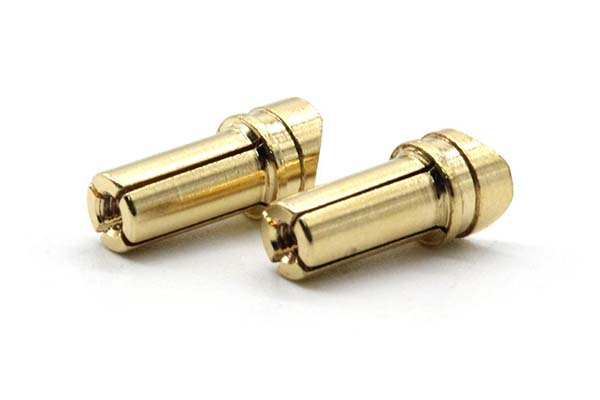
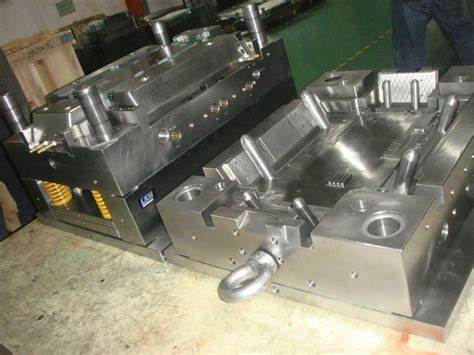
Selecting the right machined parts manufacturer is a critical decision that impacts product quality, project timelines, and your bottom line. It’s more than just finding a vendor; it’s about forming a strategic partnership with a company capable of turning your designs into precise, reliable components. With countless shops claiming excellence, how do you cut through the noise? This guide walks you through the essential criteria—from machining capabilities and quality control systems to cost structures and industry certifications—to help you make an informed, confident choice for your custom manufacturing needs.
What machining capabilities should you prioritize?
The core of any machined parts manufacturer lies in its technical abilities. Prioritizing capabilities ensures your part’s design can be produced efficiently and to specification.
- Primary Processes: First, match the manufacturer’s expertise to your part’s geometry and material.
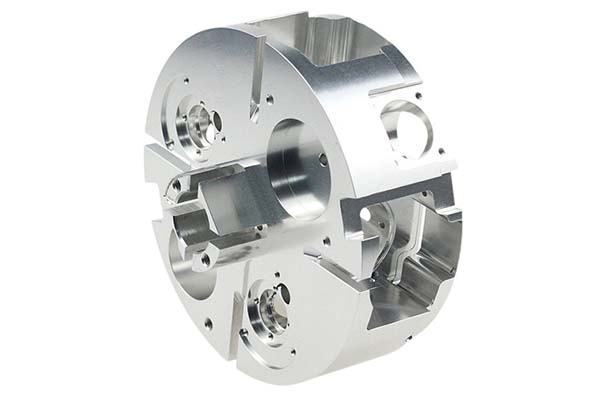
- CNC Milling is ideal for complex 3D contours, pockets, and slots. A manufacturer with advanced 5-axis milling can produce intricate aerospace or medical components in a single setup, reducing errors and time.
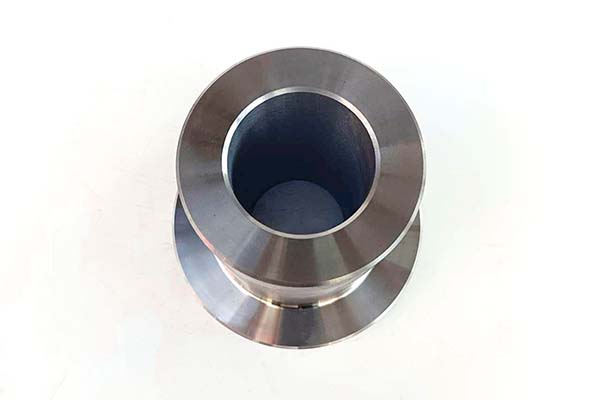
- CNC Turning is the go-to for cylindrical parts like shafts, pins, and fittings. Look for shops with live tooling on their lathes, which allows for milling and drilling operations on the turned part without a secondary setup.
- Supporting Technologies: The best manufacturers integrate complementary processes.
- Wire EDM (Electrical Discharge Machining) is crucial for hard metals and ultra-fine features. For instance, producing a hardened steel stamping die with sharp, fragile internal corners almost always requires EDM.
- Grinding and Finishing ensure tight tolerances and superior surface finishes. A shop offering cylindrical, centerless, and surface grinding can deliver parts for hydraulic systems or bearings where surface finish is critical to performance.
Example: A client needed a high-strength aluminum housing with deep, thin-walled pockets and precise bolt patterns. A manufacturer with only 3-axis mills would struggle, requiring multiple complex fixtures. We recommended a partner with 5-axis CNC milling capabilities, which machined the entire part in one orientation, holding a wall thickness of 1mm and achieving perfect feature alignment.
How do you assess quality control systems?
A robust Quality Control (QC) system is non-negotiable. It must be proactive, embedded in the process, and documented.
- In-Process vs. Final Inspection: QC shouldn’t just happen at the end. Ask how the manufacturer verifies dimensions during machining. Do they use in-process probing on CNC machines to check features before the part is even completed?
- Metrology Equipment: The tools define the possible precision.
- Manual CMMs (Coordinate Measuring Machines) are versatile for first-article and periodic inspection.
- High-Resolution Optical Comparators are excellent for quickly verifying 2D profiles.
- Advanced 3D Scanners capture the entire surface geometry of a complex part for comparison against the CAD model, essential for prototyping and reverse engineering.
- Documentation and Traceability: A trustworthy manufacturer provides Inspection Reports (often with graphical overlays on the drawing), Material Certifications, and full lot traceability. This is vital for regulated industries and provides peace of mind.
Key industry certifications and standards
Certifications are an objective benchmark of a manufacturer’s commitment to systematic quality and specific industry requirements.
| Certification / Standard | What It Signifies | Key Industries |
|---|---|---|
| ISO 9001:2015 | A foundational quality management system (QMS) focused on consistent processes and continuous improvement. | Universal, a baseline for any serious manufacturer. |
| AS9100 Rev. D | The aerospace-specific QMS. It includes all ISO 9001 requirements plus stringent controls for flight safety, risk management, and counterfeit part prevention. | Aerospace & Defense |
| ISO 13485:2016 | The QMS standard for medical devices. Emphasizes documentation, process validation, and full product traceability. | Medical Device |
| ITAR Registration | Compliance with U.S. regulations controlling the export and import of defense-related articles and services. | Defense, Space |
| NADCAP (for processes) | A rigorous global accreditation for special processes like heat treating, welding, or non-destructive testing. | Aerospace (Often required by primes like Boeing, Airbus) |
Case in Point: A startup developing a drone for agricultural use initially sourced from an uncertified shop. After inconsistent part quality caused assembly issues, they switched to an AS9100-certified manufacturer. The new partner’s controlled processes and mandatory first-article inspections eliminated fit-up problems, saving the startup weeks of rework and costly field failures.
What factors affect pricing and cost structures?
Understanding cost drivers helps you collaborate with your manufacturer to optimize design for manufacturability (DFM) and control expenses.
- Part Complexity: This is the biggest driver. A part with deep cavities, tight internal radii, or multiple setups will cost more. Simplifying design can lead to significant savings.
- Material Choice: Beyond raw material cost, consider machinability. For example, titanium is expensive and slow to machine, increasing labor and tooling costs.
- Volume & Production Run: Unit cost decreases with volume due to amortized setup time and optimized tool paths. However, low-volume prototyping has a different cost structure focused on flexibility and speed.
- Tolerances & Finishes: Tighter tolerances (±0.0005" vs. ±0.005") and finer surface finishes (8 Ra vs. 125 Ra) require more precise machines, slower feed rates, specialized tooling, and more inspection time, all adding cost.
- Secondary Operations: Anodizing, plating, heat treatment, or painting add separate process steps and costs.
How important are lead times and production capacity?
Lead time and capacity are intertwined indicators of a shop’s efficiency and reliability.
- Realistic Scheduling: A professional manufacturer provides a realistic lead time that accounts for material procurement, production scheduling, QC, and shipping. Beware of promises that seem too good to be true.
- Capacity vs. Workload: Ask about their current workload and machine availability. A shop operating at 100% capacity may struggle with rush orders or quality consistency.
- Scalability: Can they handle a sudden order increase? A manufacturer with a broad network of trusted outsourcing partners for specialties like plating or heat treat can provide more flexible scaling than a fully vertically-integrated but maxed-out shop.
Equipment and technology evaluation criteria
The age, condition, and sophistication of equipment directly influence capability, precision, and consistency.
- Machine Age & Maintenance: Newer machines with modern CNC controls can hold tighter tolerances and offer faster cycle times. However, well-maintained older equipment is still viable for less critical work. Ask about their preventive maintenance schedules.
- Software & Digital Integration: The best shops use CAD/CAM software (like Mastercam or SolidWorks CAM) for efficient toolpath generation and simulation. ERP/MRP systems streamline quoting, scheduling, and job tracking, ensuring nothing falls through the cracks.
- Automation: The presence of robotic part loaders or pallet changers indicates a focus on unattended machining, which boosts consistency for production runs and can reduce costs.
Conclusion
Choosing a machined parts manufacturer is a multifaceted evaluation. It requires looking beyond a simple quote to understand their machining capabilities, scrutinizing their quality control systems, verifying relevant industry certifications, and comprehending the factors affecting cost. By carefully considering their equipment, production capacity, and your required lead times, you move from a transactional relationship to a valuable technical partnership. The right manufacturer acts as an extension of your engineering team, ensuring your parts are not just made, but made right.
FAQ
What is the main difference between a job shop and a precision machine shop?
A job shop handles a wide variety of lower-volume, often one-off jobs. A precision machine shop typically specializes in tighter-tolerance work, invests heavily in high-end metrology and CNC equipment, and often serves regulated industries like aerospace or medical, requiring formal quality systems like ISO 9001 or AS9100.
How do I know if my design is optimized for machining (DFM)?
A reputable manufacturer will always provide Design for Manufacturability (DFM) feedback during quoting. Key signs your design needs optimization include: extremely deep pockets with small corner radii, specifying tighter tolerances than functionally required, using unnecessarily expensive or hard-to-machine materials, and features that would require custom, one-use fixtures.
What file formats should I provide for a machining quote?
Always provide a detailed 2D drawing with GD&T (Geometric Dimensioning and Tolerancing) and critical dimensions. This is the legal document for the part. Additionally, provide a 3D CAD model (STEP or IGES formats are universally compatible) to aid in CAM programming and visualization. The drawing and model must match.
Why is material certification important?
A Material Certification (Mill Certs or C of C) verifies the alloy composition and mechanical properties of the raw stock. This is crucial for ensuring the final part performs as intended, especially in applications involving stress, temperature, or corrosion. It is a mandatory requirement in aerospace, medical, and defense contracts.
What is a "first article inspection" (FAI) and when is it needed?
An FAI is a comprehensive verification that the first part produced from a new tool, process, or supplier meets all drawing requirements. It’s essential for new part introductions, after significant design changes, or when switching manufacturers. A proper FAI report, often using the AS9102 Form, documents every specified dimension and feature.
Contact Yigu Technology for Custom Manufacturing.
Navigating the landscape of machined parts manufacturers can be complex. At Yigu Technology, we combine deep engineering expertise with state-of-the-art CNC machining capabilities and a rigorous, AS9100-certified quality management system. We specialize in transforming complex designs into high-precision components, offering full material traceability and comprehensive inspection reports.
Let us be your trusted manufacturing partner. Contact us today to discuss your project and receive a detailed, value-driven quote with expert DFM feedback.