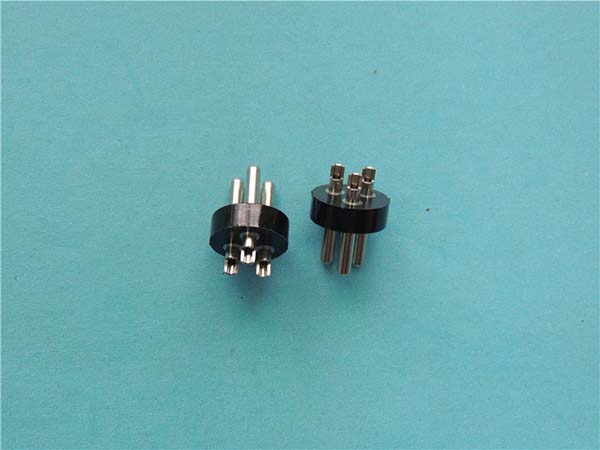
Finding the right manufacturing partner can feel overwhelming, especially when working with specialized materials like Bakelite. This guide walks you through what really matters when choosing a Bakelite manufacturer—from understanding the material itself to evaluating real capabilities. You will learn what questions to ask, which red flags to spot, and how to match a manufacturer’s strengths to your specific project needs.
Understanding Bakelite: More Than Just Plastic
What is Bakelite, Really?
Bakelite is the world’s first fully synthetic plastic, invented in 1907 by Leo Baekeland. But calling it just “plastic” misses the point. Bakelite is a thermosetting phenolic resin, meaning once it hardens under heat and pressure, it cannot be melted again. Unlike thermoplastics, which soften when reheated, Bakelite stays strong and stable even under high temperatures.
This property makes it ideal for products that must withstand heat, electricity, or mechanical stress. Think electrical insulators, automotive components, and appliance handles. When you choose a Bakelite manufacturer, you are choosing a partner who must control this permanent chemical transformation with precision.
Why Material Selection Still Matters
Even with a stable material like Bakelite, not all formulations are equal. The specific blend of phenolic resin, fillers, and additives determines final performance. For example:
| Property | High-Quality Bakelite | Lower-Quality Alternative |
|---|---|---|
| Heat resistance | Withstands up to 200°C | May deform above 150°C |
| Electrical insulation | >10^6 ohms resistance | Inconsistent readings |
| Mechanical strength | High impact resistance | Prone to cracking |
| Surface finish | Smooth, uniform | Rough or uneven |
A skilled manufacturer adjusts the formula based on your application. At Yigu Technology, we have formulated specialized blends for clients needing extra flame resistance or improved machinability.
How Do You Evaluate a Bakelite Manufacturer’s Quality?
Look Beyond the Certificate
Certifications like ISO 9001 are important—they show a manufacturer follows documented processes. But a certificate alone does not guarantee your parts will perform. Ask for product testing reports specific to the type of Bakelite you need.
In one recent project, a client needed electrical insulators for high-voltage equipment. We provided test reports showing consistent dielectric strength above 15 kV/mm across three production batches. The client later told us two other manufacturers could not supply similar data—they simply offered a generic certification.
Inspect the Raw Material Supply Chain
High-quality Bakelite starts with high-quality raw materials. A reliable manufacturer should:
- Source phenolic resins from reputable chemical suppliers
- Test incoming materials for purity and consistency
- Store materials under proper conditions to prevent contamination
We once took over a project from another supplier whose parts failed in the field. Investigation revealed they had switched to a cheaper filler without notifying the client. The result was brittle parts that cracked under normal use. This is why we maintain strict vendor approval lists and test every raw material batch before production.
What About Production Consistency?
Even the best formula fails without consistent production. Look for manufacturers who monitor key process parameters:
- Molding temperature (typically 150–180°C for Bakelite)
- Pressure application during curing
- Cycle time control
Small variations here cause big problems. A part that cures too fast may have internal stresses. One that cures unevenly may warp later. Ask how the manufacturer tracks these variables. Do they use automated systems? Do they keep production logs?
What Production Capacity Should You Expect?
Matching Scale to Your Needs
Production capacity is not just about big numbers. It is about the right fit for your order size and timeline.
| Order Type | What to Look For |
|---|---|
| Prototype (1–50 units) | Flexible scheduling, quick tooling changes |
| Small batch (50–500 units) | Efficient setup, low minimum quantities |
| Medium run (500–5,000 units) | Dedicated production lines, consistent output |
| High volume (5,000+ units) | Automated equipment, multi-cavity molds |
A manufacturer claiming unlimited capacity but unable to show current production schedules may overpromise. Ask for their current lead times and how they handle rush orders.
Real-World Capacity Example
Recently, a client in the automotive sector needed 8,000 Bakelite sensor housings delivered in six weeks. Their previous manufacturer quoted twelve weeks and could not compress the timeline. At Yigu Technology, we reviewed our production schedule, allocated a dedicated compression molding line, and delivered on week five. The key was having redundant equipment and cross-trained operators to shift resources as needed.
Can the Manufacturer Handle Custom Bakelite Parts?
Why Customization Matters
Off-the-shelf Bakelite products work for some applications. But many projects demand custom shapes, specific tolerances, or unique performance characteristics. A manufacturer’s ability to customize separates a commodity supplier from a true engineering partner.
What Customization Capabilities Include
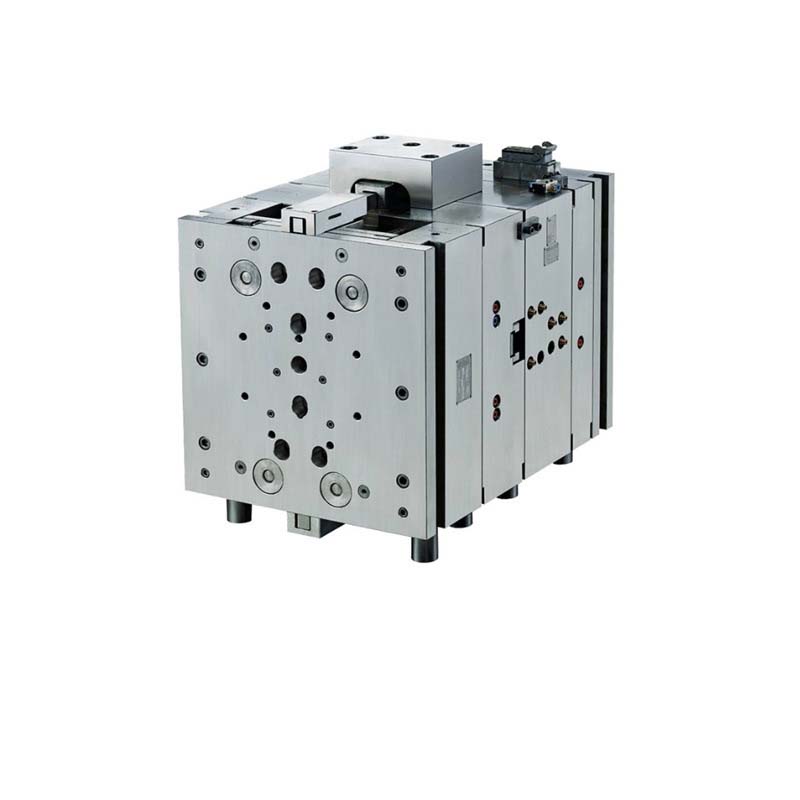
- Mold design and fabrication – In-house tooling shortens lead times and ensures mold quality
- Formula adjustments – Adding glass fiber for strength, or graphite for lubrication
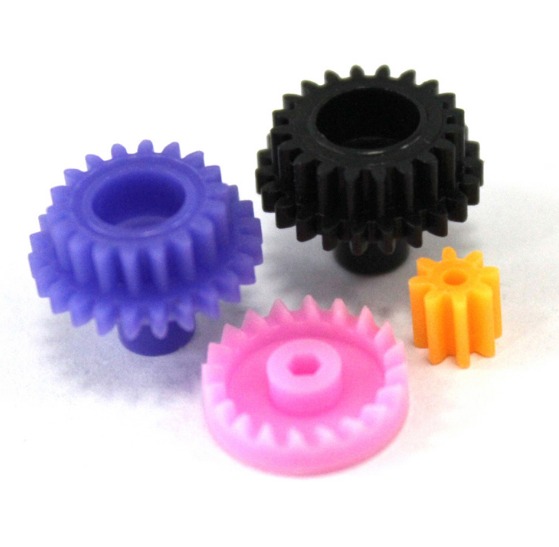
- Color matching – Bakelite traditionally comes in dark colors, but modern formulations allow more variety
- Insert molding – Embedding metal terminals or threaded inserts during molding
We worked with a medical device company that needed Bakelite handles with embedded stainless steel contacts. The challenge was preventing the metal inserts from shifting during molding. Our engineering team designed a mold with precision locating pins and adjusted the injection pressure to avoid displacement. The result was a reliable, repeatable part that passed 10,000-cycle testing.
Ask for Examples
When evaluating customization capabilities, ask: What is the most complex custom part you have made recently? A capable manufacturer will have photos, drawings, and a story to share.
Is the Price Worth the Value?
Calculating True Cost-Effectiveness
The lowest quote rarely delivers the lowest total cost. Consider this comparison:
| Factor | Manufacturer A (Low Price) | Manufacturer B (Higher Price) |
|---|---|---|
| Unit price | $2.50 | $3.20 |
| Failure rate | 8% | 1% |
| Replacement cost per unit | $2.50 + labor | Covered under warranty |
| Delivery reliability | 60% on-time | 95% on-time |
| Production delays | Frequent | Rare |
Over 10,000 units, Manufacturer A’s hidden costs often exceed the upfront savings. We have seen clients pay more in rework labor than they saved on the initial purchase.
What Goes Into the Price?
A transparent manufacturer explains their pricing structure. Typical cost drivers include:
- Raw material grade and source
- Mold complexity (single cavity vs. multi-cavity)
- Secondary operations (drilling, tapping, finishing)
- Order volume and frequency
- Testing and certification requirements
When we provide quotes, we break these elements down so clients understand exactly where their money goes. This transparency builds trust and prevents surprises later.
How Important Is a Manufacturer’s Reputation?
Reading Between the Reviews
Customer reviews and testimonials offer clues, but they should not be your only guide. Look for:
- Long-term client relationships – Five years with a client says more than five generic reviews
- Industry-specific experience – A manufacturer with automotive experience may not excel in medical devices
- References willing to talk – Reliable manufacturers connect you with past clients
Experience Counts
Years in business matter, but not as a simple number. What matters is what those years taught the manufacturer. A company with 20 years of Bakelite experience has likely:
- Solved countless molding problems
- Developed troubleshooting expertise
- Built stable supplier relationships
- Trained skilled operators
At Yigu Technology, our team includes mold makers and process engineers who have worked with phenolic materials for decades. This experience shows in the small details—like knowing how to vent a mold to prevent burn marks, or which release agents work best without affecting post-molding painting.
What Support Should You Expect After the Sale?
Technical Support Before and After
Good manufacturers support you throughout the product lifecycle. This includes:
- Design review – Catching potential issues before tooling begins
- Material selection guidance – Matching Bakelite grade to your application
- Process optimization – Adjusting parameters for better yield
- Troubleshooting – Helping when problems arise in your assembly line
After-Sales Services That Matter
| Service | Why It Matters |
|---|---|
| Defect analysis | Identifies root causes, prevents recurrence |
| Spare parts availability | Minimizes downtime for your production |
| Process documentation | Supports your quality audits |
| Engineering changes | Allows product improvements without new tooling |
One client discovered that their Bakelite components were failing during automated assembly. Our team visited their facility, observed the assembly process, and realized the pick-and-place machine was applying excessive force. We adjusted the component design slightly and modified the handling instructions. Problem solved—without blaming either the part or the equipment.
Conclusion
Choosing a Bakelite manufacturer is about finding a partner who understands the material, controls their process, and supports your success. Start by evaluating quality systems and asking for specific test data. Match production capacity to your actual needs—neither too small nor too large. Prioritize customization capabilities if your project demands unique shapes or properties. Look beyond price to true cost-effectiveness, considering failure rates and delivery reliability. Value experience and after-sales support as much as upfront capability.
The right manufacturer makes Bakelite’s unique properties work for your application. They catch design issues before tooling starts, maintain consistency across thousands of parts, and help when unexpected challenges arise. Taking time to evaluate these factors now saves headaches—and money—later.
Frequently Asked Questions
What is the difference between Bakelite and other plastics?
Bakelite is a thermosetting plastic that cannot be remelted after forming, unlike thermoplastics such as ABS or polycarbonate. This gives Bakelite superior heat resistance and dimensional stability but requires precise molding processes.
How do I know if a Bakelite manufacturer uses quality raw materials?
Ask about their raw material sourcing and testing procedures. A reliable manufacturer will have approved supplier lists and conduct incoming material inspections for purity, flow properties, and consistency.
Can Bakelite be made in custom colors?
Yes, though traditional Bakelite is dark brown or black. Modern formulations allow a range of colors, though achieving bright or light shades may require specific fillers and additives that affect other properties.
What is a typical lead time for custom Bakelite parts?
Lead times vary based on mold complexity and order size. Simple molds may take 4–6 weeks, while complex tooling can require 8–12 weeks. Production lead times typically range from 2–6 weeks depending on volume.
How can I verify a manufacturer’s quality claims?
Request product testing reports, visit the facility if possible, and ask for references from clients with similar applications. Third-party certifications like ISO 9001 provide additional assurance of documented quality systems.
Contact Yigu Technology for Custom Manufacturing
Looking for a Bakelite manufacturer who combines technical expertise with reliable production? At Yigu Technology, we specialize in custom Bakelite components across automotive, electrical, industrial, and medical applications. Our in-house tooling, experienced engineering team, and strict quality control ensure your parts meet specifications—batch after batch.
Whether you need design assistance, material selection guidance, or production at scale, we are ready to help. Contact us today to discuss your project requirements.