Introduction
You have a design. You need a physical part to test, show investors, or validate before production. Finding the right prototype maker can feel like searching for a needle in a haystack. Dozens of companies offer similar services, but their quality, communication, and capabilities vary widely. The wrong choice leads to delays, poor-quality parts, and wasted budget. The right choice becomes a true partner who helps you move from concept to market faster. This guide walks you through what to look for, what questions to ask, and how to evaluate potential partners.
What Exactly Is a Prototype Maker?
A prototype maker is a specialized service provider that turns your design concepts into physical models. These models are used for testing, validation, and refinement before mass production.
Prototype makers use technologies like 3D printing, CNC machining, and rapid tooling. Their goal is to help you identify design flaws early, when fixes are cheap and fast.
In the automotive industry, for example, prototype makers create accurate parts of car bodies and engine components. These are tested for aerodynamics, performance, and safety. According to the Society of Automotive Engineers, 70% of design flaws can be identified during the prototype stage, leading to a 30–40% reduction in production costs.
Prototype makers are not limited to automotive. They serve consumer electronics, aerospace, medical devices, and many other industries.
What Technical Capabilities Should You Look For?
A reliable prototype maker must have the right tools and knowledge.
Manufacturing Technologies
Two core technologies dominate prototyping: additive manufacturing (3D printing) and subtractive manufacturing (CNC machining).
3D printing builds parts layer by layer from a digital model. It excels at complex geometries—internal channels, lattice structures, and organic shapes that are difficult or impossible to machine. According to Wohlers Associates, the use of 3D printing in prototyping has grown by an average of 27% annually over the past decade.
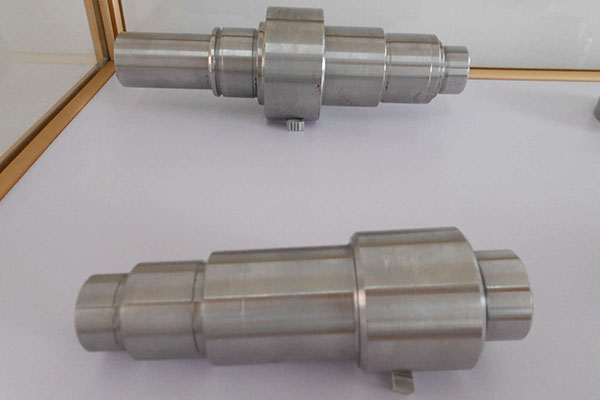
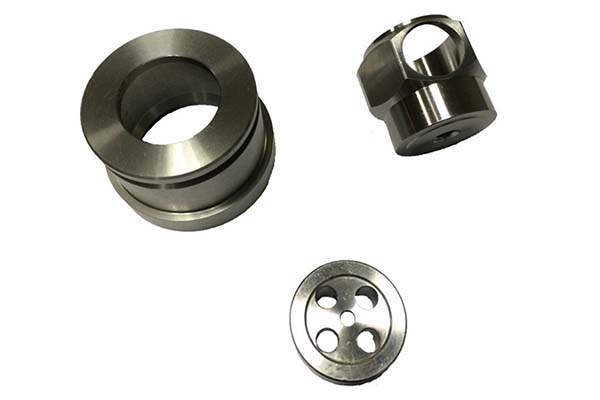
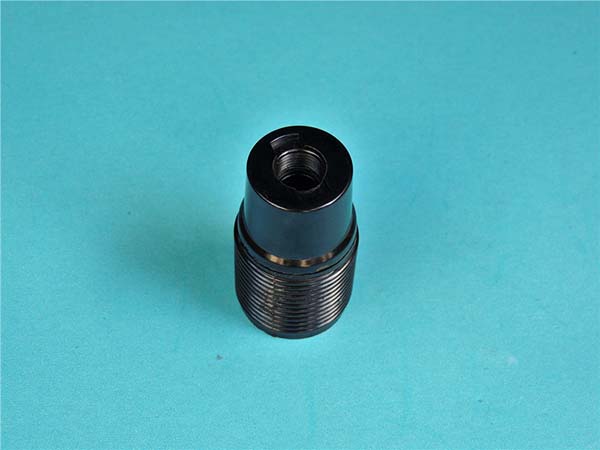
CNC machining starts with a solid block and removes material through cutting, milling, and drilling. It offers high precision, with tolerances as low as ±0.001 inches. This makes it ideal for functional prototypes that must match final production dimensions.
| Design Complexity | 3D Printing (Additive) | CNC Machining (Subtractive) |
|---|---|---|
| High (Complex Geometries) | Excellent. Creates internal structures, overhangs, lattice patterns easily. | Challenging. May require multiple setups. Some geometries impossible without added cost. |
| Low (Simple Shapes) | Feasible but may be slower and less cost-effective. | Highly suitable. Fast, cost-effective, high precision. |
A good prototype maker offers both capabilities and helps you choose the right one for your design.
Material Expertise
The right material matters as much as the right process. A capable prototype maker works with a wide range of materials.
- Metals: Aluminum, titanium, stainless steel. Aluminum offers low density and high strength-to-weight ratio. Titanium provides corrosion resistance and biocompatibility for medical and aerospace applications.
- Polymers: ABS, PLA, nylon. ABS is strong and durable for functional testing. PLA is biodegradable and cost-effective for visual models. Nylon offers wear resistance for moving parts like gears.
- Biocompatible materials: PEEK, silicone. Used for medical implants, surgical instruments, and soft tissue prototypes.
A prototype maker should guide you toward materials that match your testing needs and final production goals.
Why Does Industry Experience Matter?
Experience in your specific industry brings valuable insights.
Case Studies Tell the Story
A prototype maker with case studies in your field demonstrates domain knowledge.
- Automotive: A maker who has worked on engine prototypes understands thermal management, vibration testing, and material fatigue. They anticipate challenges you may not have considered.
- Aerospace: Experience with wing components or turbine blades means familiarity with high-strength materials, extreme temperature requirements, and stringent safety standards.
- Medical: A maker with medical device experience knows biocompatibility, sterilization methods, and regulatory pathways. They help you avoid pitfalls that delay approval.
In one example, a medical device company needed a custom orthopedic implant prototype. The prototype maker used SLA 3D printing for high precision and reduced development time by 50% while meeting all FDA material and dimensional requirements.
How Do You Evaluate Quality Assurance?
Quality systems separate reliable partners from the rest.
Certifications Matter
ISO 9001:2015 certification indicates a structured approach to quality management. It covers everything from design review to final inspection. A certified prototype maker has documented processes for maintaining consistency.
Inspection Capabilities
Ask how they verify dimensions. Do they use CMM (Coordinate Measuring Machines)? Do they provide inspection reports? A maker who can measure and document tolerances gives you confidence that parts match your CAD files.
What Key Criteria Should You Compare?
When evaluating prototype makers, use a structured approach.
Turnaround Time
A good prototype maker offers clear timelines. Simple parts may be ready in 1–3 days. Complex projects may take 5–7 days. Avoid partners who give vague estimates or promise unrealistic delivery without asking about your design complexity.
Cost Structure
Look for transparent quotes with no hidden fees. The quote should break down material, machine time, and post-processing. Be cautious of overly low bids—they often signal quality compromises or unexpected add-ons later.
Communication
Who will be your point of contact? A dedicated project manager who provides regular updates is essential. Slow responses or poor communication lead to misunderstandings and delays.
| Criteria | What to Look For | What to Avoid |
|---|---|---|
| Turnaround Time | 1–7 days with clear timeline | Vague promises or unrealistic deadlines |
| Cost Structure | Transparent quote, itemized | Overly low bids, hidden fees |
| Communication | Dedicated contact, regular updates | Slow responses, unclear updates |
What Real-World Examples Show Success?
Case studies illustrate the impact of good choices.
Medical Device: Orthopedic Implant
A medical device company needed a custom orthopedic implant prototype with complex geometry. The prototype maker used SLA 3D printing for high precision and smooth surfaces. Development time dropped by 50% compared to traditional methods. The prototype met all FDA biocompatibility and dimensional requirements, accelerating the final product’s path to market.
Automotive: Weight Reduction
A German automaker wanted to optimize a vehicle bracket. The prototype maker used topology optimization to analyze stress distribution and remove unnecessary material. The result was a 30% weight reduction without sacrificing strength. A CNC-machined prototype validated the design, and the new bracket went into production, improving fuel efficiency across the vehicle line.
How Does Yigu Technology Approach Prototyping?
At Yigu Technology, we see prototyping as a collaborative process. Our goal is to help you learn what you need to know about your design—without surprises.
We Offer Both Technologies
We do not push one method. For complex geometries, we recommend 3D printing. For precision and strength, we use CNC machining. For projects moving toward production, we offer rapid tooling. Our engineers help you choose based on your goals, not our preferences.
We Provide Material Guidance
We work with metals, polymers, and biocompatible materials. When a client needed a surgical instrument prototype, we recommended medical-grade stainless steel and provided material certification. When another needed a lightweight consumer product, we suggested ABS for functional testing and then transitioned to polycarbonate for final validation.
We Communicate Clearly
You get a dedicated project manager who knows your design. We provide regular updates and flag potential issues early. Our quotes are transparent, with clear breakdowns of costs and timelines.
Conclusion
Choosing the right prototype maker is one of the most important decisions in your product development journey. The right partner brings technical capability, material expertise, and industry experience. They communicate clearly, deliver on time, and help you avoid costly mistakes.
Take time to evaluate options. Look beyond price to capabilities, quality systems, and communication. A good prototype maker does more than make parts—they help you move from concept to production with confidence.
Frequently Asked Questions
What is the difference between a prototype maker and a machine shop?
A machine shop typically focuses on production machining. A prototype maker specializes in rapid, iterative development using multiple technologies like 3D printing and CNC machining. They are structured to handle design changes quickly and provide guidance on manufacturability.
How much does prototyping typically cost?
Costs vary widely. A simple 3D-printed part may cost $50–$200. A complex CNC-machined metal part can range from $500–$3,000. The best approach is to get detailed quotes from multiple makers and compare.
How long does prototyping take?
Simple 3D-printed parts often take 1–3 days. CNC-machined parts typically take 5–10 days. Complex projects with finishing may take longer. Ask for a clear timeline upfront.
What files do I need to provide?
Provide STEP or IGES files for most processes. STL files work for 3D printing but lack detail for machining. Include a PDF with critical dimensions if tolerances are tight.
Can a prototype maker help with design changes?
Yes. That is a core part of their role. A good prototype maker offers DFM (Design for Manufacturing) feedback and helps you refine the design based on test results.
Contact Yigu Technology for Custom Manufacturing
Ready to find the right prototype maker for your project? Yigu Technology combines 3D printing, CNC machining, and rapid tooling expertise to deliver high-quality prototypes on your timeline. Our engineers provide DFM feedback upfront, so your design is optimized before production begins. Contact us today to discuss your project and get a transparent quote.