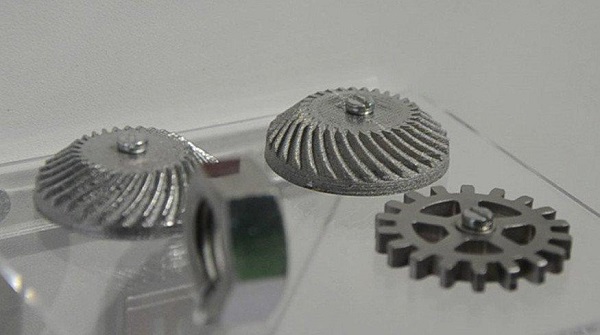
Introduction
When it comes to CNC machined parts, many users face a series of challenges. Choosing the right CNC machining technology for a specific project can be confusing—especially with the wide range of options available. Selecting appropriate materials that balance performance and cost is another common pain point. Ensuring consistent quality control throughout production is also a major concern, as even small deviations can lead to part failure.
This comprehensive guide addresses these issues, providing detailed insights into all aspects of CNC machined parts—from technology and materials to applications and quality control.
What CNC Machining Technologies Enable Precision?
Understanding Computer Numerical Control
At the core of CNC machining is Computer Numerical Control (CNC) , which uses computer programs to control machine tools. Unlike manual machining, where operators guide tools, CNC systems follow pre-programmed instructions—reducing human error. A CNC program can control cutting tool movement to within ±0.001 mm, ensuring precise cuts every time.
Key Machining Processes
| Process | Description | Best For |
|---|---|---|
| Turning | Workpiece rotates; cutting tool shapes it | Cylindrical parts—shafts, bolts |
| Milling | Rotating cutting tool removes material from stationary workpiece | Flat surfaces, slots, complex 3D shapes |
| Multi-axis machining | 4 or 5 axes; rotates workpiece or tool along multiple axes | Highly complex parts—turbine blades |
| High-speed machining | Spindle speeds >10,000 RPM; fast feed rates | Aluminum alloys; surface finishes to Ra 0.8 μm |
Toolpath Generation and CAD/CAM Integration
Toolpath generation creates the path that the cutting tool follows. This is typically done using CAD/CAM integration software:
- CAD (Computer-Aided Design): Creates 3D models
- CAM (Computer-Aided Manufacturing): Converts models into machine-readable toolpaths
Benefits: Popular software like AutoCAD and Mastercam optimize toolpaths for efficiency and precision, automatically avoiding collisions. Studies show advanced CAD/CAM integration reduces programming time by up to 50% compared to manual programming.
Automation in Machining
| Technology | Benefit |
|---|---|
| Automatic tool changers | Switch tools without intervention; uninterrupted production |
| Robotic arms | Load/unload workpieces; reduce cycle times |
| 24/7 automated systems | Increase output by 30% or more compared to manual operations |
What Types of CNC Machined Parts Exist?
Custom and Mechanical Components
| Type | Description | Examples |
|---|---|---|
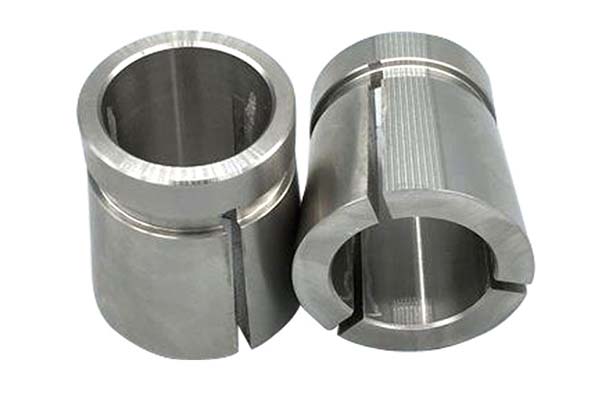
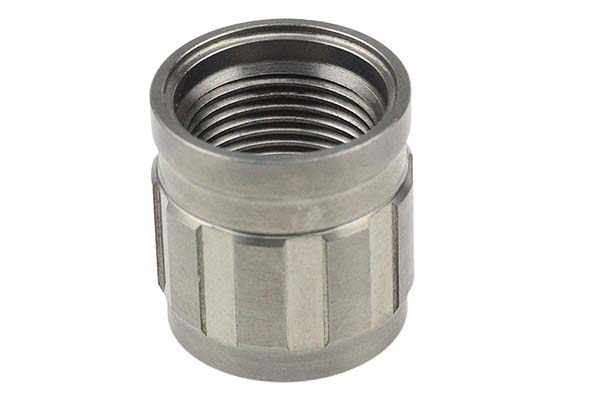
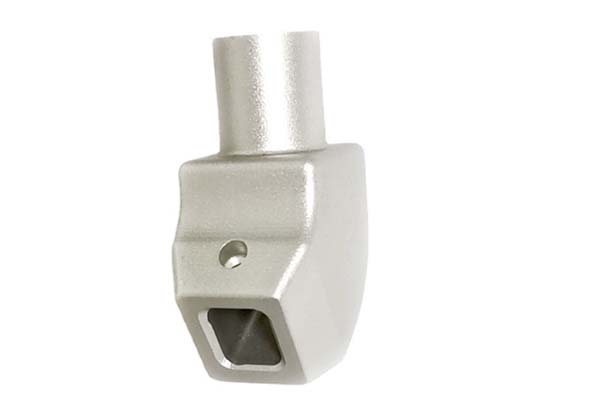
| Custom parts | Designed to meet specific project requirements | Brackets to complex assemblies |
| Mechanical components | Essential in many machines | Gears, bearings—smooth power transmission |
Industry-Specific Parts
| Industry | Parts | Requirements |
|---|---|---|
| Automotive | Engine components, suspension, brake parts | Tolerances often ±0.02 mm; strict safety standards |
| Aerospace | Engine parts, structural elements | High strength; lightweight materials; titanium alloys |
| Medical | Surgical instruments, implant components | Exceptional precision; biocompatibility |
Prototypes and Electronic Enclosures
| Application | Purpose |
|---|---|
| Prototypes | Test designs before mass production; quick modifications; reduce costly errors |
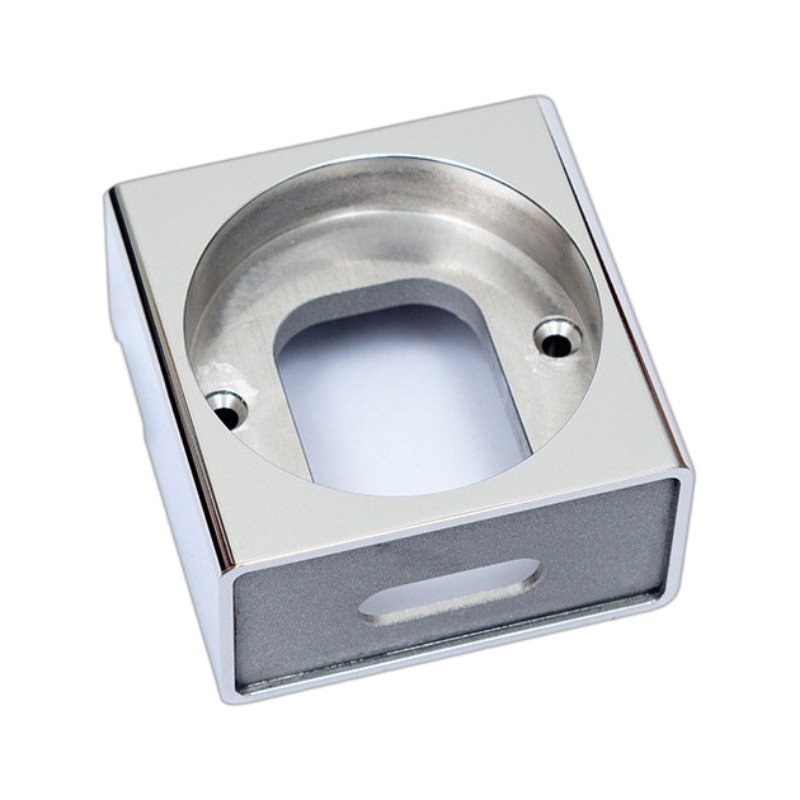
| Electronics enclosures | Protect sensitive components; precise openings for connectors; IP67 ratings achievable |
What Materials Are Used for CNC Machined Parts?
Metals
| Material | Strength | Machinability | Cost | Applications |
|---|---|---|---|---|
| Aluminum alloys | Medium | Excellent | Low | Automotive, aerospace parts |
| Stainless steel | High | Good | Medium | Medical equipment, food processing |
| Titanium | Very high | Fair | High | Aerospace, medical implants |
Plastics
| Material | Properties | Applications |
|---|---|---|
| Polycarbonate, acrylic | Transparency; impact resistance | Safety glasses; electronic covers |
| Nylon | Wear resistance; self-lubricating | Gears, bushings |
Composite Materials
| Material | Properties | Applications |
|---|---|---|
| Carbon fiber composites | Lightweight; strong | Aerospace; high-performance automotive |
What Are the Applications of CNC Machined Parts?
Automotive and Aerospace
| Industry | Applications | Requirements |
|---|---|---|
| Automotive | Engine blocks, transmission parts | Performance; reliability |
| Aerospace | Aircraft engine parts, structural elements | Extreme conditions; high temperatures; pressures |
Medical and Electronics
| Industry | Applications | Requirements |
|---|---|---|
| Medical | MRI machines, surgical robots, implants | Precision; regulatory standards; patient safety |
| Electronics | Circuit boards, connectors, heat sinks | Small size; high precision |
Robotics and Industrial Automation
| Industry | Applications | Benefits |
|---|---|---|
| Robotics | Gears, shafts, linkages | Accurate, smooth movement |
| Industrial automation | Conveyor systems, assembly lines, robotic arms | Increased productivity; reduced manual labor |
How Is Quality Control Ensured for CNC Machined Parts?
Dimensional Accuracy and Tolerance Levels
| Term | Definition | Example |
|---|---|---|
| Dimensional accuracy | How closely actual dimensions match design | Part within ±0.01 mm of designed size |
| Tolerance levels | Allowable deviation | ±0.01 mm |
Inspection: Coordinate Measuring Machines (CMMs) measure parts with precision up to ±0.0001 mm—ensuring specifications are met.
Surface Roughness and Inspection Methods
| Factor | Impact |
|---|---|
| Rough surface | Causes friction and wear |
| Smooth surface | Reduces energy consumption |
Inspection methods:
- Profilometer: Measures surface texture
- Visual inspection: Surface defects
- Ultrasonic testing: Internal defects
- X-ray inspection: Porosity, inclusions
Quality Standards and Statistical Process Control
| Standard | Purpose |
|---|---|
| ISO 9001 | Framework for quality management systems |
Statistical Process Control (SPC): Monitors and controls manufacturing by collecting and analyzing data. Identifies trends and variations—allowing adjustments before defects occur.
What CNC Machining Equipment Is Used?
CNC Lathes and Milling Machines
| Machine | Operations | Best For |
|---|---|---|
| CNC lathes | Facing, turning, threading | Cylindrical parts |
| CNC milling machines | Drilling, boring, contouring | Complex shapes |
Advanced Equipment
| Equipment | Process | Applications |
|---|---|---|
| CNC laser cutters | High-power laser cutting | Sheet metal, plastics |
| EDM machines | Electrical discharges | Hard materials; dies, molds |
Conclusion
CNC machined parts are the backbone of modern manufacturing. Mastery requires understanding:
- Technologies: Turning, milling, multi-axis, high-speed machining; CAD/CAM integration; automation (30%+ output increase)
- Part types: Custom, mechanical, industry-specific (automotive, aerospace, medical), prototypes, enclosures
- Materials: Metals (aluminum, stainless steel, titanium), plastics (polycarbonate, nylon), composites (carbon fiber)—balancing performance and cost
- Applications: Automotive, aerospace, medical, electronics, robotics, industrial automation
- Quality control: Dimensional accuracy (CMM to ±0.0001 mm); surface roughness; ISO 9001; SPC
- Equipment: CNC lathes, milling machines, laser cutters, EDM
By selecting the right materials, technologies, and quality processes, manufacturers can produce CNC machined parts that meet the highest standards of precision and reliability—delivered on time and within budget.
FAQs
What is the typical tolerance achievable with CNC machining?
CNC machining achieves tolerances as tight as ±0.001 mm for some materials and processes. However, actual tolerance depends on material, part complexity, and machine type. For most industrial applications, tolerances of ±0.01 mm to ±0.05 mm are common.
How do I choose the right material for CNC machined parts?
Consider:
- Application requirements: Strength, corrosion resistance, temperature resistance
- Cost and machinability: Balance performance with budget
- Examples: Corrosive environments → stainless steel or titanium; weight concerns → aluminum alloys
What is the difference between CNC turning and CNC milling?
CNC turning: Workpiece rotates while cutting tool shapes it—ideal for cylindrical parts (shafts, bolts). CNC milling: Rotating cutting tool removes material from stationary workpiece—ideal for flat surfaces, slots, complex 3D shapes. Turning is best for rotational symmetry; milling for more complex geometries.
How does CAD/CAM integration improve CNC machining?
CAD/CAM integration reduces programming time by up to 50% compared to manual programming. It optimizes toolpaths for efficiency and precision, automatically avoids collisions, and ensures designs translate accurately to machine instructions.
What quality control methods are used for CNC machined parts?
Key methods include:
- CMM (Coordinate Measuring Machine): Dimensional accuracy to ±0.0001 mm
- Profilometer: Surface roughness measurement
- Ultrasonic and X-ray inspection: Internal defect detection
- Statistical Process Control (SPC): Monitors trends; prevents defects
- ISO 9001: Quality management framework
Contact Yigu Technology for Custom Manufacturing
At Yigu Technology, we specialize in CNC machined parts for aerospace, medical, automotive, electronics, and industrial applications. With 15 years of experience, advanced 5-axis machining, CNC turning/milling, EDM, and ISO 9001 certification, we deliver precision components with tolerances to ±0.001 mm.
Our expertise includes material selection, CAD/CAM integration, and rigorous quality control—CMM inspection, SPC, and full documentation. Contact us today to discuss your CNC machined parts project.