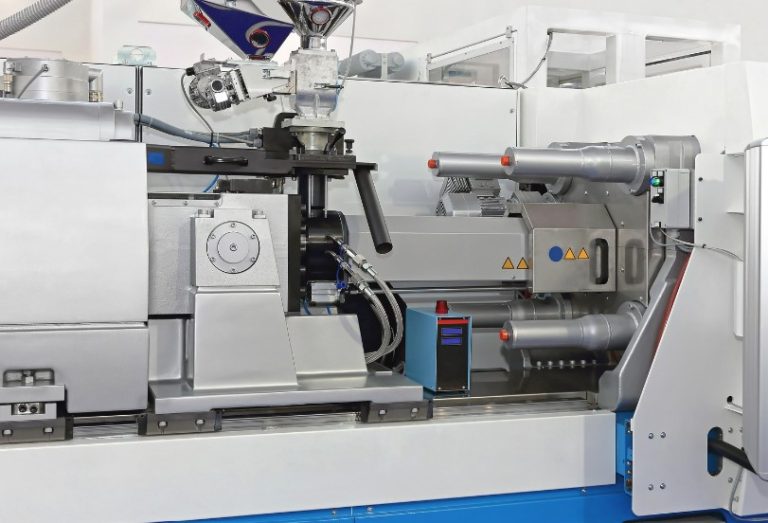
For businesses and innovators bringing a plastic product to market, selecting an injection molding solution company is a critical strategic decision. This choice extends far beyond finding a machine shop; it's about partnering with an organization that provides comprehensive engineering support, advanced manufacturing capabilities, and project management from concept to delivery. This guide will dissect what defines a true solutions partner, compare service models, detail the expected engineering services, and outline how to evaluate a company’s technical and operational readiness. Our aim is to equip you with the knowledge to select a partner that ensures your product's success in terms of quality, cost, and time-to-market.
What Defines an Injection Molding Solution Company?
An injection molding solution company is defined by its ability to act as a single-point partner, managing the entire journey of a plastic part, not just the molding cycle. Unlike a basic molder, a solutions company integrates services vertically and horizontally to de-risk and streamline production for the client.
Key characteristics include:
- End-to-End Service Integration: They offer a connected workflow from design for manufacturability (DFM) and prototyping through tooling, production, secondary operations, and often assembly and logistics.
- Engineering-Led Partnership: They employ a team of engineers who proactively engage in product development, providing data-driven recommendations to optimize part design, material selection, and process stability.
- Technology Agnosticism: They possess or have access to a range of molding processes (standard, insert, two-shot, LSR) and tooling strategies (aluminum, pre-hardened steel, hardened steel) to recommend the most technically and economically sound path for each project phase.
- Quality and Compliance Framework: They operate under certified management systems (e.g., ISO 9001, IATF 16949, ISO 13485) and have the metrology and documentation processes to support regulated industries.
How Do You Evaluate Full-Service vs. Niche Providers?
The market offers two primary models: full-service integrators and specialized niche providers. The right choice depends on your project's complexity and your internal resources.
| Provider Type | Core Value Proposition | Ideal Client & Project | Key Considerations |
|---|---|---|---|
| Full-Service Solution Company | "One-Stop-Shop." Manages all aspects: design, tooling, molding, finishing, assembly, packaging. Reduces client's supply chain management burden. | Companies launching complex consumer products or medical devices needing turnkey solutions. Clients with limited internal manufacturing engineering staff. | Potentially higher overhead costs. Ensure they have genuine expertise in all offered services, not just superficial partnerships. |
| Niche / Specialized Provider | "Best-in-Class" in a specific area. Could be micro-molding, liquid silicone rubber (LSR), high-volume thin-wall packaging, or ultra-precision optics. | Projects with extremely demanding technical requirements that match the provider's niche. Clients who have in-house design and project management teams. | You become the systems integrator, managing multiple suppliers. Requires strong technical oversight to ensure seamless handoffs between specialists. |
Professional Insight: For a startup developing a multi-part, overmolded medical device, a full-service solution company is likely ideal. They can manage the biocompatible material selection, cleanroom molding, sterile packaging, and regulatory documentation, acting as an outsourced development and manufacturing arm. Conversely, a large automotive OEM needing a specialized, glass-filled nylon connector might partner with a niche provider renowned for engineering thermoplastics, integrating their output into a broader, internally managed assembly.
Which Engineering and Design Services Should You Expect?
This is the cornerstone of a solutions partnership. Expect proactive, upfront engineering that adds tangible value and prevents downstream cost.
- Comprehensive Design for Manufacturability (DFM): A formal, annotated report detailing specific recommendations to optimize your part for molding. This goes beyond draft angles, covering uniform wall thickness, proper rib design, gate location optimization, and ejection strategy.
- Mold Flow Analysis (MFA): A computer simulation that predicts how plastic will fill the mold. It identifies potential issues like air traps, weld lines, sink marks, and differential cooling before the mold is cut. This virtual validation saves weeks of time and thousands of dollars in mold rework.
- Material Science & Selection Support: Guidance on resin selection based on mechanical, thermal, chemical, and regulatory requirements. A solutions partner should provide data on candidate materials, including cost-per-volume analysis and availability.
- Design for Assembly (DFA): Recommendations to reduce part count, simplify assembly steps, and integrate features like snap-fits or living hinges to lower total product cost.
What Mold Technologies and Machine Platforms Are Available?
The available technology stack directly impacts part quality, lead time, and cost structure. A capable solutions company will transparently discuss their assets.
- Tooling Technology Portfolio:
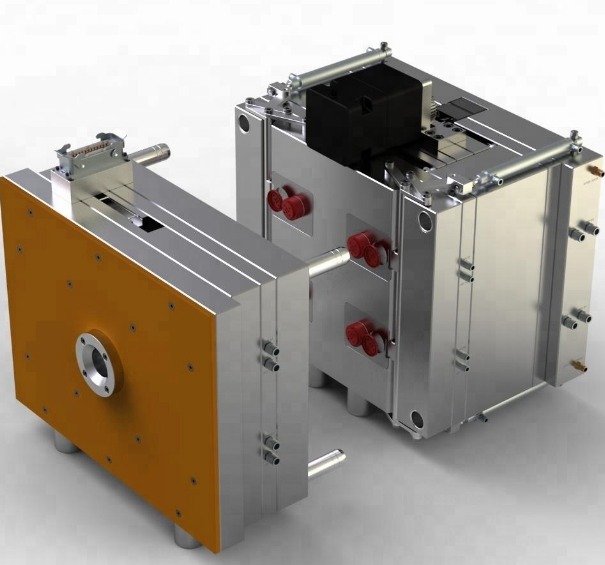
- Rapid Prototype Tooling (Aluminum/Soft Steel): For 50-5,000 parts. Fast and low-cost for design validation.
- Pre-Production/Bridge Tooling (P20 Steel): For 5,000-100,000 parts. Balances durability and cost for market launches.
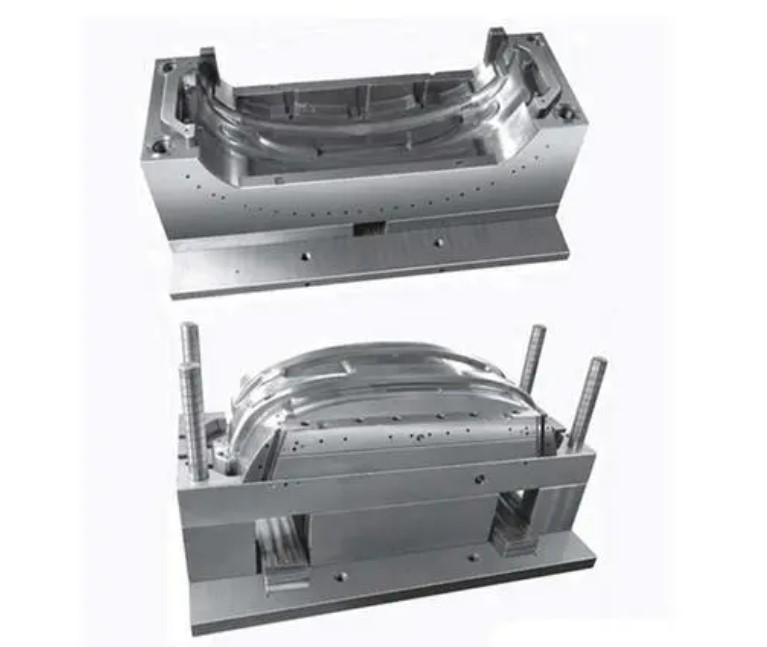
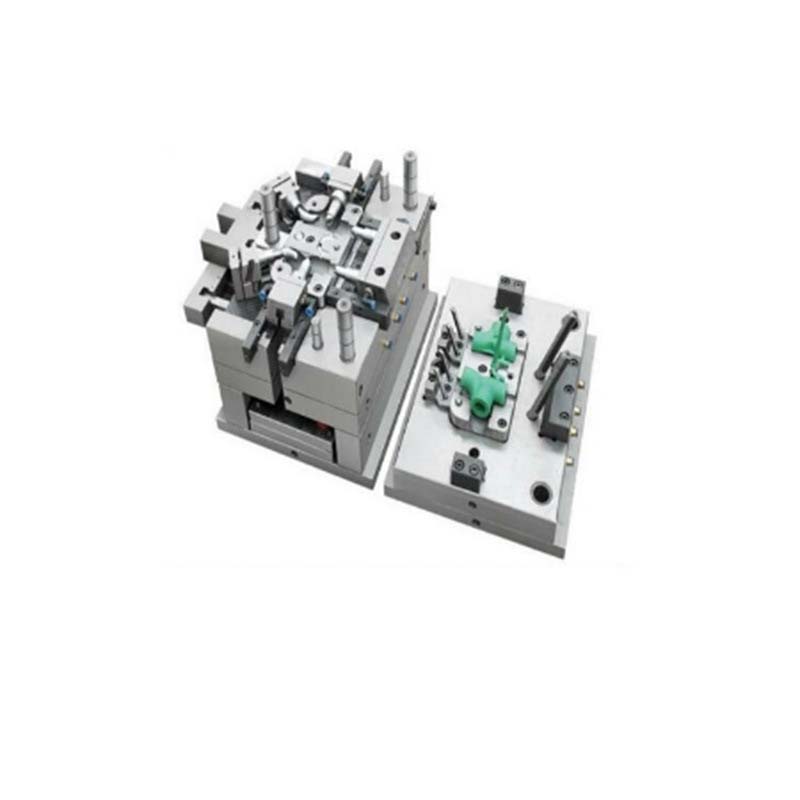
- High-Volume Production Tooling (H13, S136 Steel): For 100,000+ cycles. Features high-polish cavities, conformal cooling, and hot runner systems for efficiency.
- Machine Platform Capabilities:
- Clamp Tonnage Range: From small (<100 ton) machines for tiny parts to large (>1,000 ton) presses for automotive bumpers.
- Specialized Processes: Machines dedicated to two-shot/overmolding, liquid silicone rubber (LSR), micro-molding, or vertical molding for insert applications.
- Automation & Integration: The presence of robotic part handling, vision inspection systems, and MES (Manufacturing Execution Systems) for data tracking indicates a commitment to consistency and scalability.
How Are Prototype, Bridge, and Production Quantities Handled?
A solutions company strategically tailors its approach to different volume stages, optimizing for speed, cost, or scale as needed.
- Prototyping Phase (1 - 500 pcs): Focus is on speed and learning. Methods include CNC machining of solid plastic for true material properties or low-volume injection molding with aluminum tools. The goal is to validate design, fit, and function.
- Bridge / Pilot Production (500 - 10,000 pcs): Focus shifts to process validation and market testing. Using pre-production steel molds, this phase replicates the full injection molding process at a smaller scale, ensuring the design is manufacturable and allowing for initial inventory build.
- Full-Scale Production (10,000+ pcs): Focus is on maximized efficiency and lowest unit cost. This utilizes high-cavitation production molds, fully automated cells, and lean manufacturing principles. The solutions company manages production scheduling, inventory, and Just-In-Time (JIT) delivery if required.
How Are Lead Times and Pricing Structures Determined?
Understanding the drivers behind timelines and cost is essential for budgeting and planning.
- Lead Time Drivers: The critical path is almost always tool fabrication. A complex production mold can take 12-16 weeks. Prototype tooling may take 3-5 weeks. Production run time itself is relatively fast (days or weeks). A detailed project plan from a solutions partner should break down each phase.
- Pricing Models: Expect a clear breakdown:
- Non-Recurring Engineering (NRE) Costs: Covers DFM, mold flow, and mold design.
- Tooling Investment: The one-time cost for the mold. Ownership terms (client-owned vs. supplier-owned) must be clarified.
- Per-Piece Price: Determined by part material, cycle time, labor, and overhead. Volume discounts apply at predetermined tiers.
- Secondary Operations & Assembly: Often quoted as a separate line item or rolled into the per-piece price.
Case Studies: Medical, Automotive, and Consumer Success Stories
Medical: Disposable Diagnostic Cartridge
A biotech firm developed a complex, microfluidic cartridge for point-of-care blood testing. The solution company provided mold flow analysis to optimize the sub-millimeter fluidic channels, manufactured the tool with micro-machined inserts, and performed cleanroom molding in cyclic olefin copolymer (COC). They also managed the ultrasonic welding and functional leak testing, delivering a fully validated, ready-to-sterilize device. This turnkey approach allowed the client to focus on assay development and clinical trials.
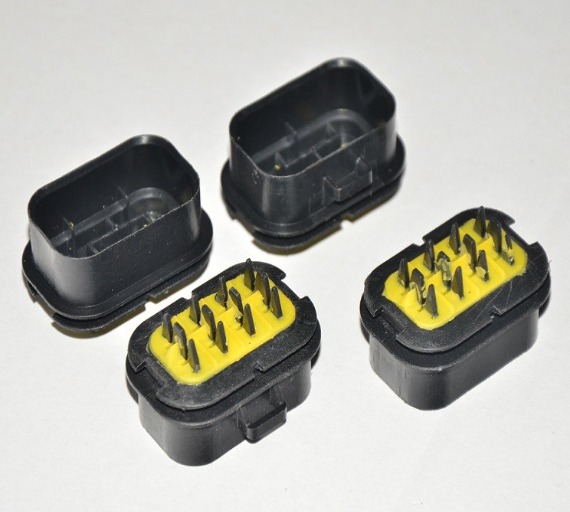
Automotive: Under-Hood Connector
An automotive supplier needed a new engine sensor connector in heat-stabilized nylon. The challenge was a combination of thin walls, critical sealing surfaces, and metal insert molding for terminals. The solution company redesigned the part for better gate flow, used scientific molding techniques to establish a robust process window, and implemented automated vision inspection for 100% quality check on the insert placement. The result was zero-defect parts delivered on a JIT basis to the OEM's assembly line.
Consumer: Durable Power Tool Housing
A tool manufacturer launching a new drill required a housing that was impact-resistant, ergonomic, and had a soft-grip overmold. The solution company executed a two-shot molding process, bonding ABS to TPE in a single automated cycle. Their in-house tooling division built a robust, multi-cavity mold with a hot runner system, and their assembly line added gears and switches. This vertically integrated solution reduced logistics complexity and gave the client a single point of accountability for the entire sub-assembly.
Conclusion
Selecting an injection molding solution company is a strategic investment in your product's lifecycle. The ideal partner reduces risk, accelerates development, and ensures manufacturing excellence by integrating deep engineering expertise with broad technical capabilities. By thoroughly evaluating a provider's service model, engineering depth, technological assets, and approach to different production phases, you can forge a partnership that delivers more than parts—it delivers a competitive advantage. Look for transparency, a collaborative culture, and a proven track record of solving problems similar to yours.
FAQ
What is the typical ownership structure for injection molds?
The industry standard is for the client to own the mold tooling. This is a capital asset purchased by the client. The contract should explicitly state this, along with terms for storage, maintenance, and repair. Some suppliers may offer a "tooling amortization" model where you pay a higher piece price but don't own the tool, which can be advantageous for very short product lifecycles.
How do solution companies handle design changes after production has begun?
Any post-release change triggers a formal Engineering Change Order (ECO) process. The solution company will assess the impact on tooling, process, and cost, providing a quote and timeline for the modification. For minor changes, the existing mold can often be modified. Major changes may require a new mold cavity. A clear change control procedure is a sign of a professional operation.
Can a solution company help with overseas manufacturing or second-source setup?
Many full-service solution companies have this capability. They can act as the primary engineering and development partner, then use their expertise to qualify and manage a production partner in a lower-cost region. They ensure the process and quality standards are duplicated exactly, providing oversight and audit support. This is a valuable service for scaling globally.
What should I look for in a quality audit of a potential solution company?
Beyond certificates, audit their process documentation. Ask to see a Process Failure Mode and Effects Analysis (PFMEA), a Control Plan, and sample First Article Inspection Reports. Tour the production floor and quality lab; look for organization (5S), calibrated equipment, and how they handle non-conforming material. Gauge the technical knowledge of the engineers, not just the sales team.
How do sustainability and material recyclability factor into modern injection molding solutions?
Leading solution companies are increasingly proactive in this area. They can advise on:
- Material Selection: Using bio-based polymers or grades with post-consumer recycled (PCR) content.
- Process Efficiency: Optimizing cycles and reducing scrap through scientific molding.
- Part Design: Designing for disassembly or using mono-materials to aid recycling.
- Program Management: Helping clients establish take-back or recycling programs for end-of-life products.
Contact Yigu Technology for Custom Manufacturing.
At Yigu Technology, we embody the definition of a true injection molding solution company. We partner with you from the earliest design stages, providing expert DFM and mold flow analysis to ensure manufacturability. Our vertically integrated services include precision tool making, full-scale production across a range of specialized processes, and value-added assembly. With certifications and experience serving the medical, automotive, and consumer electronics sectors, we deliver not just parts, but complete, reliable manufacturing solutions. Contact Yigu Technology today to discuss how our end-to-end partnership can bring efficiency, quality, and confidence to your next product development journey.