Introduction
The term "bakelite wood" might sound like a contradiction. Wood is natural and organic. Bakelite is synthetic and plastic. Yet together, they form a composite material that combines the best of both worlds. As an engineer who has specified materials for countless projects, I have seen bakelite wood solve problems where neither natural wood nor plastics alone would work. This guide explains what bakelite wood is, how it performs, where it excels, and how to decide if it fits your project.
What Is Bakelite Wood?
Composition
Bakelite wood—also called phenolic-impregnated wood—is a composite. It starts with a wood base: birch, maple, or plywood. This wood is then impregnated with phenolic resin (the same family as bakelite) under high pressure and heat. The resin fills the wood's pores and bonds with the wood fibers. The result is a material with properties distinct from either component alone.
Manufacturing Process
The process involves several precise steps:
- Wood selection: The base wood is chosen based on the intended application. Birch offers good strength; maple provides hardness; plywood gives dimensional stability.
- Drying: Wood is thoroughly dried. Moisture would interfere with resin bonding.
- Resin impregnation: Dried wood is soaked in liquid phenolic resin.
- Molding: The resin-soaked wood is placed in a mold. High pressure (10–30 MPa) and elevated temperatures (150–200°C) are applied.
- Curing: Heat cures the resin, creating a permanent bond. The result is a rigid, durable material.
What Properties Does Bakelite Wood Offer?
Mechanical Properties
Strength and Rigidity
Phenolic resin reinforcement dramatically improves mechanical properties compared to untreated wood.
| Material | Flexural Strength (MPa) | Tensile Strength (MPa) | Compressive Strength (MPa) |
|---|---|---|---|
| Regular Birch Wood | 70–100 | 40–60 | 30–50 |
| Bakelite-Impregnated Birch | 150–250 | 80–120 | 60–100 |
This 2–3x increase in strength makes bakelite wood suitable for load-bearing applications where natural wood would fail.
Impact Resistance
Bakelite wood is stronger but more brittle than natural wood. It will not flex as much before breaking. However, its impact resistance still exceeds that of many common plastics. A polyethylene part may dent or deform; bakelite wood may crack under sudden high-energy impact. This trade-off matters in applications where impact is a risk.
Thermal Properties
Heat Resistance
Natural wood chars and degrades around 200–250°C. Bakelite wood withstands 150–200°C without significant deformation or loss of properties. This heat resistance opens applications in:
- Electrical enclosures where components generate heat
- Industrial machinery near heat sources
- Tooling and fixtures in warm environments
Thermal Conductivity
Bakelite wood has thermal conductivity of 0.1–0.3 W/(m·K) . This is:
- Lower than metals (aluminum: ~200 W/(m·K))
- Higher than dedicated insulators (polyurethane foam: ~0.03 W/(m·K))
It acts as a partial thermal insulator, useful when controlling heat transfer without full insulation.
Chemical Properties
Chemical Resistance
The phenolic resin coating protects wood fibers from many chemicals. Bakelite wood resists:
- Dilute acids (hydrochloric, sulfuric)
- Dilute alkalis (sodium hydroxide)
- Some organic solvents
In a test, regular wood exposed to 10% hydrochloric acid began degrading within minutes. Bakelite wood showed no visible damage after several hours. However, strong oxidizing agents—concentrated sulfuric or nitric acid—can still attack the material.
Moisture Resistance
Moisture is wood's enemy. It causes swelling, warping, and rot. Bakelite wood's resin seals the pores, preventing water absorption.
| Condition | Regular Plywood | Bakelite-Impregnated Plywood |
|---|---|---|
| 80% relative humidity | 5–10% thickness increase | <1% thickness change |
| Water immersion | Swells, delaminates | Minimal dimensional change |
This moisture resistance is critical in humid environments or applications with occasional water exposure.
Where Is Bakelite Wood Used?
Electrical Industry
Insulators: Bakelite wood's electrical insulating properties—combined with mechanical strength—make it ideal for switchboards, circuit breakers, and high-voltage transmission insulators. In medium-voltage switchgear, bakelite wood insulators separate live components from each other and from ground.
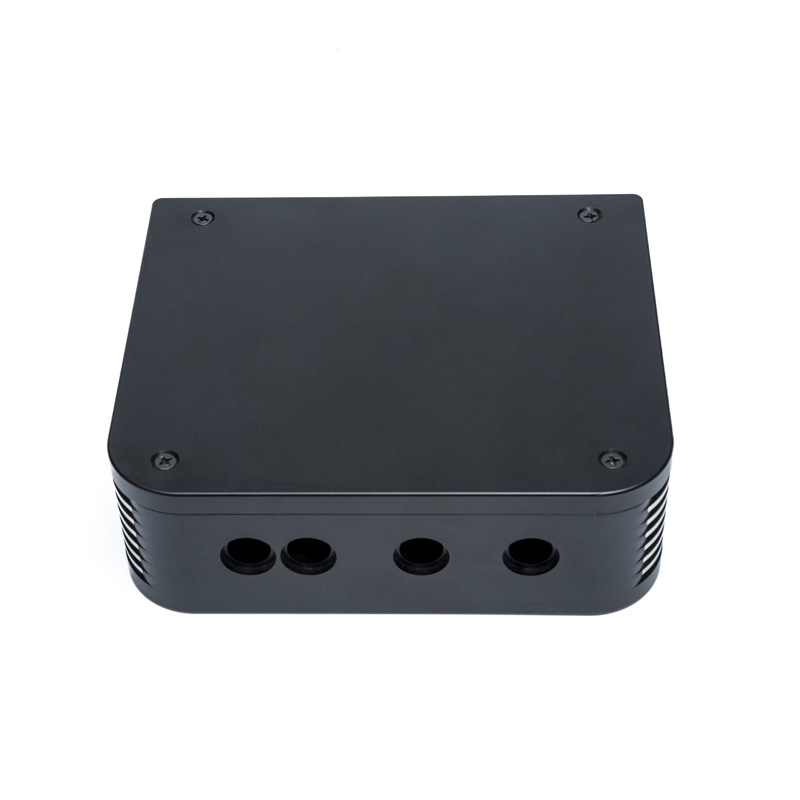
Electrical enclosures: These enclosures protect internal components from dust, moisture, and mechanical damage. Bakelite wood's heat resistance helps dissipate heat generated by electrical components while maintaining structural integrity.
Industrial Applications
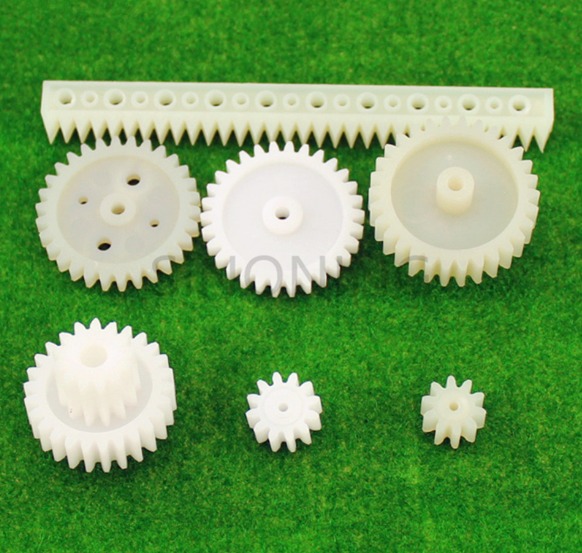
Machinery components: Bakelite wood gears operate smoothly and quietly. The phenolic resin provides self-lubricating properties, reducing friction between gear teeth. Wear resistance suits them for continuous operation. In conveyor systems, bakelite wood rollers support transported materials while resisting wear.
Chemical processing equipment: In tanks storing weak acids, bakelite wood lining protects metal tanks from corrosion. The material's chemical resistance ensures lining integrity over extended periods, reducing maintenance frequency.
Consumer Goods
Furniture: Bakelite wood offers a unique appearance—smooth, glossy finish with natural wood texture visible. It is more durable than regular wood. A bakelite wood tabletop resists scratches, stains, and heat better than natural wood. Hot objects can be placed directly without leaving marks.
Musical instruments: Some guitars use bakelite wood for fretboards or bodies. The material's density affects tone. Its smooth surface allows easier finger movement along the fretboard. In drums, bakelite wood shells produce warm, rich tones.
What Are the Advantages?
Cost-Effectiveness
Compared to high-performance engineering materials, bakelite wood is cost-effective. Raw materials—wood and phenolic resin—are widely available. The manufacturing process, while requiring specialized equipment, is less complex than advanced composite methods like carbon fiber layup. Bakelite wood can offer similar mechanical properties at a fraction of the cost of carbon-fiber composites.
Design Flexibility
Bakelite wood can be molded into complex shapes. The manufacturing process allows:
- Curved and irregular forms for creative furniture design
- Custom components for specific machinery requirements
- Intricate details that would be difficult to machine from natural wood
Partial Sustainability
Bakelite wood offers sustainability advantages:
- Wood base can be sourced from sustainable forests
- Phenolic resin is a byproduct of petrochemical processes—using it gives material new life
However, the production of phenolic resin does have environmental impacts, including energy consumption and chemical use.
What Are the Drawbacks?
Brittleness
Bakelite wood is relatively brittle. It does not flex under impact. In applications with sudden shocks or heavy impacts, it may crack. For public furniture in high-traffic areas, a more impact-resistant material might be preferable.
Environmental Impact of Production
Phenolic resin production involves phenol and formaldehyde—chemicals derived from petrochemicals. These can be harmful if not properly managed. The manufacturing process also consumes significant energy due to high temperature and pressure requirements.
Limited Recycling Options
Recycling bakelite wood is challenging. The composite structure—resin bonded to wood fibers—makes separation difficult. Currently, limited recycling facilities exist. End-of-life bakelite wood products often go to landfills. Developing effective recycling methods remains an area for innovation.
How Does Bakelite Wood Compare?
| Property | Bakelite Wood | Natural Wood | Engineering Plastics | Metals |
|---|---|---|---|---|
| Strength | High (enhanced) | Moderate | Varies | Very High |
| Heat Resistance | 150–200°C | 200–250°C (chars) | 80–260°C depending | Very High |
| Moisture Resistance | Excellent | Poor | Good–Excellent | Excellent |
| Chemical Resistance | Good | Poor | Varies | Varies (corrosion risk) |
| Impact Resistance | Moderate (brittle) | Moderate | Good–Excellent | High |
| Weight | Moderate | Light | Light | Heavy |
| Cost | Moderate | Low | Low–High | Moderate–High |
| Recyclability | Poor | High | Varies | High |
How Do You Choose the Right Material?
Step 1: Define Your Requirements
Start with a clear specification:
Mechanical:
- What loads will it bear?
- Will it face impact or vibration?
- What is the expected service life?
Environmental:
- Maximum temperature?
- Moisture or chemical exposure?
- Indoor or outdoor?
Aesthetic:
- Does appearance matter?
- What finish is required?
Economic:
- Production volume?
- Budget constraints?
Step 2: Match Bakelite Wood to Requirements
| If you need… | Bakelite wood is… |
|---|---|
| Heat resistance up to 150–200°C | ✓ Excellent choice |
| Moisture resistance | ✓ Excellent (sealed surface) |
| Electrical insulation | ✓ Excellent |
| High mechanical strength | ✓ Good (enhanced over wood) |
| Impact resistance | ✗ Limited (brittle) |
| Complex shapes | ✓ Molding allows complex forms |
| Recyclability | ✗ Poor |
| Natural wood appearance | ✓ Partial (glossy finish, wood visible) |
Step 3: Test Before Committing
Obtain samples and test under conditions matching your application:
- Heat exposure at expected operating temperatures
- Moisture or chemical exposure
- Mechanical loads similar to service conditions
- Assembly processes (drilling, fastening)
Step 4: Consider Lifecycle Cost
Look beyond initial purchase price:
- How long will the part last?
- What maintenance is required?
- What happens at end of life?
A material with higher upfront cost but longer service life may be more economical overall.
What Real-World Experience Shows?
Case Study: Electrical Switchgear Insulators
A manufacturer of medium-voltage switchgear needed insulators that could withstand:
- Continuous operating temperatures up to 140°C
- High humidity environments
- Electrical stress without tracking
Bakelite wood insulators were specified. After eight years in service, field inspections showed:
- No dimensional changes from moisture
- No degradation from heat
- Electrical performance within original specifications
Case Study: High-End Furniture
A furniture designer wanted to create a dining table with:
- Heat resistance for hot plates and serving dishes
- Scratch and stain resistance
- Unique aesthetic appeal
Bakelite wood was selected for the tabletop. The result: a surface that withstood daily use without marks, while providing the visual warmth of wood with a modern glossy finish.
Case Study: Where It Did Not Work
A robotics startup attempted to use bakelite wood for gear housings. The application involved occasional impacts from dropped tools. Bakelite wood cracked under the impact. The solution: switch to glass-filled nylon, which provided better impact resistance while maintaining strength.
Yigu Technology's Perspective
At Yigu Technology, we have supplied bakelite wood components for electrical, industrial, and consumer applications. Our experience shows that bakelite wood excels when the requirements align with its strengths: heat resistance, moisture resistance, and electrical insulation.
We recently worked with a chemical processing facility needing tank linings that could withstand weak acid solutions. Stainless steel was cost-prohibitive. Standard plastics lacked dimensional stability at operating temperatures. Bakelite wood lining provided the chemical resistance needed at a fraction of the cost, with installation completed in days rather than weeks.
We also help clients recognize when bakelite wood is not the answer. For a marine application with continuous saltwater exposure, we recommended fiberglass composites instead. For high-impact applications, we suggest thermoplastics or metals.
The key is honest assessment of requirements. Bakelite wood is not a universal solution. But where it fits, it delivers reliable performance at reasonable cost.
Conclusion
Bakelite wood is a composite that combines natural wood with phenolic resin reinforcement. It offers enhanced strength, heat resistance, moisture resistance, and chemical resistance compared to natural wood. It serves applications in electrical insulation, industrial machinery, chemical processing, furniture, and musical instruments.
However, bakelite wood has limitations. It is relatively brittle, its production has environmental impacts, and recycling options are limited. Whether it is the right material for your needs depends on your specific requirements. If your application demands heat resistance, moisture resistance, and electrical insulation—and can accommodate brittleness—bakelite wood may be an excellent choice. If impact resistance or recyclability are priorities, other materials may serve you better. By carefully evaluating your requirements and testing samples, you can make an informed decision that balances performance, cost, and sustainability.
FAQ About Bakelite Wood
What is bakelite wood made of?
Bakelite wood is a composite of natural wood (birch, maple, or plywood) impregnated with phenolic resin under high pressure and heat. The resin bonds with wood fibers, creating a material with enhanced properties.
What are the main advantages of bakelite wood?
Bakelite wood offers enhanced strength (2–3x natural wood), heat resistance up to 150–200°C, excellent moisture resistance, good chemical resistance, and electrical insulation. It can be molded into complex shapes and is more cost-effective than many high-performance composites.
What are the limitations of bakelite wood?
Bakelite wood is relatively brittle and can crack under impact. Its production has environmental impacts (phenol and formaldehyde use, high energy consumption). Recycling options are limited due to its composite structure.
Is bakelite wood waterproof?
Bakelite wood has excellent moisture resistance. The phenolic resin seals wood pores, preventing water absorption. In high humidity, dimensional changes are minimal (less than 1% thickness change compared to 5–10% for regular plywood). It is suitable for humid environments but not continuous water immersion.
Can bakelite wood be used outdoors?
Limited outdoor use is possible with proper finishing. However, prolonged UV exposure may degrade the resin. For continuous outdoor applications, materials specifically designed for UV resistance are recommended.
Contact Yigu Technology for Custom Manufacturing
Need bakelite wood components for your project? Yigu Technology provides custom manufacturing of bakelite wood and engineered composites. From electrical insulators to industrial components and furniture, we help you select the right material and produce parts that meet your performance requirements. Contact us today to discuss your project.