Introduction
From the smartphone in your pocket to the jet engine soaring overhead, countless components that define our world start as raw material and are transformed into precise, functional parts through a fundamental manufacturing process: milling. This guide demystifies milling parts—covering the process, materials, applications, tolerances, and critical considerations for sourcing.
Whether you are an engineer designing a new product, a procurement specialist seeking a reliable supplier, or simply curious about how complex metal and plastic parts are made, you will find actionable insights here.
What Are Milling Parts?
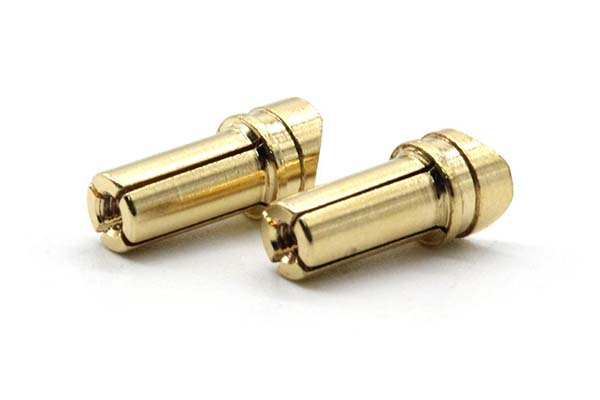
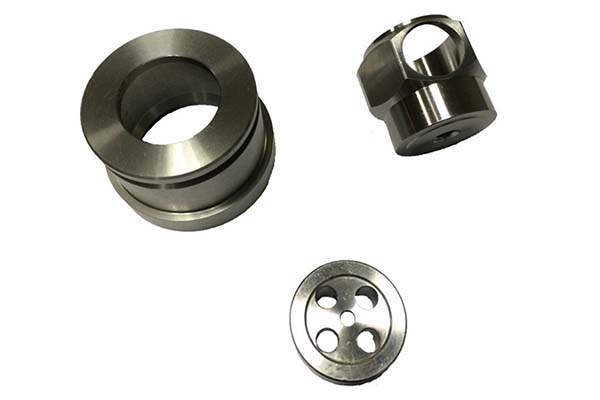
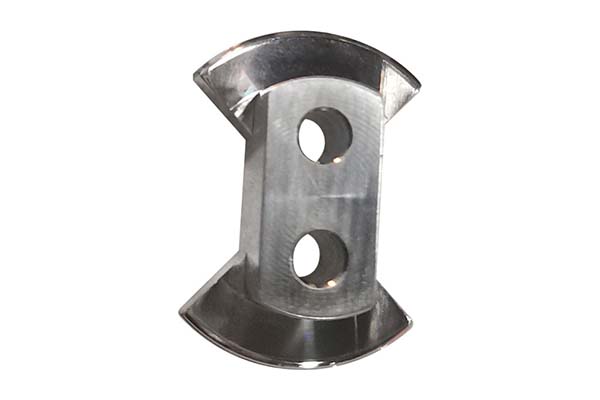
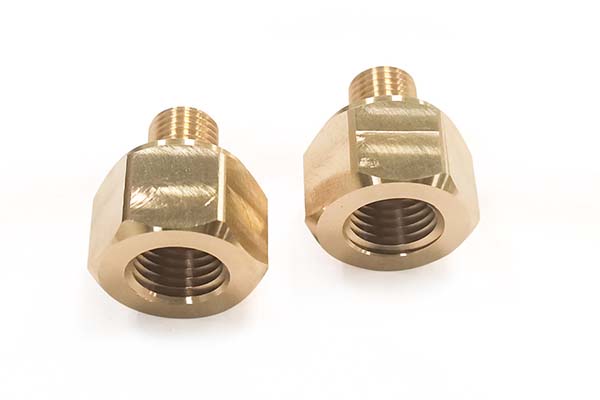
Milling parts are components manufactured using a milling machine, where a rotating cutting tool removes material from a solid workpiece. Unlike turning (where the workpiece rotates), in milling, the tool spins. This process is exceptionally versatile, capable of creating flat surfaces, slots, grooves, pockets, threads, and complex contours.
The defining feature of a milled part is its genesis from a subtractive process—think sculpting from a block of marble, but with digital precision. A CNC (Computer Numerical Control) milling machine follows a programmed toolpath to carve the final geometry from a larger blank, such as an aluminum block, steel billet, or plastic sheet. Resulting parts range from simple brackets to intricate aerospace components with tight tolerances.
What Materials Are Best Suited for Milling Parts?
Material choice impacts cost, strength, weight, corrosion resistance, and machinability.
Metals & Alloys
| Material | Key Properties | Typical Applications |
|---|---|---|
| Aluminum 6061, 7075 | Lightweight; good strength-to-weight; excellent machinability; corrosion resistant | Aerospace frames, automotive parts, electronic enclosures, robotics |
| Stainless steel (304, 316) | High strength; excellent corrosion/heat resistance; durable | Medical instruments, food processing equipment, marine hardware |
| Steel (mild, alloy) | High strength and toughness; cost-effective | Industrial machinery, automotive components, tooling fixtures |
| Titanium (Ti-6Al-4V) | Exceptional strength-to-weight; biocompatible; corrosion resistant | Aerospace fasteners, medical implants, high-performance automotive |
Plastics & Composites
| Material | Key Properties | Typical Applications |
|---|---|---|
| Delrin (POM) | High stiffness; low friction; excellent dimensional stability | Gears, bearings, insulators |
| Nylon (PA) | Good wear resistance; toughness; fatigue resistance | Bushings, spacers, wear pads |
| PTFE (Teflon) | Excellent chemical resistance; very low friction; high-temperature tolerance | Seals, gaskets, insulating parts |
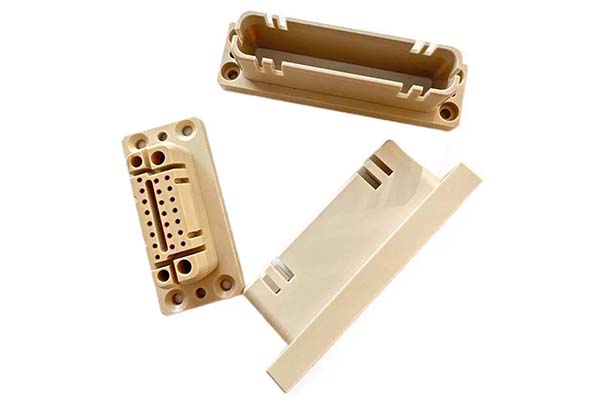
| PEEK | Extremely high strength and temperature resistance; biocompatible | Aerospace, medical, semiconductor components |
Expert Insight: For high-volume production, machinability is a critical economic factor. 6061 aluminum is generally easier and faster to machine than 7075, though 7075 is stronger. Balance material performance with manufacturability and total cost.
How Does the Milling Process Work?
Modern milling combines digital design with mechanical precision.
| Step | Description |
|---|---|
| Design & Programming | 3D CAD model created; CAM software defines toolpaths, selects cutting tools, spindle speeds, feed rates, depth of cuts; generates G-code |
| Setup | Material blank clamped securely; cutting tools loaded into automatic tool changer (ATC) |
| Machining Operations | CNC mill executes program—face milling (flat surfaces), peripheral milling (outer contours), pocketing (cavities), drilling/boring (holes), thread milling, finishing passes |
| Post-Processing | Deburring, anodizing, plating—as required |
Case in Point: Drone Central Frame
- Starts with solid block of aluminum 7075
- CNC mill faces all sides for flatness
- Machines lightening pockets to reduce weight while maintaining rigidity
- Drills mounting holes for motors and electronics with tight positional accuracy
- Creates cable routing channels
- Entire complex geometry produced in one setup—ensuring perfect alignment of all features
What Are the Key Applications of Milled Components?
Aerospace & Defense
| Components | Requirements |
|---|---|
| Turbine blades, structural airframe elements, landing gear parts, radar housings | Reliability; performance; titanium, high-strength aluminum—withstand extreme stresses and temperatures |
Automotive & Motorsports
| Components | Trends |
|---|---|
| Engine blocks, transmission housings, suspension brackets, lightweight chassis components | High-volume production; low-volume high-performance prototyping; EV battery enclosures, motor housings |
Medical Technology
| Components | Requirements |
|---|---|
| Surgical instruments, implants (knee joints, spinal cages), diagnostic equipment | Biocompatible materials (titanium, PEEK); exceptional surface finishes; sterile-cleanable geometries |
Industrial Machinery
| Components | Advantages |
|---|---|
| Gears, shafts, housings, custom jigs and fixtures | Robust; quick one-off replacement parts |
Electronics & Telecom
| Components | Purpose |
|---|---|
| Heat sinks for CPUs, waveguide components, server enclosures | Thermal management; protect sensitive electronics |
What Tolerances Can Be Achieved in Milling Parts?
| Tolerance Level | Typical Value | Applications |
|---|---|---|
| Standard | ±0.005 inches (±0.127 mm) | Commercial applications—cost-effective |
| Precision | ±0.001 inches (±0.0254 mm) to ±0.0005 inches (±0.0127 mm) | Critical features—modern CNC mills, skilled operators |
| High-precision / micromachining | ±0.0001 inches (±0.00254 mm) | Medical, optics—specialized machine tools |
Critical Factors Influencing Tolerance
| Factor | Impact |
|---|---|
| Machine tool calibration & rigidity | Worn or less rigid machines cannot hold tight tolerances |
| Tooling quality & wear | Sharp, high-quality tools essential |
| Material stability | Some materials warp or move during machining |
| Thermal management | Heat expands part and machine; temperature control crucial |
| Operator expertise | Experience in setup and toolpath optimization irreplaceable |
Data Point: NIST research shows effective thermal compensation in CNC machines improves dimensional accuracy by over 50% for tight-tolerance work.
How Do You Choose the Right Milling Parts Supplier?
| Factor | What to Evaluate |
|---|---|
| Technical capability & equipment | CNC machines (3-axis, 4-axis, 5-axis); measurement equipment (CMMs, optical comparators)—matches part complexity and tolerance requirements |
| Engineering support | Design for Manufacturability (DFM) feedback—optimize for cost-effective production without compromising function |
| Material & quality certifications | ISO 9001; for regulated industries—AS9100 (aerospace), ISO 13485 (medical) |
| Prototyping vs. production volume | Some shops excel at quick-turn prototypes; others optimized for high-volume production |
| Transparent communication & proven track record | Case studies, samples; clear timelines, costs, potential challenges |
Key Question: “Can you walk me through your process for ensuring tolerance stability on a high-volume run of parts requiring ±0.001” on critical bore diameters?”—reveals process control depth.
Conclusion
Milling parts are the physical manifestations of design intent—enabling innovation across every technical field. Understanding the process—from material science and machining principles to tolerance economics and supplier partnerships—empowers better decisions, whether designing groundbreaking products or sourcing critical components. By leveraging the versatility and precision of modern milling, complex ideas become reliable, high-performance reality.
FAQs
What is the difference between milling and turning?
Milling uses a rotating cutting tool against a stationary (or multi-axis moving) workpiece—creates flats, pockets, slots. Turning rotates the workpiece against a stationary cutting tool—primarily produces cylindrical or conical shapes like shafts and rings.
How do I reduce the cost of custom milling parts?
Key strategies: simplify design (reduce machining time); specify standard tool sizes; choose readily available, easily machinable materials; relax non-critical tolerances; consider manufacturability (deep pockets, thin walls) during design.
What are the main advantages of CNC milling over manual milling?
Superior repeatability, accuracy, and complexity handling. Once programmed, CNC machines produce identical parts indefinitely; execute complex 3D contours impossible manually; operate with minimal human intervention—increasing consistency and productivity.
What file formats are needed to get a quote for milling parts?
Suppliers typically require a 3D model in neutral format (STEP .stp/.step or IGES .igs) and a 2D drawing in PDF specifying critical dimensions, tolerances, materials, and surface finish requirements.
Can milling be used for both prototyping and full production?
Absolutely. CNC milling is ideal for both. Prototyping: rapid iteration with real materials. Production: scaled efficiently for low to medium volumes; or used to create molds for high-volume casting or injection molding.
Contact Yigu Technology for Custom Manufacturing
At Yigu Technology, we combine state-of-the-art CNC machining technology with deep engineering expertise to deliver precision milling parts. With 15 years of experience, advanced 3-axis, 4-axis, and 5-axis CNC machining, and ISO 9001 certification, we serve aerospace, medical, automotive, and industrial sectors.
Our capabilities include design for manufacturability (DFM) feedback, CMM inspection, and tight tolerance control (±0.001 inches). Contact us today to discuss your milling project.