Introduction
Innovation used to follow a slow, linear path. You had an idea, drew it on paper, built a costly mold, and then waited months to see if it worked. Today, prototype manufacturing has changed that entirely. It acts as the bridge between a concept and a market-ready product. By turning ideas into physical models quickly, it allows teams to test, fail, learn, and improve—all before committing to expensive production. This article explores how modern prototyping techniques are reshaping innovation across industries, supported by real examples and practical insights.
What Has Changed in Product Development?
The shift is dramatic. In the past, creating a single prototype could take months and cost tens of thousands of dollars. Now, companies can go from sketch to physical part in days. This speed changes how teams think about risk and creativity.
A 2023 industry report noted that companies using rapid prototyping reduced average development cycles by 30% to 50%. More importantly, they introduced 40% more product variations during the design phase. More iterations lead to better outcomes.
How Does Rapid Iteration Speed Up Innovation?
Speed matters because it lets you explore more ideas. Instead of committing to one path early, you can test multiple directions.
Digital Tools Shorten the Loop
3D printing is a key driver. A medical device startup needed to develop a handheld surgical tool. Using SLA (Stereolithography) technology, they cut their initial prototype lead time from eight weeks to just 48 hours. This allowed them to run five design cycles in the time they previously needed for one.
The result? A more ergonomic tool that passed surgeon feedback tests on the first functional trial.
CAD-Driven Precision Reduces Guesswork
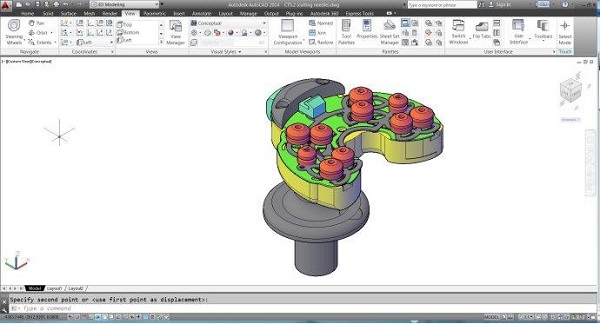
Software like SolidWorks and CATIA now includes simulation tools. Engineers can test stress points, heat distribution, and airflow before any physical part exists.
An automotive supplier used virtual testing to simulate crash performance on a new bracket design. They identified a weak point in the geometry and fixed it digitally. This eliminated two physical prototype rounds, saving $18,000 and six weeks of time.
How Does Prototyping Reduce Risk?
Every new product carries uncertainty. Will it perform as expected? Will users like it? Prototyping answers these questions early.
Fail Fast, Learn Faster
The concept of “failing fast” is central to modern innovation. A prototype lets you discover problems when they are cheap to fix.
A tech startup developing a wearable device sent their first prototype for EMI (electromagnetic interference) testing. The test revealed that the circuit layout caused interference with nearby medical equipment. Fixing this at the prototype stage cost $5,000. Discovering it after production would have cost over $2 million in recalls and repairs.
User Feedback Shapes Better Products
Prototypes also help you understand how real people interact with your product.
A power tool company created three grip variations using 3D-printed prototypes. They asked professional contractors to use each version for a full workday. Feedback showed that one design caused hand fatigue after four hours. The refined version improved user satisfaction scores by 25%. That insight came from a $300 prototype, not a full production run.
Can Prototyping Fit Within Tight Budgets?
Yes. The range of available techniques means you can match your approach to your budget and stage of development.
Choosing the Right Level of Fidelity
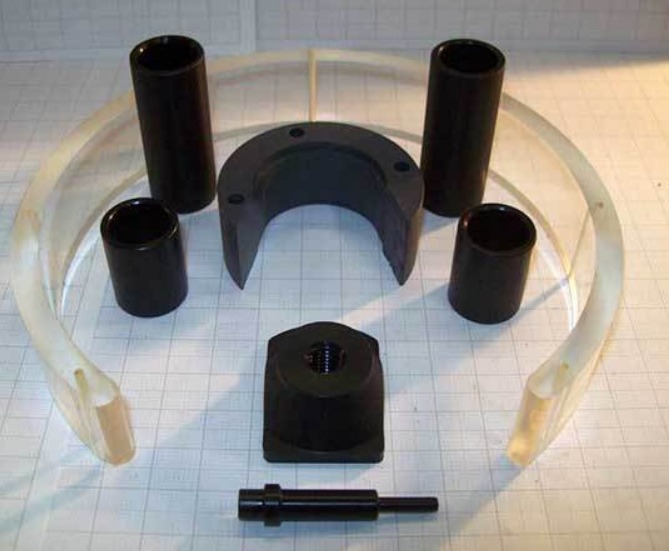
Not every prototype needs to be made from final materials. The table below shows common options and their trade-offs.
| Prototype Type | Material Cost | Lead Time | Best Use Case |
|---|---|---|---|
| 3D-Printed Plastic | $50 – $500 | 1 – 3 days | Form and fit testing, user feedback |
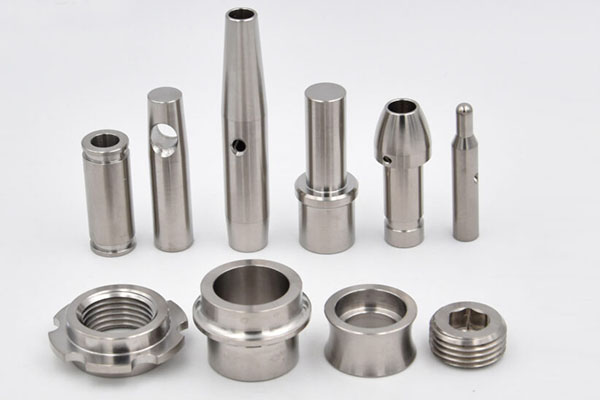
| CNC-Machined Metal | $500 – $5,000 | 5 – 10 days | Functional testing, tight tolerances |
| Vacuum Casting | $1,000 – $4,000 | 7 – 14 days | Small batches with production-like materials |
| Injection Molded Pilot | $10,000 – $50,000 | 2 – 4 weeks | Final validation before mass production |
A consumer electronics company used 3D-printed plastic prototypes early to test button placement and screen angle. Only after locking the design did they invest in CNC-machined metal prototypes for drop testing. This layered approach kept early costs low while still delivering reliable data later.
What Technologies Are Expanding Possibilities?
New tools are constantly pushing what prototypes can achieve. Two broad categories—additive and subtractive manufacturing—each offer unique strengths.
Additive Manufacturing: Building Complex Forms
3D printing has moved beyond simple plastic models. Modern systems can print multiple materials in a single part.
The Stratasys J750, for example, combines rigid, flexible, and transparent materials in one build. A medical device company used this to create a wearable health monitor prototype. The outer shell was printed in rigid ABS for protection. The skin-contact surface used flexible TPU for comfort. This single print replaced what would have been three separately molded parts.
Subtractive Manufacturing: Precision for Critical Parts
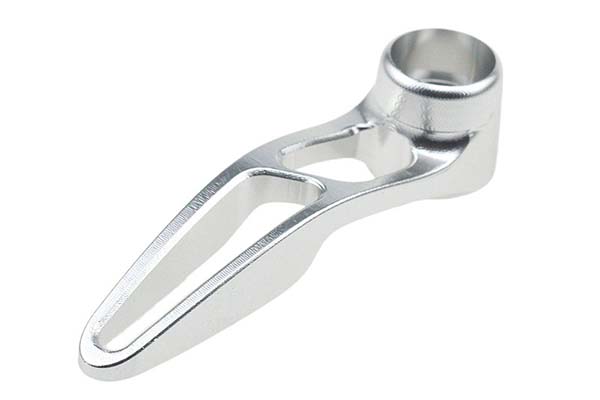
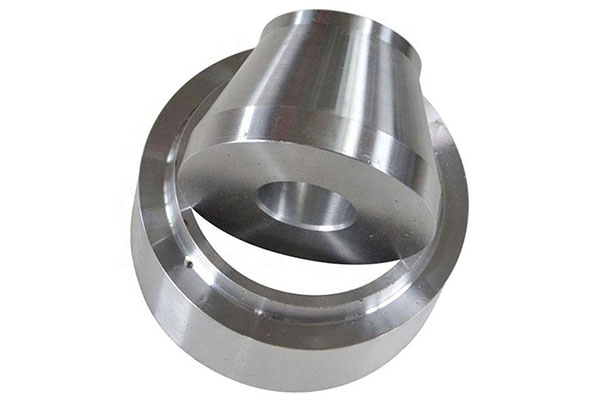
For applications demanding extreme accuracy, CNC machining remains essential.
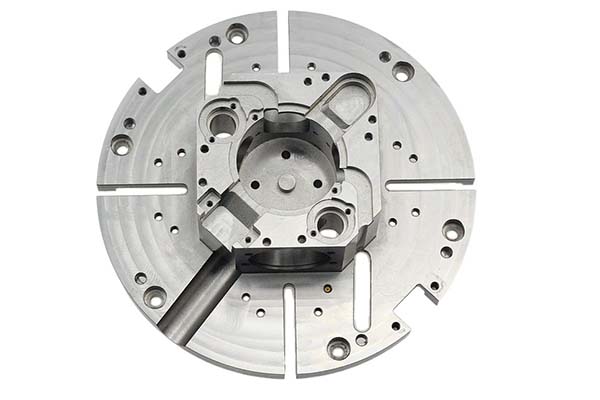
5-axis CNC machines can cut titanium aerospace components with tolerances of ±0.001mm. A defense contractor used this to produce missile guidance housing prototypes. A dimensional error of just 0.05mm could alter flight trajectory. The precision of 5-axis machining eliminated that risk.
EDM (Electrical Discharge Machining) handles materials too hard for traditional cutting. A heat exchanger prototype required 0.2mm-diameter holes with mirror-smooth surfaces. EDM delivered this with surface roughness below Ra 0.2μm, enabling precise microfluidic performance.
How Do New Materials Expand Design Options?
Materials themselves are evolving. New composites and sustainable options give designers more freedom.
Nanocomposites Boost Performance
Carbon nanotube-reinforced polymers offer 30% higher tensile strength than standard plastics. A drone manufacturer used this material for a prototype frame. The result was a frame that weighed less but withstood winds up to 150 km/h during testing. The improved strength-to-weight ratio extended flight time by 12%.
Biodegradable Materials Meet Sustainability Goals
A packaging startup developed a compostable clamshell using algae-based resin. The prototype passed FDA food-contact safety tests and decomposed 40% faster than PLA, a common biodegradable plastic. This allowed the company to pitch a sustainable alternative to major food brands with a working prototype in hand.
What Does This Mean for Your Projects?
The practical takeaway is this: prototype manufacturing is no longer a late-stage checkpoint. It is a tool you use throughout development.
Start early with low-cost methods to explore form and function. Move to higher-fidelity techniques as you lock in design decisions. Use each round of prototyping to learn something specific—whether that is user comfort, structural strength, or manufacturing feasibility.
Conclusion
Prototype manufacturing has fundamentally changed how innovation happens. It compresses timelines, lowers risk, and lets teams explore more ideas. Advanced technologies like multi-material 3D printing, precision CNC machining, and novel materials give designers capabilities that did not exist a decade ago.
The most successful product developers treat prototyping as a core part of their process, not a hurdle to clear. By matching the right technique to each stage of development, they move from concept to market faster and with greater confidence.
Frequently Asked Questions
What is the most cost-effective prototype manufacturing method for small-scale startups?
For early-stage startups, 3D-printed plastic prototypes offer the best balance of cost and speed. Prices typically range from $50 to $500 with lead times of 1 to 3 days, allowing multiple iterations without large investments.
How can additive manufacturing contribute to sustainable innovation?
Additive manufacturing reduces material waste by building parts layer by layer instead of cutting away excess. When paired with biodegradable materials like algae-based resins, it supports environmentally responsible product development.
Why is cross-disciplinary collaboration important in prototype manufacturing?
Effective prototyping brings together engineers, designers, and material scientists. Engineers ensure manufacturability, designers focus on user experience, and material experts suggest optimal options. This collaboration produces prototypes that are both functional and market-ready.
How many prototype iterations are typically needed before production?
Most products go through 3 to 5 prototype iterations. Early rounds test basic form and fit. Later rounds validate function, durability, and manufacturing processes. The exact number depends on product complexity and performance requirements.
Can prototypes be used for regulatory approval?
Yes, in many industries. Medical device prototypes made from production-intent materials can be used for biocompatibility testing and certain regulatory submissions. Always confirm requirements with your relevant regulatory body early in the process.
Contact Yigu Technology for Custom Manufacturing
Ready to bring your product idea to life? Yigu Technology provides comprehensive prototype manufacturing services for plastic and metal parts. From quick-turn 3D-printed models to precision CNC-machined components, our team helps you move from concept to validation efficiently. Contact us today to discuss your project requirements.