Introduction
Manufacturing is changing right before our eyes. For decades, we made things by cutting away material (subtractive manufacturing) or by shaping it with molds (formative processes). Both methods work, but they waste a lot. Think of machining a metal part: you start with a big block and cut until only 10-30% remains. The rest becomes scrap.
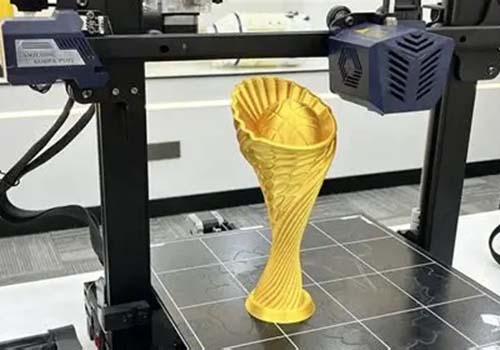
Now, additively manufactured materials (AMMs) are flipping this model upside down. Instead of removing material, we build objects layer by layer from a digital file. This is 3D printing at an industrial scale. And it's not just about saving material. It's about making things we simply couldn't make before.
The global market for these materials is growing fast. Why? Three big reasons:
- Customization is everywhere - from medical implants made for one specific patient to custom car parts
- New materials keep appearing - better metals, stronger polymers, smarter composites
- Costs are dropping - small and medium companies can now afford the equipment
But here's the real question: Are these materials actually better than what we've used for centuries? Let's dig in.
What Exactly Are Additively Manufactured Materials?
Metals and Alloys: Built for Tough Jobs
When you need strength that won't quit, metals are still your best bet. But additively manufactured metals bring something new to the table.
Titanium aluminide (TiAl) is a perfect example. This material loves heat. It can handle temperatures up to 750°C while staying light and strong. Aircraft engine makers use it for turbine blades because it survives the extreme conditions inside a jet engine.
Then there's Inconel 718. This nickel-based alloy is a workhorse. It keeps its strength even at 650°C. The oil and gas industry loves it. So does aerospace. Here's what's interesting: research shows that 3D-printed Inconel 718 parts can match - and sometimes beat - the fatigue life of forged parts. That's huge because forging has been the gold standard for metal parts forever.
Polymers: Light and Flexible
Polymers aren't just for cheap plastic toys anymore. Modern engineering polymers are serious materials.
PEEK (polyetheretherketone) is biocompatible, which means it can go inside the human body without causing problems. Medical device companies use it for spinal implants and bone plates. It's strong, heat-resistant, and doesn't react with body chemistry.
PA12 (polyamide 12) shows up everywhere in cars. It's tough, holds its shape, and resists chemicals. Auto makers use it for air ducts and interior trim. One study found that switching from metal to 3D-printed PA12 parts cut weight by 30-40%. That's real fuel savings.
Composites: Best of Both Worlds
Sometimes one material isn't enough. That's where composites shine.
Carbon-fiber reinforced polymers (CFRP) combine carbon fibers (strong and stiff) with a polymer matrix (holds everything together). The result is incredibly light and incredibly strong.
Modern commercial aircraft now use up to 50% CFRP in their structure. Wings, fuselage sections, even engine parts. Every pound saved means less fuel burned and longer range. Car makers use it too - body panels, chassis parts, suspension components. Sports equipment? Absolutely. Bicycle frames and golf clubs are often made from CFRP now.
How Do AMMs Compare to Traditional Materials?
Let's put them side by side and see where each wins.
Is Material Waste Really That Different?
Yes. Dramatically different.
Traditional manufacturing (subtractive) wastes a staggering amount. When you machine a complex metal part from a solid block, you might throw away 30-70% of the material. That's expensive, especially with costly metals like titanium.
Additive manufacturing flips the math. You build only what you need. Material waste typically stays under 10%. The Oak Ridge National Lab studied this and found that 3D-printing a titanium component cut waste by over 80% compared to machining it. Less waste means lower material costs and less energy used to make that material in the first place.
Can You Make Complex Shapes?
This is where additive manufacturing truly shines.
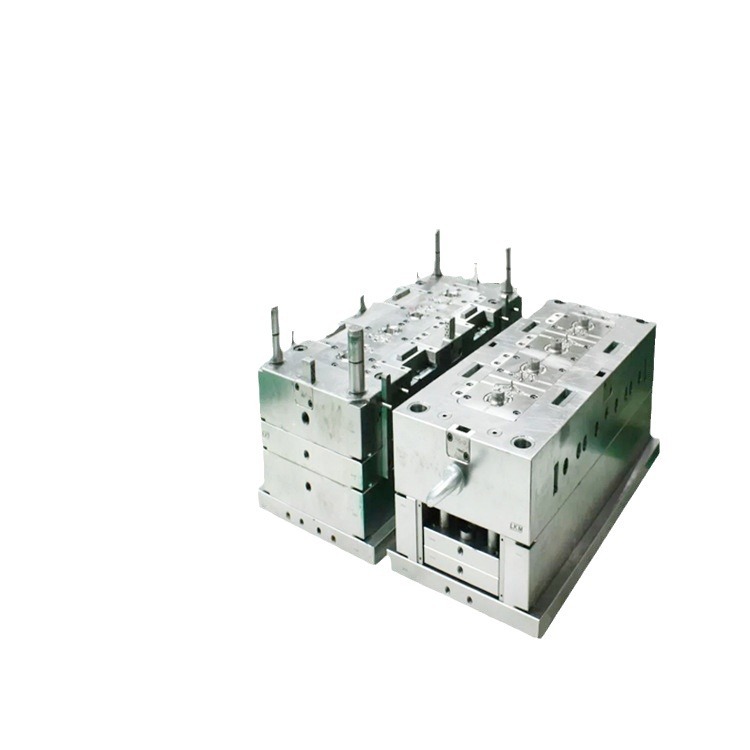
Traditional methods hit walls quickly. Want internal cooling channels inside a turbine blade? Good luck with casting. Injection molding? The mold design limits what you can create. Complex internal structures are either impossible or prohibitively expensive.
AMMs have no such limits. The only constraint is your digital model. You want lattice structures inside a part to make it light but strong? Done. Need internal channels for fluid flow? Easy. Aerospace engineers now design turbine blades with intricate cooling passages that would be impossible to make any other way. Those channels keep blades cooler and last longer.
What About Strength?
This one depends on the specific materials.
Take aluminum. Cast aluminum (traditional) typically shows tensile strength of 450-800 MPa.
Now look at titanium aluminide made additively. It reaches 600-1,200 MPa. That's a significant jump. For applications where every bit of strength matters - like engine components - this difference is critical.
But here's the catch: the printing process matters. Print parameters, post-processing, tiny defects - all affect final strength. Good process control is essential.
How Fast Can You Get a Prototype?
Speed matters when you're developing new products.
Traditional prototyping is slow. You need molds or special tooling. For complex parts, expect 5-10 days minimum. Sometimes much longer.
Additive prototyping is dramatically faster. Got a digital model? Send it to the printer. Small prototypes often take 1-3 days. This speed changes everything. Companies can test ideas, get feedback, and iterate quickly. A startup can go through five design cycles in the time traditional methods would take for one.
Here's the quick comparison:
| Parameter | Additively Manufactured Materials | Traditional Materials |
|---|---|---|
| Material Waste | <10% | 30-70% |
| Design Complexity | Internal channels/lattices possible | Limited by tooling |
| Tensile Strength (MPa) | 600-1,200 (TiAl) | 450-800 (Cast Aluminum) |
| Lead Time (Prototyping) | 1-3 days | 5-10 days |
What's Holding AMMs Back?
Let's be honest. Additive manufacturing isn't perfect. There are real challenges.
Surface finish often isn't as smooth as machined parts. Sometimes you need post-processing.
Build size is limited by printer size. You can't print a full airplane wing… yet.
Speed for large volumes still favors traditional methods. If you need a million identical parts, injection molding is faster.
Workforce skills are a real bottleneck. Someone has to design those complex digital models and run the printers. Industry initiatives aim to certify 100,000 technicians by 2026, but we're not there yet.
FAQ
Q: Can additively manufactured materials meet high-precision industry standards like those in aerospace and automotive sectors?
A: Yes. Materials like TiAl and Inconel 718 meet ISO 2768 standards for aerospace and automotive use. Testing shows they perform reliably in demanding applications.
Q: Are additively manufactured materials cost-effective compared to traditional materials?
A: It depends on volume. For prototyping and low-volume production, AMMs can cut costs by 70%. For mass production, traditional methods usually win on cost per part. The upfront equipment investment is higher with additive.
Q: What are the main challenges in the widespread adoption of additively manufactured materials?
A: Workforce training is the biggest hurdle. We need more people who understand design for additive manufacturing and printer operation. Surface finish and build size limitations also matter for some applications.
Q: How strong are 3D-printed metal parts compared to forged ones?
A: Research shows additively manufactured Inconel 718 can match or exceed the fatigue life of forged parts. Results depend on print quality and process control.
Q: Can you use multiple materials in one print?
A: Yes, some advanced printers can work with multiple materials in a single build. This opens up possibilities for functionally graded parts with different properties in different areas.
Contact Yigu technology for custom manufacturing
Yigu technology brings together deep material science expertise and practical manufacturing experience. Whether you need prototypes in days or production parts that meet strict industry standards, we can help. Our team works with metals, polymers, and composites across aerospace, automotive, and medical applications. Tell us what you're trying to build - we'll help you choose the right material and process. [Contact Yigu technology] to discuss your project.