Introduction
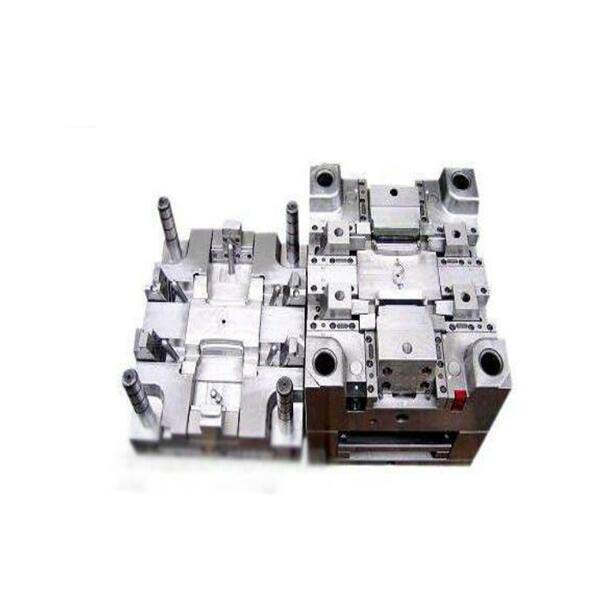
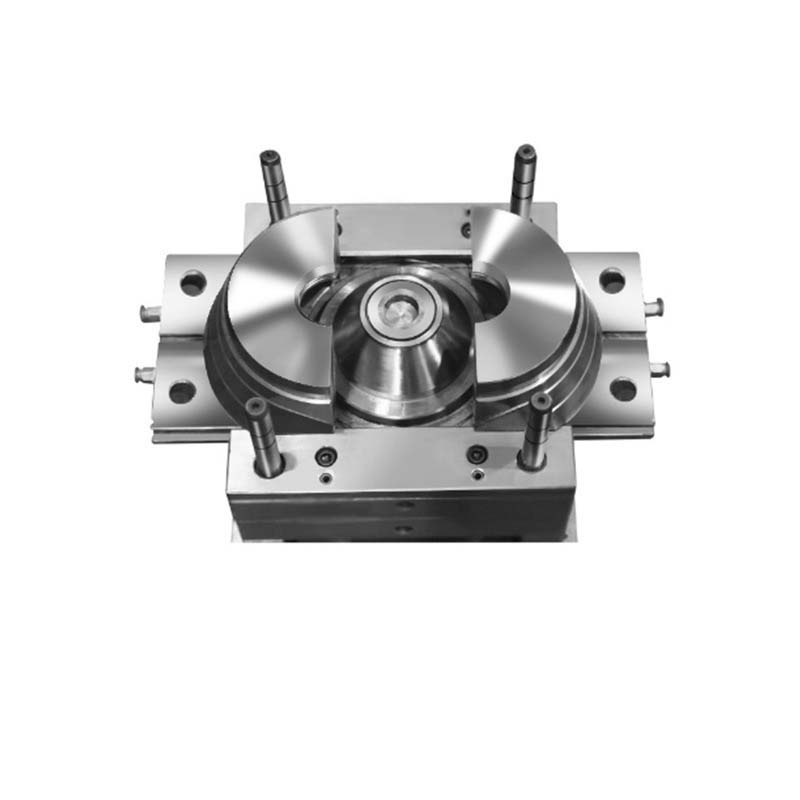
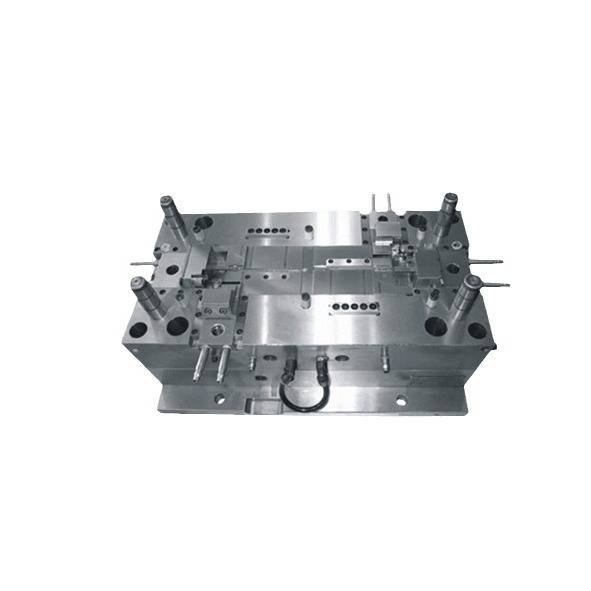
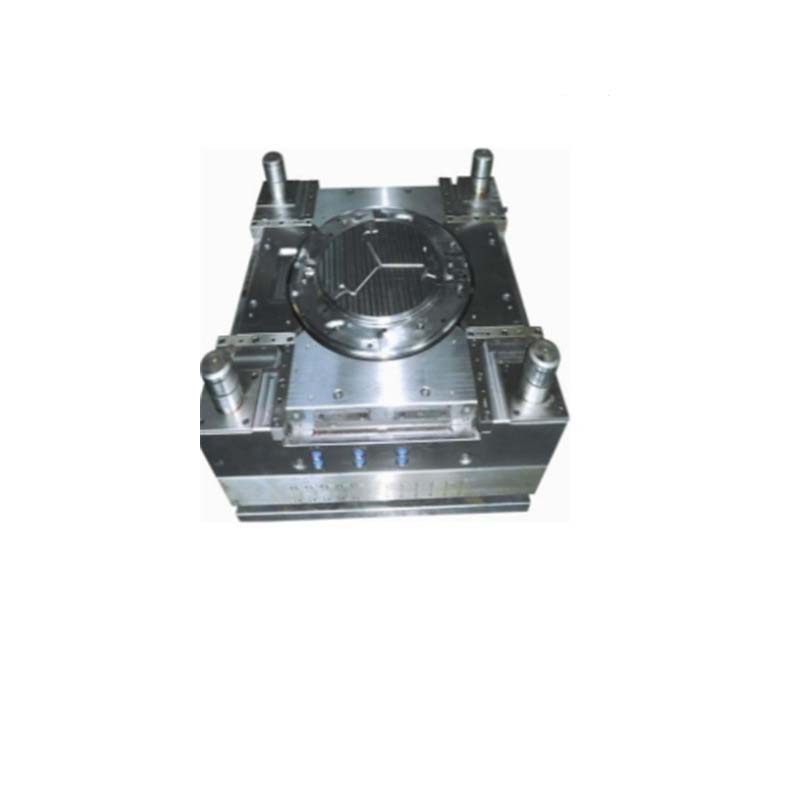
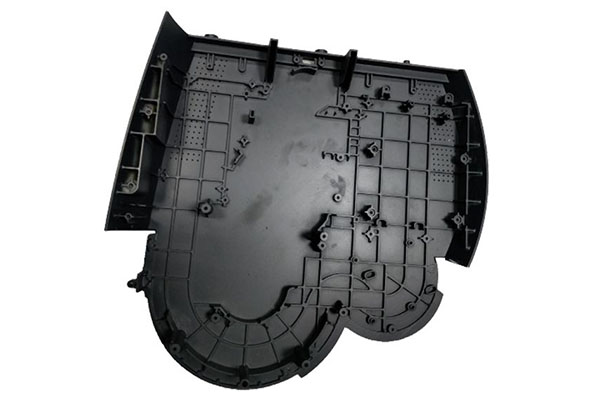
Injection molded plastics are everywhere. They shape the smartphones in our pockets, the dashboards in our cars, and the medical devices that save lives. This manufacturing process melts plastic pellets and injects them into a mold cavity under high pressure. Once cooled, the plastic solidifies into its final shape.
Common plastics used include polyethylene (PE) , polypropylene (PP) , ABS, and polycarbonate (PC) . Each offers a unique set of properties. Understanding these properties is essential for selecting the right material for your application.
This guide provides a comprehensive analysis of the key properties of injection molded plastics. You will learn about mechanical, thermal, chemical, and other critical characteristics that determine how a material performs in real-world applications.
What Are the Mechanical Properties?
Mechanical properties determine how a plastic responds to forces, loads, and impacts. These properties are often the first consideration in material selection.
Strength and Toughness
Tensile strength measures the maximum stress a material can withstand while being pulled before breaking. Values vary widely by material and reinforcement.
| Material | Tensile Strength (MPa) |
|---|---|
| Unfilled PP | 21–39 |
| PP with 30% long glass fiber | Up to 110 |
| ABS | 35–62 |
Case example: In automotive manufacturing, PP-based materials with high tensile strength are used for car bumpers. This ensures the bumper withstands impacts from normal driving and minor collisions without breaking.
Impact resistance measures a material’s ability to absorb energy under sudden loads. High-impact polystyrene (HIPS) offers impact strength of 15–25 J/m (notched Izod). Polycarbonate (PC) delivers much higher performance at 650–900 J/m.
Safety helmets often use PC for this reason. The material absorbs impact energy, reducing force transmitted to the head. Laptop casings also rely on impact-resistant plastics to protect internal components from drops and bumps.
Flexibility and Rigidity
Flexural modulus measures stiffness or resistance to bending. Higher values indicate greater rigidity.
| Material | Flexural Modulus (MPa) |
|---|---|
| LDPE | 100–300 |
| Glass-fiber reinforced nylon 66 | 6,000–10,000 |
LDPE’s low flexural modulus makes it flexible—useful for applications requiring bending. Glass-fiber reinforced nylon is rigid, maintaining shape under load. Plastic pipes, for example, use rigid materials to withstand soil pressure when buried. Flexible pipes suit plumbing systems that need to bend around corners.
Poisson’s ratio measures the ratio of transverse contraction to longitudinal extension when stretched. For most plastics, this ranges from 0.3 to 0.4. In thin-walled containers, Poisson’s ratio helps predict how the part will deform during filling and handling.
What Are the Thermal Properties?
Thermal properties determine how a plastic behaves under heat. These properties affect both processing and end-use performance.
Heat Resistance
Glass transition temperature (Tg) is the point where a plastic transitions from a hard, glassy state to a softer, rubbery state.
| Material | Tg (°C) |
|---|---|
| PC | 145–150 |
| PS | 80–100 |
Below Tg, PC is rigid and dimensionally stable—ideal for smartphone cases. Above Tg, it softens and loses strength. Polystyrene’s lower Tg makes it suitable for disposable cutlery and packaging that does not face high temperatures.
Melting temperature (Tm) is the point where a crystalline plastic transforms from solid to liquid. HDPE melts at 125–135°C; LDPE at 105–115°C. During injection molding, the plastic must reach Tm to flow properly. In use, products exposed to temperatures near Tm will deform or melt.
Thermal Expansion
Coefficient of thermal expansion (CTE) measures how much a material expands or contracts with temperature changes.
| Material | CTE (×10⁻⁶/°C) |
|---|---|
| Unfilled PP | 60–100 |
| Unfilled nylon | 80–100 |
| Glass-fiber reinforced nylon | 20–40 |
In precision applications like printed circuit boards, mismatched CTE between plastic components and copper traces creates stress during thermal cycling. Over time, this leads to cracking or delamination. Matching CTE values improves long-term reliability.
What Are the Chemical Properties?
Chemical properties determine how a plastic resists degradation from exposure to acids, bases, solvents, and environmental factors.
Chemical Resistance
Resistance to acids and bases varies significantly by material.
| Plastic | Dilute Acids | Dilute Bases | Concentrated Acids | Concentrated Bases |
|---|---|---|---|---|
| PE | Good | Good | Fair | Good |
| PP | Good | Good | Fair | Good |
| ABS | Fair | Fair | Poor | Poor |
| PC | Fair | Poor | Poor | Poor |
PP chemical storage tanks are common in industrial applications because they withstand dilute acids and bases. ABS, however, degrades when exposed to concentrated sulfuric acid or strong alkaline solutions.
Solvent resistance also varies. PE and PP resist hydrocarbons like gasoline and diesel, making them suitable for automotive fuel tanks. PS dissolves in benzene and toluene—unsuitable for such storage.
| Plastic | Hydrocarbons | Alcohols | Ketones | Aromatic Solvents |
|---|---|---|---|---|
| PE | Good | Good | Fair | Good |
| PP | Good | Good | Fair | Good |
| PS | Poor | Fair | Poor | Poor |
Aging Resistance
UV resistance matters for outdoor applications. PC has relatively good UV resistance, maintaining properties under sunlight. PP is more vulnerable to UV degradation without additives. UV stabilizers absorb or dissipate UV radiation, preventing photo-oxidation that causes discoloration, cracking, and strength loss.
Oxidation resistance prevents degradation from oxygen exposure. Fluoropolymers like PTFE have excellent oxidation resistance due to strong carbon-fluorine bonds. PE can oxidize at high temperatures, forming free radicals that lead to chain scission and weakening. Antioxidants are added to extend service life—common in PE water supply pipes.
What Other Key Properties Matter?
Dimensional Stability
Dimensional stability refers to a plastic’s ability to maintain its shape and dimensions over time under varying conditions. Precision parts like gears and electronic housings demand tight tolerances. PEEK offers excellent dimensional stability even at high temperatures and in chemically aggressive environments. Poor dimensional stability leads to misalignment, noise, and reduced efficiency.
Surface Finish
Surface finish affects both aesthetics and function. It ranges from rough textured surfaces to smooth glossy finishes.
| Finish Type | Roughness (Ra) | Typical Applications |
|---|---|---|
| Ultra-smooth | <0.1 μm | High-end electronics, optical lenses |
| Smooth | 0.1–0.5 μm | Consumer products, food packaging |
| Semi-smooth | 0.5–1.5 μm | Automotive interiors, furniture |
| Textured | Varies | Tool handles, non-slip surfaces |
A smooth finish on a smartphone case provides a premium look and feel. Textured handles improve grip on tools.
Cost-Effectiveness
Injection molded plastics offer significant cost advantages.
Raw material costs are lower than many metals. PE pellets cost substantially less per ton than aluminum or steel. Many plastics can also be recycled, further reducing long-term material costs.
Production efficiency is high. Injection molding cycles can be seconds for small parts. Bottle cap production, for example, yields hundreds of caps per minute. Automation reduces labor costs and human error.
The combination of low material costs and high production efficiency makes injection molded plastics a cost-effective choice across industries.
Yigu Technology’s Perspective
As a custom supplier of non-standard plastic and metal products, we rely on a deep understanding of material properties to serve our clients.
Mechanical and thermal properties guide material selection for demanding applications. For high-strength, dimensionally stable parts, we turn to engineering plastics like PEEK or glass-fiber reinforced materials. These ensure long-term performance in harsh environments.
Chemical resistance determines suitability for storage and handling applications. For chemical storage, we select PP for its resistance to acids and bases. For fuel system components, we choose PE for its hydrocarbon resistance.
Cost-effectiveness remains a priority. We balance material performance with production efficiency to deliver value without compromising quality.
Conclusion
Injection molded plastics offer a wide range of properties that make them suitable for countless applications. Mechanical properties like tensile strength, impact resistance, and flexural modulus determine how a part handles loads and impacts. Thermal properties like Tg, Tm, and CTE affect performance under temperature changes. Chemical properties—resistance to acids, bases, solvents, UV, and oxidation—determine durability in specific environments. Dimensional stability and surface finish contribute to precision and aesthetics.
Understanding these properties is essential for selecting the right material. When matched correctly to the application, injection molded plastics deliver reliable performance, long service life, and excellent cost-effectiveness.
FAQ
What is the difference between tensile strength and impact resistance?
Tensile strength measures a material’s ability to resist being pulled apart under steady force. Impact resistance measures its ability to absorb energy under sudden, dynamic loads. A material can have high tensile strength but low impact resistance—meaning it may snap rather than absorb a sharp blow.
How does glass fiber reinforcement affect plastic properties?
Glass fiber reinforcement significantly increases tensile strength, flexural modulus (stiffness), and heat resistance. It also reduces the coefficient of thermal expansion. However, it can decrease impact resistance and make the material more brittle.
Why is the coefficient of thermal expansion important in electronic applications?
In electronics, plastic components are often assembled with materials like copper traces on circuit boards. If the CTE of the plastic differs significantly from copper, temperature changes create stress at the interface. Over time, this can cause cracking, delamination, or connection failures.
Contact Yigu Technology for Custom Manufacturing
Looking for injection molded plastic parts with the right properties for your application? Yigu Technology specializes in custom non-standard plastic and metal products. Our team combines material expertise with precision manufacturing to deliver parts that perform.
Reach out today to discuss your next project. Let us help you select the right material for the job.