Introduction
Bakelite holds a special place in materials history. As the first fully synthetic plastic—developed by Leo Baekeland in 1907—it launched the modern plastics era. Today, bakelite remains valued for its heat resistance, electrical insulation, and mechanical strength. But two lesser-known variants—transparent and translucent bakelite—add another dimension: optical clarity. These materials allow designers and engineers to combine bakelite's durability with light transmission properties. This guide explains what sets them apart, how they compare, and how to choose the right one for your application.
What Are Transparent and Translucent Bakelite?
Defining Optical Clarity
Transparent bakelite allows light to pass through with minimal scattering. Objects behind it appear clear and sharp—similar to looking through high-quality glass. This clarity requires precise manufacturing control and specific additives.
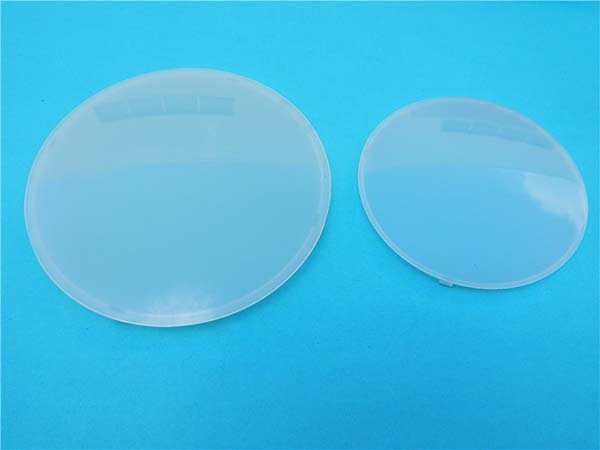
Translucent bakelite also permits light to pass through, but it diffuses the light. Objects behind it appear blurred or hazy, like looking through frosted glass. This creates a soft, gentle glow rather than a clear view.
Both variants retain bakelite's core properties:
- High-temperature resistance
- Excellent electrical insulation
- Good mechanical strength
A Quick Comparison
| Property | Transparent Bakelite | Translucent Bakelite |
|---|---|---|
| Light Transmission | >80% | 20–60% |
| Visual Effect | Clear, sharp view | Soft, diffused glow |
| Light Scattering | Minimal | High |
| Typical Use | Optical components, display covers | Lighting fixtures, privacy panels |
How Do Their Properties Compare?
Optical Properties
Transparency Level
Transparent bakelite achieves light transmittance exceeding 80% in the visible spectrum. This makes it suitable for applications where clear visual transmission is essential—such as viewfinders, display covers, and protective windows for instruments.
Translucent bakelite transmits 20–60% of light. The exact percentage depends on the formulation and manufacturing process. What it loses in clarity, it gains in light diffusion.
Light Diffusion
When light hits transparent bakelite, it travels in a relatively straight path. Refraction occurs at the material boundaries, but internal scattering is minimal. This allows clear image formation through the material.
Translucent bakelite contains microscopic particles or structural irregularities that scatter light rays. As light passes through, it changes direction multiple times. The result is a soft, even glow. In lamp shades or light diffusers, this eliminates harsh glare and creates a comfortable ambient light.
Mechanical Properties
Strength and Durability
Standard bakelite (both transparent and translucent) has a tensile strength of 30–50 MPa. High-performance formulations can reach up to 70 MPa.
A study testing bakelite in automotive interior components subjected samples to 100,000 stress cycles. Both variants maintained structural integrity. However, transparent bakelite showed slightly better resistance to crack propagation under high stress due to its more uniform internal structure.
Translucent bakelite, with its light-diffusing additives, may have more complex internal structures. This can create potential stress concentration points, though for most applications the difference is negligible.
Flexibility and Brittleness
Bakelite is known for being brittle compared to many other plastics.
- Transparent bakelite: Elongation at break typically 1–3%. Thin sheets can crack if bent beyond this limit.
- Translucent bakelite: Some formulations achieve elongation at break up to 5%, offering slightly more flexibility.
For applications requiring any degree of bending, translucent bakelite may be the safer choice. However, both remain far less flexible than elastomers like rubber.
Chemical Properties
Chemical Resistance
Both variants show good resistance to common acids and alkalis.
| Chemical | Transparent Bakelite | Translucent Bakelite |
|---|---|---|
| Hydrochloric Acid (10%) | High | High |
| Sulfuric Acid (10%) | High | High |
| Sodium Hydroxide (10%) | High | High |
| Acetone | Low (swelling) | Low (swelling) |
In laboratory tests, samples immersed in 10% hydrochloric acid for 24 hours showed no significant change in mass or appearance. This chemical resistance makes bakelite suitable for chemical processing equipment and storage tank linings.
Organic solvents like acetone are problematic. Exposure to acetone vapor for one week caused surface degradation in both transparent and translucent samples.
Environmental Durability
Bakelite generally resists moisture well but can degrade under:
- Prolonged UV exposure — may cause yellowing and surface deterioration
- Extreme heat — sustained temperatures above 150–200°C can cause decomposition
- High humidity combined with heat — may accelerate aging
Where Are These Materials Used?
Transparent Bakelite Applications
Transparent bakelite excels where clarity and durability intersect.
| Application | Why It Works |
|---|---|
| Optical instrument components | Clear view without distortion; protects delicate elements |
| Display covers | Scratch-resistant protection with full visibility |
| Precision tool housings | Allows visual inspection of internal mechanisms |
| High-end consumer electronics | Sleek, modern aesthetic with protective properties |
Translucent Bakelite Applications
Translucent bakelite shines where light diffusion and aesthetic warmth matter.
| Application | Why It Works |
|---|---|
| Lighting fixtures | Creates soft, even illumination; reduces glare |
| Privacy panels | Allows light transmission while obscuring view |
| Decorative elements | Warm, inviting appearance; unique hazy aesthetic |
| Lamp shades | Diffuses harsh bulb light for comfortable ambiance |
Real-World Example
A furniture manufacturer wanted to create a line of modern desk lamps with a warm, inviting glow. They chose translucent bakelite for the lamp shades. The material diffused LED light evenly across the workspace, eliminating harsh shadows. Users reported the lamps created a more comfortable working environment compared to clear glass shades. The bakelite also withstood the heat from the bulbs without degradation—something that had caused issues with previous plastic materials.
How Do You Choose the Right Material?
Function Requirements First
Start with what the product must do.
Choose transparent bakelite when:
- Clear visibility through the material is essential
- Images or text must be readable through the component
- Optical precision matters (viewfinders, instrument windows)
- A sleek, high-tech appearance is desired
Choose translucent bakelite when:
- Soft, diffused light is the goal
- Some privacy or visual obscurity is beneficial
- Glare reduction is important
- A warm, cozy aesthetic is preferred
Aesthetic Considerations
The visual character of each material communicates differently.
Transparent bakelite conveys:
- Modernity
- Precision
- Cleanliness
- High technology
Translucent bakelite conveys:
- Warmth
- Comfort
- Softness
- Organic, natural feel
In home decor, translucent bakelite creates inviting spaces. In consumer electronics, transparent bakelite signals premium quality and sophisticated design.
What About Cost?
Material Cost Differences
Transparent bakelite typically costs 10–15% more than translucent bakelite. The higher cost stems from:
- Tighter manufacturing controls to achieve clarity
- Higher-quality raw material requirements
- More precise processing conditions
Cost-Benefit Analysis
For a production run of 100,000 units, the difference matters:
| Material | Cost Per Unit | Total Cost |
|---|---|---|
| Translucent Bakelite | $5.00 | $500,000 |
| Transparent Bakelite | $5.75 | $575,000 |
| Difference | $0.75 | $75,000 |
Consider whether the optical benefits of transparency justify the added cost. In some applications—premium products where aesthetics drive sales—the answer is yes. In cost-sensitive applications where clarity is not critical, translucent bakelite may be the smarter choice.
Lifecycle Cost Considerations
Also factor in:
- Durability: Both variants offer similar mechanical longevity
- Maintenance: Neither requires special care beyond standard cleaning
- Replacement frequency: Properly selected materials last for decades
Yigu Technology's Perspective
At Yigu Technology, we work with clients to match material properties to application requirements. Transparent and translucent bakelite represent specialized options within the broader bakelite family—each with distinct advantages.
We recently assisted a medical device manufacturer needing a protective cover for a diagnostic instrument. The cover required:
- Clear visibility of the display
- Chemical resistance for frequent cleaning
- Impact resistance for portable use
We recommended transparent bakelite with a UV-stabilizing additive. The material provided the required clarity, withstood repeated cleaning with isopropyl alcohol, and protected the instrument during transport. The client avoided the scratching and yellowing issues they had experienced with polycarbonate alternatives.
For a lighting designer creating high-end residential fixtures, we supplied translucent bakelite lamp shades in custom dimensions. The material's light diffusion properties created the warm, even illumination the designer wanted—something clear glass or polycarbonate could not achieve.
Conclusion
Transparent and translucent bakelite offer unique combinations of optical properties and bakelite's inherent durability. Transparent variants provide high light transmission and clarity for precision applications. Translucent variants diffuse light to create soft illumination and privacy. Both maintain bakelite's heat resistance, electrical insulation, and mechanical strength. When choosing between them, prioritize function requirements first—clarity versus diffusion—then consider aesthetic goals and cost implications. With proper selection, these materials deliver reliable performance across optical, lighting, and protective applications.
FAQ About Transparent and Translucent Bakelite
What is the main difference between transparent and translucent bakelite?
Transparent bakelite allows clear visibility through the material with light transmission above 80%. Translucent bakelite diffuses light, creating a hazy appearance with 20–60% light transmission. Objects behind transparent bakelite appear sharp; behind translucent bakelite they appear blurred.
Are transparent and translucent bakelite equally strong?
Generally yes, though transparent bakelite often shows slightly better resistance to crack propagation due to its more uniform internal structure. Translucent bakelite may offer marginally better flexibility (elongation at break up to 5% compared to 1–3% for transparent).
How do I choose between transparent and translucent bakelite?
Start with function. If clear visibility is essential—optical instruments, display covers—choose transparent. If soft light diffusion or privacy is needed—lighting fixtures, privacy panels—choose translucent. Then consider aesthetic preferences and cost differences.
Is bakelite resistant to chemicals?
Both variants resist common acids and alkalis well. They show no significant degradation in 10% hydrochloric acid or sodium hydroxide. However, organic solvents like acetone cause swelling and surface degradation. UV exposure can also cause yellowing over time.
Contact Yigu Technology for Custom Manufacturing
Need transparent or translucent bakelite components tailored to your application? Yigu Technology specializes in custom manufacturing of engineered plastics. We help you select the right material, optimize designs for manufacturability, and produce components that meet your performance requirements. Contact us today to discuss your project.