Introduction
Bakelite plates have been around for over a century, yet they remain relevant across industries ranging from electrical manufacturing to vintage restoration. As the world’s first fully synthetic plastic, Bakelite—invented by Leo Baekeland in 1907—changed materials science forever. Today, these plates serve critical roles in electrical insulation, mechanical components, and even decorative applications. But with modern alternatives available, why should you care about Bakelite? Understanding what Bakelite plates actually are, how they perform, and where they excel helps you make better material decisions—whether you’re an engineer specifying components, a manufacturer sourcing materials, or a hobbyist restoring vintage equipment.
What Defines a Bakelite Plate?
A Bakelite plate is a flat sheet made from phenol-formaldehyde resin, a thermosetting plastic. Unlike thermoplastics that soften when heated, thermosets undergo a permanent chemical change during curing. Once formed, they cannot be remelted or reshaped—a characteristic that gives Bakelite its exceptional heat resistance and dimensional stability.
Key Characteristics
| Property | Typical Range | Significance |
|---|---|---|
| Color | Black, dark brown, reddish-brown | Distinctive appearance, historically authentic |
| Hardness (Shore D) | 85–90 | Resists scratching and wear |
| Density | 1.3–1.45 g/cm³ | Substantial feel, durable construction |
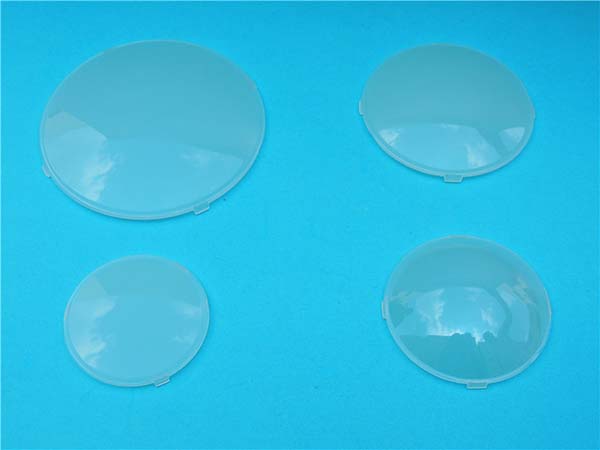
| Transparency | Opaque | Not suitable for see-through applications |
| Flexibility | Rigid | Maintains shape under load |
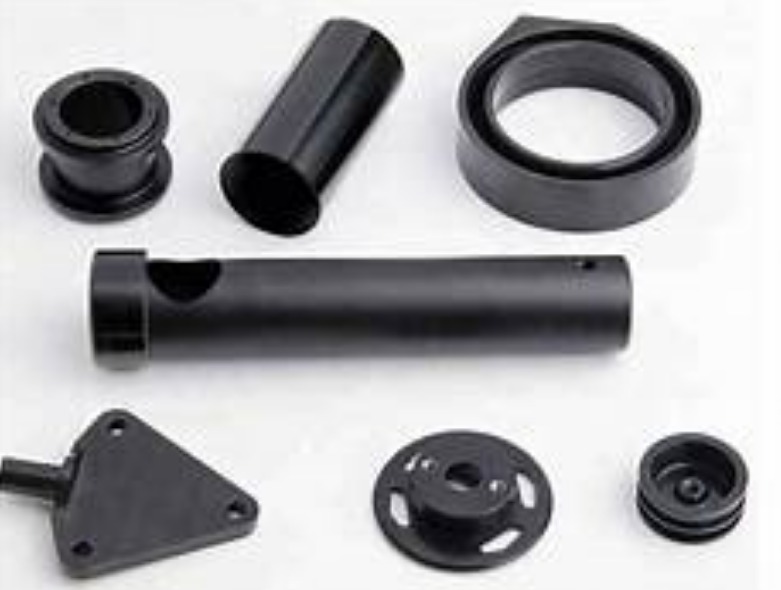
Bakelite plates are smooth, hard, and have a characteristic semi-gloss to high-gloss finish. The deep, rich color comes from the phenol-formaldehyde chemistry and manufacturing process.
How Do Bakelite Plates Compare to Other Materials?
Understanding the differences between Bakelite and common alternatives helps you select the right material for your application.
| Property | Bakelite Plate | Acrylic Plate | PVC Plate |
|---|---|---|---|
| Hardness (Shore D) | 85–90 | 70–75 | 60–70 |
| Density (g/cm³) | 1.3–1.45 | 1.17–1.20 | 1.38–1.58 |
| Transparency | Opaque | Transparent | Translucent to opaque |
| Flexibility | Rigid | Semi-rigid | Flexible |
| Heat Resistance | Excellent (150–200°C) | Moderate (70–90°C) | Limited (60–80°C) |
| Electrical Insulation | Excellent | Poor to moderate | Moderate |
Acrylic offers transparency and easier fabrication but lacks Bakelite’s heat resistance and electrical properties. PVC provides flexibility and chemical resistance but softens at much lower temperatures. For applications requiring rigidity, heat resistance, and electrical insulation, Bakelite remains the superior choice.
What Physical Properties Make Bakelite Unique?
Hardness and Durability
Bakelite plates rank high on the Shore D hardness scale—85–90—making them significantly harder than acrylic (70–75) and PVC (60–70). This hardness translates to practical benefits:
- Wear resistance: Surfaces withstand repeated contact without degrading
- Dimensional stability: Parts maintain shape under normal use
- Scratch resistance: Handles mechanical operations without visible damage
In electrical switch housings, for example, Bakelite plates withstand thousands of operations without deformation—a requirement that softer materials cannot meet.
Density and Sturdiness
With density ranging from 1.3 to 1.45 g/cm³, Bakelite plates have a substantial feel. This mass contributes to overall durability and stability. Components made from Bakelite resist vibration and maintain position better than lighter alternatives.
What Chemical Resistance Do Bakelite Plates Offer?
Bakelite plates exhibit excellent resistance to a wide range of chemicals:
| Chemical Type | Resistance Level | Notes |
|---|---|---|
| Dilute acids | Excellent | 10% sulfuric acid: no degradation after 24 hours |
| Dilute alkalis | Excellent | Sodium hydroxide solutions: minimal effect |
| Organic solvents | Good to excellent | Ethanol, acetone: resistant |
| Concentrated acids | Limited | Nitric, hydrofluoric acid cause damage |
| Oils and greases | Excellent | Suitable for automotive and industrial applications |
Laboratory testing confirms Bakelite’s chemical stability. A sample immersed in 10% sulfuric acid for 24 hours at room temperature showed no visible degradation. Hardness and electrical insulation remained virtually unchanged.
This chemical resistance makes Bakelite plates suitable for:
- Chemical processing equipment components
- Laboratory apparatus
- Industrial electrical enclosures in corrosive environments
- Automotive under-hood components exposed to oils and fuels
How Are Bakelite Plates Manufactured?
Raw Materials
The production of Bakelite plates begins with carefully selected raw materials:
Primary Resin Components
- Phenol: White crystalline solid providing the polymer backbone
- Formaldehyde: Gas that reacts with phenol to form the resin
Fillers
| Filler | Effect |
|---|---|
| Wood flour | Improves mechanical properties, reduces cost |
| Cotton fibers | Enhances flexibility and toughness |
| Glass fibers | Increases rigidity and heat resistance (adds 20–30°C to heat deflection) |
Material quality matters significantly. High-purity phenol and formaldehyde ensure complete polymerization, resulting in stronger, more chemically resistant plates. Impurities like cresols in phenol can reduce cross-linking density, making the final product more brittle and less heat-resistant.
Step-by-Step Production
1. Mixing
Phenol and formaldehyde are combined with a catalyst (acid or base) to control reaction rate. Fillers are added, and the mixture is blended in high-speed mixers. Uniform distribution is critical—uneven mixing creates inconsistent properties across the plate.
2. Pre-Curing
The mixture is partially polymerized at 80–120°C. This creates a semi-solid material that can be handled and shaped. Pre-curing must be precisely controlled: under-curing produces weak material; over-curing makes it too rigid to mold properly.
3. Molding
The pre-cured material is placed into a metal mold. Pressure (10–50 MPa) and temperature (150–200°C) are applied simultaneously. This forces the material to flow and fill the mold cavity completely. Thicker plates require higher pressure to eliminate voids.
4. Final Curing
The material remains at elevated temperature to complete polymerization. The resin forms a three-dimensional cross-linked structure—the source of Bakelite’s hardness, heat resistance, and dimensional stability.
Curing time varies by thickness:
- Thin plates (<5mm): 10–30 minutes
- Thick plates (>20mm): 1–3 hours
5. Cooling and Finishing
Gradual cooling prevents thermal stress cracks. Plates are then trimmed, sanded, and drilled as needed to meet final specifications.
Where Are Bakelite Plates Used?
Electrical and Electronics
Bakelite plates remain a standard material for electrical insulation. Their high dielectric strength and heat resistance make them ideal for:
- Switchgear components
- Terminal blocks
- Circuit breaker housings
- Transformer insulation
In high-voltage applications, Bakelite’s ability to withstand 15,000V or more without breakdown provides critical safety margins.
Mechanical and Industrial
The combination of hardness and dimensional stability suits Bakelite for mechanical applications:
- Wear strips and guides
- Fixture components
- Machine bases
- Tooling fixtures
Automotive
Bakelite’s heat resistance and chemical stability make it suitable for:
- Distributor caps
- Switch housings
- Under-hood components exposed to oils and heat
Vintage Restoration
For collectors and restorers, authentic Bakelite plates are essential for:
- Antique radio components
- Vintage telephone parts
- Classic automotive interiors
How Do You Identify Genuine Bakelite Plates?
With modern imitations available, identifying authentic Bakelite requires attention to detail.
Visual Inspection
| Feature | Genuine Bakelite | Imitation |
|---|---|---|
| Color | Deep, rich black/brown | May appear flat or inconsistent |
| Surface | Smooth, uniform, semi-gloss to gloss | May have pits or uneven finish |
| Edges | Cleanly cut, smooth | May be ragged or chipped |
Well-made Bakelite has consistent color throughout. The surface has a natural luster—not overly shiny like some modern plastics.
Physical Tests
Density Test
Bakelite density ranges from 1.3 to 1.45 g/cm³. To test:
- Measure mass accurately
- Calculate volume (for regular shapes: length × width × thickness)
- Divide mass by volume
A sample with 130g mass and 100cm³ volume gives 1.3 g/cm³—consistent with Bakelite.
Hardness Test
Real Bakelite resists scratching:
- A fingernail should not scratch the surface
- A copper coin leaves only a faint mark
- Imitation materials scratch more easily
Chemical Tests (Professional Use Only)
Sulfuric Acid Test
A tiny drop of concentrated sulfuric acid applied to an inconspicuous area causes real Bakelite to char slowly, turning black. This test involves hazardous materials and should only be performed by trained professionals in appropriate facilities.
Infrared Spectroscopy
IR spectrometry analyzes chemical bonds. Bakelite produces characteristic absorption bands matching the phenol-formaldehyde structure. This requires specialized equipment and expertise.
What Are the Limitations?
Bakelite plates excel in many applications but have constraints:
Color: Only available in dark colors (black, brown). Not suitable where color variety is needed.
Brittleness: High hardness means lower impact resistance compared to some plastics. Can chip or crack under sharp impact.
Processing: Cannot be thermoformed like thermoplastics. Shapes are limited to what can be molded or machined.
Weight: Denser than some alternatives, which may matter in weight-sensitive applications.
Conclusion
Bakelite plates represent a material that has stood the test of time. Their unique combination of heat resistance, electrical insulation, chemical stability, and dimensional hardness makes them valuable across industries where reliability matters. Understanding what Bakelite is—how it’s made, how it performs, and how to identify genuine material—enables better material selection for electrical, mechanical, and restoration applications.
For modern applications requiring proven performance in demanding environments, Bakelite remains a relevant, reliable choice.
FAQ
What’s the difference between Bakelite and modern plastics?
Bakelite is a thermosetting plastic—once cured, it cannot be remelted. Modern thermoplastics like polypropylene can be reheated and reshaped. This gives Bakelite superior heat resistance and dimensional stability but limits forming options.
Can Bakelite plates be machined?
Yes. Bakelite machines well using carbide tooling. Standard operations—cutting, drilling, turning—are possible with proper techniques. Use sharp tools and adequate dust collection, as Bakelite produces fine dust during machining.
How long do Bakelite plates last?
Under normal conditions, Bakelite plates have excellent longevity—decades or longer. The material does not degrade from typical environmental exposure. Many Bakelite components from the 1920s–1940s remain functional today.
Are Bakelite plates heat resistant?
Yes. Bakelite withstands continuous temperatures of 150–200°C depending on grade. This makes it suitable for applications near heat sources where thermoplastics would soften or deform.
How do I clean Bakelite plates?
Mild soap and water work for routine cleaning. Avoid harsh chemicals, abrasives, or ultrasonic cleaning. For antique Bakelite, test cleaning methods on inconspicuous areas first, as surface finishes may be delicate.
Contact Yigu Technology for Custom Manufacturing
At Yigu Technology, we understand Bakelite materials—their properties, processing, and applications. We provide high-quality Bakelite plates in standard and custom sizes, with fabrication services to meet your exact specifications.
We offer:
- Multiple grades for electrical, mechanical, and high-temperature applications
- Custom cutting, drilling, and finishing
- Quality verification and material certification
- Technical support for material selection
Ready to discuss your Bakelite plate requirements? Contact us with your specifications—thickness, size, grade, and application—and we’ll provide recommendations and competitive quotes within 24–48 hours.