Introduction
You open an electrical panel. You see dark, hard components. Switch housings. Insulators. Terminal blocks. Chances are, you are looking at bakelite.
Invented in 1907 by Leo Baekeland, bakelite was the world’s first synthetic plastic. More than a century later, it remains a trusted material in electrical engineering. Why? Because bakelite offers a combination of properties that few other materials match.
It insulates electricity exceptionally well. It withstands heat that would soften other plastics. It resists chemicals and holds its shape under mechanical stress. And it does all this at a reasonable cost.
But with so many modern materials available, is bakelite still the ideal choice for your electrical application? This article answers that question. You will learn where bakelite excels, how to select the right grade, and what factors ensure long-term reliability.
What Makes Bakelite Valuable in Electrical Applications?
How Well Does It Insulate Electricity?
Bakelite’s electrical insulation is its standout property. Volume resistivity ranges from 10¹² to 10¹⁴ ohm-cm. This high resistance effectively blocks current flow.
In practical terms, this means bakelite prevents electrical leakage. A household socket made from bakelite keeps live parts isolated from the user. In high-voltage transformers, bakelite insulators maintain separation between different electrical sections.
A study on socket failure rates over 10 years showed bakelite-based sockets had a failure rate of less than 1% due to insulation issues. Some alternative plastic sockets failed at rates up to 5%.
How Does It Handle Heat?
Electrical components generate heat. Bakelite handles it. Standard grades withstand continuous temperatures of 150–200°C. Specialized formulations tolerate even higher temperatures for short periods.
In power transformers, windings generate significant heat. Bakelite insulation around these windings maintains its properties at elevated temperatures. One large utility transformer with bakelite-based insulation has operated for over 20 years. Peak temperatures reach 180°C. No insulation failures have occurred.
Compare this to common thermoplastics. PVC softens around 60–80°C. Polyethylene deforms above 110–130°C. Bakelite stays stable where others fail.
How Strong Is It Mechanically?
Bakelite offers tensile strength of 30–50 MPa and high flexural strength. It resists bending, impact, and compression.
This matters in industrial settings. Terminal blocks must withstand the mechanical stress of wire connections. Junction boxes protect connections from dust, moisture, and physical damage. Bakelite’s strength ensures these components last for decades.
In large-scale factories, bakelite junction boxes have operated for 30 years or more with minimal maintenance.
How Does It Resist Chemicals and Moisture?
Bakelite resists many common solvents, acids, and alkalis. It also has good moisture resistance—critical for electrical applications where humidity can degrade performance.
In outdoor equipment or humid industrial environments, bakelite maintains its insulating properties where other materials absorb moisture and fail.
How Cost-Effective Is It?
Cost matters. Bakelite offers significant cost advantages over many high-performance insulating materials.
| Material | Relative Cost per Unit Volume |
|---|---|
| Bakelite | 1x (baseline) |
| PTFE (Teflon) | 5–10x higher |
| PEEK | 15–20x higher |
| Polyimide | 10–15x higher |
For applications that do not require the extreme performance of these premium materials, bakelite delivers excellent value.
Where Is Bakelite Used in Electrical Applications?
Common Electrical Components
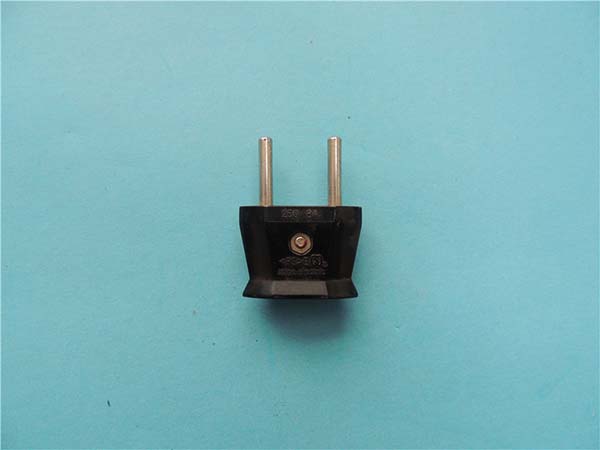
Switches and sockets are the most visible applications. Bakelite casings provide reliable insulation in household and industrial electrical systems. In 110V or 220V circuits, bakelite maintains its properties over decades of use.
Insulating washers and gaskets separate metal parts in motors and other equipment. Electric motors can reach 100°C or higher. Bakelite washers maintain shape and insulation at these temperatures. Industry standards require insulating washers to withstand 150°C for 1,000 hours without significant degradation. Bakelite meets this.
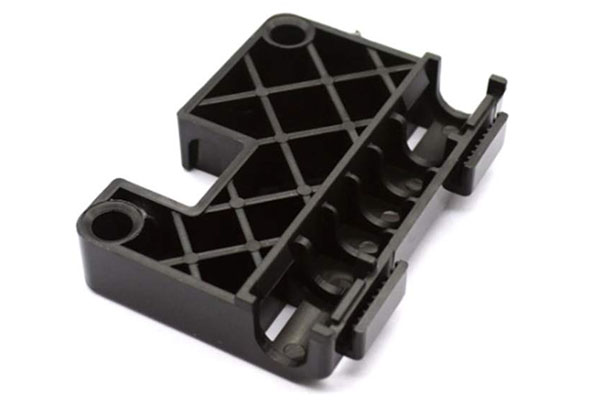
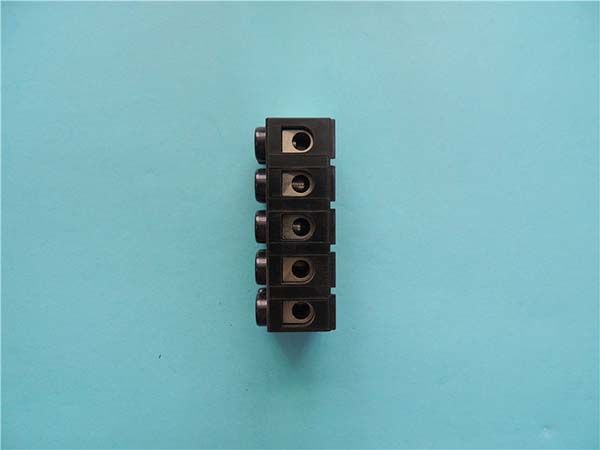
Terminal blocks and junction boxes rely on bakelite’s mechanical strength. In industrial installations, wires are connected and disconnected repeatedly. Bakelite terminal blocks handle this mechanical stress without cracking. Junction boxes protect connections from environmental factors.
Case Study: High-Voltage Substation
A 110 kV substation uses bakelite insulators in its transformers. These insulators face high-voltage stress, humidity changes, and temperature variations.
Over 20 years of operation, these bakelite insulators have required minimal maintenance. There have been no major insulation failures. The substation has maintained stable power supply throughout this period.
Case Study: Power Generation Plant
A coal-fired power plant uses bakelite in control panel enclosures and mounting brackets. The environment includes high-temperature steam and electrical interference.
Bakelite components protect sensitive control devices from harsh conditions. A comparison of power plants showed that facilities using bakelite control panel components had a 30% lower failure rate of control panel electrical problems over five years compared to those using alternative materials.
How Do You Choose the Right Bakelite?
What Electrical Requirements Matter?
Start with the voltage level of your application.
For low-voltage applications (110–220V), standard bakelite with volume resistivity around 10¹² ohm-cm and dielectric strength of 10–15 kV/mm is sufficient. Household switches and consumer electronics fall into this category.
For high-voltage applications (10 kV, 35 kV, or higher), select bakelite with superior properties:
- Volume resistivity: at least 10¹³ ohm-cm
- Dielectric strength: 20–30 kV/mm
High-performance bakelite withstands stronger electrical fields and prevents breakdown. Testing shows that higher-grade bakelite insulators have significantly lower failure rates over 10-year periods.
| Application | Volume Resistivity (ohm-cm) | Dielectric Strength (kV/mm) |
|---|---|---|
| Low-voltage (110–220V) | ≥ 10¹² | 10–15 |
| Medium-voltage (1–10 kV) | ≥ 10¹²–10¹³ | 15–20 |
| High-voltage (10–35 kV+) | ≥ 10¹³ | 20–30 |
What Mechanical Needs Should You Consider?
Evaluate the mechanical stress the component will face.
For high-stress applications—industrial motors, heavy equipment—choose bakelite with:
- Tensile strength above 40 MPa
- Flexural strength above 60 MPa
In large industrial motors, bakelite mounting brackets support heavy components and withstand vibrations. High-strength bakelite ensures long-term reliability.
For low-stress applications—small components in stable environments—moderate-strength bakelite works well and reduces cost.
Also consider machinability. Some applications require custom shapes. Bakelite that machines easily allows efficient production of precision parts.
What Environmental Conditions Affect Performance?
Temperature is critical. Standard bakelite handles 150–200°C continuously. For higher temperatures, specify high-temperature-resistant grades.
Humidity matters. In damp environments, moisture can penetrate materials and degrade insulation. Select bakelite with water absorption below 1% for outdoor or humid applications.
Chemical exposure requires matching material to environment. Some bakelite formulations resist acids better; others resist alkalis. Identify the specific chemicals present and select accordingly.
Radiation is a specialized concern. For space or nuclear applications, modified bakelite formulations offer some radiation resistance, though other materials may be preferred for extreme cases.
How Do You Balance Cost and Performance?
A cost-benefit analysis helps find the right balance.
Consider total project cost, not just material price:
- Material cost
- Processing and machining costs
- Installation costs
- Expected service life
- Maintenance and replacement costs
A higher-performance bakelite may cost more upfront but last longer, reducing total cost. A cheaper grade may need frequent replacement.
Also compare suppliers. A lower-priced product with inconsistent quality may cause production rejects and hidden costs. A reliable supplier with consistent quality may offer better long-term value.
Conclusion
Bakelite has earned its place in electrical applications for over a century. Its excellent electrical insulation, high heat resistance, mechanical strength, chemical resistance, and cost-effectiveness make it a valuable material.
It excels in:
- Switches, sockets, and terminal blocks
- Insulating washers and gaskets
- High-voltage insulators and bushings
- Control panel components in harsh environments
Choosing the right bakelite requires evaluating your specific requirements. Consider voltage levels, mechanical stress, temperature, humidity, and chemical exposure. Match the material grade to your application. Balance initial cost against long-term value.
When selected correctly, bakelite components deliver reliable, long-lasting performance—often for decades with minimal maintenance.
For many electrical applications, bakelite remains not just a good choice, but the ideal choice.
FAQ
What are the main advantages of bakelite in electrical applications?
Bakelite offers excellent electrical insulation with volume resistivity of 10¹²–10¹⁴ ohm-cm. It withstands high temperatures (150–200°C continuously) where many plastics fail. It has high mechanical strength (30–50 MPa tensile) for demanding environments. It resists chemicals and moisture. And it is cost-effective compared to premium insulating materials like PTFE or PEEK.
How do I choose the right bakelite for high-voltage applications?
For high-voltage applications (10 kV and above), select bakelite with volume resistivity of at least 10¹³ ohm-cm and dielectric strength of 20–30 kV/mm. Ensure the material can withstand the operating temperature. Check that the supplier provides certified test data for electrical properties.
Can bakelite be used in outdoor electrical equipment?
Yes, but select moisture-resistant grades with water absorption below 1%. Standard bakelite can absorb moisture over time, which may affect insulation properties. For outdoor applications, also consider UV exposure—though bakelite generally resists UV degradation better than many thermoplastics, prolonged direct sunlight may cause surface changes.
Contact Yigu Technology for Custom Manufacturing
Need custom bakelite components for your electrical application? Yigu Technology specializes in precision fabrication of phenolic materials. We offer machining, molding, and finishing services to meet your exact specifications. Our team helps you select the right grade for your voltage, temperature, and environmental requirements. Contact us today to discuss your project.