Introduction
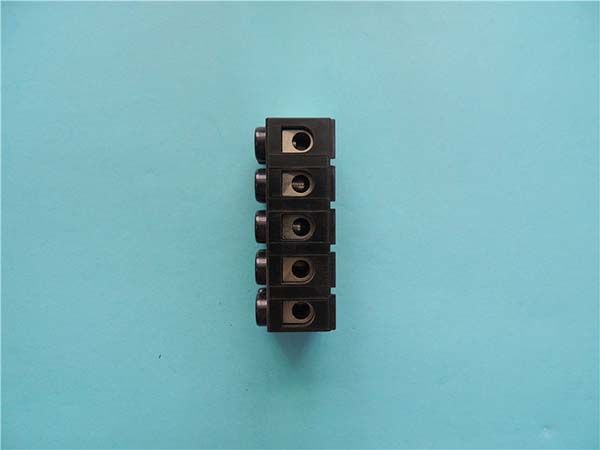
Bakelite phenolic occupies a unique place in materials science. As the first fully synthetic plastic, it launched the modern plastics era in 1907. More than a century later, it remains in use—not as a museum piece, but as a practical engineering material. Its heat resistance, electrical insulation, chemical resistance, and mechanical strength make it indispensable across electrical, automotive, aerospace, and industrial applications. This guide covers everything you need to know: what Bakelite phenolic is, its properties, how it is processed, and where it is used.
What Is Bakelite Phenolic?
Definition and Chemical Structure
Bakelite phenolic is a thermosetting plastic formed by the reaction of phenol and formaldehyde. The reaction occurs in the presence of a catalyst (acidic or basic) through condensation polymerization, creating a three-dimensional cross-linked polymer structure.
The basic reaction:
(nC_6H_5OH + nHCHO \rightarrow [-C_7H_6O-]_n + nH_2O)
The hydroxyl group (-OH) of phenol and the aldehyde group (-CHO) of formaldehyde combine, eliminating water and forming long polymer chains.
Types of Phenolic Resins
| Type | Structure | Characteristics |
|---|---|---|
| Novolac (Thermoplastic) | Linear polymer (excess phenol) | Can be melted and reshaped; used in initial processing stages |
| Resole (Thermosetting) | Cross-linked polymer (excess formaldehyde) | Permanent; cannot be remelted once cured |
The cross-linked structure gives Bakelite phenolic its permanent hardness, heat resistance, and dimensional stability. Once cured, it cannot be remelted or reshaped.
What Properties Does Bakelite Phenolic Offer?
Mechanical Properties
| Property | Value | Comparison |
|---|---|---|
| Hardness | 3–4 (scale 1–10) | Harder than many common plastics |
| Tensile Strength | 30–50 MPa | Higher than HDPE (22–30 MPa); lower than aluminum (200–300 MPa) |
| Wear Resistance | Good | Cross-linked structure resists frictional wear |
Bakelite phenolic is hard and resists surface wear. In low-to-medium load applications like gears or bearings, it maintains shape and integrity over time.
Thermal Properties
| Property | Value | Significance |
|---|---|---|
| Continuous Heat Resistance | 150–180°C | Withstands high-temperature environments |
| Short-Term Heat Resistance | Up to 300°C (specialized grades) | Handles temporary temperature spikes |
| Coefficient of Thermal Expansion | 10–30 x 10⁻⁶/°C | Low compared to polyethylene (100–200 x 10⁻⁶/°C) |
This heat resistance makes Bakelite phenolic suitable for automotive ignition components, electrical enclosures near heat sources, and aerospace interior applications. The low thermal expansion ensures dimensional stability across temperature variations.
Chemical Resistance
Bakelite phenolic resists a wide range of chemicals:
- Acids: Dilute sulfuric, hydrochloric
- Alkalis: Dilute sodium hydroxide
- Organic solvents: Alcohols (ethanol), hydrocarbons (toluene)
This resistance comes from the cross-linked polymer structure. Strong covalent bonds resist chemical attack. In chemical processing plants, Bakelite phenolic components handle acidic and solvent-based substances without degradation.
Electrical Properties
| Property | Value | Significance |
|---|---|---|
| Volume Resistivity | 10¹²–10¹⁴ Ω·m | Excellent electrical insulator |
| Dielectric Constant | 4–6 (at 1 MHz) | Low; reduces signal attenuation |
| Dielectric Strength | 10–30 kV/mm | Withstands high voltages |
Bakelite phenolic's electrical properties make it essential in:
- High-voltage transformer insulation
- Electrical sockets and switches
- Printed circuit boards (low dielectric constant reduces signal loss)
How Is Bakelite Phenolic Processed?
Injection Molding
Injection molding requires careful temperature control:
| Parameter | Typical Range |
|---|---|
| Barrel Temperature | 70–90°C (pre-plasticization) |
| Injection Pressure | 80–150 MPa |
If barrel temperature exceeds 100°C, the resin may cure prematurely, causing blockages. Higher injection pressure is needed due to Bakelite phenolic's viscosity from fillers (sawdust, fibers).
Compression Molding
Compression molding is the traditional method for Bakelite phenolic:
| Parameter | Typical Range |
|---|---|
| Mold Temperature | 150–180°C |
| Pressure | 10–30 MPa |
| Curing Time | 5–20 minutes (depending on thickness) |
Thicker parts require longer curing times. A 5 mm part may cure in 5–10 minutes; a 10 mm part may need 15–20 minutes.
Machining
When machining Bakelite phenolic:
- Cutting tools: High-speed steel or carbide-tipped
- Cutting speed (milling): 50–100 m/min
- Cutting speed (drilling): 20–50 m/min
- Lubrication: Water-soluble cutting fluid to reduce heat and tool wear
Sharp tools are essential. Dull tools generate excess heat, which can degrade the material.
Where Is Bakelite Phenolic Used?
Electrical and Electronics Industry
Electrical sockets and switches: Bakelite phenolic's high volume resistivity (10¹²–10¹⁴ Ω·m) ensures safe insulation. These components withstand frequent plugging and unplugging without degradation.
Printed circuit boards (PCBs): The low dielectric constant (4–6) reduces signal attenuation in high-speed circuits. This improves performance in smartphones, computers, and tablets.
High-voltage insulators: In power transmission systems, Bakelite phenolic insulators separate and support high-voltage conductors. They withstand electrical stress and maintain mechanical integrity.
Automotive Industry
Brake pads: Bakelite phenolic combined with fibers (aramid, etc.) creates friction materials with consistent coefficient of friction across temperature ranges. During high-speed or repeated braking, heat resistance prevents loss of effectiveness.
Clutch discs: In manual transmissions, Bakelite phenolic withstands high pressure and temperature during engagement and disengagement, ensuring smooth operation.
Interior components: Knobs, handles, and trim pieces benefit from hardness, durability, and moldability for aesthetic designs.
Aerospace Industry
Aircraft interiors: Overhead bins, seat components, and interior panels. Bakelite phenolic is lightweight and fire-resistant. Its combustion products produce low smoke—critical for visibility during emergencies.
Engine components (non-critical): Certain casings and brackets withstand temperatures up to 150–180°C continuously. Dimensional stability ensures proper function in high-temperature environments.
Other Applications
| Industry | Applications |
|---|---|
| Chemical Processing | Pipes, valves, storage containers for acids and solvents |
| Construction | Electrical fixtures, paneling |
| Consumer Goods | Appliance handles, musical instrument components |
How Do You Maintain and Handle Bakelite Phenolic?
Avoid Excessive Mechanical Stress
Bakelite phenolic has good strength but is brittle. Overloading can cause cracking or deformation. In electrical switches, do not use excessive force—the housing may crack.
Prevent Chemical Erosion
While resistant to many chemicals, Bakelite phenolic can be attacked by:
- Strong oxidizing agents
- Concentrated acids and bases
In chemical environments, verify compatibility. Apply protective coatings if needed.
Monitor Temperature
Prolonged exposure above recommended limits degrades properties. For general-purpose grades, keep below 150–180°C. Use temperature sensors in high-heat applications.
Inspect Electrical Components
For components where electrical insulation is critical:
- Check for cracks or charring
- Look for signs of degradation
- Replace damaged insulators to prevent electrical failure
Yigu Technology's Perspective
At Yigu Technology, Bakelite phenolic remains a valuable material in our portfolio. Its combination of heat resistance, electrical insulation, and chemical resistance is difficult to replicate with modern thermoplastics.
We recently supplied Bakelite phenolic components to a power utility for high-voltage transformer insulation. Requirements included:
- Continuous operation at 160°C
- Volume resistivity above 10¹³ Ω·m
- Dimensional stability over 20+ years
Bakelite phenolic met these requirements. Modern alternatives either cost significantly more or could not match the long-term thermal stability.
We also work with clients in:
- Automotive: Brake pad and clutch disc formulations
- Electrical: Switchgear insulators, PCB substrates
- Aerospace: Fire-resistant interior components
Our expertise includes:
- Material selection for specific applications
- Precision machining and fabrication
- Custom formulations for specialized requirements
Conclusion
Bakelite phenolic is a thermosetting plastic with a unique combination of properties: heat resistance (150–180°C continuous), excellent electrical insulation (10¹²–10¹⁴ Ω·m), good chemical resistance, and decent mechanical strength. These properties make it valuable across electrical, automotive, aerospace, and industrial applications. While modern materials have replaced it in some areas, Bakelite phenolic remains the preferred choice where its specific property combination—particularly heat resistance combined with electrical insulation—is required. Understanding its properties, processing methods, and maintenance requirements helps you decide whether Bakelite phenolic is right for your application.
FAQ About Bakelite Phenolic
What is Bakelite phenolic made of?
Bakelite phenolic is made from the reaction of phenol and formaldehyde. The resulting cross-linked polymer structure gives it permanent hardness, heat resistance, and dimensional stability.
What are the main properties of Bakelite phenolic?
Bakelite phenolic offers heat resistance up to 150–180°C (continuous), excellent electrical insulation (10¹²–10¹⁴ Ω·m), good chemical resistance (acids, alkalis, solvents), and decent mechanical strength (30–50 MPa tensile strength). It is relatively brittle and has low thermal expansion.
How is Bakelite phenolic processed?
Common processing methods include compression molding (150–180°C, 10–30 MPa), injection molding (70–90°C barrel, 80–150 MPa pressure), and machining with carbide tools and water-soluble lubricants.
Where is Bakelite phenolic used?
Bakelite phenolic is used in electrical sockets and switches, printed circuit boards, high-voltage insulators, automotive brake pads and clutch discs, aircraft interior components, and chemical processing equipment.
Is Bakelite phenolic still used today?
Yes. While not as widespread as in the mid-20th century, Bakelite phenolic remains in use for applications requiring its specific combination of heat resistance, electrical insulation, and chemical resistance at moderate cost.
Contact Yigu Technology for Custom Manufacturing
Need Bakelite phenolic components for your application? Yigu Technology provides custom fabrication of Bakelite phenolic and engineered materials. From electrical insulators to automotive components, we help you select the right material and produce parts that meet your performance requirements. Contact us today to discuss your project.