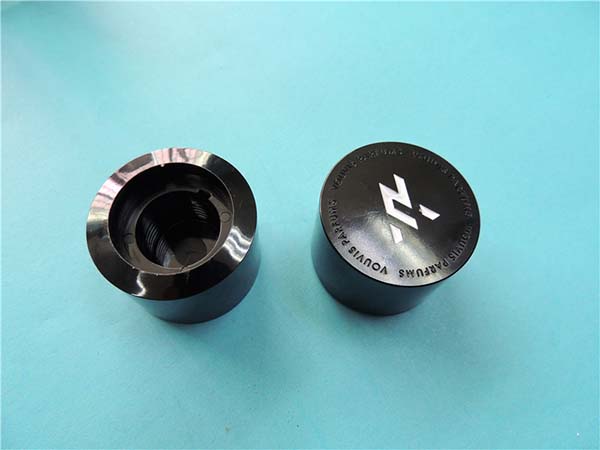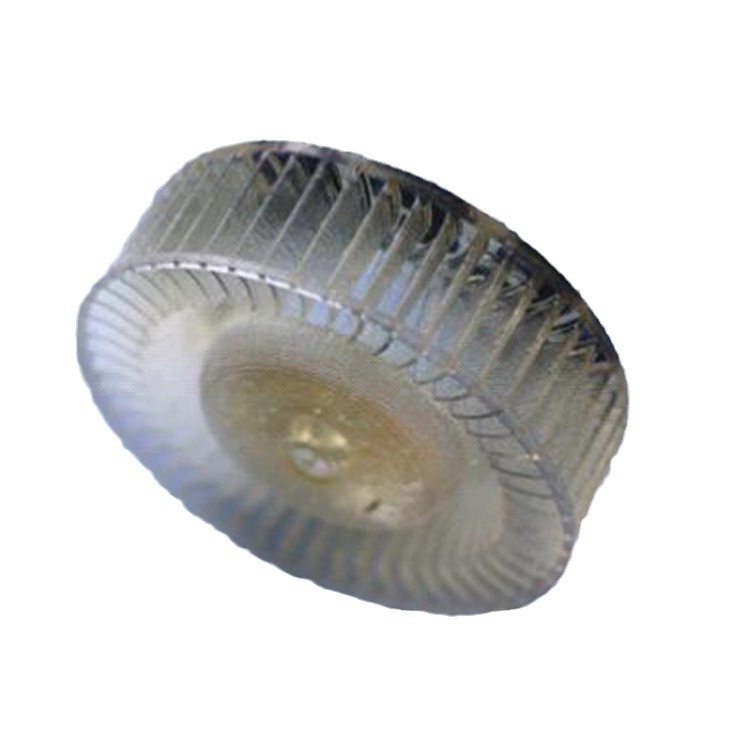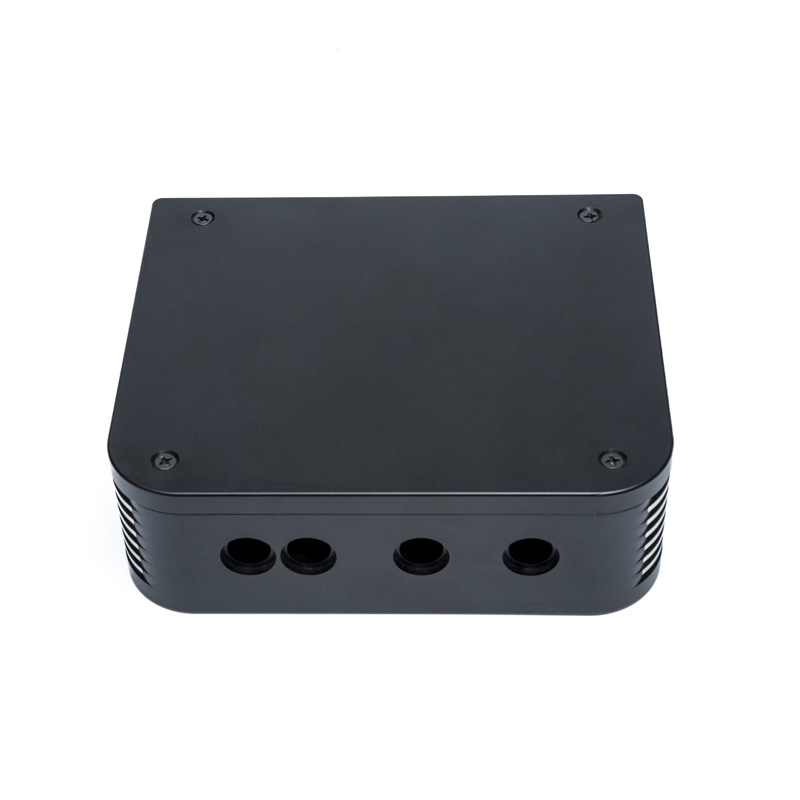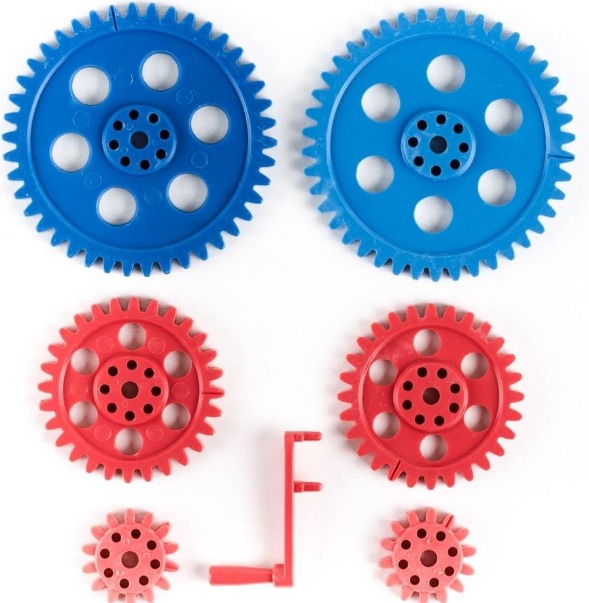
Bakelite brown is more than just an old plastic. It is the material that started the modern plastics revolution. Invented in 1907, Bakelite was the first fully synthetic plastic ever made. The brown version became iconic—used in radios, jewelry, and industrial components that still function today.
This guide explains what makes Bakelite brown unique. You will learn its properties, how to identify genuine material, and where it still outperforms modern alternatives. Whether you are restoring vintage items or specifying materials for electrical applications, this information helps you work with Bakelite brown effectively.
What Exactly Is Bakelite Brown?
The Chemistry Behind the Material
Bakelite brown is a thermosetting phenolic resin. It forms when phenol and formaldehyde react under heat and pressure. The result is a cross-linked polymer structure. Once set, it cannot be melted or reshaped. This permanence gives Bakelite its durability.
The brown color comes from natural impurities or added fillers. Early formulations often used wood flour, asbestos, or cotton fibers as reinforcement. These fillers not only affected the color but also changed the mechanical properties. Some vintage Bakelite brown has a mottled appearance because the fillers distributed unevenly during molding.
How It Differs from Modern Plastics
Unlike thermoplastics (which soften when heated), Bakelite brown stays rigid even at high temperatures. This makes it fundamentally different from ABS, polypropylene, or nylon. You cannot weld Bakelite brown. You cannot melt it down and reform it. Once molded, that shape is permanent.
| Property | Bakelite Brown | ABS Plastic |
|---|---|---|
| Thermoset or thermoplastic | Thermoset | Thermoplastic |
| Max service temperature | 150–180°C | 80–100°C |
| Can be remelted | No | Yes |
| Electrical insulation | Excellent | Good |
| Typical applications | Vintage electronics, insulators | Consumer enclosures, automotive |
What Properties Make Bakelite Brown Valuable?
Mechanical Strength and Rigidity
Bakelite brown offers impressive stiffness for its weight. Its flexural strength typically ranges from 100–120 MPa. Compare this to low-density polyethylene at just 7–15 MPa. The material holds its shape under load without bending or creeping.
But there is a trade-off. Bakelite brown is brittle. It has low impact resistance compared to modern engineering plastics. Drop a Bakelite radio, and the case may crack. Add glass fiber reinforcement, and impact resistance improves by 30–40%. But even then, it remains less tough than polycarbonate.
In one restoration project, we reinforced a vintage Bakelite brown enclosure with internal metal brackets. The original design had no reinforcement. The client wanted to use the restored radio daily. The brackets prevented cracking from normal handling while preserving the original appearance.
Heat Resistance That Stands Out
This is where Bakelite brown truly shines. It withstands continuous temperatures of 150–180°C without softening. In thermal testing, Bakelite brown samples maintained structural integrity after several hours at 160°C. Polypropylene starts softening at 130–150°C.
The material also has low thermal conductivity—0.1 to 0.2 W/(m·K). This makes it an excellent heat insulator. Pot handles made from Bakelite brown stay cool while the pan heats up. Electrical components near heat sources remain stable.
Electrical Insulation Properties
Bakelite brown is a superb electrical insulator. Its volume resistivity ranges from 10¹² to 10¹⁴ ohm-cm. For context, aluminum—a good conductor—has resistivity around 2.82 × 10⁻⁸ ohm-cm. The difference is massive.
Dielectric strength typically reaches 10–20 kV/mm. This means Bakelite brown can withstand high-voltage fields without breaking down. In vintage transformers, Bakelite brown separated windings and prevented electrical failure. Today, it still serves in high-voltage applications where safety matters.
Chemical Resistance Profile
Bakelite brown resists many common chemicals. Dilute acids and alkalis cause little damage. It withstands exposure to most solvents better than many thermoplastics.
However, strong oxidizing agents are a problem. Concentrated sulfuric acid and nitric acid attack the material over time. In chemical plant applications, we always verify the specific chemical environment before recommending Bakelite brown.
Where Is Bakelite Brown Still Used Today?
Electrical and Electronics Applications
Despite newer materials, Bakelite brown remains in use for:
- High-voltage insulators
- Switchgear components
- Transformer terminals
- Vintage radio restoration parts
One manufacturer we work with still specifies Bakelite brown for industrial switch components. The material’s arc resistance and dimensional stability at high temperatures outperform many modern alternatives in this specific application.
Consumer Goods and Kitchenware
Bakelite brown handles on cookware and cutlery remain popular. The heat resistance makes them safe near stovetops. The material’s durability means vintage pieces from the 1940s still function perfectly.
In a recent custom order, a client requested Bakelite brown handles for a line of premium cookware. The brown color matched their brand aesthetic. More importantly, the handles stayed cool during cooking—a feature their customers valued.
Vintage Jewelry and Collectibles
Bakelite brown jewelry from the 1930s–1950s is highly collectible. Bracelets, brooches, and buttons in warm brown tones command premium prices at antique markets. The material molds into intricate shapes and takes a high polish.
A collector once brought us a Bakelite brown bangle with surface scratches. We carefully polished it using non-abrasive methods. The bangle regained its original luster without damaging the material. The collector told us its market value increased by 40% after restoration.
Industrial Components
Bakelite brown serves in:
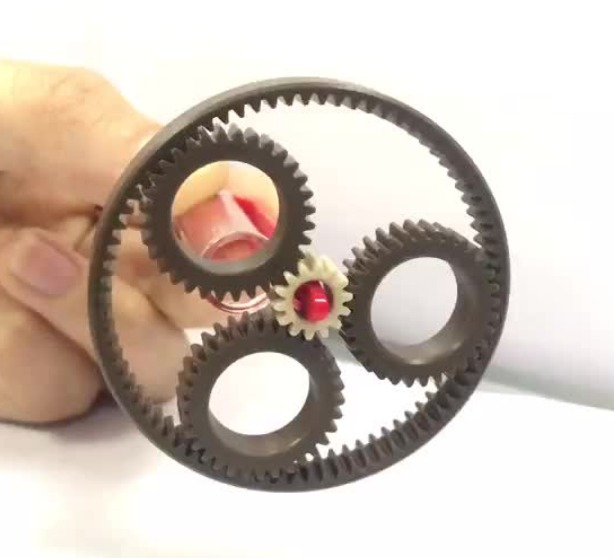
- Gears and bearings (where self-lubrication helps)
- Chemical processing equipment linings
- Pump components in non-corrosive environments
- Tool handles in industrial settings
In one chemical plant, Bakelite brown-lined pipes transported dilute acid solutions for over 15 years before needing replacement. The material’s chemical resistance and low cost made it the right choice.
How Do You Identify Genuine Bakelite Brown?
Visual Inspection Clues
Genuine Bakelite brown has a warm, rich color ranging from light tan to deep chocolate. The surface often shows subtle mottling or marbling—a result of uneven filler distribution during molding. Modern imitations usually have uniform, flat color.
Look for seam lines. Bakelite brown parts were compression molded. They often have visible parting lines. Injection-molded imitations may have different gate marks.
Simple Physical Tests
Scratch test: Bakelite brown is hard. A fingernail or wooden toothpick should not leave a mark. Soft plastics scratch easily.
Heat test: Use a hair dryer on low heat. Apply to a small hidden area. Bakelite brown resists softening. Imitation plastics may become pliable or deform.
Hot water test: Genuine Bakelite brown produces a distinct phenolic odor when heated. Warm a small area with a hair dryer or hot water. If you smell formaldehyde or a chemical scent, it is likely real Bakelite. This is one of the most reliable field tests.
Chemical Tests (Use with Caution)
The acetone test is common but can damage finishes. Apply a drop of acetone to a cotton swab. Rub gently on an inconspicuous spot. Real Bakelite brown shows no reaction. Celluloid or other early plastics may become sticky or dissolve.
Important: Acetone damages some finishes. Test only on areas that will not be visible, or skip this test if preserving appearance matters.
How Is Bakelite Brown Market Valued?
Vintage vs. Modern Products
Vintage Bakelite brown items—especially from the 1920s–1950s—command collector prices. A working Bakelite brown radio in good condition can sell for $200–$500 at auction. Rare jewelry pieces may exceed $1,000.
Factors affecting vintage value:
- Rarity of the item
- Original condition (unrestored often preferred)
- Intricacy of the design
- Historical significance
Modern Bakelite brown products serve industrial needs. Pricing reflects raw material costs, manufacturing complexity, and order volume. Industrial Bakelite brown components typically cost more than standard plastics but less than high-end engineering materials.
Production Cost Considerations
Bakelite brown manufacturing involves:
- Compression molding equipment
- Longer cycle times than injection molding
- Post-molding finishing (deburring, polishing)
- Quality testing for electrical applications
These factors make Bakelite brown parts more expensive than simple injection-molded thermoplastics. But in applications requiring heat resistance, electrical insulation, or dimensional stability at high temperatures, the value proposition remains strong.
How Do You Work with Bakelite Brown?
Machining Considerations
Bakelite brown machines well but requires care. Use sharp carbide tools. Dull tools generate heat that can degrade the material. Dust is abrasive and irritates skin and lungs—use proper dust collection.
Recommended practices:
- Drill at moderate speeds with coolant
- Use relief angles to reduce friction
- Avoid clamping stress that can crack the material
- Deburr edges immediately after machining
Bonding and Repair
Bakelite brown does not glue easily. Traditional adhesives often fail because the material’s surface is non-porous. For repairs:
- Use epoxy formulated for phenolic materials
- Rough the surface slightly for better adhesion
- Clean thoroughly with isopropyl alcohol before bonding
- Avoid cyanoacrylate (super glue)—it often forms brittle joints
For structural repairs on vintage items, we often use mechanical reinforcement rather than relying solely on adhesive. Small metal brackets or pins provide lasting strength.
Finishing and Polishing
Bakelite brown takes a high polish. Start with fine sandpaper (400–800 grit) to remove scratches. Move to 1000–2000 grit for smoothing. Finish with plastic polish or buffing compound.
Caution: Excessive heat from power buffing can damage the surface. Hand polishing or slow-speed buffing produces better results.
Conclusion
Bakelite brown occupies a unique place in materials history. Its combination of heat resistance, electrical insulation, and dimensional stability still makes it useful today. Vintage pieces carry historical value. Industrial applications continue where modern plastics fall short.
When working with Bakelite brown, respect its brittleness. Use proper machining techniques. Test for authenticity before buying vintage items. And remember—this is a thermoset material. Once molded, its shape is permanent. That permanence, combined with its distinctive warm brown appearance, is what makes Bakelite brown truly special.
Frequently Asked Questions
Is Bakelite brown safe for food contact?
Vintage Bakelite brown may contain fillers like asbestos or lead-based pigments. Do not use old Bakelite items for food storage or serving. Modern Bakelite brown produced for food contact complies with safety regulations, but always verify with the manufacturer.
How can I tell Bakelite brown from other brown plastics?
The hot water test is reliable. Heat a small area with a hair dryer. Real Bakelite brown emits a distinct chemical odor (phenolic or formaldehyde smell). Modern plastics smell different or produce no odor. Also, Bakelite brown feels denser and warmer to the touch than common plastics.
Can Bakelite brown be repaired if cracked?
Yes, but with care. Use two-part epoxy formulated for phenolic materials. For structural repairs, reinforce with metal pins or brackets. Surface cracks can be filled and polished. However, repairs typically reduce collector value for vintage items.
Why is Bakelite brown still used in electrical applications?
Its combination of high dielectric strength, arc resistance, and thermal stability is difficult to match. In high-voltage switchgear and transformer components, Bakelite brown maintains performance where many thermoplastics would soften or degrade.
Does Bakelite brown degrade over time?
Bakelite brown is remarkably stable. Properly stored items from the 1920s remain intact today. However, prolonged exposure to UV light causes surface dulling. Extreme chemical exposure or physical stress can cause cracking. Normal indoor use does not degrade the material.
Contact Yigu Technology for Custom Manufacturing
Need Bakelite brown components for industrial applications? At Yigu Technology, we manufacture custom Bakelite parts to specification. Our team understands the material’s unique properties—its brittleness, its machining requirements, and its performance limits.
From electrical insulators to custom handles and industrial components, we deliver Bakelite brown parts that meet your requirements. Contact us today to discuss your project.