Introduction
You have a product design ready. You need it built—quickly, reliably, and at scale. This is where rapid manufacturing enters the picture. Unlike rapid prototyping, which focuses on creating single models for testing, rapid manufacturing produces functional parts and assemblies in larger quantities. It bridges the gap between prototype validation and full production. This guide explains what rapid manufacturing does, how it differs from prototyping, and when to use it for your project.
What Is Rapid Manufacturing?
Rapid manufacturing is the use of advanced processes to produce functional parts, assemblies, or finished products in shorter timeframes than traditional manufacturing. It combines speed with production-grade quality, allowing companies to move from validated prototypes to market-ready products efficiently.
Rapid manufacturing is not one specific technology. It includes:
- Additive manufacturing (3D printing) for production parts
- CNC machining for precision metal and plastic components
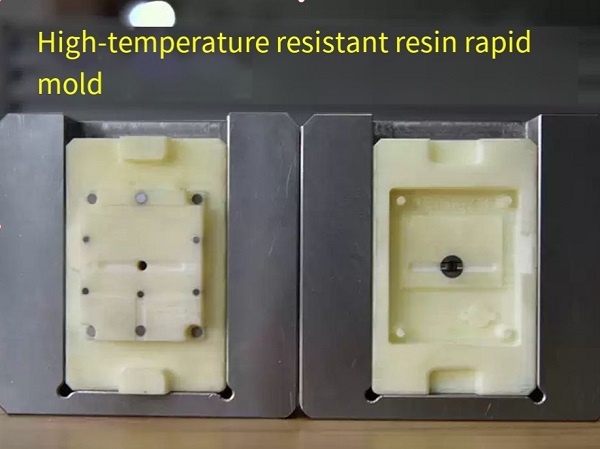
- Rapid tooling for injection-molded parts in medium volumes
- Custom assemblies combining electrical and mechanical components
The goal is to reduce lead times while maintaining the quality and consistency required for end-use products.
How Is Rapid Manufacturing Different from Prototyping?
Understanding the distinction helps you choose the right approach.
| Aspect | Rapid Prototyping | Rapid Manufacturing |
|---|---|---|
| Purpose | Testing, validation, iteration | Production of functional parts |
| Quantity | 1–50 units | 50–5,000+ units |
| Materials | Prototype-grade resins, standard plastics | Production-grade materials (metals, engineering plastics) |
| Process | Focused on speed, flexibility | Balanced for speed, consistency, quality |
| Output | Models for evaluation | Finished components or assemblies |
A startup developing a medical device might use rapid prototyping to test ergonomics and fit, then move to rapid manufacturing for a pilot run of 200 units for clinical trials.
What Are the Core Capabilities?
Rapid manufacturing encompasses several key capabilities.
Custom Wire and Cable Harnesses
Wire harnesses are essential for any product with electrical components. They organize and protect wires, ensuring reliable connections in demanding environments.
A reliable rapid manufacturing partner can produce custom harnesses for:
- Medical devices: Patient monitoring systems, surgical robots
- Aerospace: Avionics systems requiring extreme temperature and EMI resistance
- Industrial machinery: Heavy-duty equipment operating in harsh conditions
In each case, the harnesses must meet strict requirements. For medical applications, reliability is critical—these harnesses transmit vital health data. For aerospace, they must withstand altitude changes and electromagnetic interference.
Electro-Mechanical Assemblies
Many products combine electrical and mechanical components. Electro-mechanical assemblies integrate these into functional systems.
Advanced capabilities include:
- CAD/CAM design: Precise control over manufacturing
- Rigorous testing: Functional, durability, and environmental validation
- Quality control: Each assembly tested before shipping
An assembly used in industrial machinery undergoes testing to ensure it operates under heavy loads, vibration, dust, and moisture. This validation prevents field failures.
Box Build Assemblies
Box build assemblies are complete, enclosed products or subsystems. They include:
- Custom enclosures protecting internal components
- Integrated circuit boards, wiring, and connectors
- Final assembly and testing
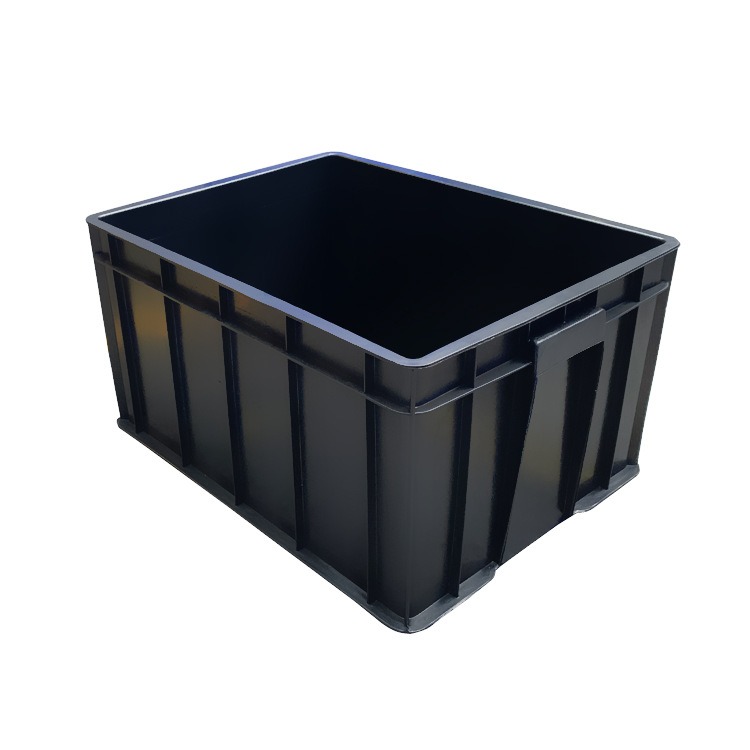
A semiconductor manufacturer might need enclosures with ESD-safe materials to protect sensitive components. A rapid manufacturing partner provides the full assembly—from enclosure design to final testing—as a single, turnkey solution.
How Does Material Management Impact Speed?
Efficient rapid manufacturing depends on smart material management. Lead times and costs are directly affected by how materials are sourced and handled.
Streamlined Supply Chain
Experienced material teams analyze suppliers based on:
- Quality standards
- Pricing
- Delivery reliability
For wire harness production, this means sourcing the right wires, connectors, and shielding from proven suppliers. The goal is consistent quality at competitive prices.
Just-in-Time Inventory
A Just-in-Time (JIT) inventory system ensures materials arrive exactly when needed. This approach:
- Minimizes inventory holding costs
- Reduces capital tied up in unused materials
- Lowers risk of material obsolescence
If a batch of harnesses is scheduled for production on a specific day, all required components arrive at the production line just in time. No large warehouses of excess inventory are needed.
Results in Reduced Lead Times and Costs
Effective material management delivers measurable improvements. In one example, a manufacturer reduced average lead time for custom wire harnesses by 30% over five years. What once took 20 days now takes 14 days.
Material-related costs dropped by 25% through better supplier negotiation, JIT practices, and waste reduction. For electro-mechanical and box build assemblies, lead times decreased by 20% and production costs by 20% as well.
What Industries Benefit from Rapid Manufacturing?
Rapid manufacturing serves industries where speed, quality, and reliability are essential.
| Industry | Typical Applications | Key Requirements |
|---|---|---|
| Medical | Surgical robots, patient monitors, imaging equipment | Reliability, biocompatibility, regulatory compliance |
| Aerospace | Avionics, flight control systems, cabin electronics | Extreme temperature resistance, EMI shielding, traceability |
| Semiconductor | Test equipment, handling systems, ESD-safe enclosures | Precision, cleanroom compatibility |
| Industrial | Automation equipment, heavy machinery controls | Durability, vibration resistance, long service life |
| Defense | Communication systems, vehicle electronics | Ruggedness, security, compliance with military standards |
| Renewable Energy | Solar inverters, wind turbine controls | Weather resistance, long-term reliability |
Each industry has unique requirements. Medical devices demand strict quality systems. Aerospace components require full traceability. Rapid manufacturing partners must demonstrate capabilities aligned with these standards.
What Is the Difference Between Rapid Manufacturing and Traditional Manufacturing?
The distinction lies in approach, not just speed.
| Factor | Traditional Manufacturing | Rapid Manufacturing |
|---|---|---|
| Tooling | Hard tooling (steel molds) often required | Flexible tooling (aluminum, printed molds) used when needed |
| Setup Time | Weeks to months | Days to weeks |
| Volume Flexibility | Optimized for high volume | Efficient from medium to high volume |
| Design Changes | Difficult, expensive | Easier, more cost-effective |
| Lead Time | Long (12–20 weeks for tooled parts) | Short (2–6 weeks for similar volumes) |
Rapid manufacturing is not meant to replace high-volume production. Instead, it serves the critical phase between prototyping and full-scale manufacturing—when you need functional parts in quantity but cannot wait months for production tooling.
How Does Yigu Technology Approach Rapid Manufacturing?
At Yigu Technology, rapid manufacturing is an extension of our prototyping expertise. We help clients move from validated designs to production-ready components efficiently.
We Offer Integrated Capabilities
We combine plastic and metal manufacturing with assembly services. This means you can get custom enclosures, precision-machined components, and final assemblies from a single partner.
We Manage Materials Strategically
Our material experts source components for quality and cost. We use JIT principles to keep lead times short and inventory efficient.
We Scale with Your Needs
Whether you need 100 units for a pilot run or 5,000 units for market launch, we adjust our processes accordingly. We use rapid tooling for medium volumes and transfer to production tooling when volumes justify it.
Conclusion
Rapid manufacturing fills a critical gap in product development. It delivers functional parts and assemblies in quantities that bridge prototyping and full production. With capabilities ranging from custom wire harnesses to complete box build assemblies, it enables companies to launch products faster while maintaining quality.
Understanding when to use rapid manufacturing—and selecting a partner with the right material management, quality systems, and industry experience—helps you move from concept to market with confidence.
Frequently Asked Questions
What industries does rapid manufacturing serve?
Rapid manufacturing serves medical, aerospace, semiconductor, industrial, defense, and renewable energy industries. Each has specific requirements—medical demands reliability and regulatory compliance; aerospace requires extreme temperature resistance and traceability; defense needs ruggedness and security.
How does rapid manufacturing ensure product quality?
Quality is ensured through strict quality control measures throughout production—from raw material inspection to final testing. Advanced testing equipment performs functional, durability, and environmental tests. Each assembly undergoes rigorous checks before shipping.
What is the advantage of Just-in-Time material management?
JIT inventory minimizes holding costs by ensuring materials arrive exactly when needed. This reduces capital tied up in inventory, lowers obsolescence risk, and shortens lead times. Effective material management can reduce lead times by 20–30% and material costs by 20–25%.
How is rapid manufacturing different from rapid prototyping?
Rapid prototyping focuses on creating single models for testing and validation, typically using prototype-grade materials. Rapid manufacturing produces functional parts in larger quantities (50–5,000+ units) using production-grade materials. Prototyping answers “does it work?” while manufacturing answers “can we produce it reliably?”
Can rapid manufacturing handle complex assemblies?
Yes. Rapid manufacturing includes electro-mechanical assemblies and box build assemblies that combine multiple components. These require precise integration of electrical and mechanical systems, rigorous testing, and quality control. A capable partner handles the full assembly process from design to delivery.
Contact Yigu Technology for Custom Manufacturing
Ready to move your product from prototype to production? Yigu Technology offers rapid manufacturing services for plastic and metal components, custom assemblies, and finished products. Our engineers help you scale efficiently while maintaining quality. Contact us today to discuss your project requirements.