Introduction
Machining manufacturing is a demanding field. High production costs eat into profits. Inconsistent quality drives customers away. Supply chain disruptions halt production lines. The companies that excel are those that master not just machining processes, but the entire ecosystem of operations, quality, supply chain, and strategic planning.
Success in this industry requires more than advanced equipment. It demands a holistic approach—well-structured management, precise processes, reliable equipment, rigorous quality control, and resilient supply chains. This guide explores how machining manufacturing companies can excel in each of these areas, with practical insights and data-driven strategies.
What Makes Company Operations the Backbone of Success?
Management Structure
A well-organized management structure is fundamental. McKinsey research shows that companies with clear and flexible management structures are 30% more likely to meet production targets.
| Structure Type | Best For | Characteristics |
|---|---|---|
| Hierarchical | Large-scale operations | Clear lines of command, distinct levels for design, production, quality control |
| Flat | Agile, decision-speed focused | Fewer layers, faster communication |
| Matrix | Complex, multi-project environments | Cross-functional teams, shared resources |
Example: A company manufacturing complex aerospace components might have distinct levels for design, production, and quality control managers. Each reports upward, ensuring smooth information flow and prompt decision-making.
Financial Planning
Detailed financial planning distinguishes successful companies from struggling ones. According to Deloitte, companies that engage in detailed financial planning are 25% more likely to achieve long-term profitability.
| Cost Category | Considerations |
|---|---|
| Equipment | Purchase, installation, maintenance, operator training |
| Labor | Skilled machinists, programmers, engineers |
| Materials | Raw material procurement, inventory holding costs |
| Facilities | Factory floor space, utilities, maintenance |
Example: A company planning to invest in new CNC machines must budget not only for purchase price but also for installation, ongoing maintenance, and employee training.
Operational Efficiency
Lean manufacturing principles can transform operations. Toyota, a pioneer in lean manufacturing, reduced production lead time by 50% through waste elimination.
| Waste Type | Examples | Elimination Strategy |
|---|---|---|
| Overproduction | Making more than needed | Pull systems, demand-based scheduling |
| Waiting | Idle machines, delayed materials | Process synchronization, Kanban |
| Transportation | Unnecessary material movement | Factory floor layout optimization |
| Inventory | Excess raw materials or WIP | Just-in-time delivery |
| Motion | Unnecessary operator movement | Ergonomic workstations |
| Defects | Scrap and rework | Root cause analysis, process control |
Corporate Culture
A positive corporate culture boosts employee morale and productivity. Gallup found that employees in companies with strong positive cultures are 87% less likely to leave.
| Cultural Element | Impact |
|---|---|
| Innovation | Encourages new approaches to machining challenges |
| Teamwork | Improves coordination between design, programming, and production |
| Continuous improvement | Drives ongoing process refinement |
| Recognition | Increases engagement and retention |
A stable workforce leads to better-trained employees and higher-quality output.
Strategic Planning
Long-term success requires strategic planning. A machining company must plan for future growth, new product lines, and market expansion.
| Strategic Element | Example |
|---|---|
| Market analysis | Identify growing sectors (EV components, medical devices) |
| Technology roadmap | Plan equipment upgrades (5-axis machines, automation) |
| Talent acquisition | Recruit programmers, engineers, skilled machinists |
| Capacity planning | Expand facilities or shift capacity to high-growth areas |
Example: A company specializing in precision machining for medical devices might plan to enter the automotive EV component market within five years, requiring market research, equipment investment, and talent acquisition.
What Machining Processes Deliver Precision?
Precision Machining
In industries like aerospace and medical, precision is non-negotiable. Jet engine components require tolerances as small as a few micrometers. Advanced CNC machines follow complex CAD models to create highly accurate parts.
CNC Milling
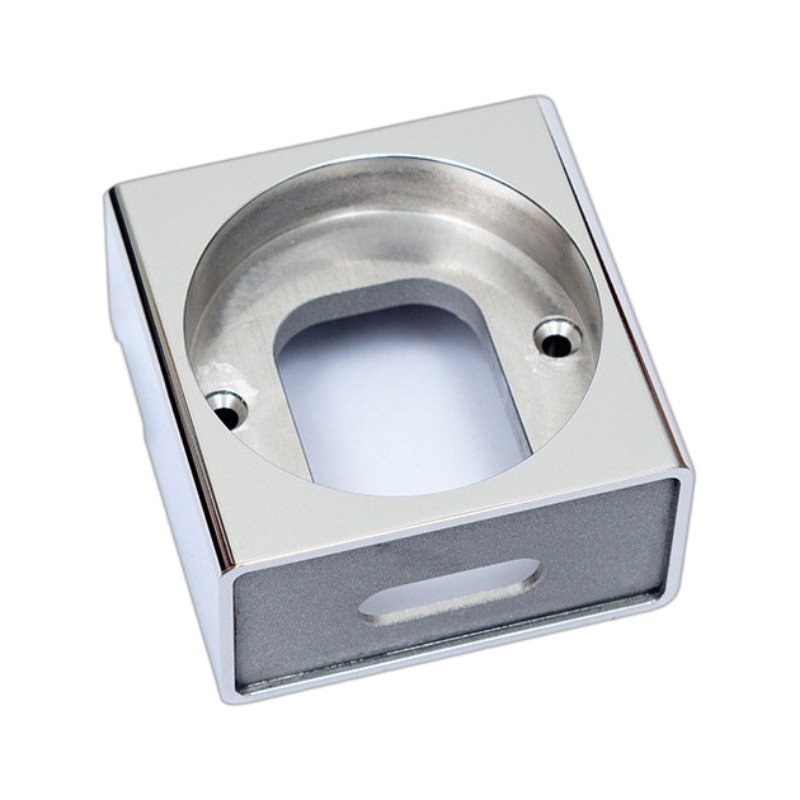
CNC milling uses rotating cutting tools to remove material from a workpiece. It creates shapes from simple flat surfaces to complex 3D geometries.
| Operation | Application |
|---|---|
| Face milling | Flat surfaces |
| Peripheral milling | Slots, contours |
| Pocket milling | Cavities, recesses |
| Contour milling | 3D surfaces |
A study by Gardner Research found that companies upgrading to modern CNC milling machines saw a 20% increase in machining accuracy and a 15% reduction in production time.
Turning Operations
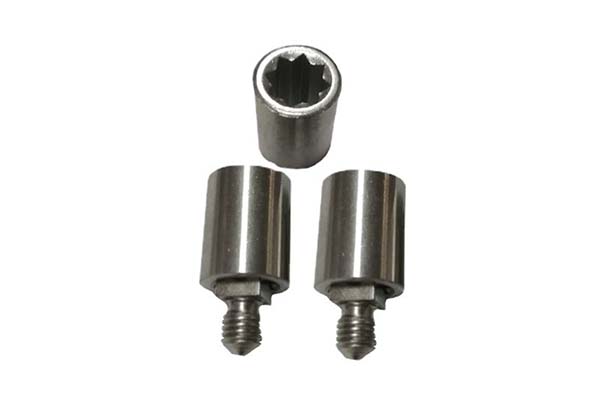
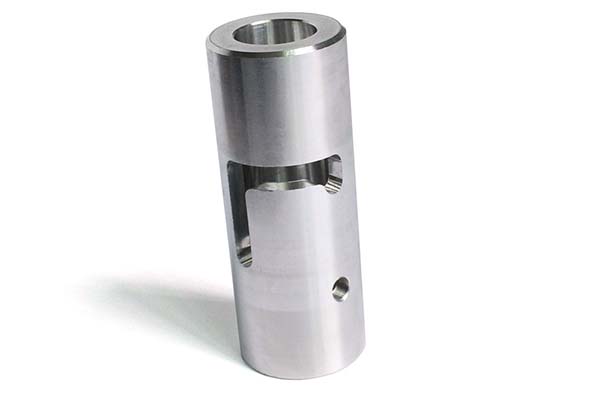
Turning creates cylindrical parts. The workpiece rotates while a cutting tool removes material.
| Application | Requirements |
|---|---|
| Shafts | Concentricity, straightness |
| Bolts | Thread accuracy, surface finish |
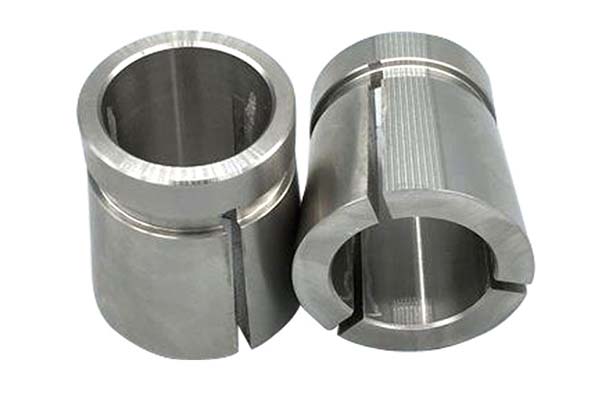
| Bushings | Inner/outer diameter tolerance |
| Crankshafts | Complex geometry, tight tolerances |
High-quality lathes achieve very smooth surface finishes and tight tolerances—essential for automotive crankshafts and engine components.
Grinding Processes
Grinding uses abrasive wheels to remove small amounts of material, achieving high-quality surface finishes and tight tolerances.
| Grinding Type | Application |
|---|---|
| Surface grinding | Flat surfaces |
| Cylindrical grinding | Outer diameters |
| Internal grinding | Holes, bores |
| Centerless grinding | Small cylindrical parts |
In optical lens production, grinding shapes glass to exact curvature for proper light refraction. Advanced grinding machines reduce surface roughness to nanometer levels.
Sheet Metal Fabrication
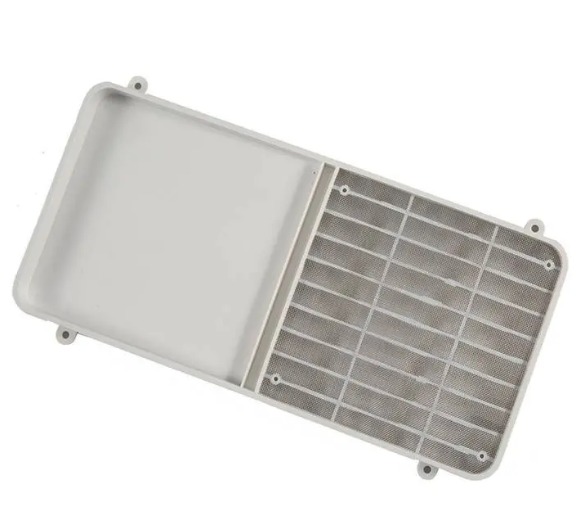
Sheet metal fabrication involves cutting, bending, and joining sheet metal.
| Process | Equipment | Application |
|---|---|---|
| Cutting | Laser, plasma, water jet | Precise shapes, holes |
| Bending | Press brakes | Angles, channels |
| Joining | Welding, riveting | Assemblies |
Laser cutting achieves precise cuts. Computer-controlled bending machines ensure consistent, accurate bends for products like electronic enclosures.
What Manufacturing Equipment Is Essential?
Machine Tools
Machine tools are the foundation. High-quality equipment is essential for accurate and efficient machining.
| Machine Type | Function |
|---|---|
| Lathes | Turning cylindrical parts |
| Milling machines | Flat surfaces, slots, complex 3D shapes |
| Drill presses | Hole-making |
AMT (Association For Manufacturing Technology) found that companies investing in high-end machine tools saw a 30% increase in productivity over five years.
CNC Machines
CNC machines offer high precision and automation. They perform series of machining operations without constant operator intervention, increasing accuracy and reducing labor costs.
| CNC Type | Capabilities |
|---|---|
| 3-axis | Basic milling, drilling |
| 4-axis | Adds rotary axis for indexing |
| 5-axis | Complex geometries, single setup |
| Multi-tasking | Combines milling and turning |
Lathes
| Lathe Type | Best For |
|---|---|
| Engine lathes | Manual operation, small batches, prototyping |
| Turret lathes | Automated, multiple operations in one setup |
| CNC lathes | Highest precision, automation, mass production |
Milling Machines
| Mill Type | Best For |
|---|---|
| Vertical milling | Flat surfaces, pockets, slots |
| Horizontal milling | Long, cylindrical workpieces |
| Universal milling | Versatility, wide range of operations |
Grinding Machines
| Grinder Type | Application |
|---|---|
| Surface grinders | Flat surfaces |
| Cylindrical grinders | Outer diameters of cylindrical parts |
| Internal grinders | Inside diameters, bores |
| Centerless grinders | High-volume small cylindrical parts |
High-end grinding machines feature automatic wheel dressing for consistent performance over time.
How Is Quality Control Ensured?
Inspection Methods
| Method | Application | Capability |
|---|---|---|
| Visual inspection | Surface defects | Basic, operator-dependent |
| CMM (Coordinate Measuring Machine) | Dimensional accuracy | ±0.0005 mm |
| Ultrasonic testing | Internal flaws | Detects cracks, voids |
| X-ray testing | Internal structure | Identifies porosity, inclusions |
| Magnetic particle | Surface cracks in ferrous materials | Sensitive to small defects |
In aerospace, NDT methods inspect critical components. Ultrasonic testing detects cracks in aircraft wings—flaws that visual inspection would miss.
ISO Standards
| Standard | Industry | Focus |
|---|---|---|
| ISO 9001 | General | Quality management systems |
| AS9100 | Aerospace | Stricter requirements, traceability |
| ISO 13485 | Medical devices | Regulatory compliance, safety |
Certification demonstrates robust quality management and enhances market reputation.
Statistical Process Control (SPC)
SPC uses statistical techniques to monitor and control manufacturing processes.
| Tool | Purpose |
|---|---|
| Control charts | Visualize process variation |
| Capability analysis | Measure process ability to meet tolerances |
| Pareto analysis | Identify most frequent defects |
Example: A company manufacturing bolts uses SPC to monitor diameters. If dimensions start to deviate, corrective action prevents large numbers of defective parts.
Quality Assurance
Quality assurance is comprehensive—covering planning, control, and improvement. A dedicated QA team works from raw material selection to final inspection, collaborating with design engineers to ensure manufacturability.
Calibration
Measuring instruments require regular calibration to ensure accuracy.
| Instrument | Calibration Frequency |
|---|---|
| Micrometers, calipers | Annually or per manufacturer |
| CMM | Annually or more frequently based on usage |
| Surface roughness testers | Annually |
Calibration certificates demonstrate measurement accuracy to customers and auditors.
How Is Supply Chain Management Optimized?
Raw Material Sourcing
High-quality raw materials at reasonable prices are essential. Long-term relationships with reliable suppliers ensure consistent supply and better pricing.
| Strategy | Benefit |
|---|---|
| Preferred supplier agreements | Consistent quality, negotiated pricing |
| Multi-source critical materials | Reduces disruption risk |
| Supplier collaboration | Joint development of materials or processes |
Inventory Management
Just-in-time (JIT) inventory reduces holding costs. Raw materials arrive exactly when needed. JIT requires careful planning and reliable suppliers.
| Approach | Best For | Risk |
|---|---|---|
| JIT | Stable demand, reliable supply chain | Disruption vulnerability |
| Safety stock | Critical materials, variable demand | Higher holding costs |
| Consignment inventory | Supplier-owned stock, pay as used | Reduced capital commitment |
Supplier Relationships
Supplier relationships extend beyond order placement. Collaboration improves product quality, reduces costs, and drives innovation.
Example: A machining company works with its tooling supplier to develop more efficient cutting tools. By sharing production requirements, both benefit from the supplier’s expertise.
Logistics and Delivery
| Element | Optimization Strategy |
|---|---|
| Transportation | Combine modes (truck, rail, ship) based on distance and urgency |
| Warehousing | Climate control for sensitive components |
| JIT delivery | Synchronize with customer production schedules |
Example: A machining company supplying an automotive assembly plant uses supply chain management software to track production and coordinate logistics for timely delivery.
Conclusion
Excellence in machining manufacturing requires mastery of interconnected disciplines. Company operations—management structure, financial planning, operational efficiency, corporate culture, and strategic planning—provide the foundation. Machining processes—precision machining, milling, turning, grinding, sheet metal fabrication—deliver the products. Manufacturing equipment—CNC machines, lathes, mills, grinders—makes it possible. Quality control—inspection methods, ISO standards, SPC, calibration—ensures consistency. Supply chain management—sourcing, inventory, supplier relationships, logistics—keeps the flow moving.
Companies that excel integrate these elements seamlessly. They invest in equipment and people. They measure and improve processes. They build relationships with suppliers and customers. They plan for the future while managing the present.
In a competitive industry, excellence is not a destination. It is a continuous journey of improvement.
FAQ
How can a machining manufacturing company improve operational efficiency without significant equipment investment?
Implement lean manufacturing principles: reduce waste (overproduction, waiting, unnecessary transportation), optimize workflow, and improve factory floor layout. Employee training enhances skills and productivity. Better supply chain management—improved inventory control and supplier relationships—also yields cost savings.
What are the most common quality control issues in machining manufacturing, and how are they addressed?
Dimensional inaccuracies – Address through regular calibration of measuring instruments and strict process control (SPC). Surface finish problems – Mitigate with proper cutting tools, optimized machining parameters, and appropriate coolant. Material defects – Reduce by working with reliable raw material suppliers and implementing incoming material inspection.
How important is supply chain diversification for machining manufacturing companies?
Very important. Diversification reduces risk from natural disasters, political instability, or supplier bankruptcy. Multiple suppliers for critical raw materials ensure continuous supply, maintain production schedules, and avoid costly downtime. Balancing diversification with the benefits of preferred supplier relationships requires careful planning.
What certifications should a machining manufacturing company have?
At minimum, ISO 9001 for quality management. For aerospace, AS9100. For medical devices, ISO 13485. These certifications demonstrate robust quality systems, enhance reputation, and are often required by customers in regulated industries.
How does corporate culture impact machining company performance?
A positive culture that values innovation, teamwork, and continuous improvement boosts employee morale and productivity. Gallup found employees in strong culture companies are 87% less likely to leave. Stable workforce means better-trained employees, fewer errors, and higher-quality output—directly impacting bottom-line performance.
Contact Yigu Technology for Custom Manufacturing
At Yigu Technology, we integrate all these elements into our operations. Our management structure enables quick decision-making. We invest in R&D for high-precision machining processes. Our equipment is regularly updated to meet industry standards. Quality control follows strict in-house procedures and international standards. Supply chain relationships ensure steady material supply.
This holistic approach enables us to deliver high-quality custom plastic and metal parts to clients in automotive, medical, electronics, and industrial sectors. We support projects from prototyping to production.
Contact us today to discuss your machining manufacturing needs. Let our expertise help you achieve the precision, quality, and reliability your applications demand.