Finding a reliable plastic product supplier can feel overwhelming. Every supplier promises quality, but not all deliver. The wrong choice leads to field failures, safety risks, and hidden costs. The right choice gives you consistent parts, on-time delivery, and peace of mind.
This guide walks you through exactly what to look for. You will learn how to evaluate quality systems, verify material sourcing, and separate capable suppliers from those who only talk a good game. Based on real experience at Yigu Technology, these criteria help you make decisions that protect your products and your reputation.
Why Does Supplier Quality Matter So Much?
The Real Cost of Low-Quality Plastics
Quality in plastic products is not optional. It affects safety, performance, and your bottom line. Consider the medical field. A study found that hospitals using low-quality plastic catheters saw 30% higher rates of bloodstream infections compared to those using high-quality alternatives. The material itself became a risk factor.
In food packaging, low-quality plastics may contain harmful additives like BPA or phthalates. These substances leach into food, especially when heated. Long-term exposure links to hormonal imbalances and developmental issues. The FDA reports that such contamination from poor-quality packaging creates real public health risks.
Even consumer goods suffer. Cheap plastic toys break into sharp pieces. Poor pigments rub off onto children's hands. In electronics, low-quality housings trap heat, shortening device life and creating fire hazards.
The pattern is clear: choosing the wrong supplier costs more than money. It puts users at risk and damages your brand.
What Should You Look for in a Supplier?
Quality Assurance Systems
A reliable supplier starts with certified quality management. ISO 9001 certification is the baseline. It tells you the supplier has documented processes for raw material inspection, in-process checks, and final testing.
But certifications alone are not enough. Ask how they actually use these systems. A good supplier will describe their quality gates:
| Quality Stage | What to Look For |
|---|---|
| Incoming materials | Testing for purity, consistency, and certifications |
| In-process | Real-time monitoring, random sampling, process control charts |
| Final inspection | 100% check for critical dimensions, visual inspection |
| Traceability | Batch records linking raw materials to finished goods |
One client came to us after their previous supplier shipped a batch of electrical housings that failed insulation testing. Investigation revealed the supplier had stopped doing in-process checks to save time. The client lost three weeks of production and $40,000 in rework costs.
Material Selection and Sourcing
The best manufacturing process cannot fix bad raw materials. A quality supplier controls their material supply chain carefully.
Different plastics serve different purposes. Polyethylene (PE) offers flexibility and chemical resistance—ideal for bags and films. Polypropylene (PP) provides heat resistance and strength—suitable for food containers and automotive parts. Using the wrong material for an application guarantees failure.
A reliable supplier should:
- Source from established, reputable material suppliers
- Request material safety data sheets (MSDS) for every batch
- Test incoming materials for key properties
- Offer material certifications upon request
We once had a client specify polycarbonate for a transparent housing. Their previous supplier substituted a lower-cost acrylic without approval. The acrylic cracked under thermal stress during assembly. The client discovered this only after assembling 5,000 units.
Manufacturing Technology and Equipment
Equipment capability determines what a supplier can actually produce. Ask about:
- Mold precision (tolerances they can hold)
- Automation levels (consistent vs. operator-dependent)
- Inspection equipment (how they verify quality)
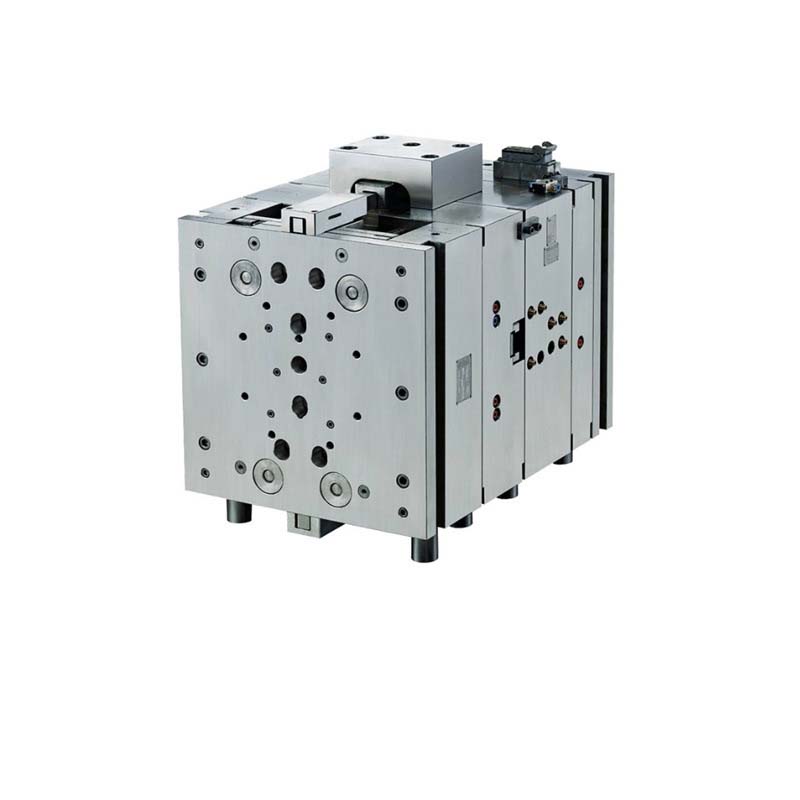
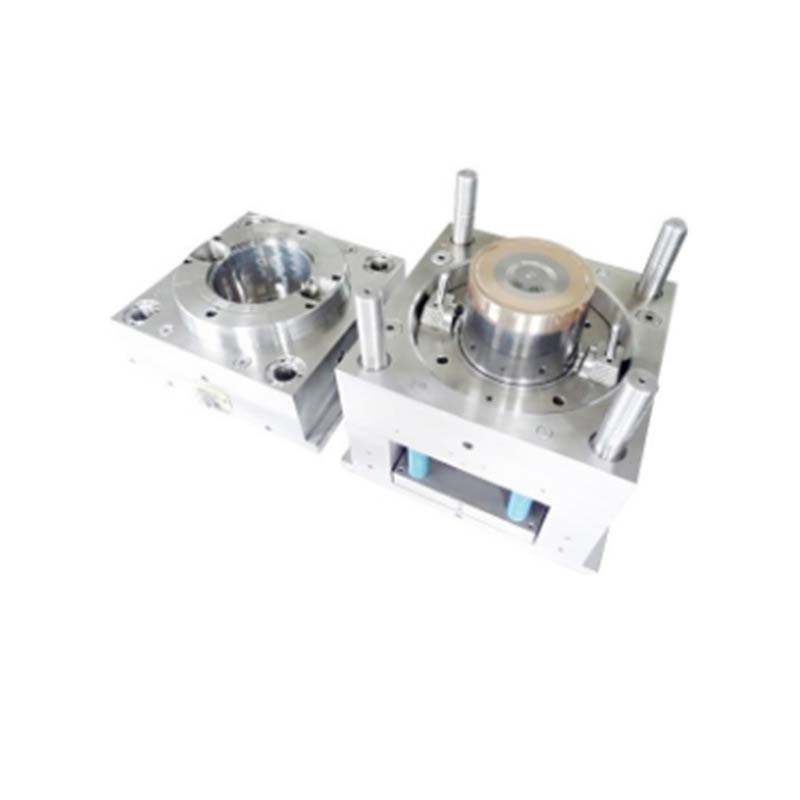
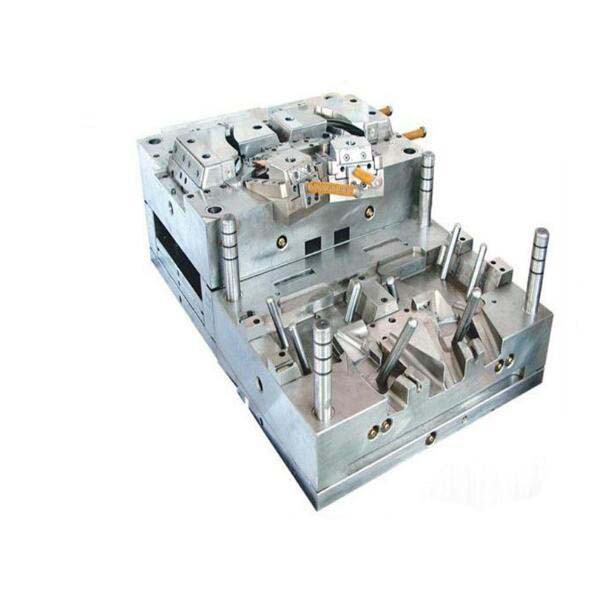
High-precision molds for electronics components require accuracy within a few micrometers. Without this capability, parts will not fit. Automated injection molding machines control pressure, temperature, and cycle time consistently. Manual processes introduce variation batch to batch.
In one automotive project, we produced a component requiring ±0.05 mm tolerance on critical features. Our automated machines held this consistently. A competitor using older equipment quoted lower prices but could not guarantee the tolerance. The client chose us after testing samples from both suppliers.
Customization Capabilities
Not every project uses standard parts. If you need custom plastic products, look for a supplier with design and engineering support.
A capable supplier should:
- Have in-house design engineers
- Understand material properties for your application
- Suggest design improvements for manufacturability
- Prototype before committing to production tooling
For a medical device client, we developed a custom handle with specific ergonomic requirements and biocompatible material specifications. Our design team worked with them through three iterations before finalizing the mold. The result passed all regulatory requirements on the first certification attempt.
Reputation and Customer Reviews
Talk to other customers. Check industry forums. Look for patterns in feedback, not just individual reviews.
Questions to ask references:
- Did products meet specifications consistently?
- How did the supplier handle quality issues?
- Were deliveries on time?
- Would you use them again?
Positive reviews that mention specific details—like "finished parts matched drawings exactly" or "they caught a tolerance issue before production"—carry more weight than vague praise.
Price-Quality Ratio
The lowest price rarely delivers the lowest total cost. Consider this real comparison from a client who evaluated three suppliers:
| Supplier | Unit Price | Defect Rate | Delivery Reliability | Total Cost per 10,000 Units |
|---|---|---|---|---|
| A (low price) | $0.85 | 12% | 70% | $9,520 + delays |
| B (mid price) | $1.10 | 3% | 90% | $11,330 |
| C (high price) | $1.35 | 0.5% | 98% | $13,560 |
Supplier A's defects required rework costing more than the initial savings. Their delivery delays disrupted production schedules. Supplier C cost more upfront but delivered consistently, with no rework costs and reliable schedules.
Evaluate the full picture: price, quality, delivery, and support. The cheapest option often becomes the most expensive.
How Do You Verify Supplier Claims?
Request Product Samples
Samples reveal what certifications cannot. Request parts that represent your actual requirements. Test them under your conditions.
A client once asked us to quote a high-temperature application. Their previous supplier had samples that passed basic checks but failed during thermal cycling. We provided samples tested to their exact temperature profile. The client validated them in-house before placing the production order.
Visit the Facility
If possible, visit the manufacturing site. Look for:
- Clean, organized workspace
- Proper material storage (temperature control, cleanliness)
- Working inspection equipment
- Trained operators, not just automated systems
During one facility visit for a potential client, we noticed the supplier stored raw materials outside in humid conditions. Nylon absorbs moisture. Those materials would have caused molding defects. The client chose not to proceed.
Review Their Quality Data
Ask for recent quality reports. A transparent supplier shares:
- Defect rate trends
- Customer complaint records
- Corrective action reports
- Process capability data (Cpk values for critical dimensions)
If they cannot or will not share this information, consider it a red flag.
What Red Flags Should You Avoid?
Warning Signs in Initial Contact
- Vague answers about materials or processes
- Unwillingness to share certifications or test reports
- Prices significantly lower than competitors without explanation
- No clear quality control process description
- Reluctance to provide references
Red Flags During Evaluation
- Samples that differ from production parts
- Inconsistent communication or missed commitments
- No documented processes for quality management
- High employee turnover (inconsistent knowledge)
- Poor housekeeping in the facility
One client shared a story about a supplier who sent perfect samples but delivered defective production batches. The supplier had used different materials and processes for samples. By the time the client discovered this, they had already committed to 50,000 units.
How Does Yigu Technology Ensure Quality?
At Yigu Technology, we approach quality as a system, not a slogan. Our ISO 9001-certified processes cover every stage:
Material selection: We source from established suppliers and test incoming materials. Each batch is documented and traceable.
Manufacturing: Our automated equipment maintains consistent parameters. Operators monitor real-time data. Critical dimensions are measured in-process.
Quality control: Final inspection includes dimensional checks, visual inspection, and functional testing where required. We maintain defect rate data and use it to continuously improve.
Custom support: Our engineering team works with clients during design to prevent issues before production. We provide material recommendations based on application requirements.
For a recent aerospace client, we produced a complex plastic component requiring ±0.03 mm tolerance on multiple features. Our process capability study showed Cpk > 1.33 across all critical dimensions. The client’s incoming inspection passed 100% of parts on the first three production runs.
Conclusion
Choosing the right plastic product supplier requires looking beyond price quotes. Start with quality systems—certifications matter, but actual processes matter more. Verify material sourcing and manufacturing capability through samples and facility visits. Evaluate reputation through references and industry feedback. Calculate true cost including quality, delivery, and support.
The right supplier becomes a partner in your success. They catch issues before they reach you. They maintain consistency across production runs. They communicate clearly and deliver reliably. Taking time to evaluate these factors upfront prevents problems that cost far more to fix later.
Frequently Asked Questions
How do I verify a supplier’s quality certification?
Check the certification authority’s website for verification. Request the original certificate and verify the scope—some certifications cover only specific product types. Contact the issuing organization if you have doubts about authenticity.
What are common signs of low-quality plastic products?
Look for rough surfaces, bubbles, inconsistent color, or strong chemical odors. Low-quality parts may deform under light pressure, crack easily, or show poor fit with mating components. Color may fade quickly under UV exposure.
Is it worth paying more for higher-quality plastic products?
Yes, in most applications. Higher-quality parts last longer, perform better, and reduce failure risks. For safety-critical applications like medical devices or food contact, the cost of failure far exceeds any upfront savings. Evaluate total cost of ownership, not just purchase price.
How can I test plastic product quality myself?
Request samples and test them under your actual use conditions. Check critical dimensions with calibrated tools. Perform any functional tests relevant to your application—thermal cycling, chemical exposure, mechanical stress. Compare results across multiple samples to see consistency.
What should I do if a supplier delivers poor-quality products?
Document the issues with photos and measurements. Review your quality agreement or purchase specifications. Communicate clearly with the supplier—quality problems often have solutions if addressed early. For repeated issues, evaluate alternative suppliers.
Contact Yigu Technology for Custom Manufacturing
Need a plastic product supplier who delivers consistent quality? At Yigu Technology, we combine certified quality systems with hands-on engineering support. From material selection to final inspection, we control every stage of production.
Whether you need custom plastic components, precision tolerances, or application-specific materials, our team is ready to help. Contact us today to discuss your requirements and request samples.