Introduction
You have a product idea. It is innovative, has market potential, and you are ready to move forward. But turning that idea into a successful product requires testing, refinement, and validation. Prototyping manufacturing bridges the gap between abstract design concepts and large-scale production. Using advanced technologies—3D printing, CNC machining, rapid tooling—it enables early validation of functionality, ergonomics, and manufacturability. This guide explores how prototyping manufacturing revolutionizes product development, the core technologies driving it, and how to choose the right partner.
What Is Prototyping Manufacturing?
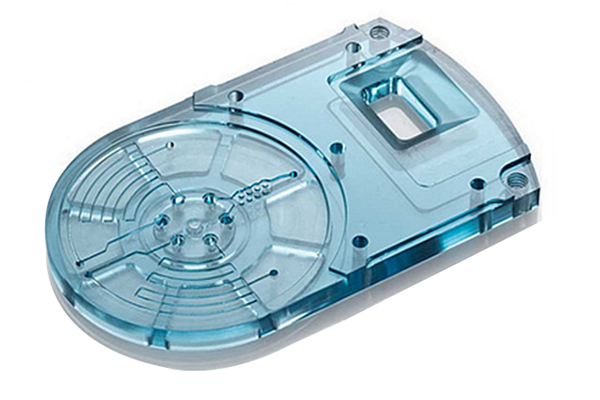
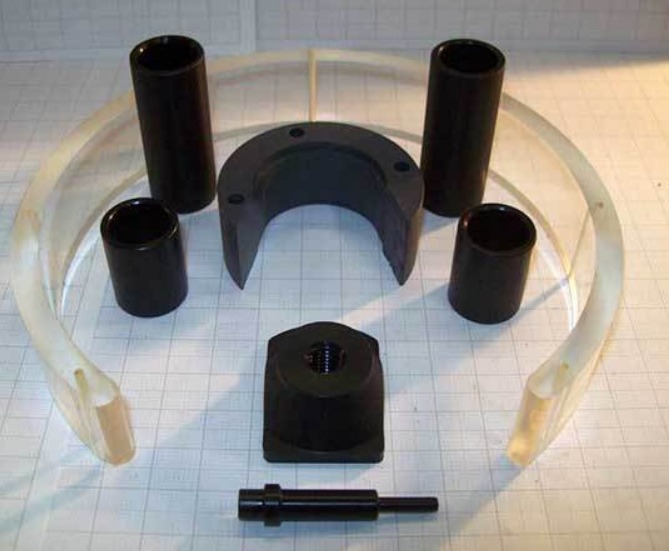
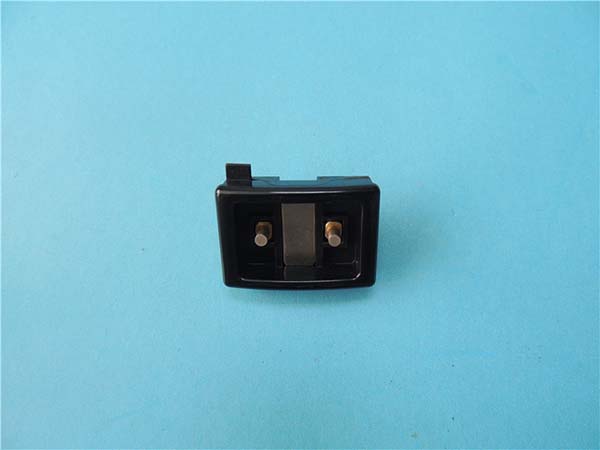
Prototyping manufacturing creates physical or digital product models using advanced technologies. It serves as a bridge between design concepts and mass production—enabling early validation of functionality, ergonomics, and manufacturability.
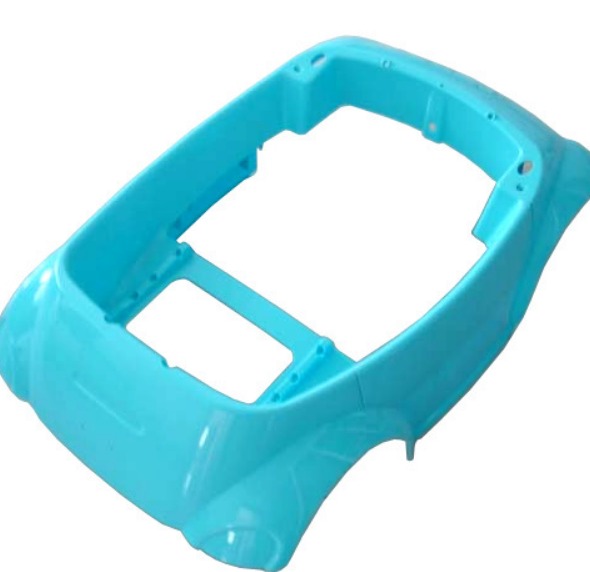
In the automotive industry, before mass-producing a new car model, manufacturers create prototypes to test aerodynamics (wind resistance in wind tunnels), engine and transmission functionality, and interior comfort and usability.
What Core Technologies Drive Prototyping Manufacturing?
Additive Manufacturing (3D Printing)
Process: Layer-by-layer material deposition. A digital 3D model (CAD) is sliced into thin cross-sectional layers. The printer reads slices and deposits materials—plastics, metals, composites—layer by layer until the final object is formed.
FDM (Fused Deposition Modeling) : Thermoplastic filament melted and extruded through a nozzle. Nozzle moves in precise patterns, depositing molten plastic in layers that cool and solidify.
SLS (Selective Laser Sintering) : High-power laser sinters powdered materials (nylon, metal powders). Laser selectively fuses powder particles in each layer, gradually building the object.
Materials: Wide range—plastics (ABS, PLA, PC), metals (aluminum, titanium, stainless steel), composites (plastics with carbon/glass fibers), biocompatible materials (medical applications).
Advantages:
- Rapid iteration: Design changes made quickly in digital model; new prototype printed in short time—multiple design concepts tested rapidly
- Minimal waste: Material added only where needed—far less waste than subtractive manufacturing
- Design freedom: Complex geometries (internal channels, lattice structures, organic shapes) easily created—improving product performance
Subtractive Manufacturing (CNC Machining)
Process: Precise material removal. Solid block of raw material (metal, wood, high-strength polymer) is shaped by computer-controlled cutting tools (mills, lathes, drills) following digital design specifications.
Milling: Rotating cutting tool moves along multiple axes to remove material from workpiece surface, gradually shaping into desired form.
Turning: Workpiece rotates while cutting tool moves in controlled manner to create cylindrical or conical shapes—shafts, bushings.
Materials: Metals—aluminum (low density, high strength-to-weight, good machinability), steel (high strength, corrosion resistance); wood; high-strength polymers (PEEK—excellent mechanical properties, high-temperature resistance, chemical resistance).
Advantages:
- High precision: Tolerances as tight as ±0.01 mm—critical for aerospace, medical device manufacturing
- High durability: Solid-state raw materials and precision machining result in components that withstand significant mechanical stress and environmental conditions—suitable for real-world testing
Hybrid Manufacturing
Process: Combines additive and subtractive methods—design freedom and rapid iteration of 3D printing with precision and surface finish capabilities of CNC machining.
Applications:
- 3D-printed part with complex internal structures further refined using CNC machining for smoother surface finish and more precise external dimensions
- Base structure built with additive manufacturing; high-precision features (threaded holes, tight-tolerance mating surfaces) added with subtractive machining
Advantages:
- Reduced production time: Additive manufacturing for initial build; subtractive processes applied only where necessary
- Minimized material waste: Additive process builds with less material overall; subtractive removes only necessary amount
- Optimized results: Ideal for complex parts requiring combination of complex geometries and high-precision features
How Does Prototyping Manufacturing Compare to Traditional Methods?
Cost-Effectiveness
Tooling costs: Traditional manufacturing requires expensive molds, dies, tooling—prohibitively high for small batches. Prototyping manufacturing eliminates or reduces tooling costs.
Material waste: Subtractive manufacturing removes large amounts of material; additive manufacturing adds material only where needed—minimal waste.
Prototyping time: Traditional methods take weeks or months; prototyping manufacturing produces parts in hours or days.
Design Flexibility
Traditional manufacturing limited by tool accessibility—complex geometries, internal channels, lattice structures difficult or impossible. Prototyping manufacturing offers unparalleled design freedom—complex shapes easily created, enabling innovative designs that improve performance and reduce weight.
Customization
Traditional manufacturing optimized for high-volume, identical parts—customization expensive. Prototyping manufacturing enables cost-effective customization—small batches, unique designs produced without expensive tooling.
How Do You Choose the Right Prototyping Manufacturer?
Technical Expertise
Certifications: ISO 9001 (quality management); AS9100 (aerospace)—demonstrates ability to manage risks, control processes, ensure product safety and reliability.
Material knowledge: Manufacturer should be well-versed in wide range of materials relevant to your project—biocompatible materials for medical devices, high-temperature alloys for aerospace. They should provide guidance on material selection based on strength, durability, heat resistance, chemical resistance.
Portfolio
Review manufacturer’s portfolio for experience in your industry. Automotive prototypes—engine components, body parts, interior designs—indicate understanding of safety standards, aerodynamic efficiency, harsh operating conditions.
Collaboration
Transparent communication is essential. Manufacturer should clearly explain manufacturing process, timelines, potential issues or risks. Prompt communication of delays—material shortages, equipment malfunctions—with alternative solutions.
How Does Yigu Technology Approach Prototyping Manufacturing?
Yigu Technology offers comprehensive prototyping manufacturing services.
Our Services
3D Printing: FDM (quick, cost-effective functional prototypes—PLA, ABS), SLA (high-precision, smooth surfaces—jewelry, small-scale mechanical parts), SLS (strong, durable prototypes with complex geometries—nylon).
CNC Machining: State-of-the-art equipment, skilled operators. Materials—aluminum, steel, high-performance polymers (PEEK). Simple parts to complex, multi-axis components with high precision and quality.
Post-Processing: Surface finishing (polishing, painting, plating) to enhance aesthetics and durability. Assembly services ensuring all components fit together perfectly for fully functional prototypes.
Our Commitment
We provide technical expertise, material guidance, and transparent communication. Our portfolio demonstrates success across industries. We collaborate closely to ensure prototyping projects meet your requirements—on time, within budget, with high quality.
Conclusion
Prototyping manufacturing is revolutionizing product development. Core technologies—additive manufacturing (3D printing) for rapid iteration, design freedom, minimal waste; subtractive manufacturing (CNC machining) for high precision, durability; hybrid manufacturing combining both—enable faster, more cost-effective, more flexible development. Compared to traditional methods, prototyping manufacturing offers lower tooling costs, less material waste, shorter lead times, greater design flexibility, and cost-effective customization. Choosing the right manufacturer—evaluating technical expertise, portfolio, collaboration capabilities—ensures project success. By leveraging prototyping manufacturing, you bring better products to market faster, with reduced risk and optimized performance.
Frequently Asked Questions
What is the difference between additive and subtractive manufacturing?
Additive manufacturing (3D printing) builds objects layer by layer—ideal for complex geometries, rapid iteration, minimal waste. Subtractive manufacturing (CNC machining) removes material from solid blocks—high precision, durable parts, suitable for metals and high-strength polymers. Choose based on complexity, precision requirements, and material needs.
How much time can prototyping manufacturing save?
Traditional prototyping takes weeks or months; prototyping manufacturing produces parts in hours or days. A McKinsey study found companies adopting rapid prototyping reduce time-to-market by up to 50% . Rapid iteration enables multiple design concepts tested in days rather than weeks.
Is prototyping manufacturing cost-effective for small batches?
Yes. Traditional manufacturing requires expensive tooling—prohibitively high for small batches. Prototyping manufacturing eliminates or reduces tooling costs. Additive manufacturing minimizes material waste. Small batches produced cost-effectively, enabling startups and SMEs to develop products without large capital investment.
What materials can be used in prototyping manufacturing?
Plastics: ABS (strength, durability), PLA (biodegradable), PC (impact resistance). Metals: Aluminum (low density, high strength-to-weight), titanium (high strength-to-weight, biocompatible—aerospace, medical), stainless steel (strength, corrosion resistance). Composites: Plastics with carbon/glass fibers—enhanced strength, stiffness. High-strength polymers: PEEK—excellent mechanical properties, high-temperature resistance, chemical resistance.
How do I choose the right prototyping manufacturer?
Evaluate technical expertise—certifications (ISO 9001, AS9100), material knowledge. Review portfolio for experience in your industry. Assess collaboration—transparent communication, clear explanations of processes, timelines, potential issues. A manufacturer with strong technical expertise, relevant portfolio, and collaborative approach ensures project success.
Contact Yigu Technology for Custom Manufacturing
Ready to revolutionize your product development with professional prototyping manufacturing? Yigu Technology offers 3D printing, CNC machining, and post-processing services for plastic and metal components. Our engineers guide you through technology selection, material choice, and design optimization. Contact us today to discuss your project.