Introduction
Finding a reliable prototyping partner can feel overwhelming. You search online, see dozens of options, and wonder who will actually deliver quality parts on time. The right choice matters more than you might think. A good prototyping company helps you catch design flaws early, saves money, and speeds up your development cycle. A poor choice leads to delays, miscommunication, and wasted budget. This guide walks you through exactly what to look for, what questions to ask, and how to compare your options so you can move forward with confidence.
Why Does Prototyping Matter So Much?
Before diving into how to choose a partner, it helps to understand what you are really getting from prototyping itself.
It Speeds Up Development
A prototype turns abstract ideas into something tangible. You can hold it, test it, and share it with stakeholders. In a traditional development process, teams spend months planning only to discover problems late. Prototyping flips that. You identify issues early when fixes are cheap and fast.
A smartphone company developing a new model used early prototypes to test button placement and screen curvature. They ran three design iterations in two weeks instead of waiting months for tooling. The final product launched ahead of schedule.
It Saves Real Money
Design changes made during production are expensive. A McKinsey study found that making a change during production can cost up to 100 times more than making the same change during prototyping.
A furniture manufacturer created a prototype for a new modular sofa. They discovered that one connector piece was difficult to assemble. Fixing it at the prototype stage cost a few hundred dollars. Catching that issue after 5,000 units would have meant thousands in rework and shipping costs.
What Should You Look for in a Prototyping Company?
Not all prototyping companies are equal. Here are the key factors to evaluate.
What Services Do They Offer?
Different products need different techniques. A company with a narrow focus may not fit your needs.
Common services include:
- 3D printing: Great for concept models and complex shapes
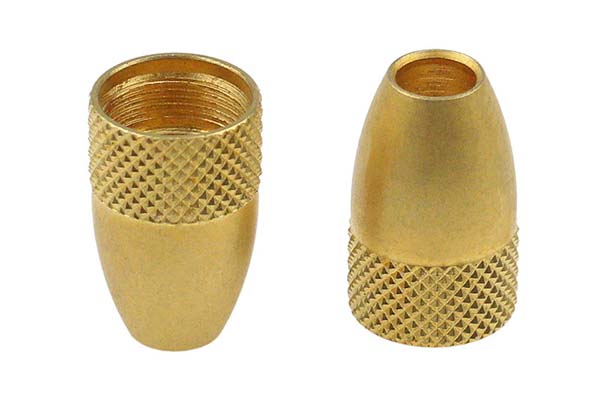
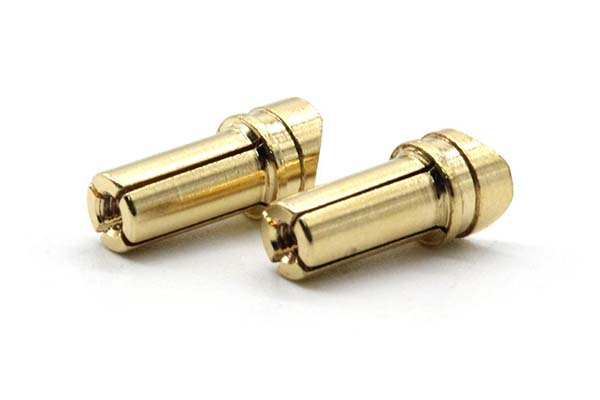
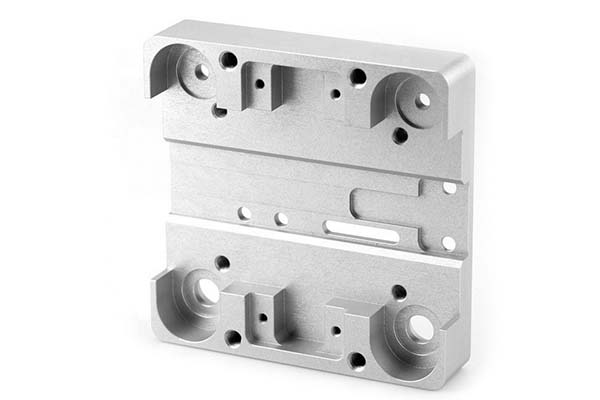
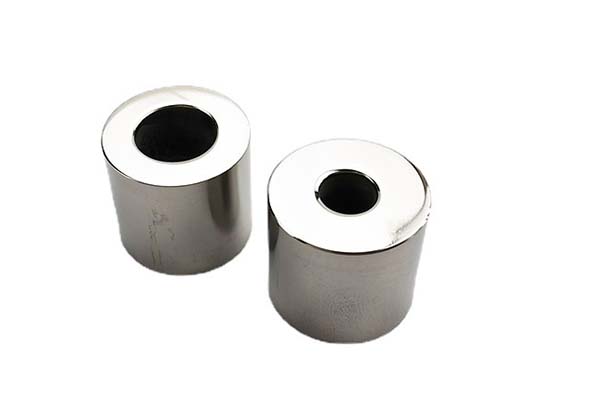
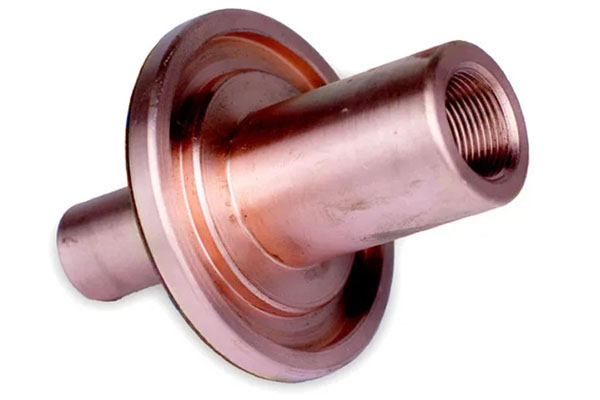
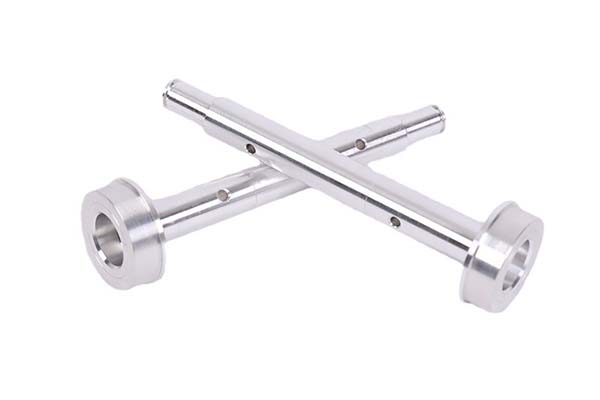
- CNC machining: Ideal for functional metal and plastic parts with tight tolerances
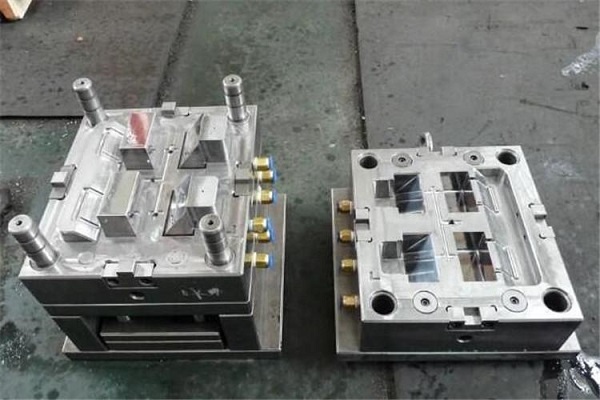
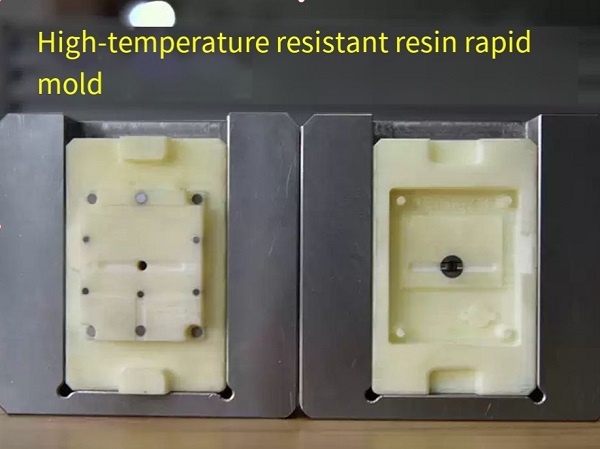
- Injection molding: Best for prototypes that closely mimic final production parts
- Vacuum casting: Good for small batches of near-production quality parts
- Sheet metal fabrication: For brackets, enclosures, and structural components
A startup developing ergonomic wireless earbuds used 3D printing early to test fit and comfort. Later, they used injection molding for functional prototypes to validate material behavior. Working with a single company that offered both services simplified the process.
How Much Experience Do They Have?
Experience matters. Industry data shows that companies with over 10 years of prototyping experience have a 70% higher success rate on complex projects compared to those with less than 5 years.
An experienced firm has seen a wide range of design challenges. They know what fails and what works. For medical device prototyping, experience means understanding biocompatibility requirements, sterilization methods, and regulatory expectations.
A company that has produced prototypes for surgical instruments will know that a smooth surface finish is not just about aesthetics—it affects how easily the instrument cleans and sterilizes.
What Is Their Quality Process?
Quality assurance separates reliable partners from the rest. Ask about:
- Material sourcing: Do they use certified materials from reputable suppliers?
- In-process inspections: Do they check dimensions during production, not just at the end?
- Final inspection tools: Do they use coordinate measuring machines (CMMs) or 3D scanners to verify tolerances?
A good prototyping company will have a documented quality process. They should be able to tell you how they ensure each part matches your CAD file.
How Do They Handle Pricing?
Pricing structures vary. Understand how you will be charged.
| Pricing Model | Best For | What to Watch |
|---|---|---|
| Per-project | Well-defined scope, simple parts | Ensure all steps are included |
| Per-hour | Complex projects with iterations | Ask for estimated hours upfront |
| Combination | Mixed material and labor costs | Clarify what triggers extra charges |
A simple 3D-printed prototype might cost $200–$500 on a per-project basis. A complex CNC-machined metal part requiring multiple design rounds might be better suited to an hourly model.
Always request a detailed quote. It should break down material costs, labor, finishing, and shipping. Watch for hidden fees like design consultation charges or expedite fees.
What Is Their Typical Turnaround?
Time matters. A McKinsey study found that for every six-month delay in bringing a product to market, a company can lose up to 33% of potential lifetime profit.
Some companies offer rapid turnaround. A simple 3D-printed part might ship in 24–48 hours. More complex processes like injection molding with custom tooling may take 2–4 weeks.
Ask for realistic timelines. A company that promises impossibly fast delivery may cut corners on quality or post-processing.
How Do You Compare Shortlisted Companies?
Once you have a few candidates, use a structured approach to compare them.
Create a Comparison Table
A simple table helps you see the differences clearly.
| Company | Services | Price Range | Delivery Time | Customer Feedback |
|---|---|---|---|---|
| Company A | 3D printing, CNC, injection molding | $500–$5,000 | 1–3 weeks | 4.5/5 – praised for quality and speed |
| Company B | 3D printing, vacuum casting | $400–$4,000 | 1–2 weeks | 4/5 – good communication, higher cost |
| Company C | CNC machining, sheet metal | $600–$6,000 | 2–4 weeks | 4.2/5 – strong metal expertise |
This format lets you weigh trade-offs. Company A may cost more but offer faster delivery. Company C may specialize in exactly the materials you need.
Request Detailed Quotes
Most companies have online contact forms. When requesting a quote, provide:
- CAD files or detailed sketches
- Preferred materials (if any)
- Quantity needed
- Desired surface finish
- Timeline requirements
A detailed request gets a more accurate quote. It also shows the company you understand the process, which often leads to better communication.
When quotes arrive, review them carefully. Does the price include finishing? Is shipping listed separately? Are design revisions covered, or will they cost extra?
Evaluate the Proposals
Look beyond the price. A good proposal should:
- Outline the steps from design to delivery
- Justify the chosen method and materials
- Include quality checkpoints
- Provide a clear timeline
If a company proposes an expensive material without explaining why, ask questions. A good partner will explain trade-offs and may suggest cost-effective alternatives that still meet your requirements.
A quote significantly lower than others may signal low quality or hidden costs. A much higher quote may not be competitive. Balance price against reputation, experience, and the completeness of the proposal.
What Questions Should You Ask Before Deciding?
Before signing anything, ask these questions:
- Who will be my main contact? – A single point of contact prevents communication gaps.
- How do you handle design changes? – Clarify the process and any associated costs.
- Can you share examples of similar projects? – Past work shows their capability in your industry.
- What happens if a part is out of tolerance? – Understand their rework or refund policy.
- Do you offer finishing services? – Painting, polishing, or assembly may be needed.
How Does Yigu Technology Approach Prototyping?
At Yigu Technology, we treat prototyping as a collaborative process. Our goal is to help you learn what you need to know about your design—without surprises.
We Match Methods to Your Goals
We do not push one technology. If your project needs quick form testing, we recommend 3D printing. If you need functional metal parts with tight tolerances, we use CNC machining. If you are preparing for production, we offer injection molding and vacuum casting.
A client developing a handheld medical device needed both ergonomic testing and functional validation. We provided 3D-printed models for initial grip testing. After design refinements, we delivered CNC-machined prototypes in medical-grade plastic for sterilization testing. The client moved to production with confidence.
We Build Quality Into Every Step
Our quality process starts with material verification. We source from certified suppliers. During production, we conduct in-process inspections. Final parts are measured using CMM and 3D scanning to confirm tolerances.
We Communicate Clearly
You get a dedicated contact who knows your project. We provide regular updates. When issues arise, we present options and recommendations rather than surprises.
Conclusion
Choosing the right prototyping company comes down to matching your needs with the right capabilities. Look for a partner who offers the services you need, has relevant experience, follows a clear quality process, and communicates pricing honestly.
Take time to compare options. Create a comparison table. Request detailed quotes. Ask thoughtful questions. The right partner does more than make parts—they help you move from concept to production with fewer risks and faster results.
Frequently Asked Questions
How much does prototyping typically cost?
Costs vary widely. A simple 3D-printed part may cost $50–$500. A complex CNC-machined metal part can range from $500–$5,000. Injection-molded prototypes with custom tooling often start around $1,000–$3,000. Request detailed quotes for your specific project.
How long does prototyping take?
Simple 3D-printed parts can be ready in 24–72 hours. CNC machining typically takes 5–10 days. Injection molding or vacuum casting may require 2–4 weeks. Timelines depend on part complexity and current workload.
What files do I need to provide?
STEP or IGES files are preferred for most processes. STL files work for 3D printing but lack detail for machining. Include a PDF with critical dimensions if tolerances are tight.
Can I make changes after the prototype is made?
Yes. That is the point of prototyping. Expect to run multiple iterations. Ask your partner how they handle design changes and whether revisions are included in the initial quote.
Do I need a prototype for every part?
Not always. Simple parts with straightforward manufacturing may not need prototyping. For complex geometries, tight tolerances, or user-facing products, prototyping is highly recommended.
Contact Yigu Technology for Custom Manufacturing
Ready to bring your product idea to life? Yigu Technology provides end-to-end prototyping services for plastic and metal parts. From quick-turn 3D printing to precision CNC machining, our team helps you move from concept to validation efficiently. Contact us today to discuss your project requirements.