Introduction
Walk through any modern building. Look at the pipes carrying water. Examine the window frames. Check the flooring. Chances are, you’re looking at PVC—one of the most widely used plastics on earth.
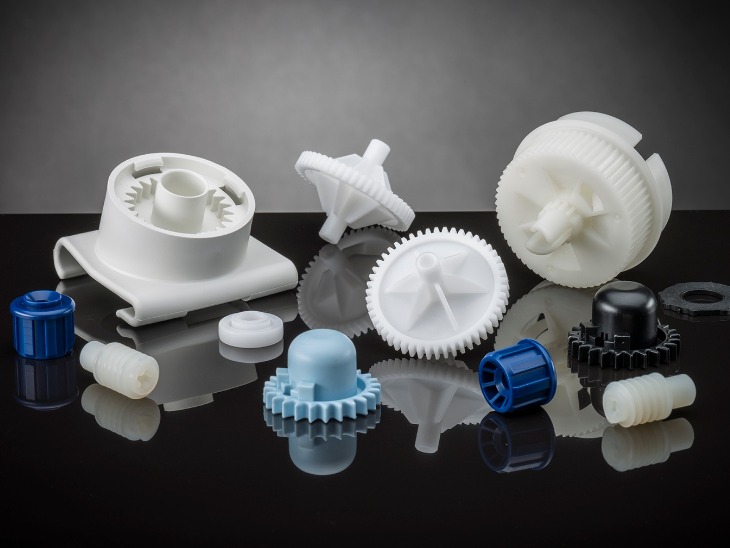
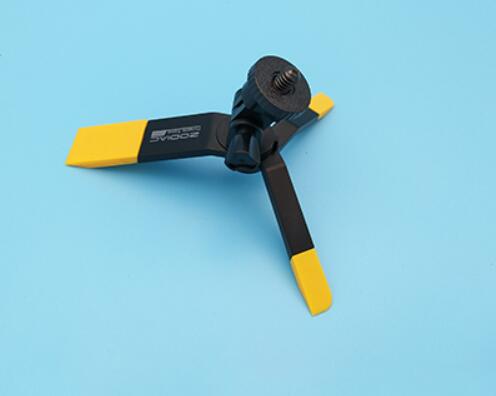
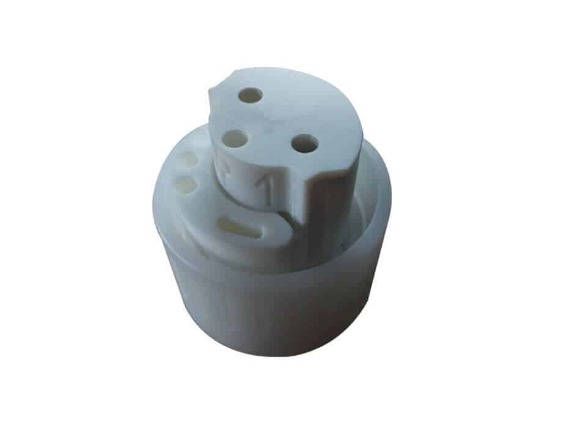
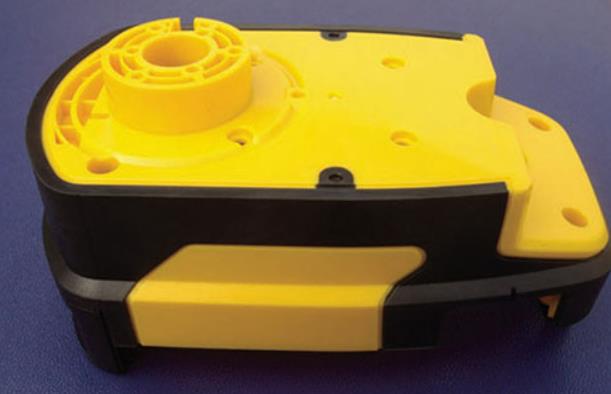
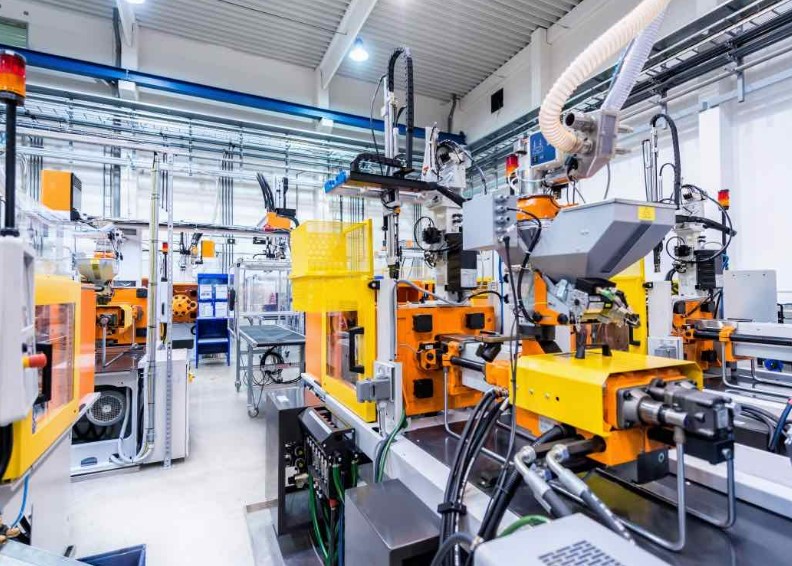
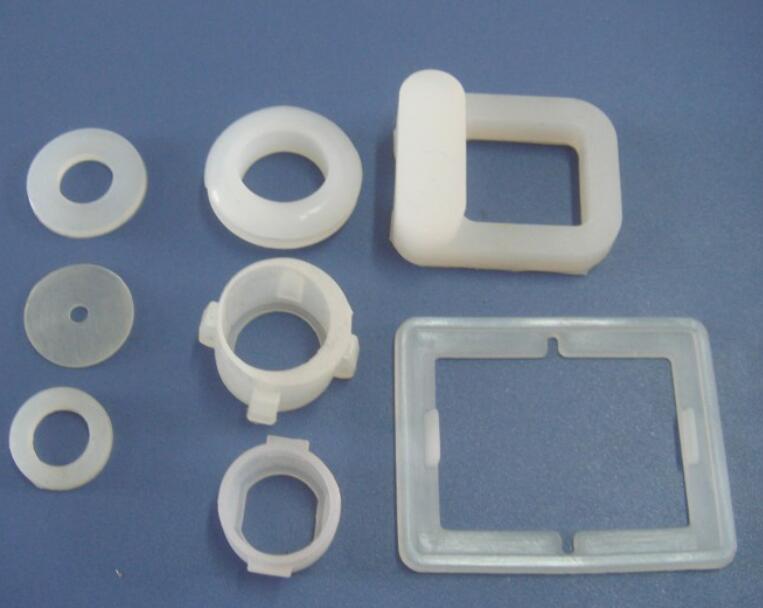
PVC pellets injection molding transforms small, uniform pellets into finished products that surround us daily. From construction materials to automotive parts to consumer goods, this process delivers versatility at a cost that makes mass production possible.
But PVC isn’t like other plastics. It behaves differently. It demands specific processing conditions. Get them wrong, and parts degrade, discolor, or fail prematurely. Get them right, and you unlock a material that balances performance, durability, and affordability.
This guide explores the injection molding process for PVC pellets, the properties that make PVC unique, and the applications where it excels. Whether you’re specifying materials or optimizing production, you’ll find practical insights here.
What Makes PVC a Unique Molding Material?
PVC—Polyvinyl Chloride—stands apart from other thermoplastics. It’s available in two distinct forms: rigid and flexible. Rigid PVC (uPVC) offers strength and dimensional stability. Flexible PVC incorporates plasticizers that make it soft and pliable.
Key Properties
| Property | Rigid PVC | Flexible PVC |
|---|---|---|
| Hardness | High | Low to medium |
| Flexibility | Low | High |
| Chemical resistance | Excellent | Good |
| Temperature resistance | Up to 60–70°C | Up to 60–80°C (varies) |
| Common uses | Pipes, window frames | Hoses, wire insulation, toys |
PVC’s chemical resistance makes it ideal for applications exposed to water, acids, and alkalis. Its weatherability allows outdoor use without significant degradation. And its cost-effectiveness makes it accessible for high-volume production.
But PVC has a critical limitation: it degrades under excessive heat. Processing temperatures must stay within a narrow window to avoid decomposition, which releases corrosive gases and discolors the material.
How Does the PVC Pellets Injection Molding Process Work?
Step 1: Raw Material Preparation
PVC pellets arrive with varying moisture content. Moisture causes bubbles, surface splay, and weakened parts. Drying is essential.
Use a hot air dryer at 80–100°C for 2–4 hours. This temperature range removes moisture effectively without risking premature degradation. For colored products, add colorants at this stage. Mix thoroughly to ensure uniform color distribution.
Step 2: Heating and Melting
Pellets feed into the injection molding machine’s barrel. Heating elements raise the temperature gradually. PVC’s melting range is 160–200°C.
Several factors affect the exact temperature:
- Resin grade: Different PVC formulations have slightly different melting points
- Additives: Plasticizers lower the melting temperature
- Screw design: Proper mixing ensures uniform melt
The screw rotates continuously, mixing and transporting the material. This ensures all PVC reaches the same molten state before injection.
Step 3: Injection into the Mold
Once melted, the PVC is forced into the mold cavity under pressure. Injection pressure typically ranges from 50 to 150 MPa.
Higher pressure may be needed for:
- Complex mold geometries
- Long flow paths
- Thin-wall sections
Injection speed matters too. Too slow, and the mold may not fill completely. Too fast, and air entrapment or surface defects occur. Injection time ranges from 1 to 10 seconds, depending on part size and complexity.
Step 4: Cooling and Solidification
Cooling begins immediately after injection. The mold contains water channels. Cold water—typically 15–25°C —circulates, absorbing heat from the molten PVC.
Cooling rate affects final properties:
- Too slow: Larger crystal formations; reduced mechanical properties; rougher surface
- Too fast: Internal stress; warping; cracking
Cooling time depends on wall thickness. Thin-walled parts may cool in 5–10 seconds. Thick-walled parts can require 30 seconds or more.
Step 5: Ejection and Post-Processing
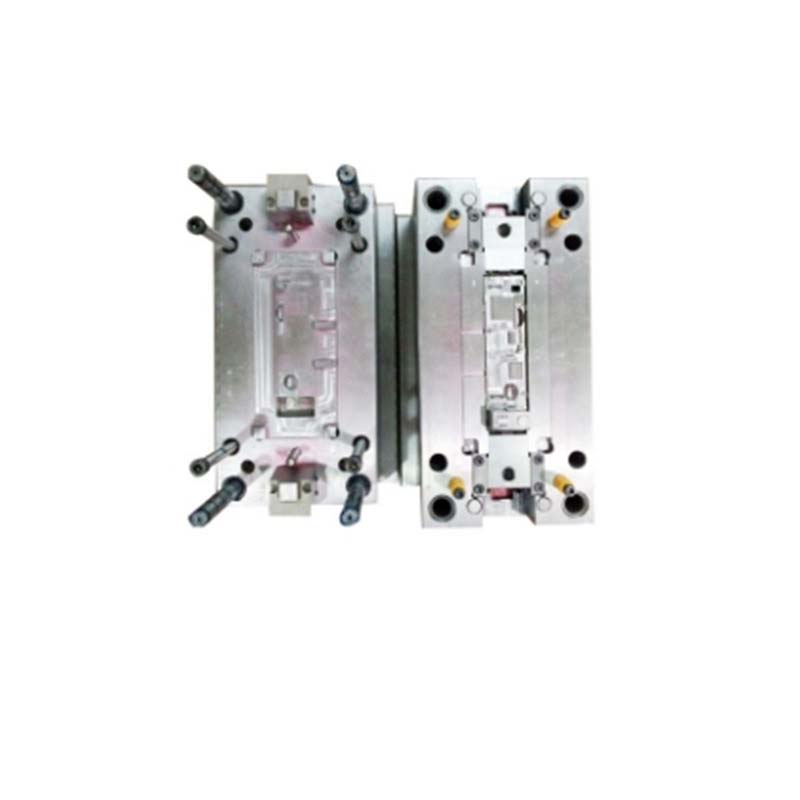
Once solidified, the mold opens. Ejector pins push the finished part out.
Post-processing steps include:
- Trimming: Removing runner and gate systems
- Quality inspection: Visual checks for cracks, holes, uneven surfaces
- Dimensional measurement: Verifying specifications
- Surface treatments: Polishing or painting when required
What Are the Critical Process Parameters?
Getting PVC right means controlling several variables precisely.
| Parameter | Typical Range | Impact of Deviation |
|---|---|---|
| Drying temperature | 80–100°C | Too low: moisture remains; too high: premature degradation |
| Melt temperature | 160–200°C | Too low: poor flow; too high: degradation, discoloration |
| Injection pressure | 50–150 MPa | Too low: short shots; too high: flash, stress |
| Cooling water temperature | 15–25°C | Too warm: longer cycles; too cold: internal stress |
| Cooling time | 5–30+ seconds | Too short: warping; too long: reduced throughput |
A Real-World Example
A manufacturer of PVC electrical conduit experienced intermittent burning—dark streaks in finished parts. Investigation revealed the root cause: barrel temperature had drifted to 210°C at the nozzle. At this temperature, PVC began degrading, releasing hydrochloric acid gas and carbonizing.
After recalibrating thermocouples and reducing melt temperature to 185°C, the burning disappeared. Scrap rate dropped from 12% to under 2% .
What Are the Common Defects and How Do You Fix Them?
| Defect | Common Causes | Solutions |
|---|---|---|
| Burn marks | Excessive melt temperature; screw speed too high | Reduce barrel temperature; lower screw RPM |
| Bubbles/voids | Moisture in pellets; insufficient drying | Extend drying time; check dryer performance |
| Short shots | Low injection pressure; low melt temperature | Increase pressure or temperature |
| Flash | Excessive injection pressure; worn mold | Reduce pressure; inspect mold for wear |
| Warping | Uneven cooling; internal stress | Balance cooling channels; adjust cooling time |
| Surface splay | Moisture; contamination | Improve drying; clean material handling |
Where Is PVC Pellets Injection Molding Used?
Construction Industry
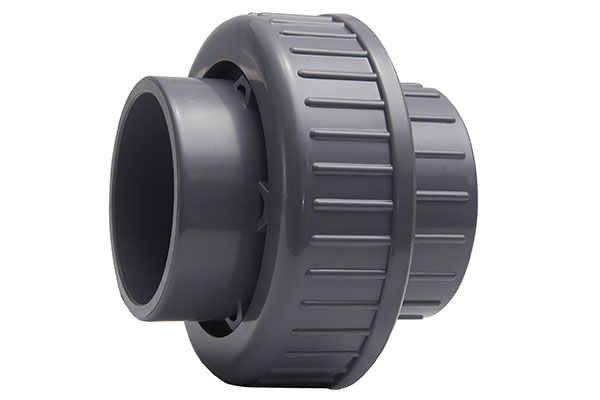
PVC pipes dominate water supply and drainage systems. Their corrosion resistance ensures long-term reliability. The smooth inner surface reduces friction, maintaining flow efficiency. And compared to copper or steel, PVC pipes cost significantly less—a critical factor in large-scale projects.
Window frames and door accessories represent another major application. PVC window frames offer excellent thermal insulation. Studies show buildings with PVC frames can reduce heating and cooling energy consumption by up to 30% compared to traditional wooden or metal frames. Door handles and hinges resist wear even under varying weather conditions.
Automotive Industry
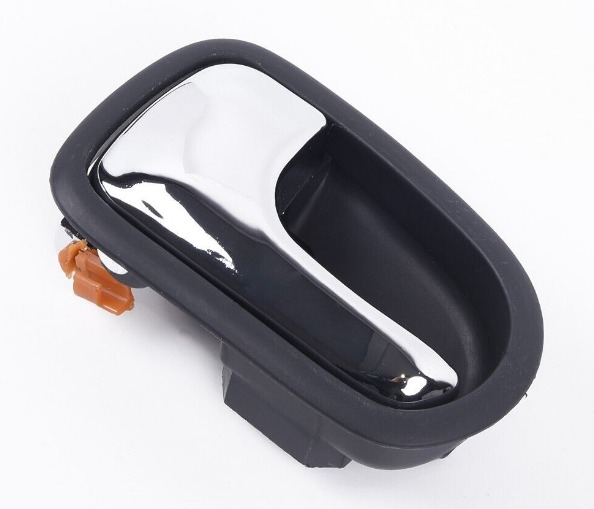
Dashboard covers benefit from PVC’s lightweight nature—reducing vehicle weight and improving fuel efficiency. The material’s heat-insulating properties protect underlying components from engine and solar heat. PVC’s moldability allows complex, ergonomic shapes that enhance interior design.
Bumpers use PVC for its impact-absorbing capabilities. Upon impact, the material deforms, absorbing energy, then returns to its original shape. This protects the vehicle body and passengers during minor collisions. The cost advantage over metal or composite bumpers makes PVC the choice for mass-produced vehicles.
Consumer Goods
Toys leverage PVC’s flexibility and color-fastness. Soft PVC toys—rubber ducks, action figures—are non-toxic with smooth surfaces safe for children. Vibrant colors added during molding create appealing products that withstand rough play.
Home furnishings include shower curtains, floor tiles, and decorative trim. PVC shower curtains resist water, clean easily, and come in countless designs. PVC floor tiles mimic wood or stone at a fraction of the cost. They resist scratches and stains, with easy DIY installation.
Medical Applications
PVC appears in medical tubing, blood bags, and IV containers. Its flexibility, clarity, and compatibility with sterilization methods make it suitable for single-use medical products. Formulations with specific plasticizers meet biocompatibility requirements.
How Do You Select the Right PVC Grade?
Choosing the correct PVC formulation is critical. Consider:
- Rigid vs. flexible: Determined by plasticizer content
- Heat stability: Higher stability grades for applications exposed to elevated temperatures
- Impact resistance: Modified grades for products subject to physical stress
- Color requirements: Pre-colored pellets or natural for custom coloring
- Regulatory compliance: Food-grade, medical-grade, or UL-rated options available
For outdoor applications, specify UV-stabilized grades to prevent yellowing and surface degradation over time.
Can Recycled PVC Be Used?
Yes, recycled PVC pellets can be used for injection molding. However, quality varies significantly. Recycled material may have:
- Inconsistent properties from previous processing
- Contamination from mixed materials
- Degraded additives requiring replenishment
Successful use of recycled PVC requires:
- Sorting: Separating by type and color
- Cleaning: Removing contaminants
- Stabilizer addition: Compensating for depleted additives
- Testing: Verifying properties before production
Many manufacturers blend recycled PVC with virgin material—typically 10–30% recycled content —to maintain consistent quality while reducing material costs.
Conclusion
PVC pellets injection molding delivers products that balance performance, durability, and affordability. The material’s versatility—from rigid pipes to flexible toys—makes it indispensable across industries.
But PVC demands respect. Narrow processing windows require precise control of temperature, pressure, and cooling. Moisture must be eliminated before molding. Degradation must be prevented at every stage.
When these conditions are met, PVC delivers consistent, high-quality parts that perform for years. When they’re not, defects multiply rapidly. Understanding the material’s unique requirements separates successful production from costly scrap.
FAQ
What is the difference between rigid and flexible PVC in injection molding?
Rigid PVC contains no plasticizers or very low amounts. It offers high strength and dimensional stability—ideal for pipes and window frames. Flexible PVC incorporates plasticizers (typically 20–40%) that make the material soft and pliable—suitable for hoses, toys, and wire insulation.
What causes PVC to degrade during injection molding?
PVC degrades when exposed to excessive heat (above 220–240°C) or prolonged residence time in the barrel. Degradation releases hydrochloric acid gas, causing discoloration (yellowing to browning), surface defects, and reduced mechanical properties. Proper temperature control and machine sizing prevent this.
How do you dry PVC pellets before molding?
Use a hot air dryer at 80–100°C for 2–4 hours. This removes surface moisture without causing degradation. Drying time depends on initial moisture content and pellet quantity. For hygroscopic PVC grades, desiccant dryers may be required.
Can PVC injection molded parts be recycled?
Yes. Post-industrial scrap (runners, reject parts) can be reground and reused. Post-consumer recycling is more complex due to contamination and mixed material streams. Recycled PVC often blends with virgin material—typically 10–30%—for consistent properties.
What are the temperature limits for PVC injection molding?
Melt temperature should stay within 160–200°C. Below this range, flow becomes poor, causing short shots. Above this range, degradation begins. Barrel zones should increase gradually from feed to nozzle, with the nozzle temperature typically the highest but still within the range.
Contact Yigu Technology for Custom Manufacturing
At Yigu Technology, we bring deep expertise to PVC injection molding. Our team understands the narrow processing windows, material selection criteria, and quality requirements that separate successful parts from failures. We work with rigid and flexible PVC grades across construction, automotive, consumer, and medical applications. From material selection to process optimization, we deliver consistent quality. Contact us today to discuss your PVC injection molding project.