In the world of product manufacturing, efficiency, consistency, and precision are non-negotiable. For anyone developing plastic components, partnering with a professional Plastic Injection Molding Service is often the decisive factor between a prototype and a successful, market-ready product. This comprehensive guide cuts through the noise to deliver substantive, actionable insights. We'll explore not just the "what" but the "why" and "how," providing a clear pathway from understanding the core process to selecting the ideal partner. You'll gain a thorough perspective on the key benefits for manufacturers, the critical materials, cost drivers, and quality assurance practices that define top-tier services, empowering you to make informed decisions for your next project.
What is a Plastic Injection Molding Service?
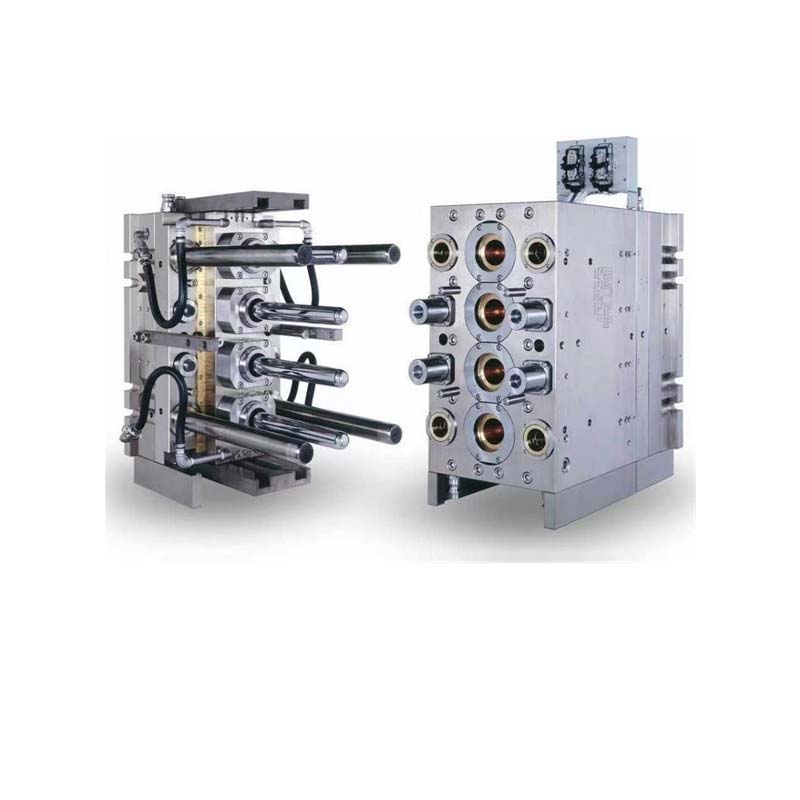
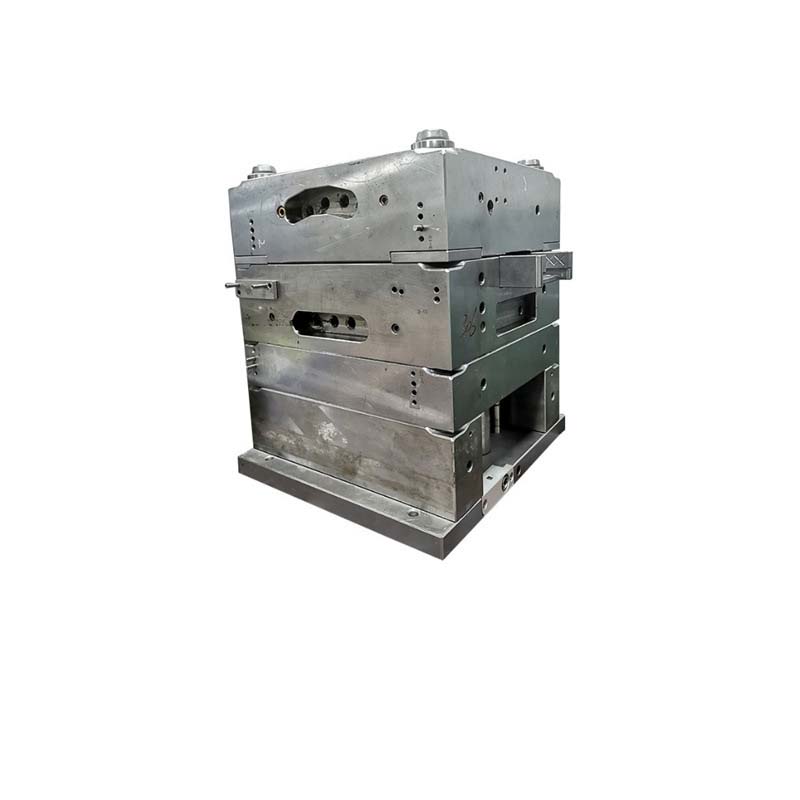
A Plastic Injection Molding Service is a comprehensive manufacturing partnership that transforms raw plastic resin into identical, high-volume parts. While the core technical process involves injecting molten plastic into a precision mold, the service encompasses the entire product realization journey. It begins with collaborative design analysis, extends through expert mold engineering and fabrication, and includes the managed production, finishing, and quality assurance of your parts.
True value lies in the provider's expertise. A seasoned service doesn't just run a machine; it applies deep knowledge of material behavior, flow dynamics, and thermal management to optimize every aspect. For instance, a medical device manufacturer might partner with a service specializing in clean-room molding and biocompatible materials. The service would guide them through critical FDA-compliant design rules, such as incorporating living hinges and seamless seals to prevent bacterial growth, ultimately ensuring the part is not only manufacturable but also meets stringent regulatory standards.
What are the Key Benefits for Manufacturers?
The decision to engage a specialized service is driven by tangible, strategic advantages that impact the entire product lifecycle.
- Unmatched Efficiency & High-Volume Output: Once the mold is perfected, injection molding produces parts in cycles lasting seconds to minutes. This creates an unparalleled economy of scale. For example, a consumer electronics company producing a complex remote housing can achieve outputs of tens of thousands of units per week, ensuring stable supply for global demand.
- Superior Consistency and Part Precision: Modern injection molding machines, coupled with robust process control, yield exceptionally consistent parts. Tight tolerances, often within ±0.005 inches (0.127mm) or better, are standard. This repeatability is critical for components like automotive connectors that must snap together perfectly every single time, assembly after assembly.
- Significant Material and Design Flexibility: The process accommodates an immense range of engineered thermoplastics, elastomers, and even liquid silicone rubber (LSR). This allows designers to select materials for exact properties: UV resistance for outdoor gear, flame retardancy for appliance housings, or flexibility for protective caps.
- Strength and Reduced Part Count: Through clever design, multiple parts can be consolidated into a single, stronger molded component. This design for assembly (DFA) approach, guided by the molding service's engineers, reduces assembly time, minimizes potential failure points, and lowers overall inventory.
- Minimized Waste and Sustainability Potential: Unlike subtractive manufacturing, injection molding uses nearly all the material fed into the machine. Sprues and runners can often be reground and reused. Furthermore, services now offer expertise in using recycled and bio-based polymers, helping brands meet their environmental goals without compromising performance.
Which Industries Rely on This Process?
The versatility of injection molding makes it a cornerstone technology across virtually every sector. Its ability to deliver durable, precise, and cost-effective parts at scale ensures its indispensability.
| Industry | Typical Applications | Why Injection Molding is Critical |
|---|---|---|
| Medical & Life Sciences | Surgical instruments, IV components, ventilator housings, diagnostic test cartridges. | Demands high precision, biocompatible materials, and validation for sterility (ISO 13485 standards). |
| Automotive | Interior dash panels, light housings, fluid reservoirs, connectors, under-hood components. | Requires material durability against heat/cold/chemicals, high-volume output, and consistent quality. |
| Consumer Electronics | Smartphone cases, laptop shells, connector housings, button arrays. | Enables sleek, complex geometries, excellent finish quality, and ESD-safe materials for circuit protection. |
| Packaging | Thin-walled containers, tamper-evident caps, cosmetic jars, blister packs. | Provides clarity, high-speed production, and precise sealing features at a very low per-unit cost. |
| Aerospace & Defense | Air ducting, cabin interior components, drone housings, connectors. | Utilizes high-performance, lightweight materials (like PEEK) and must meet rigorous certification standards. |
What Materials Work Best for Injection Molding?
Material selection is a science that directly dictates a part's function, cost, and manufacturability. A professional Plastic Injection Molding Service provides indispensable guidance here. The most commonly used materials fall into families, each with distinct properties.
- General-Purpose & Commodity Thermoplastics: These are workhorses known for low cost and ease of processing.
- Polypropylene (PP): Excellent chemical resistance, living hinge capability. Used for food containers, automotive parts, and medical devices.
- Acrylonitrile Butadiene Styrene (ABS): Tough, impact-resistant, with a good surface finish. Ideal for consumer electronics housings, LEGO bricks, and automotive trim.
- Engineering Thermoplastics: Offer enhanced mechanical, thermal, or chemical properties.
- Polycarbonate (PC): Outstanding impact strength and transparency. Used for bullet-resistant glass (layered), eyewear lenses, and medical device housings.
- Nylon (Polyamide, PA): High strength, wear resistance, and temperature tolerance. Common in gears, bearings, and automotive under-hood components.
- High-Performance & Specialty Materials: Used for extreme environments.
- PEEK (Polyether Ether Ketone): Exceptional thermal stability, chemical resistance, and strength. A staple in aerospace, medical implants, and semiconductor applications.
- Liquid Silicone Rubber (LSR): Biocompatible, flexible, and heat-stable. Used for medical seals, baby bottle nipples, and kitchenware.
How are Quality and Precision Maintained?
Achieving precision is one thing; maintaining it across millions of cycles is another. Reputable services employ a multi-layered approach to quality assurance (QA) that is integrated from the start.
- Preventive Quality: Design and Tooling Excellence: Quality begins with the mold. Using mold flow analysis software, engineers simulate plastic flow to predict and eliminate defects like air traps, weld lines, or sink marks before steel is ever cut. A precision-machined mold from hardened tool steel is the first critical investment in consistent quality.
- Process Control During Production: Modern machines are equipped with sensors that monitor and auto-adjust key parameters—injection pressure, temperature, cooling time, and screw speed—in real-time. This closed-loop control compensates for minor material lot variations, ensuring cycle-to-cycle consistency.
- Systematic Inspection and Validation: A robust QA system includes:
- First Article Inspection (FAI): A comprehensive dimensional and functional check of the first parts off the mold, often using a Coordinate Measuring Machine (CMM).
- Statistical Process Control (SPC): Tracking key dimensions from sampled parts throughout the run to detect any subtle process drift.
- Automated Optical Inspection (AOI): For high-volume parts, cameras can instantly detect surface flaws or assembly issues.
Cost Factors and Pricing Considerations
Understanding the cost structure demystifies quotations and helps in planning. Costs are typically divided into two main categories.
- Non-Recurring Engineering (NRE) / Tooling Cost: This is the upfront investment to design and build the mold. It is influenced by:
- Part size and complexity.
- Required mold material (hardened steel vs. pre-hardened steel vs. aluminum).
- Number of cavities (how many parts per cycle).
- Tolerance and finish requirements.
- Per-Piece Part Cost: This is the recurring cost for each unit produced. Key drivers include:
- Material Cost: The type and volume of plastic used.
- Cycle Time: The faster the cycle, the lower the cost per part.
- Labor & Overhead: Associated with machine operation and secondary operations.
- Part Volume: Higher volumes dramatically reduce the per-piece cost as the fixed tooling cost is amortized.
Pro Tip: Engage your service provider early for a Design for Manufacturability (DFM) review. Often, a slight design tweak—like adding a slight draft angle or uniform wall thickness—can simplify the mold, reduce cycle time, and lower both NRE and per-part costs significantly.
How Do You Choose the Right Service Provider?
Selecting a partner is a strategic decision. Look beyond just price per piece and evaluate their entire capability ecosystem.
- Evaluate Technical Expertise and Experience: Do they have a portfolio in your industry? Ask for specific case studies. An automotive supplier's needs differ vastly from a toy manufacturer's.
- Assess Technological Capabilities: Inquire about their machine sizes (tonnage), whether they offer overmolding or insert molding, and if they have in-house tooling design and maintenance.
- Scrutinize Quality Certifications and Systems: Certifications like ISO 9001 (Quality Management) and IATF 16949 (Automotive) are strong indicators of a systematic approach. Ask about their documentation and traceability procedures.
- Analyze Communication and Project Management: Your point of contact should be responsive and technically fluent. A clear, staged project plan with regular update milestones is essential.
- Consider Scalability and Supply Chain Support: Can they scale from prototyping (perhaps with aluminum molds) to full production? Do they offer secondary services (assembly, packaging) or logistics support?
Conclusion
A professional Plastic Injection Molding Service is far more than a parts supplier; it is a strategic extension of your engineering and production team. The key benefits for manufacturers—unrivaled efficiency, repeatable precision, material versatility, and ultimate cost-effectiveness at scale—make it an indispensable process for bringing robust, reliable products to market. By understanding the intricacies of materials, quality control, cost drivers, and partner selection outlined in this guide, you are equipped to engage with these services confidently. The right partnership will not only manufacture your parts but will also enhance your design, streamline your production, and contribute directly to the success of your product.
FAQ
What is the typical lead time for an injection molding project?
Lead time varies dramatically. A simple part with an aluminum prototype mold might take 4-6 weeks. A complex, multi-cavity production steel mold for a high-precision component can take 12-16 weeks or more for the first parts. Always discuss timelines in detail with your provider.
How many parts do I need for injection molding to be cost-effective?
While it varies, injection molding becomes highly cost-competitive compared to 3D printing or machining at volumes from hundreds to thousands of parts. The breakeven point is where the amortized tooling cost plus the low per-part cost undercuts the per-part cost of other methods.
What is the difference between a prototype mold and a production mold?
Prototype molds are often made from softer aluminum, have fewer cavities, and are designed for lower volumes (hundreds to a few thousand parts) to validate design and function quickly. Production molds are made from hardened steel, are more robust, have multiple cavities for efficiency, and are built to withstand millions of cycles.
Can injection molding use recycled plastics?
Yes, absolutely. Many services offer molding with post-industrial recycled (PIR) or post-consumer recycled (PCR) content. Material properties must be carefully evaluated, and processing parameters may need adjustment. This is a growing area driven by sustainability goals.
Contact Yigu Technology for Custom Manufacturing.
Are you ready to transform your design into a high-quality, market-ready product? At Yigu Technology, we combine deep engineering expertise with state-of-the-art manufacturing capabilities to deliver exceptional Plastic Injection Molding Services. From initial DFM consultation and precision mold making to full-scale production and assembly, we are your dedicated partner in innovation. Contact us today for a confidential project review and discover how we can bring efficiency, precision, and value to your supply chain.