
In the world of modern manufacturing, machined components manufacturers form the critical backbone of countless industries. From the car you drive to the medical device that saves lives, precision-machined parts are indispensable. This article delves deep into the world of these specialized manufacturers, exploring the core processes, techniques, and quality standards that define excellence in this field. We’ll provide a clear, expert-guided tour from basic definitions to advanced applications, empowering engineers, procurement specialists, and business decision-makers with the knowledge to engage effectively with these vital suppliers.
What Are Machined Components?
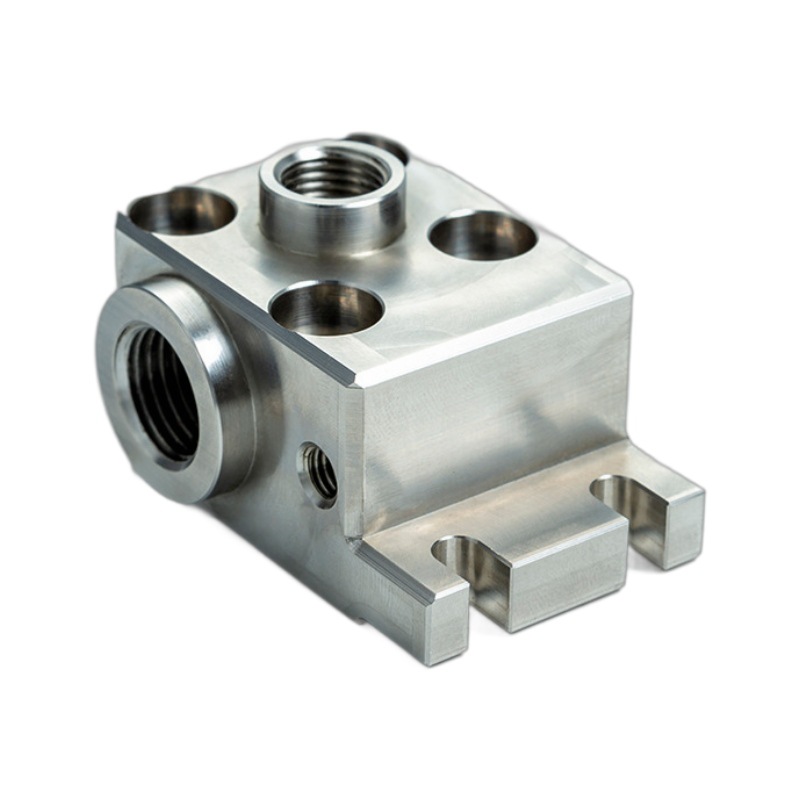
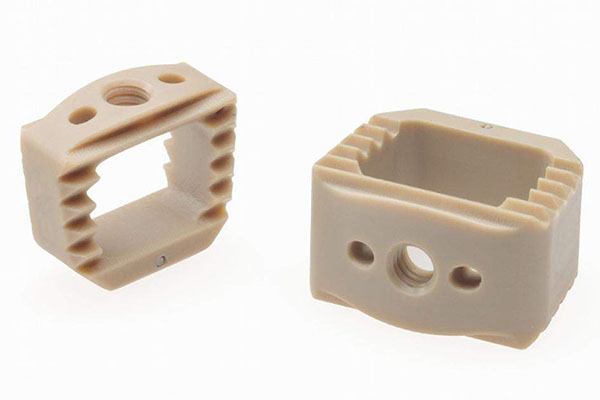
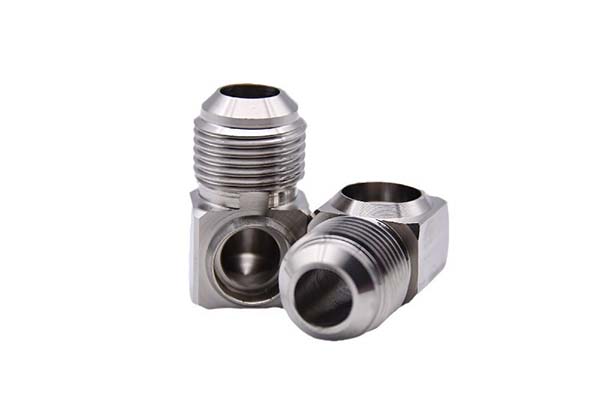
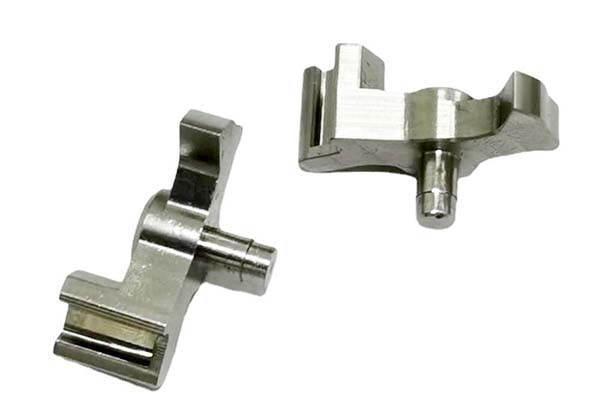
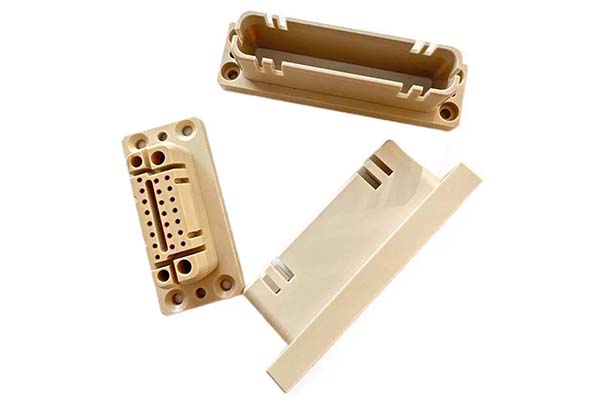
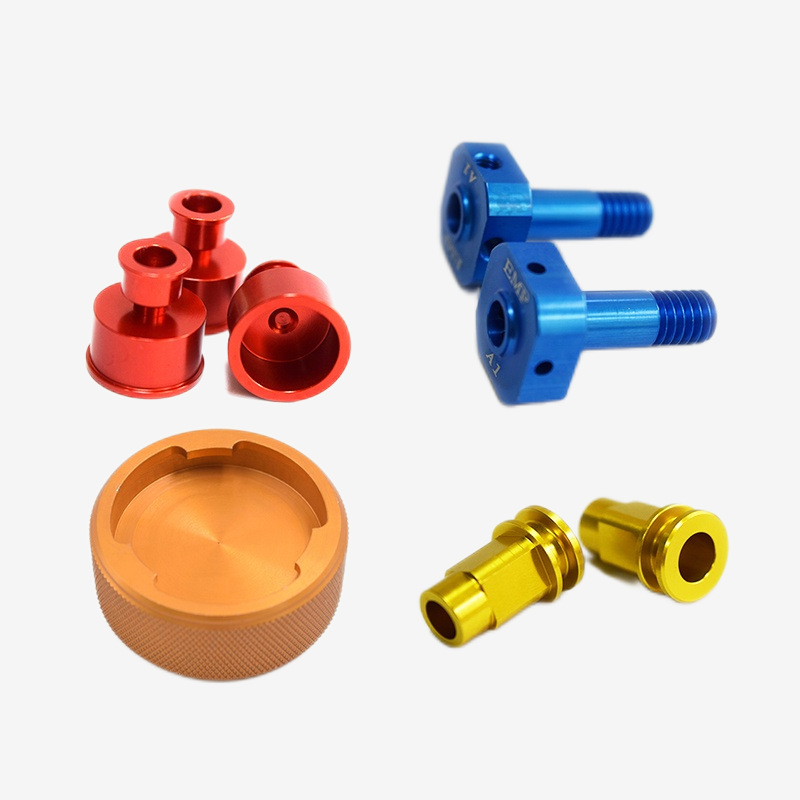
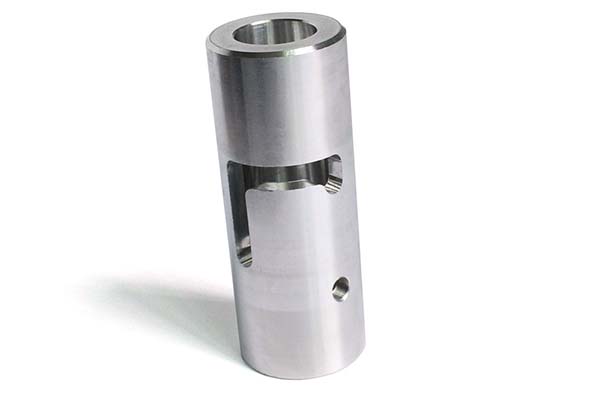
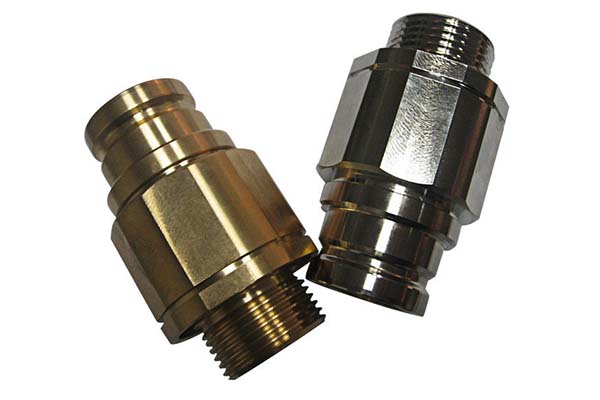
Machined components are precisely engineered parts created by removing material from a solid block, known as a workpiece, using controlled material removal processes. Unlike molded or cast parts, machined parts are known for their exceptional dimensional accuracy, tight tolerances, and superior surface finishes. These precision parts can range from simple spacers to incredibly complex geometries, such as turbine blades or intricate medical implants.
The output of machined components manufacturers is fundamental in applications where reliability, fit, and function are non-negotiable. They are the building blocks that ensure mechanical assemblies operate smoothly, safely, and as designed.
The Core Manufacturing Process
The journey from raw material to a finished, high-precision component follows a meticulous, multi-stage workflow. Leading machined components manufacturers adhere to a structured process to ensure consistency and quality.
- Design & Engineering Review: The process begins with a detailed analysis of the component's CAD model and drawings. Engineers assess manufacturability, identify potential challenges, and suggest design for manufacturability (DFM) optimizations to reduce cost and improve production efficiency.
- Material Selection & Preparation: Based on the component's requirements, the appropriate material is selected (discussed in detail later). The raw material is then cut into blanks or billets of suitable size for the machining operations.
- Machine Programming: For CNC (Computer Numerical Control) machining, the dominant modern method, programmers create toolpaths using CAM (Computer-Aided Manufacturing) software. This code dictates every movement of the cutting tools.
- Setup & Fixturing: The workpiece is securely clamped onto the machine tool using custom fixtures. Proper fixturing is critical to prevent vibration and movement, which directly impacts precision machining outcomes.
- Machining Operations: The part undergoes a series of operations, which may include milling, turning, drilling, and more, often on advanced multi-axis CNC machines.
- Secondary Operations: After primary machining, parts may require deburring, heat treatment, plating, anodizing, or other surface finishes to meet final specifications.
- Quality Assurance & Inspection: Rigorous inspection using tools like CMMs (Coordinate Measuring Machines) and optical comparators verifies that every dimension and tolerance is met before shipment.
Which Machining Techniques Are Most Effective?
The effectiveness of a technique depends on the required geometry, material, volume, and precision. The most capable machined components manufacturers master a diverse portfolio of processes.
| Technique | Core Principle | Best For | Key Advantage |
|---|---|---|---|
| CNC Milling | Rotary cutting tools remove material from a stationary workpiece. | Complex 3D shapes, slots, pockets, and contoured surfaces. | Unparalleled flexibility for complex geometries. |
| CNC Turning | Workpiece rotates while a stationary cutting tool removes material. | Cylindrical parts like shafts, pins, and bushings. | Excellent for high-speed, concentric part production. |
| Multi-Axis Machining | Combines milling/turning on machines with 4, 5, or more axes of motion. | Highly complex, monolithic components (e.g., aerospace structures). | Reduces setups, improves accuracy on intricate parts. |
| Swiss Machining | Specialized lathe where the workpiece moves axially through a guide bushing. | Long, slender, small-diameter parts with tight tolerances. | Exceptional stability and precision for miniature components. |
| Precision Grinding | Uses an abrasive wheel for final material removal. | Achieving ultra-fine surface finishes and extremely tight tolerances. | Provides the highest level of dimensional accuracy and finish. |
Case in Point: A manufacturer faced a challenge producing a high-performance aluminum aerospace bracket with thin, unsupported walls. Using 3+2 axis milling led to chatter and inaccuracy. By switching to full 5-axis simultaneous machining, they were able to maintain optimal tool engagement, resulting in a perfect, rigid part in a single setup, reducing production time by 35%.
How Is Quality Control Implemented?
For machined components manufacturers, quality control is not a final step but a philosophy integrated into every stage. It’s the system that ensures the precision and reliability of every component shipped.
- First Article Inspection (FAI): A comprehensive inspection of the first part off the line, comparing every feature against the original drawing. This validates the entire manufacturing process before full production begins.
- In-Process Inspection: Operators use calibrated instruments (micrometers, calipers, gauges) to check critical dimensions at regular intervals during a production run to catch any process drift immediately.
- Statistical Process Control (SPC): Data from measurements is tracked in real-time using control charts. This allows manufacturers to predict and prevent deviations before they result in non-conforming parts, moving from detection to prevention.
- Advanced Metrology: Investment in technology like Coordinate Measuring Machines (CMMs) and optical scanners provides 3D dimensional analysis with micron-level accuracy, generating detailed reports for traceability.
- Certification & Standards: Reputable manufacturers maintain certifications like ISO 9001 (Quality Management) and AS9100 (Aerospace). Adherence to these frameworks provides a verified, systematic approach to quality.
What Materials Are Typically Used?
Material selection is a cornerstone engineering decision that affects machinability, performance, and cost. Expert machined components manufacturers possess deep knowledge of material properties and machining characteristics.
- Metals: The most common category, chosen for strength, durability, and thermal conductivity.
- Aluminum Alloys (e.g., 6061, 7075): Lightweight, good strength-to-weight ratio, and excellent machinability. Widely used in aerospace and automotive.
- Stainless Steels (e.g., 303, 304, 316): Offer corrosion resistance and strength. Common in medical, food processing, and marine applications.
- Alloy Steels (e.g., 4140, 4340): Provide high strength and toughness, often used in automotive and industrial machinery after heat treatment.
- Titanium (e.g., Grade 2, Grade 5): Exceptional strength-to-weight ratio and biocompatibility. Critical for aerospace and medical implants, though challenging to machine.
- Plastics & Engineering Polymers: Used for electrical insulation, reduced weight, and corrosion resistance.
- PEEK: A high-performance thermoplastic with excellent chemical and thermal resistance, used in demanding medical and aerospace settings.
- Delrin (Acetal): Known for its high stiffness, low friction, and dimensional stability, ideal for gears and bearings.
- Exotic Alloys: Including Inconel, Hastelloy, and other high-temperature superalloys. They retain strength in extreme environments (e.g., jet engines, chemical plants) but are notoriously difficult to machine, requiring specialized expertise.
Industry Applications and Demand
The demand for high-quality machined components is surging, driven by technological advancement and increasing performance requirements across sectors.
- Aerospace & Defense: This sector demands the utmost in precision, reliability, and material performance. Components must withstand extreme stresses and temperatures. Manufacturers here work with advanced alloys and operate under stringent standards like AS9100. Demand is fueled by new aircraft programs and defense modernization.
- Medical & Life Sciences: The shift towards minimally invasive surgery and personalized medicine requires incredibly complex, miniaturized, and biocompatible components. Swiss-type machining is often employed for tiny bone screws and surgical tool tips. The aging global population is a key demand driver.
- Automotive & Electric Vehicles (EVs): While traditional powertrain components remain, the EV revolution is creating new demand. Machined components manufacturers are producing complex housings for electric motors, battery cooling plates, and sensor mounts with high precision.
- Industrial Automation & Robotics: The rise of Industry 4.0 requires robust, precise parts for robotic arms, linear guides, and tool changers. These components enable the speed and repeatability of modern automated systems.
Industry Trend Insight: A significant trend is the move towards vertically integrated manufacturing. Leading manufacturers are not just machining shops; they offer full-service solutions including design, prototyping, advanced surface treatment, and assembly. This provides customers with a single point of accountability, reduces supply chain complexity, and accelerates time-to-market.
Conclusion
Choosing the right machined components manufacturer is a strategic decision that impacts product quality, innovation speed, and overall business success. It requires a partner that combines advanced technological capabilities with deep material expertise, unwavering commitment to quality control systems, and an understanding of your specific industry’s challenges. By focusing on manufacturers that demonstrate true engineering partnership, rigorous process control, and a proven track record in your application area, you secure not just a supplier, but a critical contributor to your product's reliability and performance.
FAQ
What is the difference between CNC machining and 3D printing for components?
CNC machining is a subtractive manufacturing process, removing material from a solid block to create a part. It excels at producing parts with excellent mechanical properties, tight tolerances, and smooth finishes from a wide range of metals and plastics. 3D printing (Additive Manufacturing) builds parts layer by layer. It is ideal for highly complex, lightweight geometries that are difficult or impossible to machine, but it can have limitations in surface finish, material strength, and precision compared to CNC.
How do I evaluate the quality capability of a machined components manufacturer?
Key indicators include their quality certifications (ISO 9001, AS9100, etc.), their investment in inspection equipment (like CMMs), their process documentation, and their willingness to conduct a First Article Inspection. Requesting a Capability Analysis (Cpk/Ppk) report for critical dimensions on a sample run provides statistical proof of their process control and ability to hold tolerances consistently.
What are the key factors that influence the cost of machined parts?
The primary cost drivers are: Part Complexity (more features/axes = higher cost), Material Choice (exotic alloys are more expensive than standard aluminum), Required Tolerances (tighter tolerances significantly increase cost and time), Production Volume (high volumes amortize setup costs), and Secondary Operations (like plating or heat treatment). A good manufacturer will provide Design for Manufacturability (DFM) feedback to help optimize these factors.
What information should I provide to get an accurate quote for machined components?
To receive a precise and timely quote, provide: Detailed 2D Drawings (with all dimensions, geometric tolerances, and critical callouts), 3D CAD Models (STEP or IGES format), Material Specification, Quantity Requirements, and any relevant Industry Standards (e.g., medical, aerospace) that must be followed. Clear communication of the part's function can also help the manufacturer suggest optimal solutions.
What is the typical lead time for prototyping vs. production machining runs?
Lead times vary greatly. For simple prototypes, lead times can be as short as 1-2 weeks. For complex prototypes or low-volume production, it may extend to 3-5 weeks. High-volume production runs require time for extensive process validation and fixture design upfront, but per-part time decreases significantly. Always discuss timeline requirements early with your manufacturer.
Contact Yigu Technology for Custom Manufacturing.
Are you looking for a manufacturing partner that combines engineering expertise with relentless precision? At Yigu Technology, we specialize in high-quality custom machined components for the most demanding industries. From prototype to production, our advanced CNC capabilities, rigorous quality systems, and collaborative engineering approach ensure your project’s success. Contact us today to discuss your specifications and receive a comprehensive, value-driven quote. Let's build precision together.