Finding the right injection molding service partner is a critical decision that can determine the success of your product. It’s about far more than just getting parts made; it’s about forging a relationship with a manufacturer that acts as a true extension of your team. This guide will walk you through the key factors to consider, from foundational expertise to post-production support, ensuring you select a company that delivers quality, reliability, and value for your project.
Understanding the Basics of Injection Molding
What is Injection Molding?
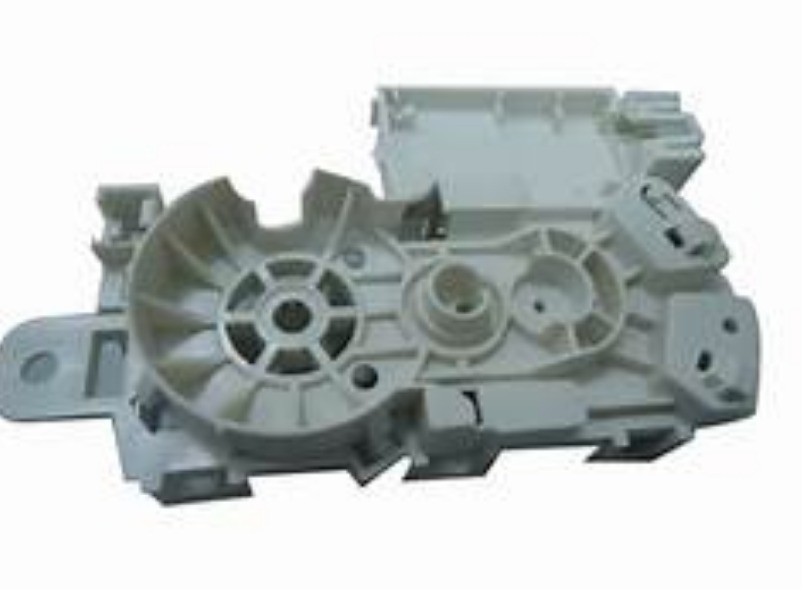
Injection molding is a high-efficiency manufacturing process for producing identical plastic parts in large volumes. It involves melting plastic pellets and injecting the molten material under high pressure into a precision steel or aluminum mold. Once cooled and solidified, the part is ejected. This process is renowned for its repeatability, excellent surface finish, and complex part geometry capabilities. From tiny medical device components to large automotive dashboards, it’s the backbone of mass-produced plastic goods.
Why is Choosing the Right Company So Important?
Your chosen injection molding service provider directly impacts your product's cost, quality, and time-to-market. A subpar partner can lead to defective parts, delayed launches, and costly redesigns. In contrast, an expert molder acts as a collaborative engineer, optimizing your design for manufacturability (DFM), ensuring material selection aligns with function and cost, and implementing rigorous quality control processes. The right partnership mitigates risk and adds significant value throughout your product's lifecycle.
Key Factors to Consider When Choosing a Partner
Experience and Expertise: What’s Their Track Record?
Years in the Industry
While new companies can be innovative, a long operational history often signifies resilience, refined processes, and accumulated problem-solving knowledge. A company with 20+ years of experience has likely navigated various market cycles and complex client challenges, building a depth of practical, hands-on expertise that is invaluable.
Range of Projects Handled
Examine their portfolio. Do they have proven success in your industry? A molder experienced in medical device manufacturing will be well-versed in FDA-compliant materials, cleanroom protocols, and extreme documentation (lot traceability). Conversely, a consumer electronics molder excels at achieving cosmetically perfect finishes and tight tolerances for snap-fits. Look for a company whose project experience aligns with your specific requirements for complexity, material, and regulatory standards.
Example: A startup developing a rugged IoT sensor housing needed a molder who understood both the structural demands of polycarbonate blends and the aesthetic requirements for a consumer-facing product. They chose a service with a portfolio spanning automotive interiors and consumer electronics, gaining crucial DFM advice that prevented sink marks and improved assembly.
Quality Assurance: Can They Guarantee Consistency?
Certifications
Formal certifications are a baseline indicator of a commitment to systematic quality. ISO 9001:2015 certification demonstrates a standardized quality management system. For regulated industries, ISO 13485 (medical devices) and IATF 16949 (automotive) are critical. These aren’t just plaques on the wall; they require audited processes for everything from document control to corrective action.
In-house Quality Control Processes
Go beyond certifications and ask how they ensure quality on the production floor. The best companies integrate QC at every stage:
- First Article Inspection (FAI): A comprehensive report verifying the first parts from a new mold meet all specifications.
- Statistical Process Control (SPC): Real-time monitoring of key process variables (like pressure and temperature) to detect variations before they create rejects.
- In-house Metrology Lab: Equipped with tools like CMM (Coordinate Measuring Machines) and optical comparators for precise dimensional validation.
Equipment and Technology: Are They Modern and Capable?
Modern Machinery
A diverse fleet of modern presses from reputable manufacturers (e.g., Engel, Arburg, Haitian) allows for flexibility and precision. Key questions include:
- What is the range of clamp tonnage (e.g., 50 to 500 tons)?
- Do they have specialized machines for liquid silicone rubber (LSR) or overmolding if needed?
- How is maintenance handled to prevent downtime?
Use of CAD/CAM Technology
The journey from your 3D model to a finished part hinges on digital tools. A forward-thinking molder will utilize:
- Advanced CAD Software for thorough Design for Manufacturability (DFM) analysis, identifying potential issues like wall thickness variations or improper gate locations.
- CAM Programming and CNC machining for high-precision mold manufacturing in-house, ensuring tighter control over mold quality and lead times.
- Moldflow Simulation to predict how plastic will fill the mold, allowing optimization to avoid air traps, weld lines, or stress points before steel is cut.
Cost-Effectiveness: What’s the Real Price?
Pricing Structure
Understand their quoting model. A transparent quote should break down:
- Non-Recurring Engineering (NRE) Costs: Primarily mold design and fabrication.
- Part Price per Unit: Influenced by material, cycle time, and volume.
A good partner will discuss trade-offs; a more expensive mold with better cooling might yield a faster cycle time, lowering the per-part cost at high volumes.
Hidden Costs to Watch For
Be wary of quotes that seem too good to be true. Ask about:
- Mold maintenance and repair policies and costs.
- Setup charges for production runs.
- Additional fees for packaging, shipping, or expedited services.
| Cost Factor | What It Typically Includes | Questions to Ask |
|---|---|---|
| Mold/Tooling Cost | Design, steel, machining, finishing, testing. | Is mold ownership transferred? What is the warranty? |
| Part Price | Material, machine time, labor, overhead. | How does price scale with volume (e.g., at 10k, 50k, 100k units)? |
| Additional Fees | Quality reports, special packaging, expediting. | Are these included in the quote or billed separately? |
Customer Service: Will They Be a True Partner?
Responsiveness
From the initial quote request to production updates, communication speed and clarity are paramount. Gauge their engagement during the quoting phase. Do they ask insightful questions about your application and requirements?
After-sales Support
The relationship shouldn’t end at delivery. Evaluate their support for:
- Production Monitoring: Can you get updates on order status?
- Inventory Management: Do they offer kanban or vendor-managed inventory (VMI) programs?
- Continuous Improvement: Are they proactive in suggesting material or process improvements for cost savings in future runs?
Frequently Asked Questions (FAQ)
What is the typical lead time for an injection molding project?
Lead times vary dramatically. A simple mold might take 4-6 weeks, with production starting shortly after. Complex molds can take 12+ weeks. Prototyping services like rapid tooling can deliver first parts in as little as 1-3 weeks. Always discuss timeline expectations upfront.
How do I know if my design is ready for injection molding?
A reputable injection molding service will provide a formal DFM (Design for Manufacturability) report. This analysis reviews your design for uniform wall thickness, appropriate draft angles, proper rib design, and optimal gate locations to ensure it can be molded efficiently and defect-free.
What’s the difference between a prototype mold and a production mold?
Prototype molds are often made from aluminum or soft steel, are less expensive and faster to build, but may only last for 100-10,000 cycles. Production molds are made from hardened steel, are more costly and time-intensive to build, but are engineered for durability over hundreds of thousands to millions of cycles.
Can you handle both the mold making and the production molding?
Many top-tier companies offer vertical integration, handling mold design, mold fabrication, and production molding all under one roof. This integrated approach improves communication, reduces overall project timelines, and ensures accountability for the final part quality.
Contact Us for Your Custom Manufacturing Project
Choosing the best injection molding service is a multifaceted decision with long-term implications for your business. It requires a partner that combines technical expertise, robust quality systems, modern technology, and collaborative customer service.
If you are looking for a partner that embodies these principles and is dedicated to turning your concept into a high-quality, market-ready product, we invite you to reach out. Our team of engineers is ready to provide expert DFM feedback, a transparent quote, and a seamless path to production. Let's discuss how we can bring precision and reliability to your next project.