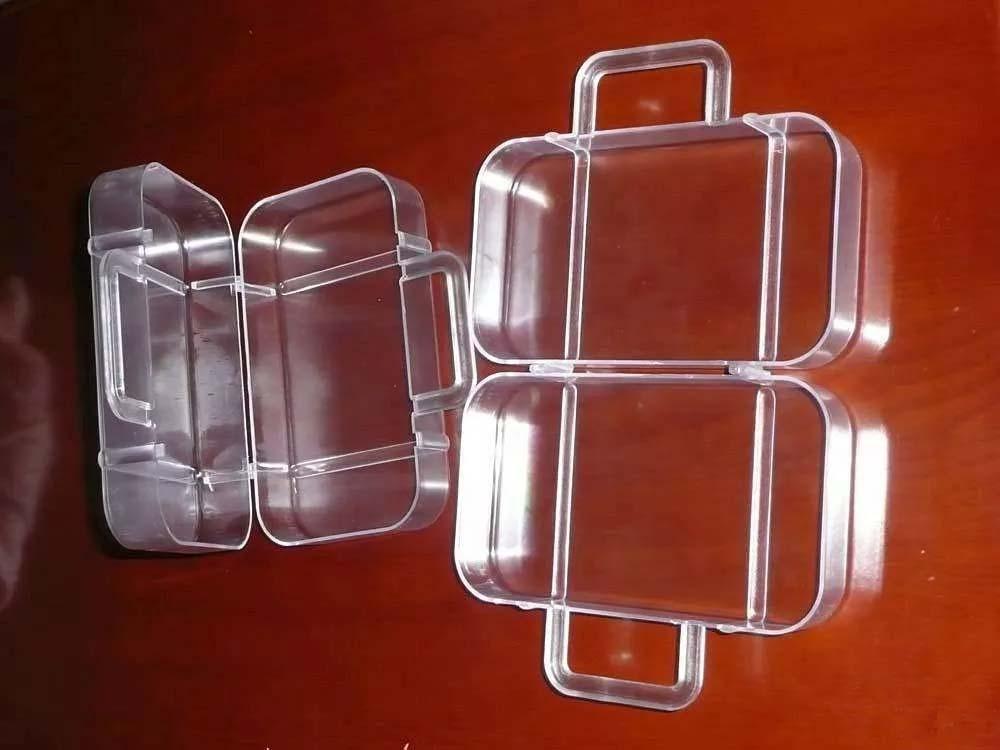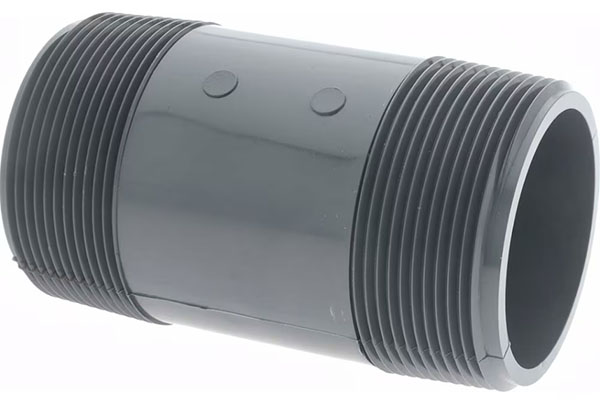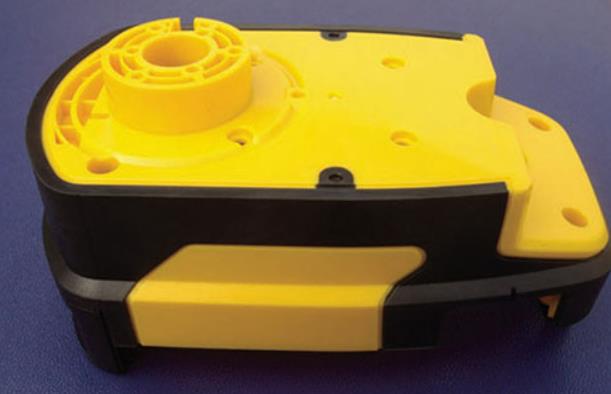
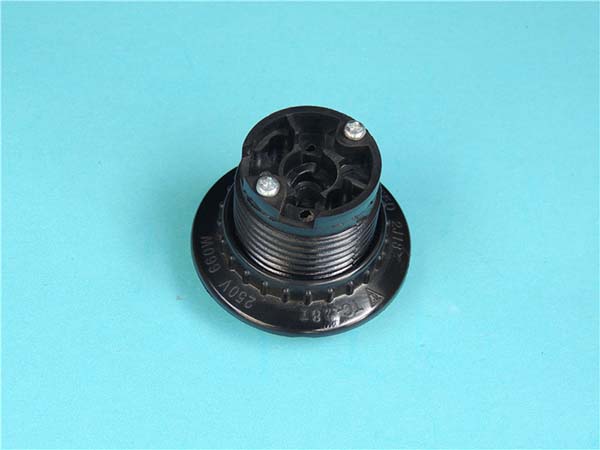
Stepping into the world of injection molding can feel overwhelming for a beginner. This guide cuts through the complexity, offering a clear, practical introduction to how an injection molding plastic factory operates. We’ll break down the core concepts, walk you through the step-by-step manufacturing process, and explain the critical choices around plastic materials. Whether you're an entrepreneur developing a product, a procurement specialist, or simply curious about how the plastic parts around you are made, this article provides the foundational knowledge and insider perspective you need to navigate this essential manufacturing field with confidence.
Introduction
Have you ever wondered how everything from your toothbrush to complex automotive parts is made so precisely and identically? The answer, more often than not, lies in an injection molding plastic factory. This manufacturing powerhouse is where raw plastic pellets are transformed into the myriad of durable, intricate parts that define our modern world. For newcomers, the process can seem like a black box of humming machines and technical jargon. This guide is designed to open that box. We’ll demystify the factory’s role, the science of the process, and the art of material selection, giving you the foundational knowledge to engage with this industry intelligently.
What is an Injection Molding Plastic Factory?
At its heart, an injection molding factory is a specialized facility dedicated to mass-producing plastic components through a process called injection molding. It’s not a single machine but an integrated ecosystem of technology, expertise, and logistics working in concert to create high-volume, high-precision plastic parts with remarkable efficiency.
1. Definition and Concept
Think of it as a high-precision, automated foundry for plastics. The core concept is repetition and precision: creating thousands or millions of identical parts from a single, meticulously crafted mold. The factory’s primary mission is to manage the entire lifecycle of this production, from receiving raw thermoplastic materials to shipping finished, quality-inspected components. Its success hinges on optimizing three key pillars: cycle time (how fast one part is made), part quality, and cost-effectiveness. For instance, a factory producing medical syringe components operates under vastly different cleanliness and precision protocols compared to one making garden furniture, showcasing the industry's adaptability.
2. Key Components and Equipment
A functional injection molding factory is built around several critical pieces of equipment:
- The Injection Molding Machine: This is the centerpiece. It consists of two main parts: the injection unit (which melts and injects the plastic) and the clamping unit (which holds the mold shut under immense pressure—often hundreds of tons).
- The Mold (or Tool): This is the custom-engineered heart of the process. Typically made from hardened steel or aluminum, it is a precision-machined negative of the desired part. A single mold can cost anywhere from $5,000 to over $100,000, representing a significant initial investment.
- Auxiliary Equipment: No factory runs on presses alone. This includes:
- Material Dryers: Many plastics (like Nylon or PET) are hygroscopic and must be dried before processing to prevent defects.
- Chillers: These units circulate cooled water to specific parts of the mold to solidify the plastic quickly.
- Robotic Arms (Automators): Used to remove finished parts from the mold consistently, improving cycle time and safety.
- Granulators: They grind up sprues and runners (the leftover plastic from the injection channels) so the material can be recycled back into the process.
The Injection Molding Process Demystified
How does a handful of plastic pellets become a finished product? The process is a carefully orchestrated cycle of heat, pressure, and cooling.
1. Step-by-Step Breakdown
The cycle is continuous, but we can break it down into distinct stages:
- Clamping: The two halves of the mold are securely closed and held together by the clamping unit.
- Injection: Plastic pellets are fed from the hopper into a heated barrel. A rotating screw mixes and melts the pellets into a molten state. This screw then acts as a plunger, injecting the molten plastic at high pressure into the mold cavity.
- Cooling: The molten plastic inside the mold begins to cool and solidify, taking the shape of the cavity. The chiller system manages this critical phase.
- Plasticizing: While the previous shot is cooling, the screw retracts and draws in new material for the next cycle, melting it in preparation.
- Ejection: After sufficient cooling, the mold opens, and ejector pins push the solidified part out. A robot or operator removes the part.
- Repeat: The mold closes, and the cycle begins again. A typical cycle can last from 10 seconds to over a minute, depending on the part size and material.
2. Parameter Control: The Key to Consistency
Making one good part is easy; making ten thousand identical ones is an engineering challenge. This is where precise parameter control comes in. Skilled technicians and engineers constantly monitor and adjust:
- Temperature: Barrel temperature, nozzle temperature, and mold temperature are all independently controlled.
- Pressure: Injection pressure (to fill the mold) and holding pressure (to pack more material in as it cools and shrinks) are vital.
- Speed: How fast the plastic is injected affects the part's appearance and structural integrity.
- Time: Injection time, cooling time, and overall cycle time are meticulously timed.
A real-world example: When molding a thin-walled food container from Polypropylene (PP), the injection speed must be very high to fill the mold before the material starts to cool, while the mold temperature is kept precisely controlled to ensure a glossy finish and easy ejection.
Types of Plastics Used in Injection Molding
Choosing the right material is as critical as designing the mold itself. Plastics fall into two broad categories: thermoplastics (which melt when heated and can be re-melted) and thermosets (which cure permanently and cannot be re-melted). Injection molding primarily uses thermoplastics.
1. Common Plastic Materials
Here’s a look at some industry workhorses:
| Material (Abbreviation) | Key Properties | Common Applications |
|---|---|---|
| Acrylonitrile Butadiene Styrene (ABS) | Tough, impact-resistant, good finish, easily molded. | Automotive trim, LEGO bricks, consumer electronics housings. |
| Polypropylene (PP) | Flexible, chemical resistant, fatigue resistant, low cost. | Live-hinge containers (like yogurt lids), automotive interiors, medical devices. |
| Polyethylene (PE) | HDPE is stiff; LDPE is flexible. Excellent chemical resistance. | Bottle caps, chemical tanks, toys, plastic bags (film). |
| Polystyrene (PS) | Crystal PS is clear and brittle; HIPS is impact-modified. | Disposable cutlery, CD cases, model kits. |
| Polycarbonate (PC) | Extremely tough, transparent, high heat resistance. | Bullet-proof glass (laminates), eyewear lenses, medical devices. |
| Nylon (Polyamide, PA) | Strong, wear-resistant, good temperature resistance. | Gears, bearings, electrical connectors, automotive under-hood parts. |
2. Choosing the Right Plastic
Selecting a material isn't about finding the "best" one, but the most appropriate one for the job. You must balance four key factors:
- Function: What does the part need to do? Does it need to be flexible, bear load, resist chemicals, or be food-contact safe?
- Environment: What temperature, UV exposure, or moisture will it face? An outdoor part needs UV stabilizers.
- Cost: Material cost per pound is just the start. Consider how easy it is to mold (cycle time) and if it requires pre-drying.
- Aesthetics: Does it need a specific color, gloss level, or transparency?
A professional tip from the factory floor: Don't default to an over-engineered, expensive material like PC for a simple, non-critical cover. Often, a well-designed part in ABS or PP can perform perfectly at a fraction of the cost. Always prototype and test with your shortlisted materials.
FAQ
What is the typical lead time for an injection molding project?
Lead time varies dramatically. For a simple part with an existing mold, production can start in days. A new project requires mold design (1-2 weeks), mold manufacturing (4-12+ weeks), and sample testing (1-3 weeks). Plan for a minimum of 8-12 weeks for a new part from design to mass production.
How much does a custom injection mold cost?
Mold costs are highly variable, ranging from $3,000 for a simple, single-cavity aluminum mold to $100,000+ for a multi-cavity, high-precision steel mold with complex actions. The part size, complexity, required production volume (which determines mold material: aluminum for prototypes/low volume, steel for high volume), and surface finish are the main cost drivers.
What is the minimum order quantity (MOQ) for injection molding?
Due to high mold costs, factories set MOQs to make projects viable. For prototype/low-volume aluminum molds, MOQs can be as low as 500-1,000 parts. For production steel molds, MOQs often start at 10,000 pieces or more. It's always negotiable based on part size and material.
Can you use recycled plastic in injection molding?
Yes, but with crucial caveats. Post-industrial regrind (clean scrap from the molding process itself) is commonly blended with virgin material at a 10-30% ratio for non-critical parts. Using post-consumer recycled plastic is more complex due to potential contamination and degraded material properties, requiring specialized handling and testing.
Contact Yigu technology for custom manufacturing.
Navigating the intricacies of injection molding is challenging, but you don't have to do it alone. At Yigu Technology, we combine engineering expertise with transparent partnership to guide your project from concept to delivery. We manage the entire process—from design for manufacturability (DFM) analysis and mold fabrication to precision production and rigorous quality control—ensuring you get functional, high-quality parts that meet your specifications, budget, and timeline.
Ready to bring your plastic part idea to life? Contact our engineering team today for a confidential consultation and quote. Let's transform your design into a manufacturable reality.