Introduction
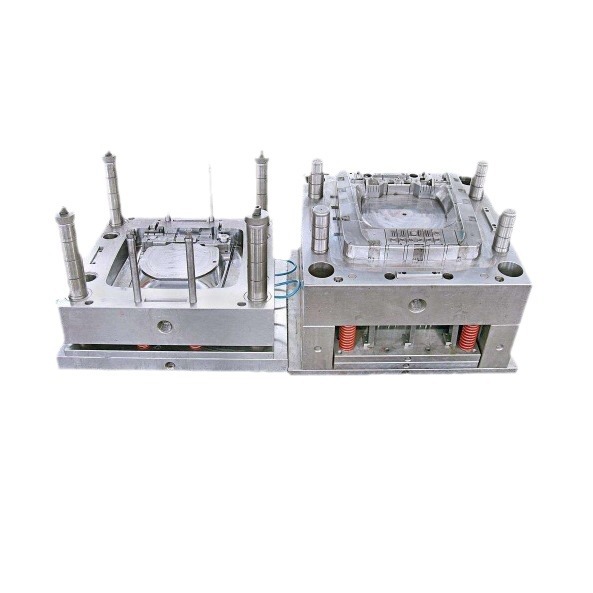
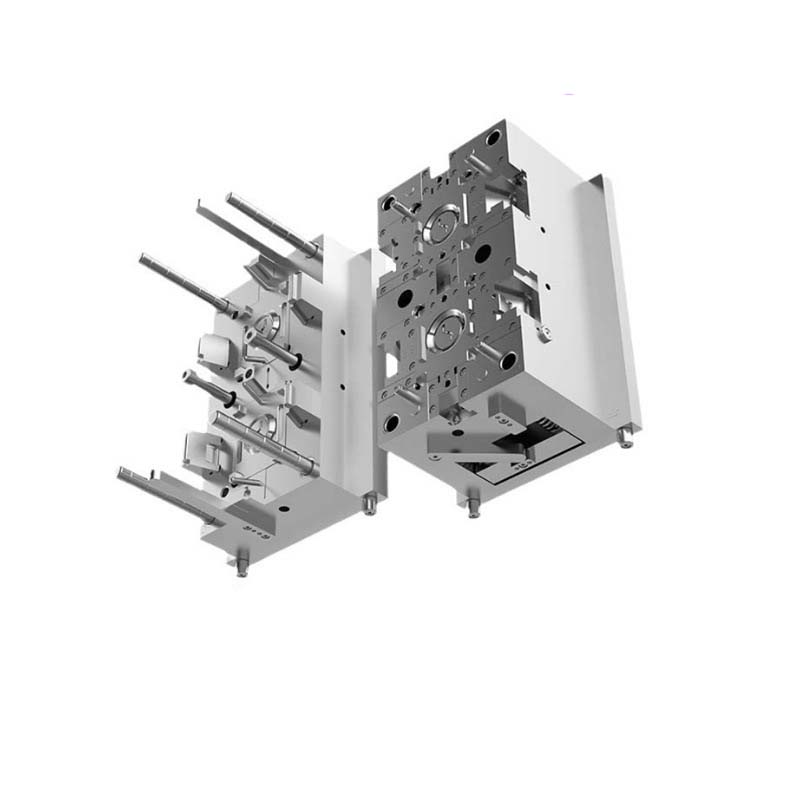
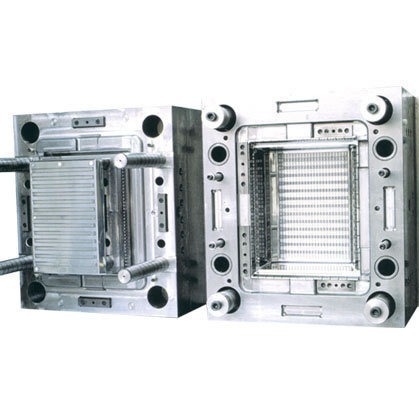
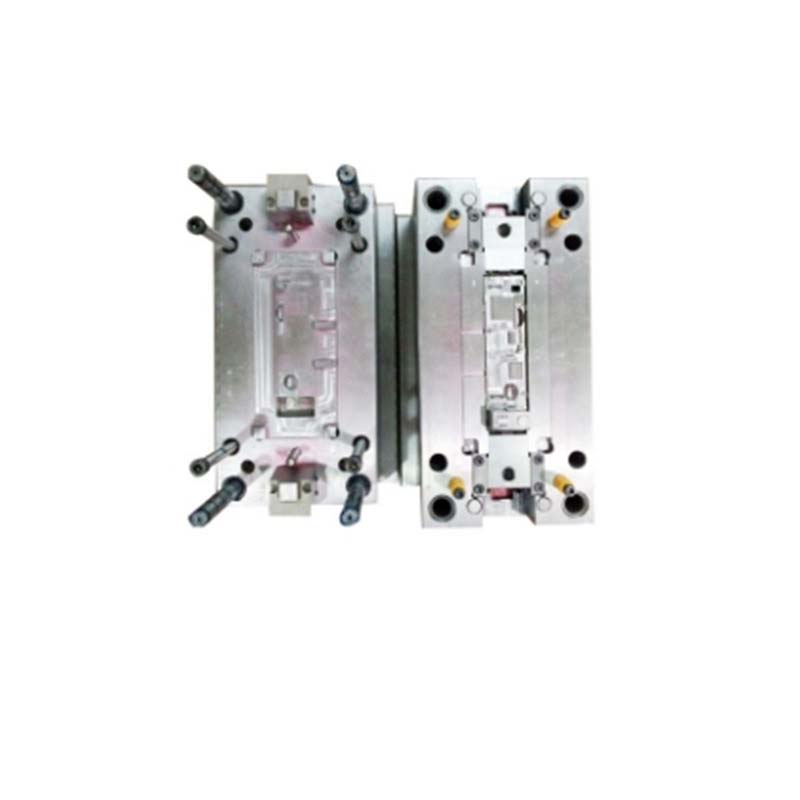
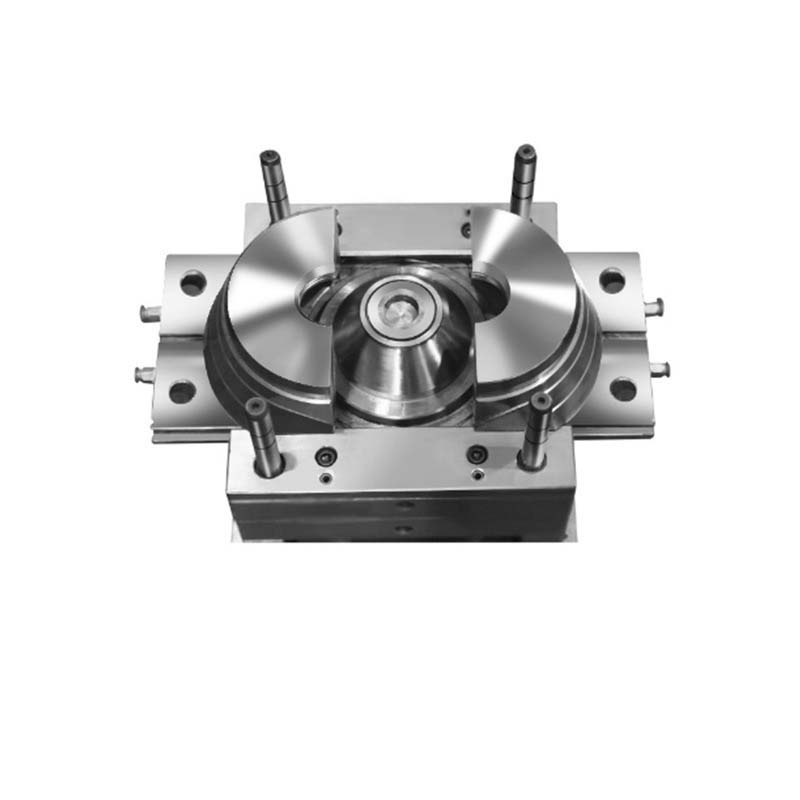
Plastic injection mold parts are everywhere. They form the backbone of modern manufacturing, shaping everything from tiny electronic components to large automotive panels. The process is simple in concept but powerful in execution: molten plastic is injected into a precision mold cavity under high pressure. As it cools, it takes the exact shape of the mold.
The numbers tell the story. Over 70 percent of plastic products in electronics, automotive, and consumer goods are made using injection molding. This widespread adoption is no accident. The benefits are substantial—precision, cost-efficiency, design freedom, and production speed.
This guide explores the key advantages of plastic injection mold parts. You will learn how they enable high-quality production at scale, why they save costs, and how they unlock design possibilities that other processes cannot match.
How Does High-Precision Manufacturing Benefit You?
Exceptional Dimensional Accuracy
Plastic injection mold parts achieve remarkable dimensional accuracy. Tolerances can be as tight as ±0.05 mm or better in advanced setups. This precision comes from the controlled environment of the injection molding machine and the precision-engineered molds.
In the medical device industry, this accuracy is critical. Syringes, catheters, and implantable components require exact dimensions. A catheter with even a slight size deviation may be difficult to insert into blood vessels, risking patient harm. According to a leading medical device manufacturer, over 95 percent of their plastic-molded medical components meet strict tolerances of ±0.03 mm.
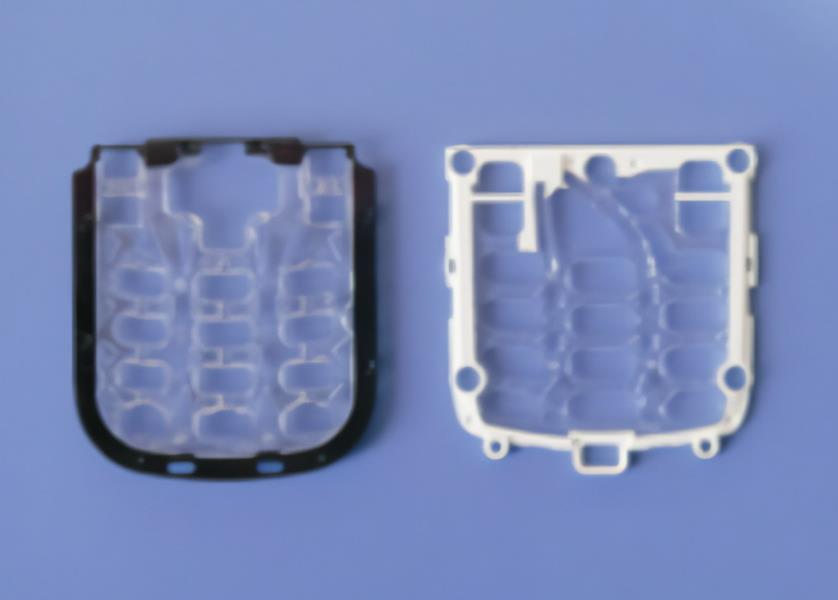
In electronics, the stakes are equally high. Smartphone camera frames and circuit board connectors must fit seamlessly with other components. A misaligned camera frame can degrade image quality or prevent function entirely. As devices continue to shrink, the demand for high dimensional accuracy only grows.
Repeatability in Production
Once a mold is properly set up, each part produced is nearly identical to the last. This repeatability is essential for industries that need large numbers of uniform components.
In automotive manufacturing, millions of plastic parts are produced annually for interiors, exteriors, and engine components. Repeatability ensures that every vehicle of the same model has consistent quality. A comparison study found that injection molding had part-to-part variation of less than 0.1 percent in key dimensions. Traditional machining showed variation of around 0.5 percent for similar production runs.
This consistency also improves assembly efficiency. Identical parts fit together without custom adjustment, saving time and labor. On a high-volume automotive assembly line, these savings add up significantly.
How Does Injection Molding Drive Cost-Efficiency?
Economies of Scale
Injection molding offers powerful economies of scale. As production volume increases, the unit cost of each part drops substantially. The initial investment in mold design and manufacturing—which can be significant—is spread over a larger number of parts.
Consider a dashboard panel mold costing $100,000:
- At 10,000 parts, mold cost per part: $10
- At 1,000,000 parts, mold cost per part: $0.10
This dramatic reduction makes injection molding extremely cost-effective for high-volume production. Raw material costs also become more favorable with larger runs, as suppliers offer volume discounts. For large-scale automotive plants producing hundreds of thousands of vehicles annually, cumulative savings can reach millions of dollars per year.
Low Material Waste
Injection molding is highly efficient in material usage. The molten plastic is precisely injected into the mold cavity. Excess plastic—runner and gate waste—can often be recycled and reused.
Compare this to other manufacturing processes:
| Process | Material Utilization Rate |
|---|---|
| Injection Molding | 90–95% |
| Machining | 40–60% |
| Plastic Casting | 70–80% |
Machining a part from a solid block can waste 50 percent or more of the original material as chips. Injection molding waste is typically under 10 percent and can be even lower with advanced mold designs. This high material utilization reduces raw material costs and has environmental benefits by minimizing waste.
What Design Flexibility Does Injection Molding Offer?
Complex Geometries Made Easy
Injection molding excels at creating complex geometries. Parts can have intricate internal structures, undercuts, and complex outer shapes that would be extremely difficult or impossible with other manufacturing methods.
In aerospace, components like turbine blades require complex airfoil shapes with precise internal cooling channels. Injection molding produces these blades with the high precision needed to withstand extreme temperatures and high-speed rotations. Similarly, avionics housings with internal ribs for structural support and precise cut-outs for connectors are readily manufactured.
In precision instruments, microscope and camera lens barrels often have complex internal threading and precise alignment features. Injection molding creates these components with the necessary precision, enabling smooth lens operation and high-quality optical performance.
Customization Options
Designers can customize color, texture, and material properties to meet specific requirements. Color masterbatch—a concentrated mixture of pigments and carrier resin—can be added to the base plastic to achieve almost any color. Mold surfaces can be polished for glossy finishes or textured for grip and aesthetic patterns.
How Does High-Speed Production Meet Market Demands?
Short Cycle Times
Injection molding offers short cycle times, typically ranging from seconds to a couple of minutes depending on part complexity. Small components like bottle caps have cycle times as short as 5 to 10 seconds. A modern injection molding machine can produce hundreds or even thousands of caps per hour.
Compare this to:
- Machining: A simple part may take several minutes to an hour
- Plastic casting: Cycle times often range from 30 seconds to several minutes
Short cycle times result from high-pressure injection for quick filling, efficient cooling systems for rapid solidification, and automated machines with fast-acting hydraulic or electric systems.
Meeting High-Volume Demands
When consumer demand spikes—during holiday seasons or new smartphone releases—injection molding facilities can scale up production. A large-scale factory with hundreds of machines running 24/7 can produce vast quantities of parts in short periods.
For example, a factory with 200 injection molding machines, each producing 500 phone cases per hour, can produce 100,000 phone cases per hour. This capability ensures manufacturers can meet market demand and deliver products on time.
The combination of high precision, repeatability, and high-speed production makes injection molding the go-to solution for industries where volume and consistency are essential.
Yigu Technology’s Perspective
As a custom supplier of non-standard plastic and metal products, we see the benefits of injection molding firsthand every day.
Our team analyzes customer requirements carefully. We have the advanced equipment and technical expertise to design and manufacture high-quality plastic injection molds. Whether we are producing high-precision parts for medical devices or large-scale components for industrial equipment, we focus on every detail.
From mold design to production, our goal is to deliver parts that meet high quality standards while contributing to efficient production processes. The benefits of injection molding—precision, cost-efficiency, design flexibility, and speed—align directly with what our customers need to stay competitive.
Conclusion
Plastic injection mold parts offer a compelling combination of benefits that have transformed manufacturing. High precision ensures parts meet strict dimensional requirements. Repeatability delivers consistent quality across millions of parts. Cost-efficiency through economies of scale and low material waste makes injection molding the economic choice for high-volume production. Design flexibility allows complex geometries and customization that other processes cannot match. High-speed production with short cycle times enables manufacturers to meet demanding market volumes.
These advantages make plastic injection molding indispensable across industries—from medical devices and electronics to automotive and aerospace. As technology continues to advance, the capabilities of injection molding will only expand, reinforcing its position as a cornerstone of modern manufacturing.
FAQ
What types of plastics are commonly used in injection mold parts?
ABS is popular for its impact resistance and heat resistance, used in automotive parts and electronic housings. PP offers chemical resistance and flexibility, widely used in food packaging and automotive interiors. PE (HDPE and LDPE) provides strength or flexibility for pipes, containers, and bags. PVC has flame-retardant properties for cable insulation and construction materials.
How can I ensure the quality of plastic injection mold parts?
Start with high-quality raw materials from reliable suppliers. Ensure precise mold design with proper draft angles, uniform wall thickness, and efficient cooling channels. Monitor production parameters like injection pressure, temperature, and cycle time closely. Conduct thorough inspections using dimensional measurement tools like CMMs and visual checks for surface defects.
Can plastic injection mold parts be recycled?
Yes. Mechanical recycling shreds, cleans, and melts parts to be remolded into new products. This works for common plastics like ABS, PP, and PE. Chemical recycling breaks down plastics into basic chemical components for synthesis into new plastics. Recycling reduces waste, conserves resources, and minimizes environmental impact.
Contact Yigu Technology for Custom Manufacturing
Looking to leverage the benefits of plastic injection molding for your next project? Yigu Technology specializes in custom non-standard plastic and metal products. Our team combines technical expertise with advanced equipment to deliver precision parts that meet your specifications.
Reach out today to discuss your manufacturing needs. Let us help you bring your products to market efficiently and reliably.