Introduction
You’ve designed a great product. You’ve found a market. Now you need the components that will make it happen. The plastic injection mold parts you choose—and the supplier behind them—directly impact your product’s quality, cost, and timeline.
A good supplier delivers precision parts on schedule. A bad one causes delays, defects, and endless headaches. But how do you separate the reliable partners from the rest?
This guide walks you through everything you need to know. We’ll cover quality assurance, production capabilities, experience, cost considerations, communication, and logistics. By the end, you’ll have a clear framework for evaluating suppliers and making a confident choice.
Why Do Injection Mold Parts Matter So Much?
They Shape the Final Product
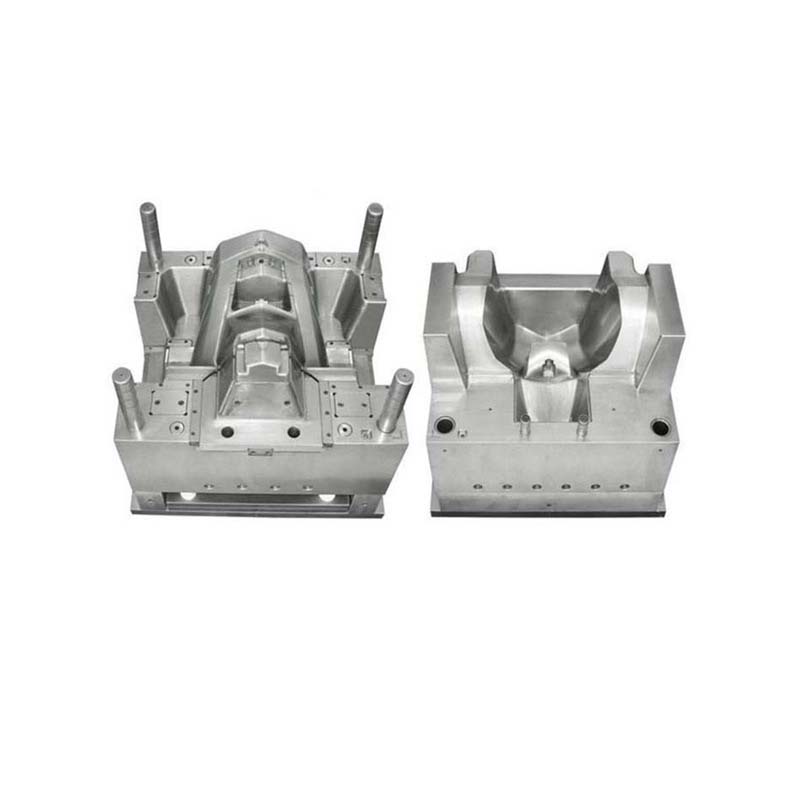
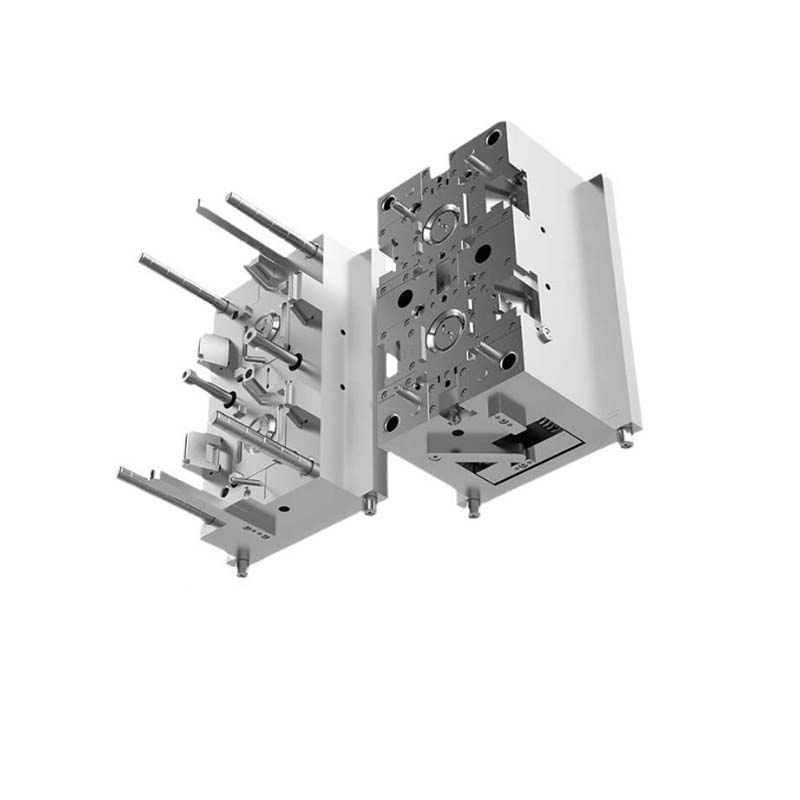
Injection mold parts—like cavities, cores, and runner systems—determine the quality of everything produced from them. A smartphone’s casing needs precise dimensions to fit internal components. An automotive part needs consistent wall thickness to avoid failure under stress. A medical device requires flawless surfaces to meet safety standards.
If the mold parts are substandard, every part that comes out of that mold will have defects. The problem compounds with every cycle.
They Drive Production Efficiency
Well-made mold parts run reliably for hundreds of thousands of cycles. They cool evenly. They eject cleanly. They hold tolerances. Poorly made parts cause downtime, scrap, and rework.
A study by the Plastics Industry Association found that high-quality mold components can last up to 50% longer than low-quality alternatives. That longevity translates directly to lower replacement costs and fewer production interruptions.
What Key Factors Should You Evaluate?
Quality Assurance
Quality is non-negotiable. A reliable supplier builds quality into every stage.
Certifications matter. ISO 9001 indicates a defined quality management system covering everything from raw materials to final inspection. For medical applications, ISO 13485 is essential. For automotive, IATF 16949.
What quality looks like in practice:
| Characteristic | What It Means |
|---|---|
| Precision | Tight tolerances—±0.05 mm or better for critical dimensions |
| Durability | Made from high-grade steel alloys that withstand thousands of cycles |
| Consistency | Every batch matches the last, with strict in-process controls |
How to verify quality:
- Ask about their inspection process. Do they use CMM (Coordinate Measuring Machines) for dimensional checks?
- Request sample inspection reports
- Check if they perform in-process inspections at key stages
Real example: A medical device company received mold parts from two suppliers. One provided CMM reports with every shipment. The other offered only a basic visual check. The company chose the first supplier—and has maintained zero dimensional rejects for three years.
Production Capabilities
A supplier’s equipment and capacity determine whether they can handle your volume and complexity.
Advanced equipment:
- CNC machining centers: Multi-axis machines create complex geometries with high precision
- EDM (Electrical Discharge Machining): Creates sharp corners and intricate details that CNC can’t reach
- High-speed machining: Reduces production time while maintaining accuracy
Production capacity:
- Can they handle your volume? If you need 100,000 units per month, does their capacity match?
- Do they run multiple shifts? Can they scale for surges?
Diverse processes:
Suppliers offering specialized processes add flexibility:
- Insert molding: Combining plastic with metal inserts for electronic connectors
- Overmolding: Molding one material over another for soft-touch grips
- Two-shot molding: Producing multi-material parts in a single cycle
A supplier with these capabilities can simplify your supply chain. One partner, not three.
Experience and Expertise
Experience matters more than most people realize. It’s not just about years in business—it’s about the problems they’ve already solved.
Industry-specific knowledge:
A supplier with medical device experience understands biocompatibility and sterilization requirements. An automotive-focused supplier knows IATF standards and PPAP documentation. They won’t need to learn on your project.
Problem-solving skills:
If your parts start warping, an experienced supplier diagnoses quickly. Is it the material? The cooling channels? The injection pressure? They’ve seen it before and know the fix.
Innovation:
Experienced suppliers often lead in technology. Some now use advanced simulation software to optimize mold designs before production begins. This prevents defects before steel is cut.
Real example: A consumer electronics company had repeated issues with sink marks on a high-gloss housing. Their supplier—a 15-year veteran—identified a gate placement issue that simulation had missed. A small design change eliminated the problem permanently.
Cost-Effectiveness
The lowest price rarely delivers the best value. Focus on total cost, not just the quote.
| Cost Factor | What to Consider |
|---|---|
| Upfront price | Initial cost of mold parts |
| Quality | Defect rates, scrap, rework |
| Delivery | Late shipments causing production delays |
| Maintenance | Frequency and cost of repairs |
| Lifespan | How many cycles before replacement |
Value-added services:
Some suppliers offer extras that reduce your total cost:
- Design assistance: Optimizing your part for manufacturability
- Inventory management: Holding stock to reduce your warehousing costs
- Volume discounts: Better pricing as your business grows
A supplier who costs 10% more but reduces your scrap rate by 15% and never misses a delivery is the better deal.
Customer Service and Communication
Great mold parts mean nothing if the supplier is impossible to work with.
Responsiveness:
- Do they reply within 24–48 hours?
- Are answers clear and complete?
Technical support:
- Can they help with material selection?
- Do they offer mold maintenance advice?
- Will they assist with troubleshooting?
Transparency:
- Do they provide regular project updates?
- Will they alert you to potential delays before they happen?
- Are they honest about what they can and cannot do?
A supplier who communicates poorly during quoting will be even worse during production.
Location and Logistics
Where your supplier sits affects lead times, shipping costs, and complexity.
Proximity advantages:
Local suppliers offer shorter lead times and lower shipping costs. If you’re in North America, a local supplier can deliver in days, not weeks. They also share your time zone and speak your language.
Overseas considerations:
Overseas suppliers may offer lower piece prices but come with:
- Longer shipping times (4–6 weeks by sea)
- Higher shipping costs
- Customs clearance complexity
- Language and time zone barriers
For high-volume, cost-sensitive projects, overseas can work. For complex, iterative projects, proximity often wins.
Logistics capabilities:
- Do they have reliable shipping partners?
- Can they provide tracking information?
- Are they familiar with customs and import regulations?
How Do You Evaluate Potential Suppliers?
Request Samples
A sample tells you more than any sales pitch. Hold it. Inspect it. Measure it.
What to check:
- Surface finish: Is it smooth? Any visible defects?
- Dimensions: Use calipers or a micrometer to verify critical measurements
- Material feel: Does it match your expectations?
For complex parts like gears, a sample lets you test fit, function, and durability before committing to volume production.
Check References
A supplier’s references reveal what you can’t see on their website.
What to ask:
- How long have you worked with them?
- Do they deliver on time?
- How do they handle problems?
- Would you choose them again?
Positive references from long-term customers are gold. Avoid suppliers who can’t—or won’t—provide references.
Visit the Facility
If possible, visit the factory. A physical tour tells you more than a hundred emails.
What to look for:
- Cleanliness: Is the shop floor organized?
- Equipment condition: Are machines modern and well-maintained?
- Quality stations: Do you see inspection equipment like CMMs?
- Employee skill: Do workers seem engaged and trained?
A clean, organized facility with modern equipment signals a professional operation. A messy, disorganized shop with aging machines signals risk.
If travel isn’t possible, request a virtual tour via video call. Any serious supplier will accommodate.
What Questions Should You Ask Potential Suppliers?
| Category | Questions |
|---|---|
| Quality | What certifications do you hold? Do you use CMM for inspection? Can you provide sample inspection reports? |
| Capabilities | What CNC equipment do you have? Do you offer insert molding or overmolding? What’s your maximum part size? |
| Experience | How long have you been in business? What industries do you serve? Can you share case studies of similar projects? |
| Cost | Can you provide a detailed breakdown? What value-added services do you offer? Do you offer volume discounts? |
| Communication | Who will be my contact? How often will I receive updates? What’s your typical response time? |
| Logistics | What’s your typical lead time? Do you have experience with international shipping? Can you help with customs? |
Conclusion
Choosing the right plastic injection mold parts supplier is a strategic decision. It’s not just about finding a vendor—it’s about finding a partner who delivers quality, reliability, and value.
Focus on quality assurance, production capabilities, relevant experience, total cost, communication, and logistics. Request samples. Check references. Visit the facility if you can.
The time you invest in evaluation pays back in fewer defects, on-time deliveries, and a product that performs as designed.
FAQ
What is the typical lead time for plastic injection mold parts production?
Lead times vary based on complexity. Simple mold parts may take 2–4 weeks. Complex parts with tight tolerances or intricate geometries can take 6–8 weeks or longer. Factors include design complexity, raw material availability, supplier capacity, and number of cavities.
How can I ensure quality during mass production?
Establish a comprehensive quality process. Require in-process inspections at key stages. Use random sampling of final parts. Ask for CMM reports to verify critical dimensions. Work with suppliers who have ISO 9001 or industry-specific certifications that mandate consistent quality management.
What are the common materials used for injection mold parts?
Common materials include:
- P20 steel: Pre-hardened, good machinability, general-purpose molds
- 718 steel: Higher strength and hardness, longer service life, automotive applications
- H13 tool steel: Heat-resistant, excellent toughness, high-temperature molding
- Aluminum alloys (6061, 7075): Lightweight, high thermal conductivity, rapid cooling applications
Should I choose a local or overseas supplier?
It depends on your priorities. Local suppliers offer shorter lead times, easier communication, and lower shipping costs. Overseas suppliers may offer lower piece prices but come with longer shipping, customs complexity, and time zone barriers. For complex, iterative projects, local is often worth the premium.
What value-added services should I look for?
Look for design assistance (optimizing parts for manufacturability), inventory management (reducing your warehousing costs), and technical support (help with material selection and troubleshooting). Suppliers who offer these services reduce your total cost of ownership beyond the initial purchase price.
Contact Yigu Technology for Custom Manufacturing
At Yigu Technology, we combine deep experience with advanced manufacturing capabilities to deliver high-quality plastic injection mold parts. Our quality system is certified to ISO 9001 standards. Our engineers provide design assistance to optimize your parts for manufacturability. And our team communicates clearly and consistently throughout every project.
We specialize in:
- Precision mold components for automotive, medical, and consumer electronics
- In-house CNC machining and EDM capabilities
- Comprehensive quality inspection with CMM documentation
- Flexible production for prototyping through high-volume runs
[Contact Yigu Technology today] to discuss your mold parts requirements. Let’s build a partnership that delivers quality, reliability, and value.