
Plastic & Metal industry knowledge
Transfer the value information of rapid prototypes, mold and injection molding industry
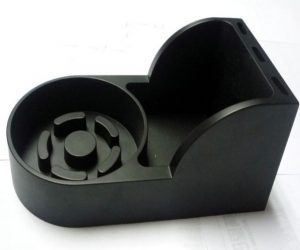
How Does Hand Injection Moulding Work for Small-Scale Production?
Introduction Hand injection moulding—also known as manual injection moulding—is a versatile manufacturing process that uses manual operation to inject molten plastic into a mold. Unlike automated injection molding machines that...
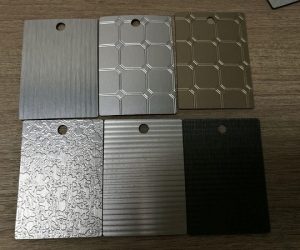
What Are Custom Fabrication Services and How Can They Benefit Your Business?
Introduction You need a part. But it doesn’t exist on any shelf. Maybe it’s a specialized machine component for your factory. Maybe it’s a unique metal frame for a construction...
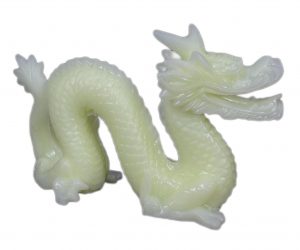
How Is Rapid Prototyping Technology Shaping Innovation?
Introduction Innovation demands speed. The faster you can turn an idea into a physical object, the quicker you learn, iterate, and improve. Rapid Prototyping Technology (RPT) —also known as additive...

How Is Precision Components Ltd Redefining Engineering Manufacturing?
Introduction In an industry where tolerances are measured in microns and failure is not an option, one company has consistently set the standard. Precision Components Ltd has spent decades building...
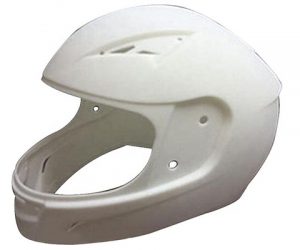
How to Master Plastic Molding for Large Parts?
Introduction Plastic molding shapes the world around us. From the dashboard in your car to the pipes in your home, molded plastic parts are everywhere. But when parts get large—think...
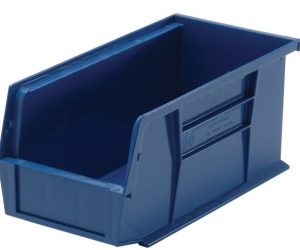
How Is Plastic Injection Molding Used for Medical Parts?
Introduction Plastic injection molding is the dominant manufacturing process for medical devices and components. From disposable syringes to complex surgical instruments, this technology produces the parts that healthcare professionals rely...
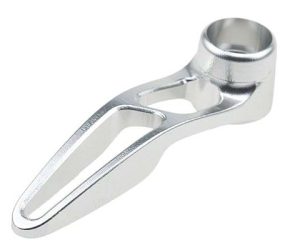
What Is a Rapid Factory and How Does It Compare with Traditional Manufacturing?
Introduction Manufacturing is changing. The old model—long lead times, rigid production lines, massive inventories—is giving way to something faster, more flexible, and more responsive. This shift is driven by the...
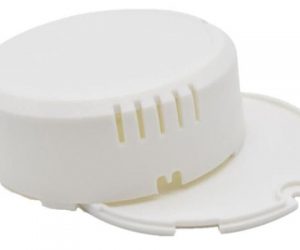
How to Efficiently Manufacture Short Run Plastic Parts
Introduction You have a new product design. It needs to be tested, validated, or launched in limited quantities. But traditional manufacturing methods—injection molding with steel tools—require high volumes to be...
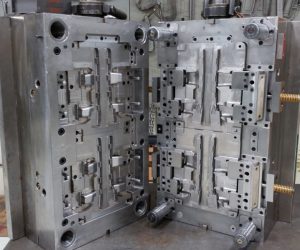
What Are the Key Characteristics of Material Selection for Injection Moulded Polypropylene?
Introduction Injection moulded polypropylene (IPP) has become a cornerstone material in modern manufacturing. Its versatility, cost-effectiveness, and range of desirable properties make it ideal for countless applications—from automotive components to...
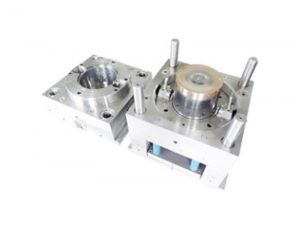
How Do Custom Molds Solve Complex Manufacturing Challenges?
Introduction Every plastic product you use started somewhere. The ergonomic handle on your kitchen knife. The precise casing of your smartphone. The sterile syringe at your doctor’s office. Behind each...
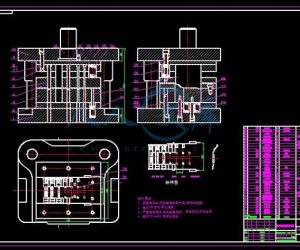
What Is Machining Turning and How Does It Work?
In the world of manufacturing, creating precise cylindrical parts is a fundamental need. From the humble automotive shaft to complex aerospace components, one process stands as a cornerstone: machining turning....
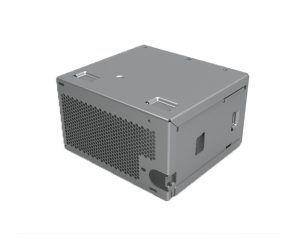
How Does Metal Stamping 5052 Unlock the Potential of Aluminum-Magnesium Alloys?
Manufacturers often face a difficult trade-off. Some aluminum alloys offer high strength but crack during forming. Others form easily but fail in harsh environments. 5052 aluminum breaks this pattern. As...
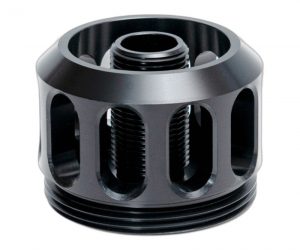
What Are the Key Advantages of Swiss Machining in Precision Manufacturing?
Introduction Swiss machining is not new. It originated in Switzerland, built for the exacting demands of watchmaking. But today, it powers industries far beyond timepieces. Medical implants. Aerospace components. Automotive...
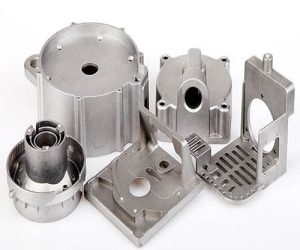
What is the Role of Machining and Fitting in Precision Manufacturing?
In the world of manufacturing, the creation of a reliable, high-performance component or assembly rarely relies on a single process. Machining and fitting represent the fundamental partnership between shaping raw...
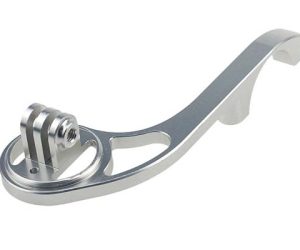
Can You 3D Print Stainless Steel for Strong, Rust-Resistant Parts?
Introduction Stainless steel is everywhere. Kitchen sinks, surgical tools, automotive parts, chemical equipment—it's the go-to metal when you need strength and corrosion resistance. But 3D printing stainless steel? That's different...
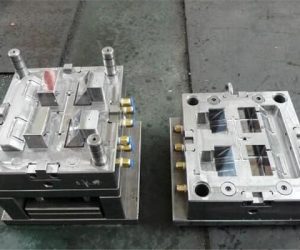
How Does CNC Precision Tooling Elevate Mold Fabrication?
Introduction Molds are the bridge between digital designs and physical products. In industries where mistakes are costly—automotive, medical, electronics—mold quality is paramount. The technology that makes this quality possible is...
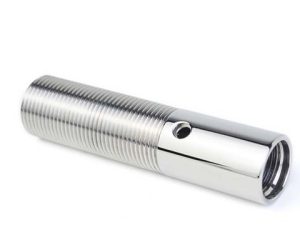
Is 3D Printing Metal the Future of Manufacturing?
Introduction Look at any advanced manufacturing facility today, and you might see something remarkable: machines building metal parts from nothing but digital files and fine powder. No cutting. No casting....

How Do You Machine Large Parts with Precision and Power?
Introduction A heavy machinery manufacturer needs a 5-meter steel frame. Their equipment cannot maintain straightness within 0.5 mm. The part is useless. A power generation company faces delays. Their 3-ton...

What You Need to Know About SLS Printed Parts?
Introduction SLS printing—Selective Laser Sintering—produces parts that feel different from other 3D printed objects. They're strong. They're durable. They don't have the obvious layer lines of FDM prints or the...
How to Choose the Right Precision Parts Machining Company?
Introduction A critical component fails in the field. Production stops. Customers demand answers. The cause traces back to a machining error—a tolerance that drifted out of spec, a surface finish...