Introduction
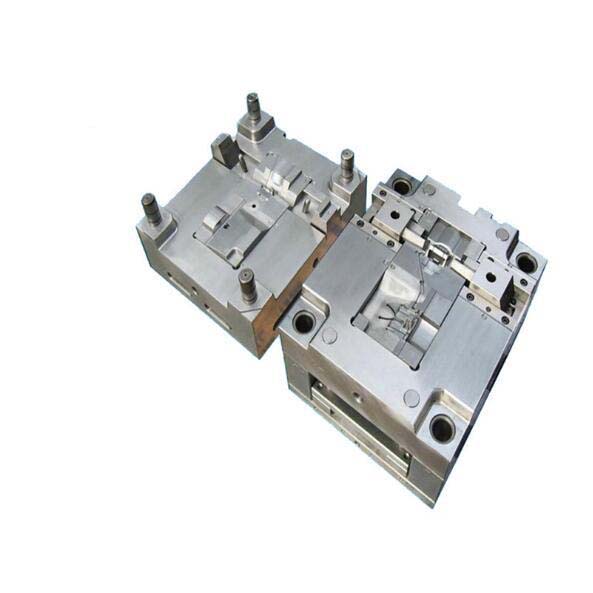
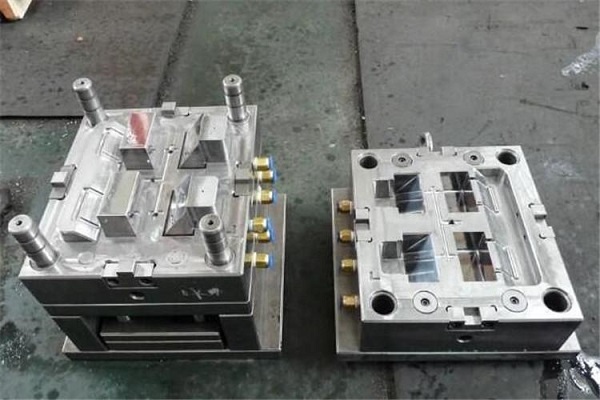
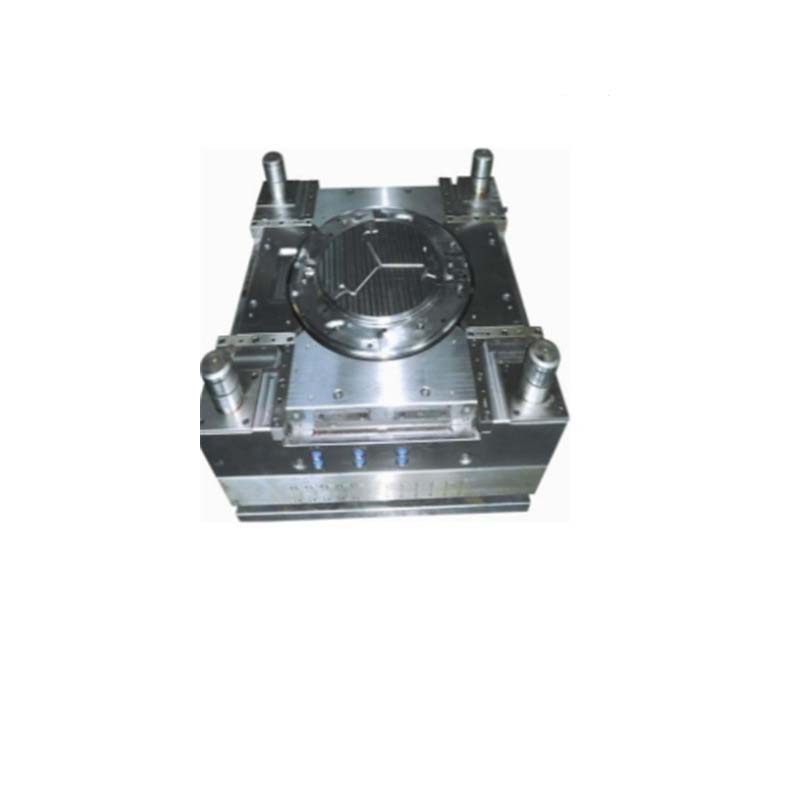
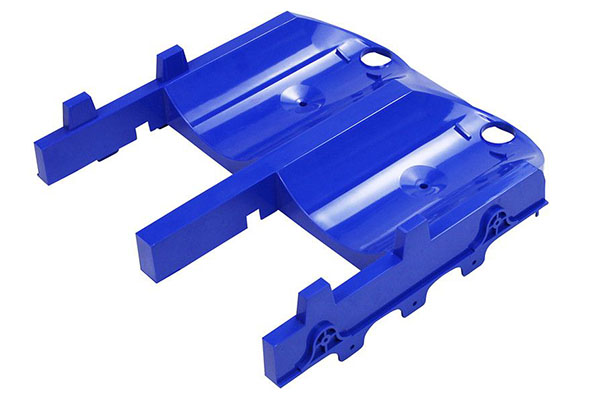
Every plastic product you use started somewhere. The ergonomic handle on your kitchen knife. The precise casing of your smartphone. The sterile syringe at your doctor’s office. Behind each is a custom mold—designed, engineered, and built specifically for that product.
Standard molds work for simple, high-volume parts. But when your product demands precision, unique features, or specific performance characteristics, only a custom mold will do.
This guide explores the world of custom molds—why they matter, how they deliver superior performance, and when they make economic sense. Whether you’re in automotive, medical, electronics, or consumer goods, understanding custom molds helps you make better manufacturing decisions.
What Makes Custom Molds Different?
Tailored to Your Exact Requirements
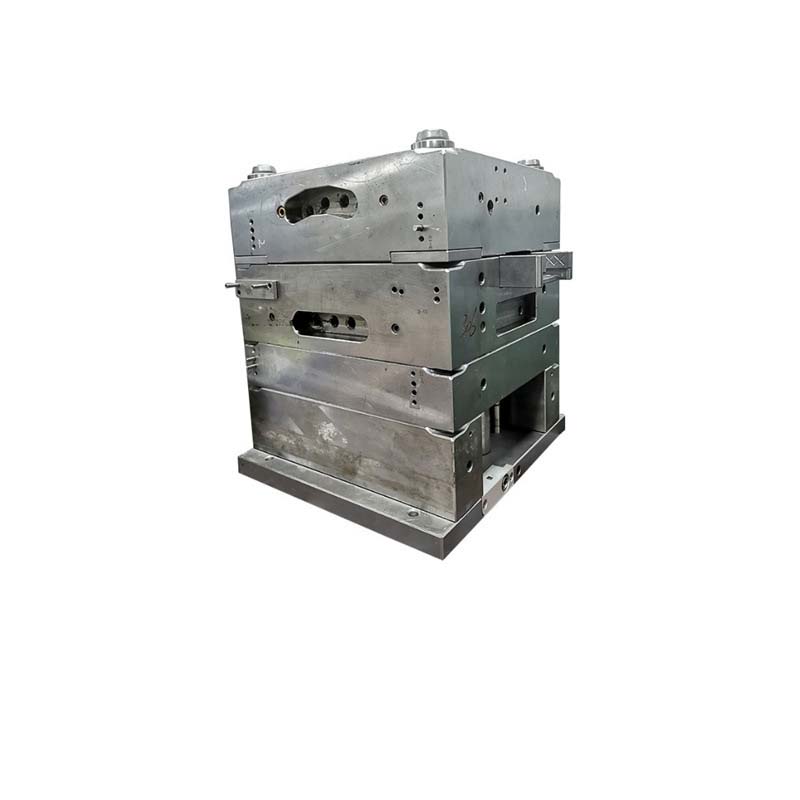
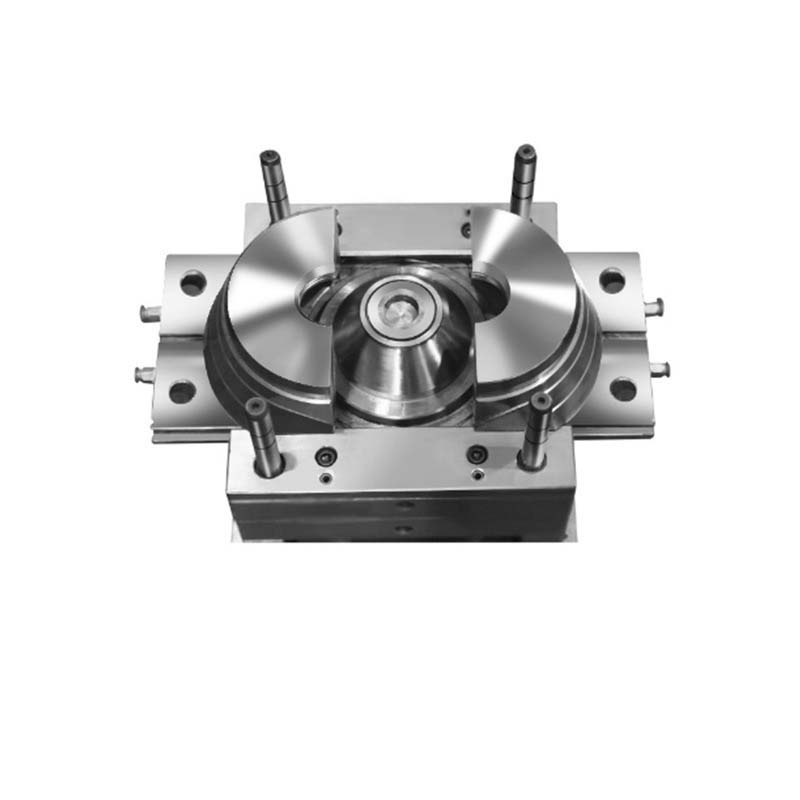
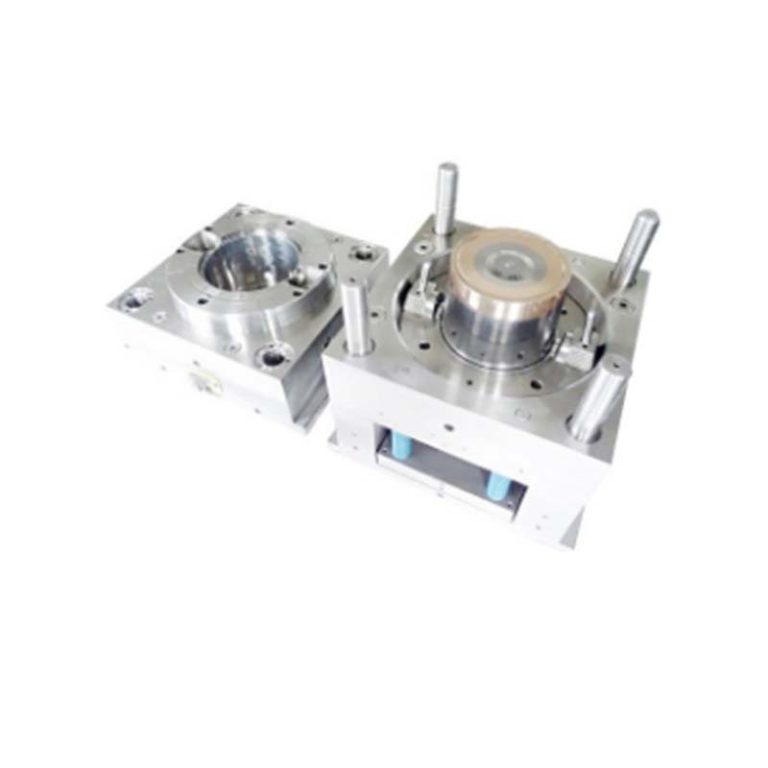
A custom mold is designed from the ground up for your specific part. Every dimension, every feature, every surface finish is engineered to match your product’s requirements.
In automotive: Custom molds produce dashboard panels that fit perfectly within vehicle interiors. They integrate mounting points, speaker grilles, and air vents into one component—reducing assembly steps and improving quality.
In medical: Custom molds create syringe barrels with precise tolerances for accurate dosing. Prosthetic components require molds that replicate complex shapes for comfortable, functional fit.
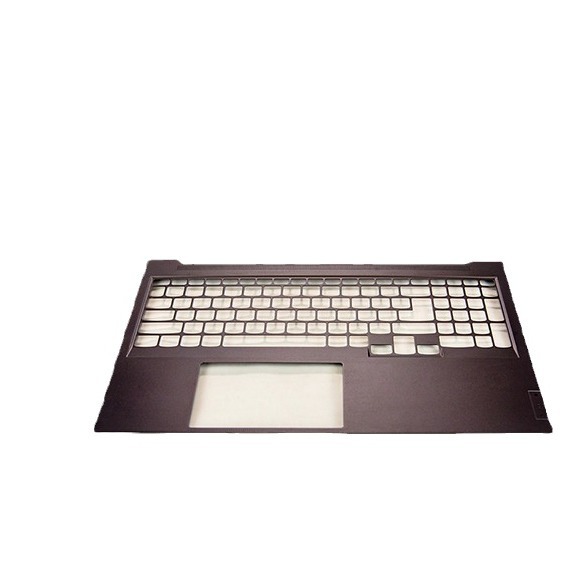
In electronics: Smartphone casings need sleek curves and precise cutouts for ports and buttons. Custom molds deliver these features while maintaining structural integrity to protect internal components.
The Precision Advantage
Standard off-the-shelf molds typically hold tolerances of ±0.5 mm. Custom molds from experienced manufacturers achieve ±0.15 mm or better.
| Application | Standard Mold Tolerance | Custom Mold Tolerance | Impact |
|---|---|---|---|
| Electronic connectors | ±0.5 mm | ±0.15 mm | Perfect fit; no connection failures |
| Medical syringes | ±0.3 mm | ±0.1 mm | Accurate dosing; patient safety |
| Automotive sensors | ±0.4 mm | ±0.12 mm | Reliable operation; no warranty claims |
A study comparing custom and standard molds found that custom molds increased part precision by up to 30%. For small electronic components, this precision eliminates post-production adjustments and improves final product functionality.
What Performance Benefits Do Custom Molds Deliver?
Superior Quality Assurance
Custom molds aren’t just machined—they’re engineered. The process includes:
- Design for Manufacturability (DFM) analysis: Identifying potential issues before steel is cut
- Mold flow simulation: Predicting fill patterns, weld lines, and air traps
- Material selection: Matching steel grade to production volume and plastic type
- In-process inspections: CMM verification at every stage
Real example: A medical device manufacturer needed molds for a new diagnostic tool. Using standard molds, they saw a 12% reject rate from dimensional variations. Switching to custom molds from an experienced manufacturer reduced rejects to under 2%—saving $80,000 annually in scrap costs.
Enhanced Durability
Custom molds use high-quality materials selected for your specific application. A standard mold might use P20 steel. A custom mold for high-volume production might use H13 tool steel with specialized coatings.
The result: Parts with higher tensile strength and better wear resistance. A case study found that parts produced with custom molds had a 20% increase in tensile strength compared to those from standard molds—meaning longer product life and fewer field failures.
Design Flexibility
Custom molds unlock design possibilities that standard molds can’t match:
- Complex geometries: Undercuts, internal channels, living hinges
- Integrated features: Snap fits, threads, logos molded in—not added later
- Multi-material capabilities: Overmolding and two-shot molding for soft-touch grips or seals
- Surface finishes: From high-gloss to textured, exactly as specified
A consumer electronics company wanted a smartphone case with integrated rubberized grips and a brushed metal finish. Standard molds couldn’t achieve either. A custom mold with overmolding capability produced the part in one cycle—eliminating secondary assembly and reducing cost by 25%.
Are Custom Molds Cost-Effective?
Understanding the Cost Curve
Custom molds have higher upfront costs than standard molds. But the long-term economics often favor custom solutions.
| Production Volume | Custom Mold Cost | Standard Mold Cost |
|---|---|---|
| 1–10,000 units | $50,000 | $20,000 |
| 10,001–50,000 units | $60,000 | $50,000 |
| 50,001–100,000 units | $70,000 | $80,000 |
Why the crossover? Custom molds have lower per-unit production costs. They’re optimized for the specific part, resulting in:
- Less material waste: No runner system waste; gates placed optimally
- Fewer defects: Higher precision means lower reject rates
- Faster cycles: Optimized cooling reduces cycle time
- No secondary trimming: Gate vestiges eliminated with proper design
For a production run of 100,000 parts, the custom mold saves $10,000 in total cost—and continues saving with every additional cycle.
Total Cost of Ownership
Beyond direct costs, custom molds reduce:
- Rework and scrap: Lower defect rates mean less wasted material and labor
- Assembly time: Integrated features eliminate secondary operations
- Warranty claims: Better quality means fewer field failures
- Inventory costs: Consistent parts mean less safety stock needed
Real example: A toy manufacturer initially chose standard molds to save upfront cost. After 50,000 units, defect rates climbed, and production slowed. They replaced the tool with a custom mold. The upfront cost was higher, but scrap dropped by 70%, and production output increased by 40%. The custom mold paid for itself within eight months.
What Industries Rely on Custom Molds?
Automotive
Custom molds produce interior components (dashboards, door panels), exterior parts (bumpers, trim), and under-hood components. They enable:
- Weight reduction through thin-wall molding
- Integration of multiple functions into single parts
- High-strength materials for safety components
Medical
Precision and compliance are paramount. Custom molds for medical applications:
- Meet ISO 13485 quality standards
- Use biocompatible materials
- Achieve tolerances necessary for accurate dosing and fit
- Enable cleanroom manufacturing
Electronics
Consumer electronics demand thin walls, tight tolerances, and cosmetic surfaces. Custom molds deliver:
- Sleek designs with integrated features
- Precise cutouts for ports and buttons
- Heat dissipation features for high-performance devices
Consumer Goods
From kitchen utensils to power tools, custom molds enable:
- Ergonomic designs that differentiate products
- Branded features molded in—no decals to wear off
- Multi-material grips for comfort and control
What Makes a Great Custom Mold Partner?
Technical Expertise
Look for partners who:
- Perform DFM analysis and mold flow simulation
- Use advanced software (CAD, CAM, CAE)
- Have experience in your industry
- Ask questions about your application and requirements
Quality Systems
Verify:
- ISO 9001 or industry-specific certifications (ISO 13485 for medical, IATF 16949 for automotive)
- In-house CMM inspection
- Documented quality control processes
- Traceability of materials and processes
Capabilities
Ensure they offer:
- In-house machining (5-axis CNC, EDM)
- Heat treatment and surface finishing
- Multi-cavity and multi-material capabilities
- Prototyping and production services
Communication
A good partner:
- Responds promptly
- Provides clear timelines
- Offers transparent pricing
- Collaborates on design improvements
Conclusion
Custom molds are more than tools—they’re strategic investments in product quality, manufacturing efficiency, and market differentiation. While upfront costs are higher, the long-term benefits include:
- Precision improvements of up to 30%
- Tensile strength increases of 20%
- Lower total cost of ownership at scale
- Design freedom that standard molds can’t match
For products that demand precision, durability, and unique features, custom molds aren’t just an option—they’re essential.
FAQ
What industries can custom molds serve?
Custom molds serve virtually every industry that uses plastic parts. In packaging, they create bottles, jars, and containers with ergonomic features. In medical, they produce syringes, prosthetics, and device components that must meet strict safety standards. In automotive, they manufacture interior and exterior components with integrated features. In electronics, they produce casings with precise cutouts and cosmetic finishes.
How much do custom molds cost?
Costs vary widely based on part size, complexity, steel type, cavity count, and surface finish. Simple custom molds may cost $5,000–$15,000. Complex molds with multiple cavities, slides, and tight tolerances can range from $50,000 to $150,000 or more. The investment is justified by lower per-part costs at higher volumes.
How long does custom mold manufacturing take?
Typical lead times range from 6–14 weeks. Simple molds with straightforward designs may take 6–8 weeks. Complex molds with multiple cavities, intricate details, or specialized materials may take 10–14 weeks. Prototype molds using aluminum can be completed in 4–6 weeks.
Can custom molds be modified after production?
Yes, but with limitations. Minor modifications—adding features, changing gate locations—are possible with machining and welding. Major changes may require new mold components or a complete new mold. A good DFM process minimizes the need for post-production modifications.
How do I choose between a custom mold and a standard mold?
Consider your production volume, precision requirements, and design complexity. For high volumes (50,000+ parts) or parts requiring tight tolerances and unique features, custom molds are usually the better choice. For low volumes with simple geometries, standard molds may be more cost-effective initially.
Contact Yigu Technology for Custom Manufacturing
At Yigu Technology, we specialize in custom mold solutions for demanding applications. Our team combines deep engineering expertise with advanced manufacturing capabilities to deliver molds that perform.
We offer:
- Custom mold design and manufacturing
- DFM analysis and mold flow simulation
- In-house 5-axis CNC, EDM, and CMM inspection
- Experience across automotive, medical, electronics, and consumer goods
[Contact Yigu Technology today] to discuss your custom mold project. Let’s build the tool that brings your product to life.