Introduction
Bringing a new product to market is rarely a straight path. From initial sketches to final production, the journey involves countless decisions, unexpected obstacles, and significant investment. For many businesses, the gap between a great idea and a sellable product feels overwhelming. This is where prototype manufacturing steps in. It acts as a bridge, turning concepts into physical models that can be tested, refined, and validated before mass production begins. Understanding how to use this process effectively can mean the difference between a smooth launch and costly delays.
What Is Prototype Manufacturing?
Prototype manufacturing is the process of creating physical models of a product during the development phase. These models—called prototypes—allow designers, engineers, and stakeholders to see, touch, and test a product before committing to full-scale production.
A prototype does not need to be perfect. Its purpose is to represent key features, functions, or dimensions so the team can learn and improve. For example, a startup developing a new portable charger might build a simple 3D-printed model to test the size, button placement, and overall feel. Only after confirming these details would they move to functional prototypes that test battery life and charging speed.
Yigu Technology specializes in this exact process, helping clients move from rough ideas to testable products with precision and speed.
Why Is Prototyping Critical for Product Success?
Skipping the prototyping stage may seem like a way to save time, but it often leads to bigger problems later. Prototyping serves several essential purposes that directly impact your bottom line.
It Reduces Costly Mistakes
Making changes during the prototype phase is far cheaper than making them after production begins. A design flaw found early might cost a few hundred dollars to fix. The same flaw discovered during mass production could cost thousands in rework, scrap materials, or even product recalls.
A study by the Product Development and Management Association found that every dollar spent on early-stage prototyping can save up to $100 in downstream costs.
Consider a company developing a new kitchen blender. A prototype reveals that the blade assembly does not lock securely. The fix costs a few hundred dollars in design tweaks. If the same issue were found after 10,000 units were produced, the company would face replacement costs, shipping fees, and potential brand damage.
It Speeds Up Development Time
Prototypes allow teams to test ideas quickly and iterate. Instead of waiting months for tooling and production, you can have a working model in days or weeks. This rapid feedback loop helps catch problems early and keeps the project moving.
A mobile app development team, for instance, used clickable prototypes to test user flows before writing a single line of code. Feedback from real users helped them simplify the interface, cutting development time by 30%. The app launched ahead of competitors and gained early market traction.
It Validates Your Concept
A prototype gives you something real to show investors, partners, and potential customers. It transforms abstract ideas into tangible proof that your concept works. This validation is crucial for securing funding or buy-in from stakeholders.
In a survey of 500 product managers, 85% said prototyping was essential for validating product ideas. One hardware startup used a functional prototype to demonstrate their wearable health monitor at investor meetings. The prototype helped them close a $2 million seed round—something a slide deck alone could not achieve.
What Are the Key Benefits of Using a Prototyping Partner?
Working with a dedicated prototyping service like Yigu Technology offers advantages beyond what in-house teams can typically achieve alone.
Cost Efficiency Across the Board
Prototyping partners bring specialized equipment and expertise that would be expensive to build internally. They operate CNC machines, injection molding equipment, and 3D printers that produce high-quality parts quickly. Instead of investing in machinery, you pay for the service as needed.
The table below shows how costs change depending on when a design change occurs:
| Development Stage | Cost of a Design Change |
|---|---|
| Concept & Prototype | $1 – $10 |
| Design Freeze & Tooling | $100 – $1,000 |
| Production | $1,000 – $10,000+ |
As the numbers show, making adjustments during the prototype phase is dramatically more affordable.
Access to Expert Guidance
An experienced prototyping team brings technical knowledge that helps you avoid common pitfalls. They can suggest material alternatives, identify manufacturability issues, and recommend design adjustments that simplify production.
For example, a medical device company approached Yigu Technology with a complex enclosure design. Our engineers identified that the original design would require expensive custom tooling. By modifying the geometry slightly, we enabled the use of standard extrusion profiles, cutting tooling costs by 40% and shortening the timeline by six weeks.
Parallel Workstreams
When a prototype exists, different teams can work in parallel. Engineering refines the internal components while marketing develops packaging and launch strategies. Sales can start building pre-orders. This parallel approach compresses the overall timeline significantly.
One consumer electronics company reduced their total development time from 14 months to 9 months by using prototypes to align engineering, marketing, and supply chain activities simultaneously.
How Do You Choose the Right Prototyping Method?
Not all prototypes are the same. The method you choose depends on your goals, timeline, and budget.
Prototyping Methods Compared
| Method | Best For | Speed | Cost | Material Options |
|---|---|---|---|---|
| 3D Printing | Concept models, form testing | Fast | Low | Plastics, resins |
| CNC Machining | Functional parts, metal components | Moderate | Medium | Metals, plastics, wood |
| Vacuum Casting | Small batches, near-production quality | Moderate | Medium | Polyurethanes, flexible materials |
| Injection Molding | Production-intent parts, high volume | Slow | High | Engineering plastics |
How to Match Method to Your Needs
- Use 3D printing when you need quick visual models or ergonomic testing. It is ideal for early-stage iteration.
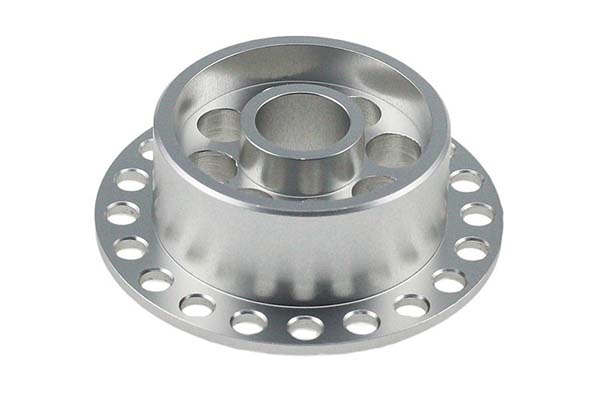
- Use CNC machining when you need parts that behave like final production components. Metal prototypes often require CNC work.
- Use vacuum casting when you need 10 to 50 functional parts that closely mimic injection-molded quality.
- Use injection molding only after you have validated your design and are preparing for production scale.
A robotics company needed to test motor mounts under load. They chose CNC-machined aluminum prototypes because 3D-printed plastic parts could not withstand the torque. The metal prototypes revealed a stress point that would have failed in the field, allowing the team to reinforce the design before ordering production tooling.
What Should You Prepare Before Starting a Prototype Project?
Preparation makes the difference between a smooth process and costly delays. Taking time upfront saves time later.
Define Clear Requirements
Start with a detailed list of what the prototype must achieve. Include:
- Key functions it must perform
- Dimensions and tolerances
- Target materials
- Number of units needed
- Deadline and budget
Yigu Technology recommends creating a simple requirements document before your first meeting. Projects with clearly defined requirements are 50% more likely to finish on time and within budget, according to Harvard Business Review.
Gather Supporting Data
Collect any existing information that informs the design:
- CAD files or sketches
- Market research on similar products
- User feedback from previous versions
- Competitor product analysis
A food packaging company provided Yigu Technology with consumer survey data showing that customers struggled with their existing bottle cap design. We used that feedback to prototype three different cap mechanisms. User testing on the prototypes led to a final design that reduced opening effort by 60%.
Set Realistic Expectations
Understand what a prototype can and cannot do. A prototype built to test fit and finish may not be suitable for durability testing. Be clear about the purpose so the prototyping partner can recommend the right approach.
Unrealistic expectations cause 40% of project failures, according to project management research. Setting clear goals from the start prevents disappointment.
How Can You Communicate Effectively With Your Prototyping Partner?
Good communication keeps projects on track. Your prototyping partner brings technical expertise, but you bring knowledge of the user and market.
Establish Regular Checkpoints
Schedule weekly or bi-weekly updates. Use these meetings to review progress, discuss challenges, and make decisions. Consistency matters more than frequency.
A study by McKinsey found that teams with regular communication channels were 30% more productive than those without.
Use Visuals and Samples
Words can be vague. Show examples, reference images, or physical samples to clarify your intent. If you want a specific surface finish, show a photo. If a dimension is critical, mark it clearly on a drawing.
Provide Actionable Feedback
Instead of saying “this doesn’t look right,” explain what feels off. For example: “The edge here is too sharp. Can we increase the radius to 2mm?” Specific feedback leads to faster revisions.
Conclusion
Prototype manufacturing is not just a step in product development—it is a strategic tool that reduces risk, saves money, and accelerates time to market. By creating physical models early, you catch flaws before they become expensive problems. You validate your concept with real users and stakeholders. You align your teams around a tangible goal.
The key is approaching prototyping with clear requirements, realistic expectations, and open communication with your partner. Whether you are a first-time founder or an established company launching a new line, the right prototyping approach sets the foundation for success.
If you are ready to move your idea forward, Yigu Technology offers the expertise, equipment, and experience to bring your vision to life. From simple concept models to functional, production-intent prototypes, we help you navigate the journey from idea to market with confidence.
Frequently Asked Questions
How long does prototype manufacturing typically take?
Timelines vary based on complexity and method. Simple 3D-printed models can be ready in 3 to 5 days. CNC-machined or vacuum-cast prototypes usually take 2 to 4 weeks. Your partner should provide a clear schedule upfront.
What is the difference between a prototype and a production-ready sample?
A prototype focuses on testing form, fit, or function. A production-ready sample is made using the same materials and processes intended for mass production. The latter is used for final validation before tooling begins.
How many prototypes should I make?
That depends on your testing needs. One or two units may be enough for basic form testing. For user studies or functional validation, 5 to 20 units are common. Your prototyping partner can help determine the right quantity.
Can I use prototypes for investor presentations?
Yes. Functional prototypes are excellent for demonstrating progress and credibility. They show investors that you have moved beyond the concept phase and are serious about execution.
What file formats do I need to provide?
Most prototyping partners accept STEP, IGES, or STL files. STEP files are preferred for CNC machining and vacuum casting because they retain accurate geometry. STL files are commonly used for 3D printing.
Contact Yigu Technology for Custom Manufacturing
Ready to turn your idea into a physical product? Yigu Technology provides end-to-end prototype manufacturing services tailored to your timeline and budget. Our engineers work closely with you to select the right materials and methods, ensuring your prototype meets your testing and presentation needs.
Whether you need a single concept model or a batch of functional prototypes, we deliver quality parts with fast turnaround. Contact us today to discuss your project.