In today's fast-paced manufacturing world, turning an idea into a physical product quickly and accurately can make or break your business. Precision prototype machining bridges the gap between concept and reality. It lets you test, refine, and perfect your design before committing to mass production. This process saves time, reduces costly errors, and ensures your final product meets the highest standards. Whether you are developing medical devices, automotive parts, or consumer electronics, understanding this technology helps you make smarter decisions and avoid expensive mistakes down the road.
What Is Precision Prototype Machining?
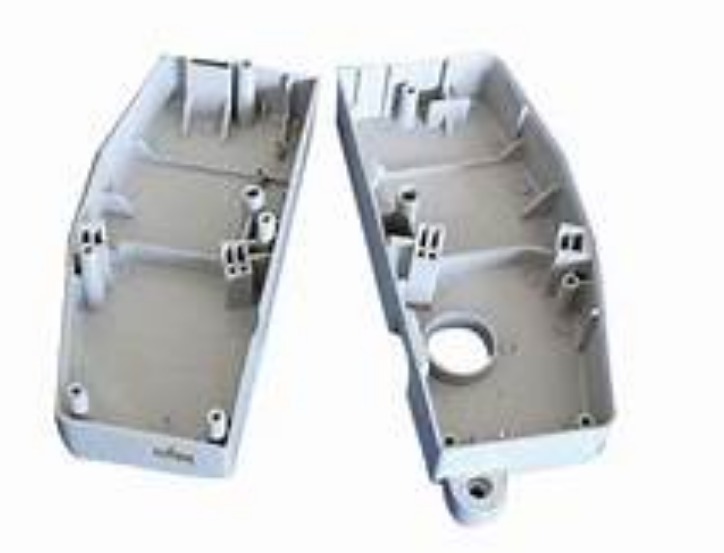
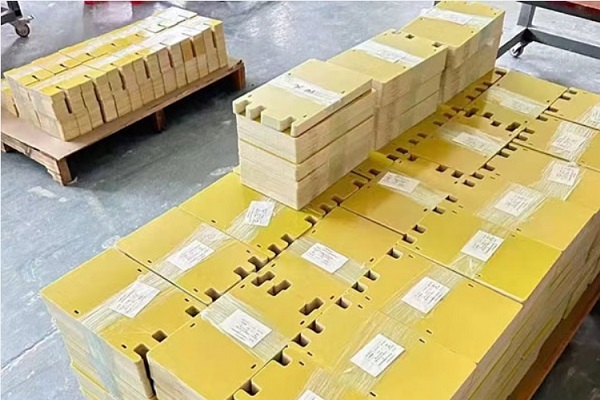
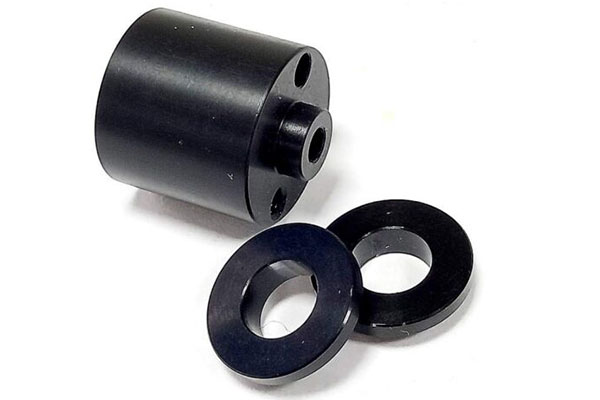
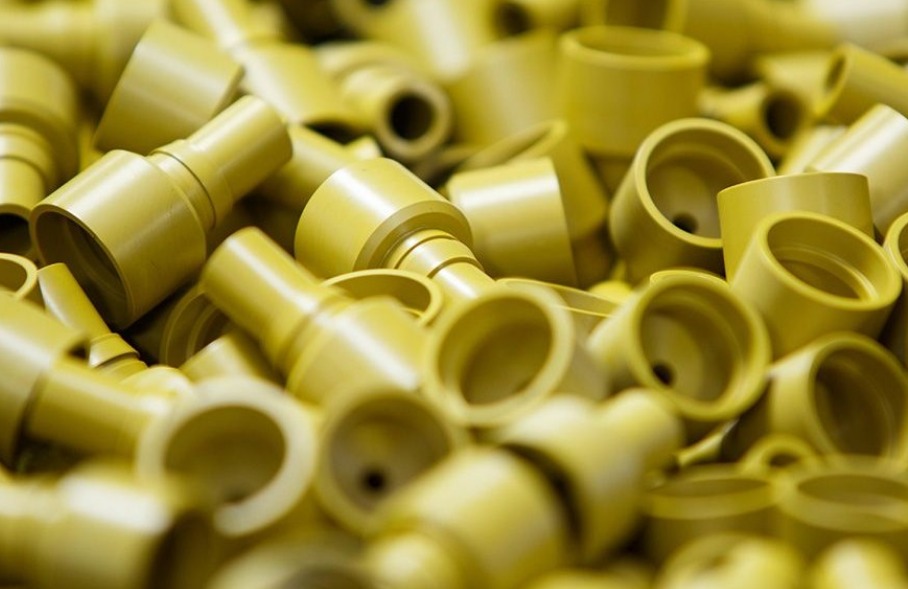
Precision prototype machining is a manufacturing process that creates highly accurate physical models from digital designs. These prototypes replicate the final product's size, shape, and function with extreme detail.
The process achieves tolerances as tight as ±0.001 mm. That is thinner than a human hair. For context, a typical paper sheet measures about 0.1 mm thick. This level of accuracy allows engineers to test how parts fit together, how materials behave, and whether the design performs as intended.
Companies use this process during product development to catch flaws early. Instead of guessing if a design works, you hold it in your hand. You can test it under real conditions. You can make changes before investing in expensive production tooling.
How Does Precision Prototype Machining Work?
Step 1: Creating the Digital Design
Every prototype starts with a 3D CAD model. Engineers build this model using specialized software. The model contains every detail, from outer dimensions to internal features like channels, threads, or mounting points.
For example, when designing a new drone arm, the CAD file defines not just the shape but also the exact locations for motor mounts, wiring paths, and cooling vents. This digital file becomes the blueprint for everything that follows.
Step 2: Selecting the Right Material
Material choice impacts performance, cost, and machinability. The table below shows common materials and their typical applications:
| Material | Common Applications | Key Properties |
|---|---|---|
| Aluminum | Aerospace parts, consumer electronics housings | Lightweight, good machinability, corrosion-resistant |
| Titanium | Medical implants, high-performance automotive | High strength-to-weight ratio, biocompatible |
| Stainless Steel | Surgical instruments, industrial components | Strong, durable, corrosion-resistant |
| ABS Plastic | Consumer product enclosures, automotive interior parts | Impact-resistant, easy to machine, cost-effective |
| Polycarbonate | Transparent components, protective covers | High impact strength, optical clarity |
A real-world example: A medical device company developing a new surgical tool chose titanium for their prototype. Why? The material needed to withstand repeated sterilization cycles and offer the strength required for delicate procedures. Testing with the right material early prevented a costly switch later.
Step 3: Machining the Prototype
This is where the physical part takes shape. CNC machines follow the digital instructions to cut, drill, and shape the raw material. Modern machines use multiple axes to create complex geometries in a single setup.
5-axis machining allows the cutting tool to approach the workpiece from five different directions without repositioning. This reduces errors and speeds up production. For intricate parts like turbine blades or medical implants, this capability is essential.
Step 4: Inspecting for Quality
Quality control happens throughout the process. Coordinate measuring machines (CMMs) check dimensions against the original CAD model. If a feature measures even 0.005 mm off-spec, inspectors flag it for correction.
One manufacturer producing sensor housings for autonomous vehicles used in-process inspection to catch a minor deviation early. The error, if left unchecked, would have affected how the sensor mounted to the vehicle. Catching it saved two weeks of rework time.
Why Choose Precision Prototype Machining Over Traditional Methods?
Traditional machining methods like manual milling or basic turning have their place. But for product development, precision prototype machining offers clear advantages.
| Comparison Factor | Precision Prototype Machining | Traditional Machining |
|---|---|---|
| Accuracy | ±0.001 mm or better | ±0.1 mm typically |
| Lead Time | Days, not weeks | Often weeks or longer |
| Design Changes | Easy and fast to implement | Difficult and costly |
| Material Waste | Minimal due to optimized toolpaths | Higher waste from manual processes |
| Complex Geometry | Handles intricate shapes easily | Limited by manual capabilities |
Consider a startup developing a compact drone. Using traditional machining, each design iteration took three weeks. With precision CNC prototyping, they reduced that to four days per iteration. They completed five design cycles in the time previously needed for one. The result? A better product launched months ahead of schedule.
What Advanced Technologies Drive Precision Prototype Machining?
CNC Machining
CNC stands for Computer Numerical Control. These machines follow programmed instructions with repeatability within ±0.0005 mm. Once the program is verified, the machine can produce identical parts repeatedly. This consistency is vital when testing multiple design variations or producing small batches for market trials.
Electrical Discharge Machining (EDM)
EDM uses controlled electrical sparks to erode material. This method excels at cutting hard metals like tungsten carbide or creating intricate cavities for molds. Unlike traditional cutting, EDM does not rely on mechanical force. It can produce sharp internal corners and fine details that cutting tools cannot reach.
Additive Manufacturing Integration
3D printing complements traditional machining. It creates complex internal structures, like lattice frameworks, that reduce weight without sacrificing strength. Aerospace companies use this approach to prototype lightweight brackets. The printed part weighs 40% less than a conventionally machined version but maintains the same load capacity.
When combined, additive manufacturing builds the rough shape, and precision machining adds the critical surfaces. This hybrid approach delivers the best of both worlds.
How Does Precision Prototype Machining Benefit Different Industries?
Aerospace Industry
Aircraft components demand extreme reliability. A single engine part operates under high temperatures and stresses. Precision machining allows engineers to test these components in simulated flight conditions.
In one case, an aerospace company machined a prototype fuel injector nozzle to test a new combustion design. The prototype revealed a flow pattern issue that computer simulations missed. Fixing the design before production prevented a potential $2 million recall.
Medical Device Sector
Medical devices must work flawlessly. A surgical tool that fails during a procedure is unacceptable. Precision prototypes allow surgeons to handle and test instruments before mass production.
A company developing a new orthopedic implant machined titanium prototypes for surgeon feedback. The surgeons suggested ergonomic improvements that reduced hand fatigue during long procedures. These changes, made early, improved patient outcomes and increased adoption rates.
Automotive Industry
Electric vehicles and autonomous driving systems introduce new components like battery housings, sensor arrays, and lightweight structures. Precision prototyping helps automakers iterate quickly.
A leading EV manufacturer machined prototype battery enclosures to test thermal management systems. The prototypes showed that a redesigned cooling channel layout improved heat dissipation by 25% . This discovery, made during prototyping, extended battery life and improved vehicle safety.
Consumer Electronics
Smartphones, wearables, and smart home devices require compact, precisely fitting components. Even a 0.1 mm mismatch can prevent assembly.
A wearable tech company machined prototype watch housings to test button placement and water resistance. Early prototypes revealed that a sealing groove needed adjustment. Correcting this before mold fabrication saved $50,000 in tooling modifications.
What Should You Consider Before Starting a Prototype Project?
Define Your Testing Goals
Ask yourself: What do you need to learn from this prototype? Is it about fit? Function? Material behavior? User feedback? Clear goals help you choose the right materials and machining methods.
Plan for Iterations
The first prototype rarely becomes the final product. Budget time and resources for multiple rounds. Each iteration brings you closer to a manufacturable, market-ready design.
Balance Speed with Accuracy
Faster machining may use different toolpaths or materials that do not perfectly match final production conditions. Discuss with your machining partner where speed matters and where precision is non-negotiable.
Understand Material Limitations
Not every material machines the same way. Some plastics warp under heat. Some metals work-harden during cutting. An experienced machining partner guides you toward materials that meet both performance and manufacturability requirements.
Conclusion
Precision prototype machining transforms ideas into testable, refinable products. It delivers accuracy down to ±0.001 mm, shortens development cycles from weeks to days, and catches design flaws before they become expensive production problems.
Across aerospace, medical, automotive, and consumer industries, this process enables faster innovation with less risk. By creating accurate prototypes early, you validate designs, gather real-world feedback, and move to production with confidence.
Investing in precision prototyping is not just about making parts. It is about making better decisions, reducing costly surprises, and bringing products to market faster.
FAQ
What materials work best for precision prototype machining?
Aluminum, titanium, stainless steel, ABS plastic, and polycarbonate are common choices. Aluminum offers lightweight strength for aerospace and automotive uses. Titanium suits medical and high-performance applications due to its biocompatibility and strength. ABS and polycarbonate work well for consumer electronics because they machine easily and provide good impact resistance.
How does precision prototype machining reduce development costs?
It catches design flaws before mass production, avoiding expensive tooling changes. Accurate prototypes also reduce the need for rework and allow faster design iterations. Companies complete more testing cycles in less time, shortening time-to-market and lowering overall development expenses.
Can precision prototype machining handle small-batch production?
Yes. CNC machines offer high repeatability, making them ideal for small production runs. This benefits companies needing limited quantities for market testing, custom products, or specialty components without committing to large-scale manufacturing.
How precise can precision prototype machining be?
Modern precision machining achieves tolerances as tight as ±0.001 mm. This level of accuracy is essential for applications like medical implants, aerospace components, and micro-electromechanical systems where even minor deviations affect performance.
What is the typical turnaround time for a precision prototype?
Complex prototypes often complete within a few days. Simple parts may finish in 24 to 48 hours. The exact timeline depends on part complexity, material selection, and required surface finishes.
Contact Yigu Technology for Custom Manufacturing
Bringing your product to life requires the right partner. At Yigu Technology, we specialize in precision prototype machining and custom manufacturing. Our team combines deep technical expertise with advanced CNC, EDM, and additive manufacturing capabilities. Whether you need a single prototype or a small production batch, we deliver accuracy, speed, and reliability.
Let us help you move from concept to reality. Contact Yigu Technology today to discuss your project requirements and discover how our precision machining solutions can accelerate your product development.