Introduction
You have a product idea. It exists in your mind, on paper, or in a digital file. But is it real? Does it work? Will users embrace it? Prototype fabrication answers these questions. It is the process of creating a preliminary model that embodies key features and functions of the final product. This tangible representation bridges the gap between abstract ideas and mass-produced items. This guide explores the key steps, benefits, and real-world applications of prototype fabrication.
What Are the Key Steps in Prototype Fabrication?
Prototype fabrication follows a structured process from concept to functional model.
Conceptualization and Design
The journey begins with a comprehensive design phase—far more than simple sketching.
Market research guides development. By studying existing products, their strengths, and weaknesses, you identify gaps. For a new fitness tracker, market research might reveal that existing products have excellent battery life but lack accurate sleep tracking. Addressing this gap positions your product for success. A leading research firm found that over 70% of successful new products address unmet market needs.
User-requirement analysis understands end-user needs, wants, and pain points through surveys and interviews. This research shapes design, determining form, function, and features. A well-designed prototype closely follows specifications—leading to successful final products. Flawed designs waste time and resources.
Material Selection
Material choice significantly impacts prototype performance, cost, and manufacturing.
| Material | Strength | Cost | Processing Difficulty | Density | Chemical Resistance |
|---|---|---|---|---|---|
| Aluminum | High | Medium–High | Moderate | Low | Good |
| Steel | Very High | High | High | High | Varies |
| ABS Plastic | Moderate | Low–Medium | Low | Low | Fair |
| PET Plastic | Moderate | Low–Medium | Low | Low | Good |
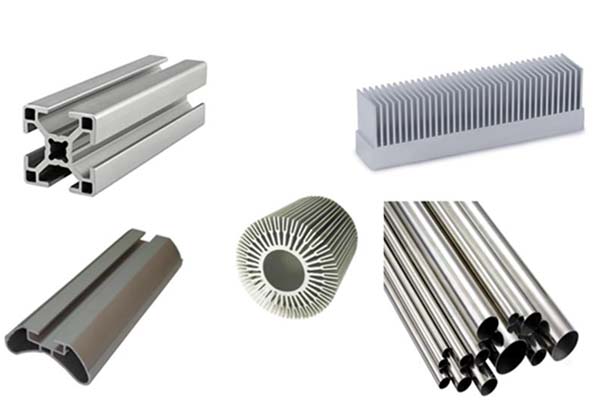
Metals: Aluminum offers low density—popular in aerospace for weight reduction—and good corrosion resistance. Steel offers higher strength for construction and heavy machinery. Metals generally cost more and are harder to machine.
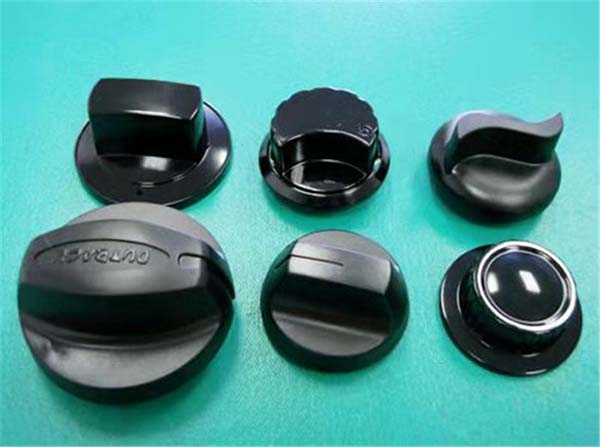
Plastics: Lightweight and cost-effective. ABS is widely used in 3D printing—ease of processing, affordable, good strength. PET offers transparency and chemical resistance—used in food packaging.
Choose based on product requirements. High-end sports equipment needing strength and durability: aluminum despite higher cost. Disposable consumer product: cost-effective ABS.
Manufacturing Process Selection
Several processes are available, each with advantages and disadvantages.
| Process | Advantages | Disadvantages | Ideal For |
|---|---|---|---|
| 3D Printing | Fast production, complex geometries, low material waste | Lower mechanical strength, limited materials, higher per-unit cost at scale | Prototyping unique/complex designs, small batches |
| Injection Molding | High-volume efficiency, high precision, good surface finish | High setup cost (mold creation), not suitable for small batches or frequent changes | Mass production of plastic parts with consistent design |
3D printing (additive manufacturing) builds complex geometries directly from digital models—reducing lead times significantly. A small startup developing unique jewelry can create a prototype in hours. Material waste is minimized. However, 3D-printed parts may have lower mechanical strength, and material options are somewhat limited.
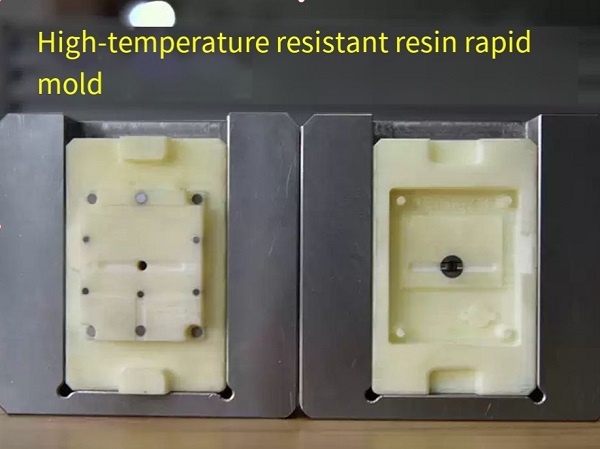
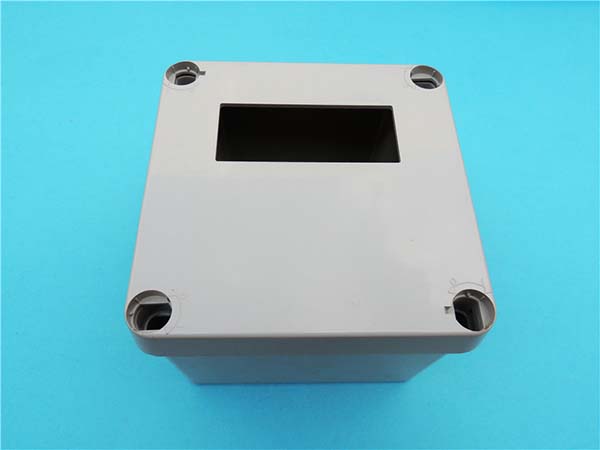
Injection molding injects molten plastic into a mold cavity—highly efficient for mass production. Plastic toys and consumer electronics housings are produced this way. Setup cost is high—requiring custom molds—making it less suitable for small-scale prototyping or frequent design changes.
Choice depends on design complexity, quantity needed, budget, and desired mechanical properties.
Assembly and Integration
Once components are fabricated, assembly and integration create a fully functional prototype.
Precise assembly: Components aligned and connected according to design specifications. In smartphone prototype assembly, circuit boards, display, battery, and components installed in specific order.
Quality control: Regular inspections for misalignments, loose connections, or issues. A single loose wire can cause complete malfunction.
Testing and debugging: Run tests to verify functions. For software-integrated prototypes (smart home devices), test response time, sensor accuracy, compatibility with other devices. Issues addressed promptly. This iterative process refines the prototype and ensures it meets performance standards.
What Are the Benefits of Prototype Fabrication?
Cost-Efficiency in the Long Run
Prototype fabrication prevents costly mass-production mistakes. A consumer electronics company developing a new tablet proceeded directly to mass production without prototyping. New high-capacity batteries caused overheating—tablets unstable. Result: product recall, financial loss, wasted materials, brand damage.
Industry estimates show that design changes during prototyping cost less than 10% of changes during mass production. Prototype cost would have been a fraction of recall and waste costs.
Risk Mitigation
Prototypes assess technical feasibility. A startup developing a smartwatch with multi-disease detection built a prototype and tested sensor compatibility and algorithms. Testing revealed current sensor technology insufficient for certain diseases. This discovery allowed them to research advanced sensors or modify product concept to achievable features.
Accelerated Time-to-Market
A software-based fitness-tracking startup created a prototype of core features quickly instead of perfecting every detail before release. They tested with early adopters, gathered feedback, and made improvements. Launch occurred months earlier than planned—capturing market share before competitors.
What Are Real-World Applications?
Automotive Industry: Hybrid Vehicle Prototype
A major automotive company developing a new hybrid vehicle followed a structured process.
Design: Months researching hybrid technology, competitor models, customer feedback. Goal: excellent fuel efficiency, comfortable, high-performance driving experience. CAD software designed exterior focusing on aerodynamics to reduce drag; interior optimized for user-friendliness with intuitive controls.
Materials: Combination of lightweight metals and high-strength plastics. Aluminum chassis reduced weight—improving energy efficiency. High-strength plastics for interior trim and body panels—lighter than traditional materials, good durability, high-quality finish.
Manufacturing: Combination of 3D printing for complex parts (engine components) enabling quick iteration; traditional stamping and casting for larger body panels and mechanical parts.
Assembly challenges: Hybrid powertrain integration—electric motor and internal combustion engine calibrated to work seamlessly. Battery placement initially affected weight distribution, causing handling issues. Engineers modified powertrain layout, adjusted battery position, and fine-tuned hybrid system software.
Testing: Rigorous testing on highways, city roads, inclined surfaces. Fuel efficiency measured under different conditions. Adjustments made to engine tuning and regenerative braking system to further improve fuel economy.
Lessons: Early, thorough testing prevented costly production-stage issues. Close collaboration between design, engineering, and manufacturing essential for complex product development.
Electronics Industry: Smartphone Prototype
A well-known electronics company developed a new smartphone prototype.
Design: CAD modeling defined shape, button placement, and internal layout. Focus on ergonomics—comfortable grip, easy one-handed operation. Market research indicated demand for high-quality cameras, longer battery life, water resistance.
Manufacturing: Injection molding for plastic components (internal housing), precision machining for metal parts. 3D printing for complex internal components (antenna housing). Challenges: air bubbles in injection-molded parts affecting structural integrity. Manufacturing engineers adjusted temperature and pressure parameters, added vents to molds for air escape.
Testing: Prototypes tested for drop resistance, water resistance, battery performance, camera quality. Software testing ensured smooth operation. Feedback from user testing led to design adjustments—button placement, camera module positioning.
Outcome: Early problem identification prevented costly production issues. Market research and user feedback ensured product met consumer demands.
How Does Yigu Technology Approach Prototype Fabrication?
As a non-standard plastic and metal products custom supplier, Yigu Technology provides comprehensive prototype fabrication services.
We Start with Design
We collaborate with clients to conduct market research and user-requirement analysis, ensuring designs address real needs.
We Guide Material Selection
Our engineers help select materials—aluminum for strength and weight reduction, ABS for cost-effective prototyping—based on product requirements.
We Match Process to Purpose
- 3D printing for complex geometries, rapid iteration, small batches
- CNC machining for precision metal and plastic parts
- Injection molding for larger batches with production-grade materials
We Ensure Quality
Rigorous quality control during assembly and testing ensures prototypes meet performance standards.
Conclusion
Prototype fabrication is indispensable in product development. It bridges concept and market-ready product through structured steps: conceptualization and design, material selection, manufacturing process selection, and assembly and integration. Benefits include long-term cost-efficiency, risk mitigation, and accelerated time-to-market. Real-world applications in automotive and electronics demonstrate its transformative power. By investing in prototype fabrication, you gain deeper understanding of your product, identify issues early, and make informed decisions—turning ideas into successful products.
Frequently Asked Questions
What is the difference between a prototype and a final product?
A prototype is a preliminary model used to test and validate design, functionality, and feasibility. It may not have final materials, finish, or full functionality. A final product is production-ready, with all features, materials, and finishes meeting market standards.
How long does prototype fabrication take?
Timelines vary by complexity and method. Simple 3D-printed prototypes: days. Complex CNC-machined or injection-molded prototypes: weeks. Factors include design complexity, material availability, and manufacturing process.
What is the most cost-effective prototyping method?
For small batches (1–50 units), 3D printing is often most cost-effective—no tooling costs. For larger batches (50–5,000 units), rapid injection molding or CNC machining may offer better per-unit economics. Choice depends on quantity, material, and precision requirements.
Can prototype fabrication be used for functional testing?
Yes. Prototypes using production-grade materials—aluminum, steel, ABS, nylon—are suitable for functional testing: mechanical stress, thermal, and environmental validation. CNC machining and injection molding produce parts with properties close to final products.
Why is material selection important in prototype fabrication?
Material choice impacts strength, weight, cost, manufacturability, and performance. Wrong material can lead to misleading test results, premature failure, or inability to scale to production. Choose based on product requirements—strength for structural parts, flexibility for seals, transparency for lenses.
Contact Yigu Technology for Custom Manufacturing
Ready to bring your product idea to life with professional prototype fabrication? Yigu Technology offers 3D printing, CNC machining, and injection molding services. Our engineers guide you through design, material selection, and manufacturing processes. Contact us today to discuss your project.