Introduction
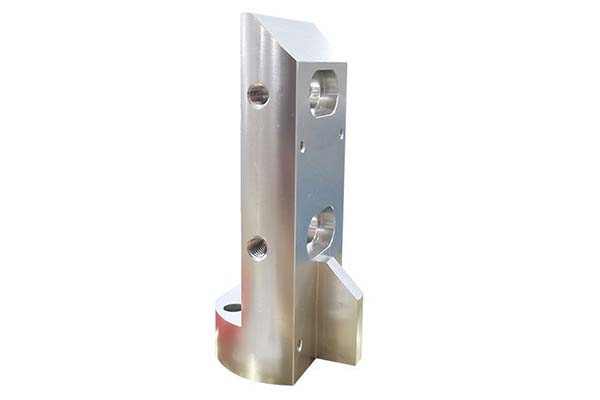
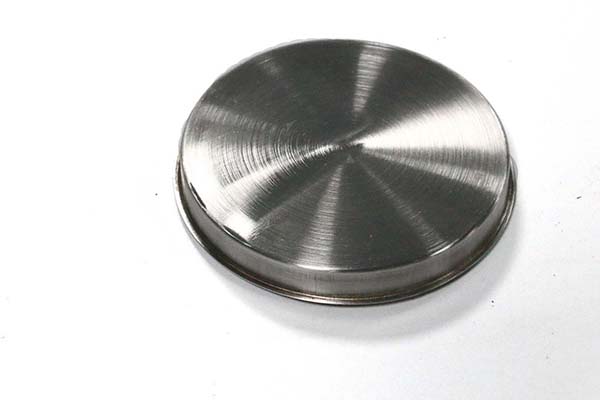
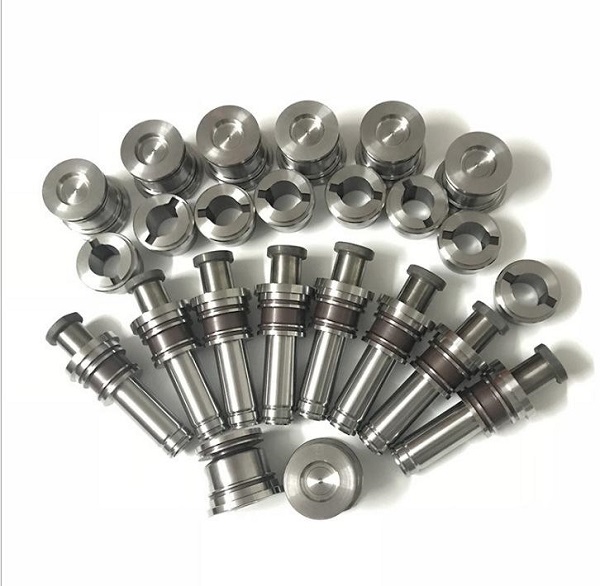
Precision machining turning stands as a fundamental pillar within modern manufacturing, seamlessly integrating cutting-edge technology with the finesse of traditional craftsmanship. This synergy enables the creation of components with astonishingly high accuracy—often reaching the micron level. The art of turning is a remarkable transformation process. Starting with raw materials such as metal billets, the turning process gradually carves away excess material, revealing a high-performance part. This is not just a mechanical process; it requires deep understanding of materials, the right choice of tools, and precise control over machining parameters. This guide explores the technical aspects underpinning precision turning, critical factors influencing success, and wide-ranging real-world applications—supported by industry data and expert insights.
How Does Turning Achieve Micron-Level Precision?
Precision turning relies on advanced technologies to achieve micron-level accuracy. At its heart are Computer Numerical Control (CNC) lathes —sophisticated machines programmed to rotate workpieces at high speeds while cutting tools, guided by precise digital instructions, shape the workpiece with extreme accuracy.
Key Technologies
| Technology | Description | Impact |
|---|---|---|
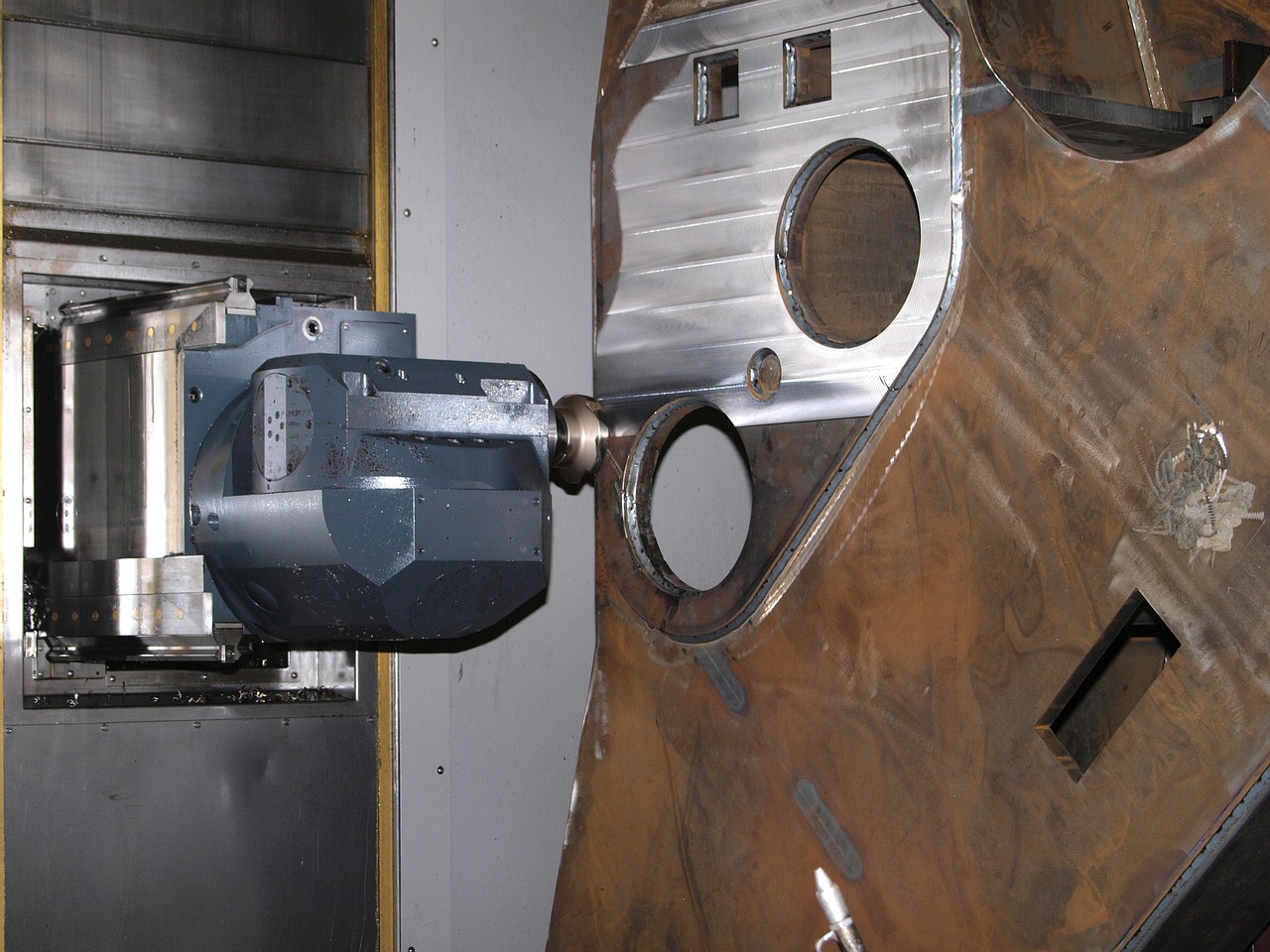
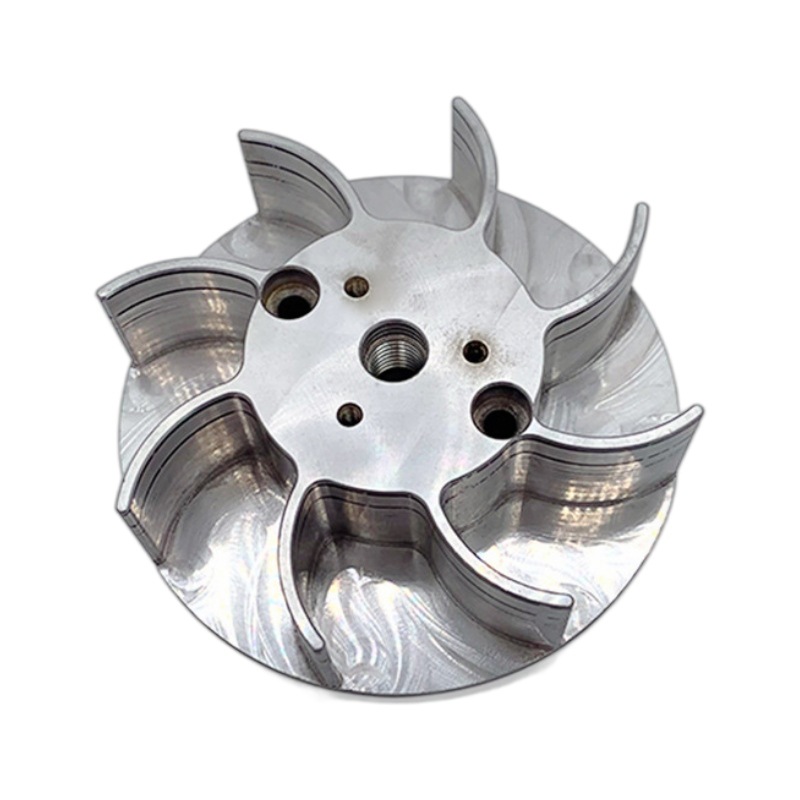
| 5-Axis Machining | Cutting tool moves simultaneously along five axes (X, Y, Z + two rotational). Creates complex geometries impossible with traditional methods. | Impellers for jet engines: 30% reduction in machining time vs. multi-step traditional processes; surface finish accuracy within ±5 microns. |
| High-Speed Spindles | Spindles rotate up to 50,000 RPM. Ensures smooth, consistent material removal. | Aluminum alloy components for high-end automotive engines: surface roughness <0.8 Ra. |
| Adaptive Control Systems | Sensors monitor cutting force, temperature, tool wear in real time; adjusts feed rate, spindle speed to compensate. | Case study: increased tool life 25%; improved dimensional accuracy—deviation within ±3 microns. |
How Does Material Selection Impact Precision Turning?
The choice of material is a critical factor that significantly impacts machining outcomes. Different materials present unique opportunities and challenges.
| Material Type | Application | Precision Challenges |
|---|---|---|
| Titanium Alloys | Aerospace components | High thermal conductivity; heat affects dimensional accuracy |
| Stainless Steel | Medical instruments | Work-hardening tendencies |
| Aluminum Alloys | Automotive parts | Dimensional stability |
What Key Factors Influence Precision in Turning?
Machine Rigidity and Vibration Control
Machine rigidity and vibration control are fundamental to achieving precision. Dynamic stiffness minimizes deflection under cutting forces.
| Factor | Impact | Data |
|---|---|---|
| Cast iron frames | Excellent damping properties; absorbs vibrations | Cast iron-framed machines: 30% less vibration amplitude vs. steel-framed—more stable cutting, better dimensional accuracy |
| Anti-vibration tools (carbide inserts) | High hardness, wear resistance; minimizes chatter (self-excited vibration) | High-precision turning: Ra 0.4 μm surface finish achievable for optics, electronics components |
Tooling and Cutting Parameters
Tool geometry and cutting parameters directly impact precision.
| Factor | Optimization | Impact |
|---|---|---|
| Rake angle | Positive rake reduces cutting forces (soft materials); negative/zero rake provides better tool strength (hard materials) | Titanium alloys: optimized rake angle reduced cutting forces 20%; improved dimensional control; 15% increase in tool life |
| Edge preparation | Honed/rounded edge enhances wear resistance, chipping resistance | More consistent cutting conditions; better maintained precision over time |
| Coolant systems (flood cooling) | Continuous application of large coolant volume reduces thermal expansion | Stainless steel: maintains dimensional tolerances ±0.01 mm during extended machining; dissipates heat; reduces friction; prevents thermal-induced dimensional changes |
Programming and Post-Processing
CAD/CAM software and post-machining inspection are integral to high-precision results.
| Technology | Capability | Impact |
|---|---|---|
| CAD/CAM software | Generates toolpaths with sub-micron precision; simulates machining process virtually | Micro-components for medical devices: tolerances ±1 micron |
| CMM (Coordinate Measuring Machine) | Measures dimensions with accuracy up to ±0.002 mm | Aerospace components: verifies critical dimensions—engine shaft diameters, turbine blade root angles |
Where Is Precision Turning Applied Across High-Stakes Industries?
Aerospace and Defense
| Component | Requirement | Impact |
|---|---|---|
| Titanium turbine blades | Tight tolerances for aerodynamic efficiency | Turbines with precisely turned blades reduce fuel consumption up to 15% |
| Missile components (guidance systems) | Tolerances <±0.005 mm | Study: tolerance tightened ±0.01 mm → <±0.005 mm increased targeting accuracy 20% |
Healthcare
| Component | Requirement | Impact |
|---|---|---|
| Orthopedic implants (hip/knee replacements) | Cobalt-chromium alloys; precision ±0.01 mm | Research: precise dimensions reduced implant-related complications (loosening, misalignment) 30% |
| Surgical instruments (micro-turned stainless steel forceps) | Surface finish Ra 0.2 μm | Study: forceps with Ra ≤0.2 μm had 15% lower rate of tissue trauma |
Automotive
| Component | Requirement | Impact |
|---|---|---|
| EV motor shafts (carbon-fiber composites) | High-speed turning; high precision reduces rotational imbalance | Case study: high-speed turning reduced rotational imbalance 30%—smoother operation, reduced noise/vibration, increased efficiency |
| Transmission gears | Hobbing + turning; DIN 6-level precision | Long-term study: DIN 6-level precision gears had 25% longer lifespan vs. lower-precision machining |
What Is the Future of Precision Turning?
Precision machining turning is a finely tuned art form at the heart of innovation. The future holds promise with integration of artificial intelligence (AI) , advanced materials , and sustainable practices.
| Trend | Description | Potential Impact |
|---|---|---|
| AI integration | AI-powered algorithms analyze real-time data; optimize cutting parameters; predict tool wear; autonomously adjust machining process | Fully autonomous precision turning systems; minimal human intervention; reduced errors; improved efficiency |
| Advanced materials | High-strength alloys, composites, nanomaterials—require innovative machining techniques | Carbon-fiber composites (aerospace, automotive): specialized tools and processes for desired precision |
| Sustainable practices | Energy-efficient processes; reduced waste; environmentally friendly coolants | Lower environmental impact; reduced operating costs |
Conclusion
Precision machining turning achieves micron-level accuracy through advanced technologies: 5-axis machining (30% reduction in machining time, ±5 microns finish), high-speed spindles (up to 50,000 RPM, <0.8 Ra surface finish), and adaptive control systems (25% increased tool life, ±3 microns deviation). Material selection impacts precision—titanium alloys (high thermal conductivity), stainless steel (work-hardening), aluminum (dimensional stability). Key factors include machine rigidity (cast iron frames: 30% less vibration), anti-vibration tools (Ra 0.4 μm achievable), optimized tool geometry (rake angle optimization: 20% reduced cutting forces, 15% increased tool life), flood cooling (±0.01 mm tolerances for stainless steel), and CAD/CAM software (sub-micron toolpaths, ±1 micron tolerances for medical micro-components). Applications span aerospace (turbine blades: 15% fuel reduction; missile components: 20% targeting accuracy increase), healthcare (implants: 30% fewer complications; surgical instruments: 15% less tissue trauma), and automotive (EV motor shafts: 30% reduced rotational imbalance; transmission gears: 25% longer lifespan). The future integrates AI (autonomous systems), advanced materials (carbon-fiber composites), and sustainable practices—redefining manufacturing boundaries.
FAQs
What is the most critical factor in achieving micron-level precision in turning?
While several factors are crucial, machine rigidity and vibration control are often most critical. A rigid machine structure (cast iron frames) with excellent damping properties minimizes deflection under cutting forces. Effective vibration control (anti-vibration carbide tools) maintains stable cutting conditions, enabling micron-level precision.
How does material selection impact precision turning?
Different materials have unique properties: titanium alloys (high thermal conductivity affects dimensional accuracy), stainless steel (work-hardening tendencies), aluminum alloys (dimensional stability). Selecting the right material and implementing appropriate machining strategies—special cooling for titanium, carbide-tipped tools for stainless steel—is essential for achieving precision.
What role does AI play in the future of precision turning?
AI analyzes real-time data to optimize cutting parameters , predict tool wear , and autonomously adjust the machining process . It has potential to lead to fully autonomous precision turning systems—reducing human error, improving production efficiency, and enhancing precision.
Contact Yigu Technology for Custom Manufacturing
At Yigu Technology , we master the art of precision turning. Our CNC lathes with high-speed spindles (up to 50,000 RPM) , 5-axis machining capabilities, and adaptive control systems achieve tolerances as tight as ±3 microns and surface finishes <0.8 Ra . We work with titanium alloys, stainless steel, aluminum, and advanced composites—serving aerospace, medical, and automotive industries. From turbine blades to orthopedic implants, we provide DFM feedback to optimize your designs for manufacturability.
Ready to experience the art of precision turning? Contact Yigu Technology today for a free consultation and quote. Let us help you achieve micron-level accuracy in every component.