Introduction
Finding the right manufacturing partner can feel overwhelming. The choice affects your product quality, delivery timelines, and ultimately your business reputation. Whether you need custom precision machining parts, electro-mechanical assemblies, or specialized attachments, the stakes are high. A precision manufacturing company does more than make parts—it becomes a critical extension of your team.
This guide walks you through what these companies do, how to evaluate them, and what questions to ask. You will learn practical steps to find a partner who meets your technical needs and business goals. Let us simplify this process together.
What Makes a Precision Manufacturing Company Different?
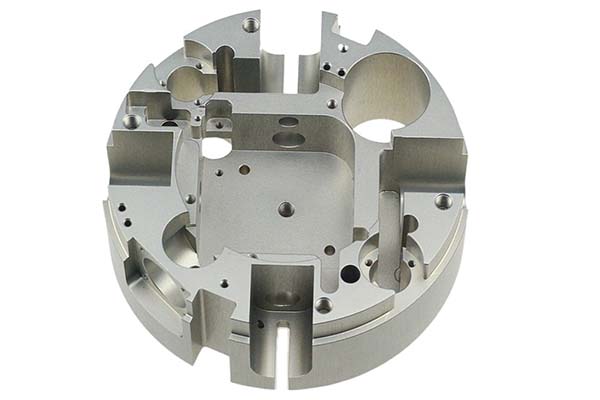
A precision manufacturing company specializes in making parts with extremely tight tolerances—sometimes as small as ±0.0001 inches. That is thinner than a human hair. General machine shops cannot always meet these standards.
These companies use advanced tools like CNC machining, wire EDM, and 3D printing. They also follow strict quality systems to ensure every part matches your specifications exactly.
Why Does Precision Matter?
Imagine a medical implant that is off by a fraction of a millimeter. It may not fit or could fail inside a patient. In aerospace, a turbine blade with poor tolerances can cause engine failure. Precision is not just about quality—it is about safety and performance.
Core Value They Bring
- Ultra-precise production for complex parts
- Material expertise with titanium, Inconel, ceramics, and composites
- Rigorous quality assurance under standards like ISO 9001 or AS9100
- Scalability from prototypes to high-volume runs
- Cost control through reduced waste and rework
Industry data: The global precision manufacturing market is projected to reach $586.7 billion by 2030, growing at 5.9% annually. Precision manufacturing services now account for 65% of that market share.
What Capabilities Should You Look For?
Not all precision manufacturers offer the same services. Here is what to check when evaluating a partner.
1. Precision CNC Machining
This is the backbone of most operations. Look for these specific capabilities:
| Capability | What It Does | Best For |
|---|---|---|
| 5-Axis CNC Machining | Machines complex parts from multiple angles in one setup | Aerospace components, medical implants |
| Swiss-Style Turning | Produces small, intricate parts with tight tolerances | Medical screws, electronic connectors |
| Wire EDM | Cuts hard materials with ultra-precision | Tungsten parts, thin-walled components |
Real example: One aerospace firm switched to a precision manufacturer using 5-axis CNC for turbine blades. The new partner achieved tolerances of ±0.0005 inches, cut material waste by 35%, and boosted production efficiency by 40% compared to their previous supplier.
2. Assembly Services
Some companies only make parts. Others offer full assembly, which saves you time and coordination headaches.
Key assembly services include:
- Wire harness and cable assembly for automotive, aerospace, and electronics
- Electro-mechanical assembly combining motors, sensors, and controllers
- Kitting—pre-packaged sets of parts ready for your production line
3. Custom Fabrication and Prototyping
A good partner helps you during product development too. They should offer:
- Design support to make parts easier and cheaper to manufacture
- Rapid prototyping using 3D printing or CNC for quick testing
- Low-volume production without requiring expensive tooling
4. Quality Control and Inspection
Quality is not just a promise—it must be measurable. Look for:
- Advanced inspection tools: CMMs (coordinate measuring machines), optical comparators, X-ray systems
- Statistical Process Control (SPC) to catch variations in real time
- Certifications like ISO 9001, AS9100 (aerospace), ISO 13485 (medical), and FDA compliance
What Products Do Precision Manufacturers Make?
Precision manufacturing serves many industries. Here are common products and their requirements:
| Product Category | Examples | Industry | Key Requirements |
|---|---|---|---|
| Precision Machined Parts | Turbine blades, medical implants, engine components | Aerospace, Medical, Automotive | Tolerances ±0.0001–±0.001 inches, high surface finish |
| Heavy-Duty Attachments | Grapples, rakes, stump buckets | Construction, Agriculture | High strength, wear and corrosion resistance |
| Electro-Mechanical Assemblies | Sensor modules, motor assemblies, control panels | Automotive, Electronics, Industrial | Precise alignment, electrical reliability |
| Wire Harnesses | Automotive wiring, aerospace cables, medical device wiring | Automotive, Aerospace, Medical | Fire resistance, vibration resistance, safety compliance |
| Custom Prototypes | Functional test parts, design validation components | All industries | Fast turnaround, design flexibility |
How Do You Choose the Right Partner?
Selecting a precision manufacturing company requires more than comparing prices. Use these seven criteria to guide your decision.
1. Do They Have the Right Technical Equipment?
Ask specific questions:
- Do they have 5-axis CNC and Swiss-style lathes?
- Can they process your required materials—like titanium or composites?
- Do they offer the assembly services you need, or only component manufacturing?
2. What Quality Certifications Do They Hold?
Certifications show commitment to consistency. Prioritize companies with:
- ISO 9001 (quality management)
- AS9100 for aerospace work
- ISO 13485 or FDA compliance for medical devices
- A documented quality control process and audit history
3. Do They Know Your Industry?
Experience matters. Look for:
- Case studies or references from your industry
- Engineers and technicians with relevant domain knowledge
- Understanding of regulatory requirements specific to your field
Real example: A medical device startup needed custom surgical instruments. They chose a precision manufacturer with 15 years of medical experience and ISO 13485 certification. The result? On-time delivery of FDA-compliant instruments that helped the startup launch successfully.
4. Can They Meet Your Production Needs?
Assess their capacity and lead times:
- Can they scale from prototypes to high-volume runs?
- What are typical lead times for custom orders?
- Do they offer expedited services for urgent projects?
- Do they have contingency plans for equipment or supply disruptions?
5. Is Their Pricing Transparent?
Cost matters, but hidden fees hurt. Look for:
- Detailed quotes explaining material, labor, and tooling costs
- Willingness to discuss design optimization to reduce expenses
- No surprises—clear pricing from the start
6. How Do They Communicate?
Poor communication leads to delays and errors. A good partner:
- Assigns a dedicated project manager or engineer
- Provides regular production updates
- Responds quickly to questions
- Collaborates on design improvements
7. What About Location and Supply Chain?
Consider these practical factors:
- Proximity reduces shipping costs and lead times
- A diversified supply chain minimizes raw material risks
- Ethical sourcing and sustainability practices matter for compliance
Best Practices for a Successful Partnership
Once you choose a precision manufacturer, follow these steps to ensure smooth collaboration.
1. Give Clear Specifications
Provide detailed drawings, 3D models, and specifications. Use standard formats like STEP or IGES. Clearly mark critical features like tight tolerances or surface finish requirements.
2. Do Design for Manufacturability (DFM) Reviews Early
Involve the manufacturer’s engineering team during design. They can spot issues like:
- Tolerances that are too tight for standard processes
- Material choices that complicate machining
- Design changes that reduce cost without affecting performance
3. Define Quality Requirements Upfront
Agree on inspection criteria early. Establish acceptance standards for:
- First-article inspection (FAI)
- In-process inspections
- Final quality reports
4. Keep Communication Open
Schedule regular check-ins. Quick feedback prevents small issues from becoming big delays. A weekly call or email update keeps everyone aligned.
5. Think Long-Term
A trusted partner learns your business over time. They will:
- Anticipate your needs
- Suggest process improvements
- Offer better pricing as volumes grow
Conclusion
Choosing a precision manufacturing company is a strategic decision. It impacts your product quality, production speed, and market competitiveness. By focusing on technical capabilities, quality certifications, industry experience, and communication, you can find a partner who delivers consistent results.
Remember to start with clear specifications, collaborate on design improvements, and build a relationship based on trust and transparency. The right manufacturer does not just make parts—they help your business succeed.
FAQ About Precision Manufacturing Company
Q1: What is a precision manufacturing company?
A1: A precision manufacturing company specializes in producing high-tolerance components with exceptional accuracy—often as tight as ±0.0001 inches. They use advanced CNC machining, wire EDM, and rigorous quality systems to serve industries like aerospace, medical, automotive, and electronics.
Q2: What capabilities should I look for in a precision manufacturing company?
A2: Look for precision CNC machining (5-axis, Swiss-style), wire EDM, assembly services (wire harness, electro-mechanical), custom fabrication, and comprehensive quality control with CMM inspection. Industry-specific certifications like ISO 9001, AS9100, or ISO 13485 are also essential.
Q3: How do precision manufacturing companies ensure part quality?
A3: They use advanced inspection equipment such as CMMs and optical comparators. Many apply Statistical Process Control (SPC) to monitor production in real time. They also follow industry certifications and conduct first-article and in-process inspections.
Q4: What industries do precision manufacturing companies serve?
A4: They serve aerospace, medical devices, automotive (especially EVs), electronics, construction, agriculture, and industrial machinery. Common products include turbine blades, medical implants, EV motor parts, and heavy-duty attachments.
Q5: How much does it cost to work with a precision manufacturing company?
A5: Costs vary based on part complexity, material, volume, and lead time. Simple precision parts may cost $5–$50 per unit. Complex components like aerospace turbine blades or medical implants can range from $100 to over $1,000 per unit. A reputable company will provide a transparent, detailed quote.
Q6: What is the typical lead time for a precision manufacturing company?
A6: Prototyping or small-batch orders often take 1–2 weeks. High-volume production may take 4–8 weeks. Some companies offer expedited services that reduce lead times by 30–50% for an additional fee.
Q7: How can I optimize my collaboration with a precision manufacturing company?
A7: Provide clear specifications, engage in DFM reviews early, define quality requirements upfront, maintain open communication, and plan for a long-term partnership. These steps reduce costs, improve quality, and ensure on-time delivery.
Discuss Your Projects Needs with Yigu
At Yigu Technology, we are a trusted precision manufacturing company with over a decade of experience. We serve clients across aerospace, medical, automotive, electronics, and construction industries. Our team combines advanced technology with deep industry expertise to deliver tailored solutions.
Our capabilities include:
- Advanced Precision Machining: 5-axis CNC milling, Swiss-style turning, wire EDM, and 3D printing with tolerances as tight as ±0.0001 inches
- End-to-End Assembly Services: Wire harness and cable assembly, electro-mechanical integration, and kitting
- Custom Fabrication: Heavy-duty attachments like grapples, rakes, and stump buckets, plus low- to high-volume custom parts
- Rigorous Quality Control: ISO 9001, AS9100, and ISO 13485 standards with CMM inspection, SPC, and FDA-compliant processes for medical applications
- DFM Support: Collaborative engineering to optimize your designs for cost and quality
- Supply Chain Resilience: Diversified sourcing and ethical manufacturing for consistent delivery
We understand every project has unique challenges—whether it is ultra-tight tolerances, regulatory requirements, scaling production, or strict lead times. As your partner, we prioritize open communication and collaboration to exceed your expectations.
Contact us today to discuss your project needs. Let our expertise help you optimize your manufacturing workflow, reduce costs, and bring high-quality, precision products to market successfully.