Introduction
You have a product idea. It needs plastic parts. But off-the-shelf components do not fit your design. This is where custom plastic injection molding services come in.
These services turn your unique designs into real, usable parts. The process starts with molten plastic. It flows into a custom-made mold. After cooling, the part takes shape exactly as you designed.
This manufacturing method works for many industries. Medical devices, automotive components, consumer electronics, and industrial equipment all rely on it. The key advantage? Consistency. Once the mold is ready, every part comes out identical.
In this guide, we will explore what these services include. You will learn about design, mold making, production, and how to choose the right partner.
How Does Custom Injection Molding Work?
The process follows a clear sequence. Each step affects the final quality.
Melting and Injection
Plastic pellets go into the machine. Heat turns them into a thick, flowing liquid. The machine then pushes this liquid into the mold under high pressure.
Injection pressure typically ranges from 500 to 3000 bar. The exact number depends on the plastic type and part complexity.
Cooling and Ejection
Inside the mold, the plastic cools and hardens. The cooling time is carefully controlled. Too fast, and the part warps. Too slow, and cycle time increases.
Once solid, the mold opens. Ejector pins push the part out. The process then repeats.
Post-Processing
Many parts need extra steps after molding. Trimming removes excess material called flash. Sanding smooths rough edges. Painting or plating adds color and protection.
What Services Do Providers Offer?
Design and Engineering
Good parts start with good designs. Skilled engineers use CAD (Computer-Aided Design) software to build 3D models. These models let you see the part before any metal is cut.
A recent medical device project shows the value of this step. The client needed a complex housing for a diagnostic tool. Using CAD, the design team spotted a potential assembly issue. They fixed it digitally. This saved weeks of rework later.
CAM (Computer-Aided Manufacturing) then converts the design into machine instructions. This ensures the mold is cut with high precision.
Mold Making
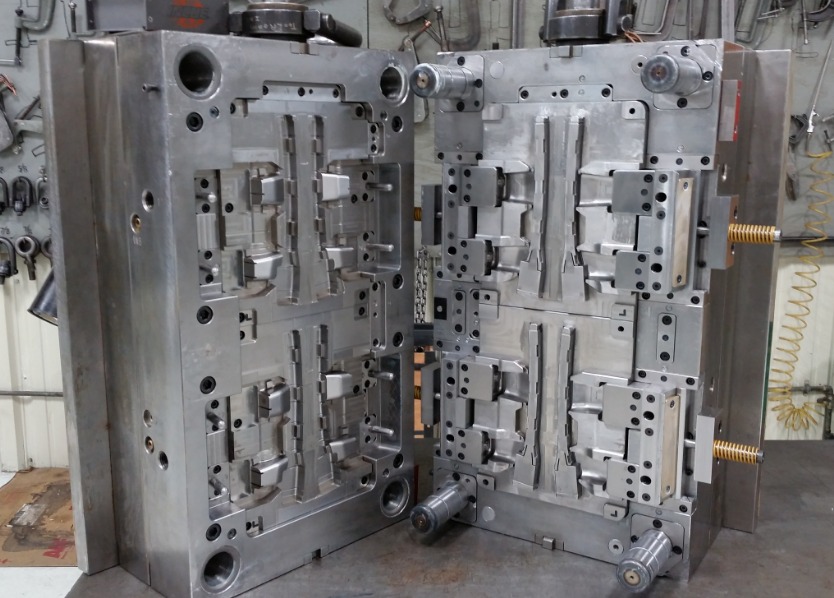
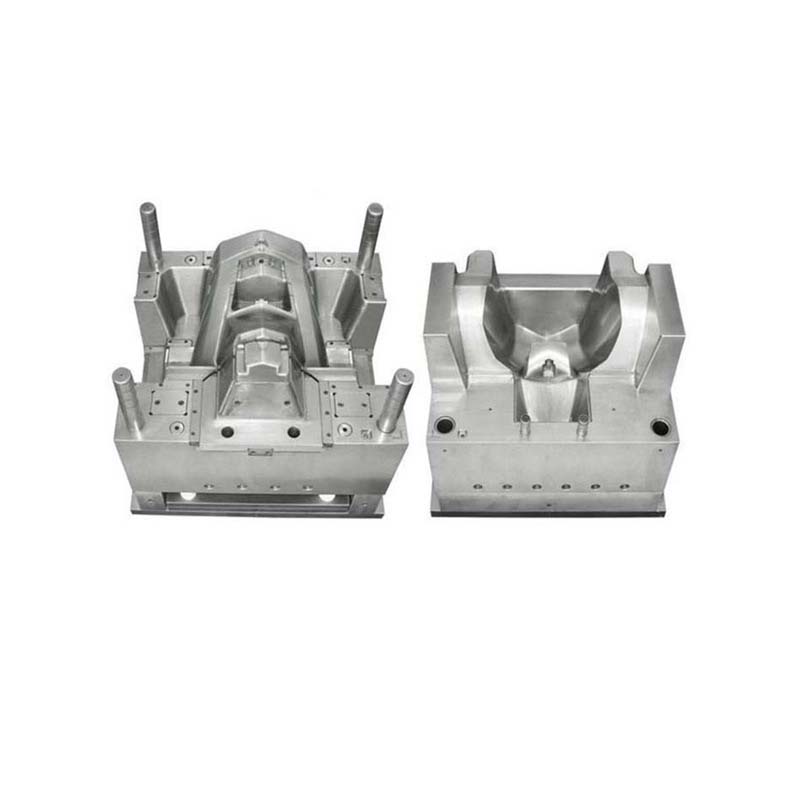
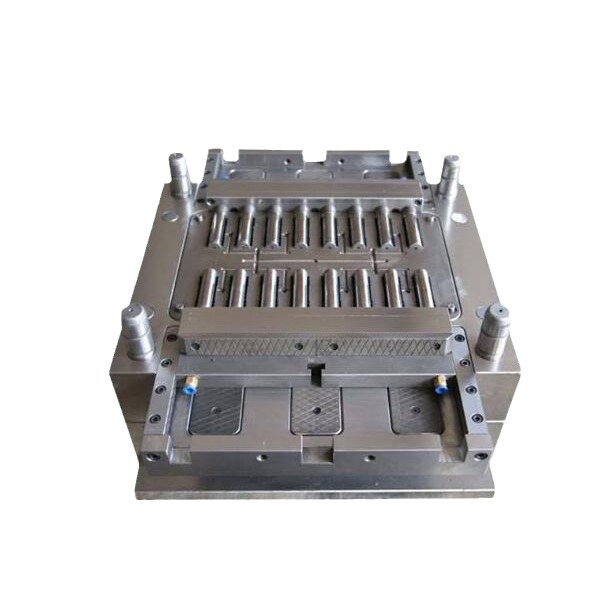
The mold is the heart of the process. It determines the part's shape, surface finish, and consistency.
Mold material matters. Steel molds last for hundreds of thousands of cycles. They suit high-volume production. Aluminum molds cost less and cool faster. They work well for prototypes and smaller runs.
| Mold Material | Durability | Cost | Best For |
|---|---|---|---|
| Steel | High (500,000+ cycles) | Higher | High-volume production |
| Aluminum | Medium (10,000-50,000 cycles) | Lower | Prototypes, small batches |
Mold making uses CNC machining to cut the cavity and core. For complex features like cooling channels or detailed textures, EDM (Electrical Discharge Machining) creates precise details that standard cutting tools cannot reach.
Production
Injection molding machines vary in size and capability. Shot size—the amount of plastic injected per cycle—determines what parts a machine can make.
Small machines handle runs of 1,000 units or less. They are ideal for prototypes and low-volume products. Large machines produce 100,000 units or more efficiently.
Modern machines offer precise control. Injection speed can range from 10 to 300 mm/s. Operators adjust these settings to match the material and part geometry.
Secondary Operations
Sometimes molding alone does not finish the part.
Assembly joins multiple components. For small volumes, technicians do this by hand. For larger runs, automated lines increase speed and consistency.
Surface treatments add value. Painting gives color and protects against wear. Plating adds a premium look and extra durability. Sandblasting creates specific textures for grip or aesthetics.
How to Choose the Right Service Provider?
Picking the wrong partner leads to delays, poor quality, and hidden costs. Here is what to evaluate.
Experience and Expertise
Look for a provider with a long track record. A company with 15 to 20 years in the industry has solved many problems before.
Check their portfolio. If you make automotive parts, find a provider who has done similar work. Ask about the materials they handle. A wide range shows technical depth.
The technical team matters too. Engineers should have degrees in mechanical or plastics engineering. More importantly, they should have hands-on experience with mold design and production troubleshooting.
Quality Assurance
A solid quality system is non-negotiable. ISO 9001 certification indicates the provider follows international standards from design to delivery.
Ask about their inspection process. Good providers check dimensions at every stage. They use tools like CMM (Coordinate Measuring Machines) to verify accuracy. They also have clear procedures for handling parts that do not meet specifications.
Equipment and Technology
Machines matter. Newer machines offer better precision and faster cycles. Some models adjust pressure and speed in real time based on sensor feedback.
Automation improves consistency. Robotic arms remove parts without human handling. Computer-controlled systems monitor mold temperature and process stability.
A provider who invests in technology is serious about quality.
Customer Service
You need a partner who communicates clearly. They should respond to inquiries within 24 hours.
During the project, regular updates keep you informed. If problems arise, they should present solutions, not excuses.
After delivery, support continues. If issues come up, a good provider works with you to resolve them quickly.
The table below summarizes key selection criteria:
| Criteria | What to Look For |
|---|---|
| Experience | 15+ years, relevant portfolio |
| Quality | ISO 9001, in-house inspection |
| Technology | Modern machines, automation |
| Service | Fast response, regular updates |
What Are the Common Materials Used?
Different plastics serve different purposes. Here are the most common choices.
ABS (Acrylonitrile Butadiene Styrene) offers strength and impact resistance. It has a good surface finish. Applications include automotive interiors and electronics housings.
PP (Polypropylene) resists chemicals well. It has low density and handles heat. Food containers, automotive parts, and industrial components often use PP.
PE (Polyethylene) comes in two main grades. HDPE (High-Density) is rigid and strong. It is used for pipes and buckets. LDPE (Low-Density) is flexible. It appears in plastic bags and some packaging.
PC (Polycarbonate) provides optical clarity. It has high impact strength and heat resistance. Eyewear lenses, automotive lighting, and safety helmets often use PC.
Conclusion
Custom plastic injection molding services turn your product ideas into physical reality. The process starts with design and engineering. Skilled teams build digital models and optimize them for manufacturing. Mold makers then create precision tools from steel or aluminum. Production machines run these molds to produce parts by the thousands or millions. Secondary operations add finishing touches like assembly, painting, or plating.
Choosing the right provider makes all the difference. Look for experience, strong quality systems, modern equipment, and responsive customer service. With the right partner, you get consistent parts delivered on time.
This manufacturing method offers unmatched repeatability. Once the mold is built, every part comes out identical. For products that demand quality and consistency, custom plastic injection molding is the answer.
FAQ
What types of plastics can be used in custom plastic injection molding?
Common plastics include ABS for strength and impact resistance, PP for chemical resistance and low density, PE in rigid HDPE and flexible LDPE forms, and PC for optical clarity and high impact strength. Engineering plastics like PEEK and Nylon are also available for specialized applications.
How long does the custom plastic injection molding process take?
From design to first prototype typically takes 2 to 4 weeks. Small production runs of 1,000 to 5,000 units may take another 1 to 2 weeks. Large runs of 50,000 units or more can take several weeks to months, depending on part complexity and mold availability.
Do I need to provide my own mold for custom plastic injection molding?
Most providers, including Yigu Technology, offer in-house mold making services. They design and build molds based on your product specifications. If you already have a mold, providers can use it after inspection. Having the same provider make the mold often ensures better compatibility and ongoing maintenance support.
What is the difference between steel and aluminum molds?
Steel molds last longer, often exceeding 500,000 cycles, and suit high-volume production. Aluminum molds cost less and cool faster but typically last 10,000 to 50,000 cycles. They work well for prototypes and small to medium batches.
How do I ensure quality in injection molded parts?
Work with a provider who has ISO 9001 certification and in-house inspection capabilities. Look for regular quality checks at every stage, from raw material testing to final part inspection using tools like coordinate measuring machines.
Contact Yigu Technology for Custom Manufacturing
At Yigu Technology, we specialize in custom plastic injection molding services. Our team brings years of hands-on experience to every project. We offer one-stop solutions from design and mold making to production and secondary operations.
We handle both small batches for prototypes and large volumes for mature products. Our advanced equipment and quality systems ensure consistent, high-precision parts.
Ready to turn your idea into reality? Contact Yigu Technology today to discuss your project requirements.