Introduction
Plastic molding is the foundation of modern manufacturing. It transforms raw plastic materials into the products that shape our world—from the smartphone in your pocket to the dashboard in your car, from medical syringes to food containers. The ability to create complex shapes with precision, consistency, and efficiency has made plastic molding indispensable across industries.
In a typical automobile, plastic components account for 10–15% of total vehicle weight —a percentage steadily increasing as manufacturers seek fuel efficiency and design freedom. In consumer electronics, plastic parts make up over 50% of most devices by volume. The medical industry relies on plastic molding for sterile, disposable products that save lives daily.
Mastering plastic molding requires understanding diverse techniques, material properties, process parameters, and design principles. This guide explores the key techniques—injection molding, blow molding, compression molding—and provides insights into material selection, process optimization, and mold design. Whether you are a designer, engineer, or manufacturer, this comprehensive overview will help you master the art of plastic molding.
What Are the Key Plastic Molding Techniques?
Plastic molding encompasses several distinct processes, each suited to different applications, geometries, and production volumes.
Injection Molding
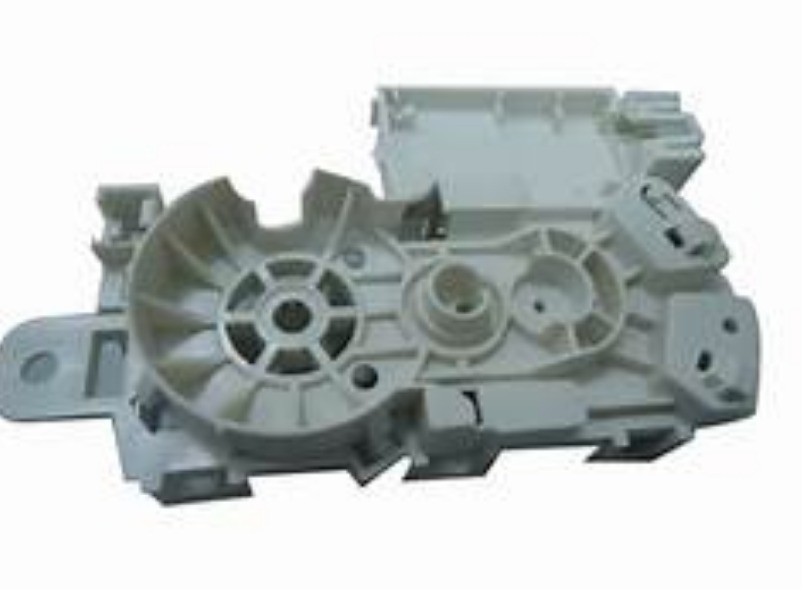
Injection molding is the most widely used plastic molding technique. It produces complex, high-precision parts with excellent surface finish and tight tolerances.
How Injection Molding Works
| Stage | Description |
|---|---|
| Clamping | The mold halves are closed and clamped under high force |
| Injection | Molten plastic is injected into the mold cavity under high pressure (50–200 MPa) |
| Packing | Holding pressure compensates for shrinkage as the plastic cools |
| Cooling | The plastic solidifies; cooling channels circulate coolant |
| Ejection | The mold opens; ejector pins push the finished part out |
Key Advantages
| Advantage | Explanation |
|---|---|
| Complex geometries | Intricate shapes with fine details, undercuts, and thin walls |
| High precision | Tolerances as tight as ±0.01 mm |
| High volume | Cost-effective for thousands to millions of parts |
| Material versatility | Wide range of thermoplastics and thermosets |
| Surface finish | Excellent; mirror finishes possible |
Applications
- Automotive interior and exterior components
- Electronics housings (smartphones, laptops)
- Medical devices (syringes, diagnostic equipment)
- Consumer goods (containers, toys)
Blow Molding
Blow molding produces hollow plastic products. It is the process behind bottles, containers, and tanks.
Extrusion Blow Molding
| Stage | Description |
|---|---|
| Extrusion | A parison (hollow tube) is extruded downward |
| Mold closing | The mold closes around the parison |
| Blowing | Compressed air inflates the parison against the mold walls |
| Cooling | The plastic solidifies |
| Ejection | The mold opens; the finished part is ejected |
Best for: Large-volume, simple hollow products like water bottles, detergent bottles, and fuel tanks.
Injection Blow Molding
| Stage | Description |
|---|---|
| Preform molding | A preform is injection-molded with a finished neck |
| Transfer | The preform is transferred to a blow mold |
| Blowing | The preform is reheated and blown into final shape |
Best for: High-quality, small-to-medium hollow products like pharmaceutical bottles, cosmetic containers.
Key Advantages
| Advantage | Explanation |
|---|---|
| Seamless construction | No weld lines; stronger containers |
| Uniform wall thickness | Consistent material distribution |
| Cost-effective | Low per-part cost at high volumes |
Compression Molding
Compression molding is primarily used for thermosetting plastics and composites.
How Compression Molding Works
| Stage | Description |
|---|---|
| Material placement | Measured charge of plastic (powder, granule, or preform) is placed in the open mold |
| Mold closing | The mold closes, applying heat and pressure |
| Curing | Heat initiates a chemical reaction (cross-linking) |
| Ejection | The mold opens; the cured part is removed |
Key Advantages
| Advantage | Explanation |
|---|---|
| High strength | Thermosets offer excellent mechanical properties |
| Heat resistance | Withstands high temperatures |
| Electrical insulation | Ideal for electrical components |
| Low internal stress | Lower pressure than injection molding |
Applications
- Electrical switch housings and insulators
- Automotive brake components
- Composite parts (glass fiber-reinforced)
- Appliance handles
How Does Material Selection Impact Molding Success?
Material choice is fundamental to plastic molding. Different plastics have distinct properties that affect processing, performance, and cost.
Common Plastics and Their Properties
| Material | Key Properties | Typical Applications |
|---|---|---|
| Polyethylene (PE) | Chemical resistance; low cost; flexible (LDPE) or rigid (HDPE) | Bottles, bags, pipes, containers |
| Polypropylene (PP) | High melting point; heat resistance; fatigue resistance | Automotive parts, food containers, appliances |
| Polyvinyl Chloride (PVC) | Versatile; rigid or flexible; weather-resistant | Pipes, window frames, cables, flooring |
| ABS | Impact resistance; dimensional stability; good surface finish | Electronics housings, automotive trim, toys |
| Polycarbonate (PC) | High strength; optical clarity; heat resistance | Lenses, medical devices, safety equipment |
| Nylon (PA) | Strong; wear-resistant; low friction | Gears, bearings, structural parts |
| PEEK | High temperature; chemical resistance; biocompatible | Aerospace, medical implants, high-performance parts |
Material Selection Criteria
| Criterion | Considerations |
|---|---|
| Mechanical requirements | Strength; flexibility; impact resistance; wear resistance |
| Thermal requirements | Operating temperature; heat deflection temperature |
| Chemical exposure | Resistance to oils, fuels, solvents, cleaning agents |
| Regulatory compliance | Food contact; medical (USP Class VI); flame retardancy |
| Processing characteristics | Flowability; shrinkage; drying requirements |
| Cost | Material cost; production efficiency; waste |
How Material Affects Molding
| Material Property | Impact on Process |
|---|---|
| Shrinkage rate | Affects mold dimensions; must be compensated in design |
| Melt flow index | Higher = better flow; fills complex molds easily |
| Moisture sensitivity | Hygroscopic materials require drying to prevent defects |
| Thermal stability | Narrow processing window requires precise temperature control |
How Do Process Parameters Affect Molding Quality?
Process parameters must be optimized for each material and part design.
Injection Molding Parameters
| Parameter | Low Setting Effect | High Setting Effect |
|---|---|---|
| Injection pressure | Short shots; incomplete filling | Flash; over-packing; stress; mold damage |
| Injection speed | Long cycles; flow marks; premature freeze-off | Air entrapment; shear degradation; voids |
| Melt temperature | Poor flow; unmelted particles; short shots | Degradation; discoloration; brittleness |
| Mold temperature | Internal stress; warpage; poor surface | Longer cycles; sticking; sink marks |
| Holding pressure | Shrinkage; sink marks | Over-packing; stress; warpage |
Optimization Approach
- Start with material manufacturer’s recommended settings
- Conduct trial runs with systematic parameter variations
- Measure results (dimensions, surface quality, mechanical properties)
- Identify optimal window where quality is consistent
- Document and monitor parameters during production
Example: Thin-Walled Part Optimization
For a thin-walled smartphone case:
- Higher injection speed – Fills thin sections before freeze-off
- Moderate melt temperature – Ensures flow without degradation
- Lower mold temperature – Faster cycles; balanced cooling to prevent warpage
How Does Mold Design Influence Quality?
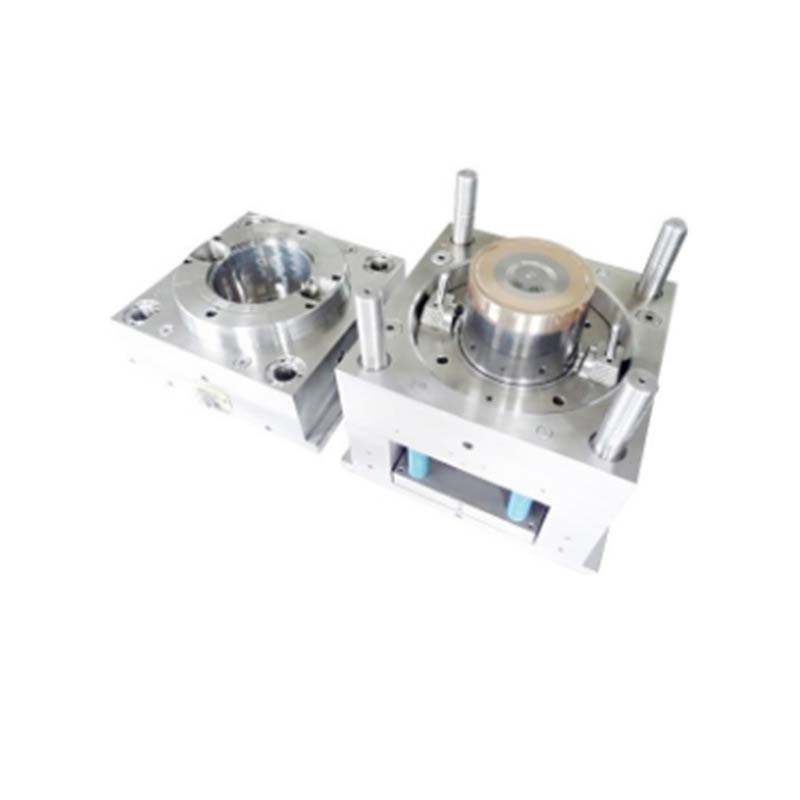
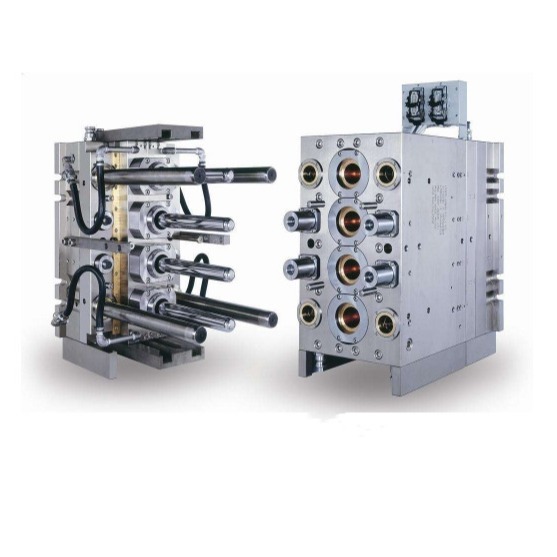
Mold design is critical to successful plastic molding. A well-designed mold ensures uniform filling, proper cooling, and consistent part quality.
Key Mold Design Elements
| Element | Importance |
|---|---|
| Gate location | Controls flow pattern; affects weld lines; stress distribution |
| Runner system | Balanced runners ensure uniform filling of multi-cavity molds |
| Cooling channels | Uniform cooling prevents warpage; reduces cycle time |
| Venting | Prevents air traps; burns; incomplete filling |
| Ejection system | Even ejection prevents part damage; proper pin placement |
| Draft angles | Facilitates ejection; prevents surface scratches |
Gate Types
| Gate Type | Best For |
|---|---|
| Edge gate | General purpose; easy to machine |
| Pin gate | Cosmetic surfaces; small parts |
| Fan gate | Large, thin parts; even flow |
| Submarine gate | Automatic degating; high-volume |
| Hot runner | No waste; consistent temperature |
Mold Materials
| Material | Best For | Properties |
|---|---|---|
| P20 steel | General-purpose; medium volume | Good machinability; moderate hardness |
| H13 steel | High-volume; high-temperature | Excellent wear resistance; heat-treated |
| Aluminum | Prototypes; low-volume | Fast machining; good thermal conductivity |
| Stainless steel | Medical; corrosive materials | Corrosion resistance; cleanability |
Mold Maintenance
| Frequency | Task |
|---|---|
| Daily | Clean parting lines; check ejector pins |
| Weekly | Inspect gates; clean cooling channels |
| Monthly | Check for wear; measure critical dimensions |
| Per production run | Clean; lubricate; inspect for damage |
What Are Real-World Applications?
Automotive Industry
| Component | Molding Process | Benefits |
|---|---|---|
| Dashboards | Injection molding | Complex shapes; integrated features; weight reduction |
| Bumpers | Injection or blow molding | Impact resistance; design flexibility; cost-effective |
| Door panels | Injection molding | Integrated armrests; speaker enclosures; one-piece assembly |
| Interior trim | Injection molding | Aesthetic finishes; texture options |
Lightweighting: Use of high-strength, low-density plastics like carbon-fiber-reinforced composites reduces vehicle weight, improving fuel efficiency.
Consumer Electronics
| Component | Molding Process | Benefits |
|---|---|---|
| Smartphone cases | Injection molding | Precise cutouts; shock absorption; design variety |
| Laptop housings | Injection molding | Thin walls; lightweight; durable |
| Keyboard frames | Injection molding | Precise key layouts; smooth surfaces |
| Remote controls | Injection molding | Ergonomic designs; integrated buttons |
Thin-wall injection molding enables the slim, lightweight designs consumers demand. Precise control of pressure, temperature, and cooling prevents defects in thin sections.
Medical Industry
| Component | Molding Process | Benefits |
|---|---|---|
| Syringes | Injection molding | Sterile; precise dimensions; high-volume |
| IV components | Injection molding | Consistent quality; biocompatible materials |
| Diagnostic devices | Injection molding | Complex geometries; cleanability |
| Pharmaceutical bottles | Injection blow molding | Airtight seals; precise neck finishes |
What Are the Latest Trends in Plastic Molding?
Micro Molding
Micro molding produces plastic components with dimensions in the micrometer range.
| Application | Industry |
|---|---|
| Microfluidic devices | Medical diagnostics |
| Micro connectors | Electronics |
| Optical components | Photonics |
| Miniature gears | Watchmaking; precision mechanisms |
Challenges: Extremely precise molds; precise shot control; advanced process monitoring.
Multi-Material Molding
Multi-material molding combines different plastics or integrates plastics with other materials.
| Technique | Benefit |
|---|---|
| Two-shot molding | Rigid + soft-touch; multiple colors in one part |
| Insert molding | Metal inserts for strength; electrical conductivity |
| Overmolding | Soft-touch grips on rigid substrates |
Example: Automotive interior components combining rigid plastic structure with soft-touch surfaces for comfort and aesthetics.
Sustainable Molding
| Trend | Description |
|---|---|
| Biodegradable plastics | PLA, PHA from renewable sources |
| Recycled content | Post-consumer and post-industrial regrind |
| Energy-efficient machines | All-electric; servo-hydraulic (30–70% energy savings) |
| Lightweighting | Less material per part; reduced environmental impact |
Industry 4.0 in Molding
- Sensors – Real-time monitoring of temperature, pressure, and quality
- Data analytics – Predictive maintenance; process optimization
- Closed-loop control – Automatic adjustment to maintain quality
- Digital twins – Virtual modeling of molding processes
Conclusion
Mastering the art of plastic molding requires understanding the interplay of techniques, materials, process parameters, and mold design. Key takeaways:
- Injection molding dominates for complex, high-precision, high-volume parts
- Blow molding is essential for hollow products like bottles and containers
- Compression molding excels for thermosets and composites requiring high strength and heat resistance
- Material selection must balance properties, processability, cost, and regulatory requirements
- Process parameters (temperature, pressure, speed) must be optimized for each application
- Mold design determines fill quality, cooling uniformity, and part consistency
When these elements align, plastic molding delivers products that are functional, durable, aesthetically pleasing, and cost-effective. From automotive lightweighting to medical precision, from consumer electronics miniaturization to sustainable packaging, plastic molding continues to evolve—mastering new materials, techniques, and applications.
Frequently Asked Questions (FAQ)
What are common defects in plastic molding and how do you solve them?
Common defects include short shots (incomplete filling—increase pressure/temperature; clear runners), flash (excess plastic at parting line—reduce pressure; repair mold; increase clamp force), warpage (uneven cooling—balance cooling channels; optimize holding pressure), sink marks (insufficient packing—increase holding pressure/time), and flow marks (slow injection—increase speed; raise temperature). Systematic troubleshooting identifies root causes.
How do you choose the right plastic molding process for a specific product?
Consider geometry—injection molding for complex, solid parts; blow molding for hollow parts; compression molding for thermosets. Volume—injection molding for high-volume; compression for lower volume. Precision—injection molding for tight tolerances; blow molding for less precise hollow items. Material—thermoplastics for injection/blow; thermosets for compression. Cost—balance tooling investment with per-part cost at anticipated volume.
What are the latest trends in plastic molding technology?
Latest trends include micro molding (micron-scale components for medical/electronics), multi-material molding (combining plastics or integrating with metals), sustainable molding (biodegradable plastics; recycled content; energy-efficient machines), and Industry 4.0 integration (sensors; data analytics; closed-loop control; digital twins). These trends enable new applications, improved efficiency, and reduced environmental impact.
How does mold design affect product quality?
Mold design affects filling (gate location; runner balance), cooling (channel placement; uniformity), ejection (pin placement; draft angles), and surface finish (cavity polish; texture). A well-designed mold ensures uniform filling, minimal stress, consistent dimensions, and defect-free parts. Poor mold design causes short shots, warpage, sink marks, and premature wear.
What is the most important factor in successful plastic molding?
There is no single factor—success comes from balancing multiple elements: appropriate material selection for the application, well-designed mold for fill and cooling, optimized process parameters for the material, quality raw materials (dry; consistent), and skilled operators who monitor and adjust. Neglecting any element compromises overall quality and efficiency.
Contact Yigu Technology for Custom Manufacturing
At Yigu Technology, we master the art of plastic molding across injection, blow, and compression processes. Our expertise spans material selection, mold design, process optimization, and quality control—delivering high-quality custom plastic components for automotive, electronics, medical, and consumer goods industries.
Our plastic molding capabilities include:
- Injection molding – Precision parts; complex geometries; high-volume production
- Blow molding – Hollow products; bottles; containers
- Compression molding – Thermosets; composites; high-strength components
- Material expertise – ABS, PP, PE, PC, nylon, PEEK, and custom formulations
- Mold design and manufacturing – In-house; precision tooling
- Process optimization – Scientific molding; SPC; quality assurance
We help clients bring products from concept to reality—with quality, consistency, and efficiency.
Contact us today to discuss your plastic molding project. Let our expertise help you master the art of plastic molding.