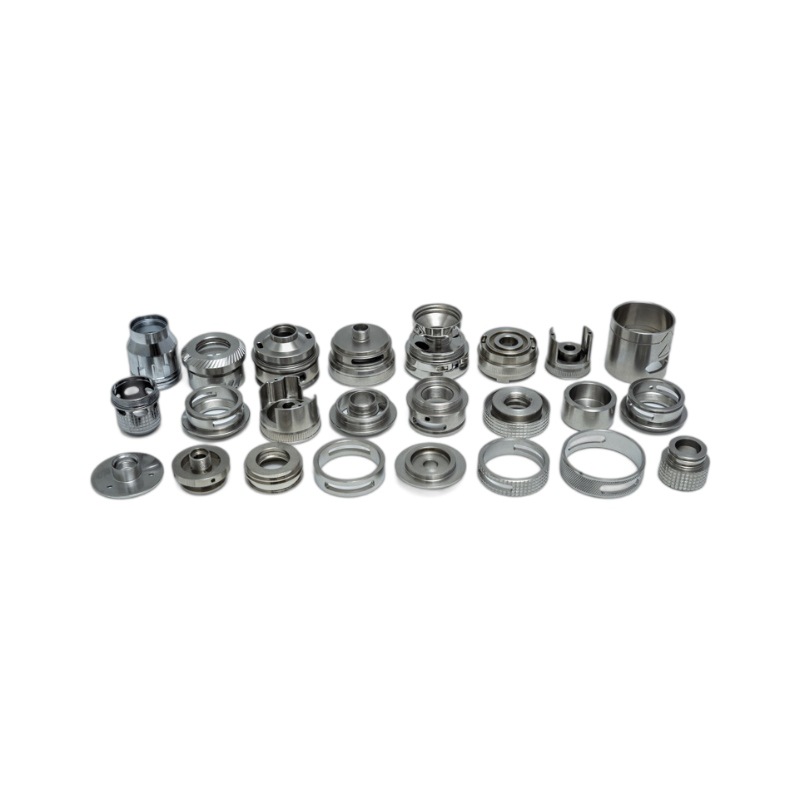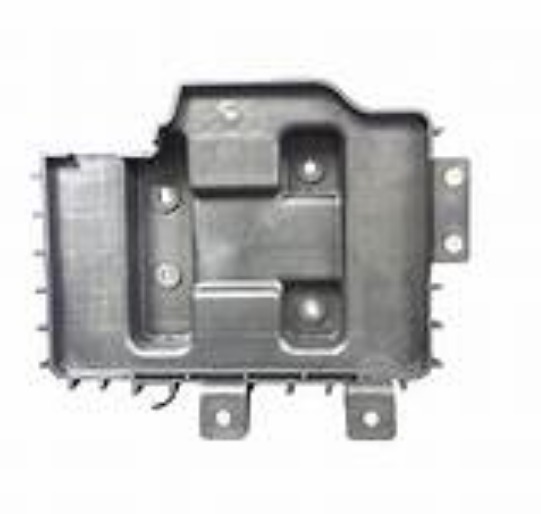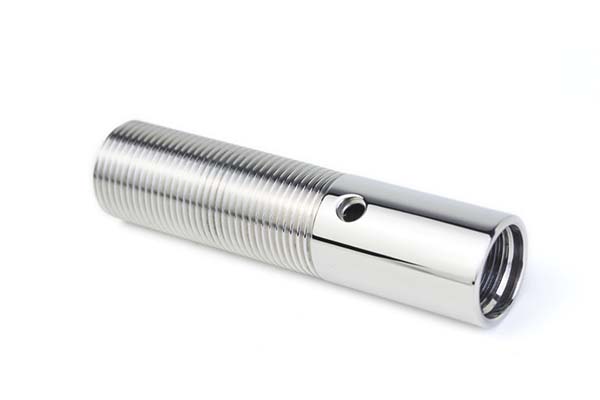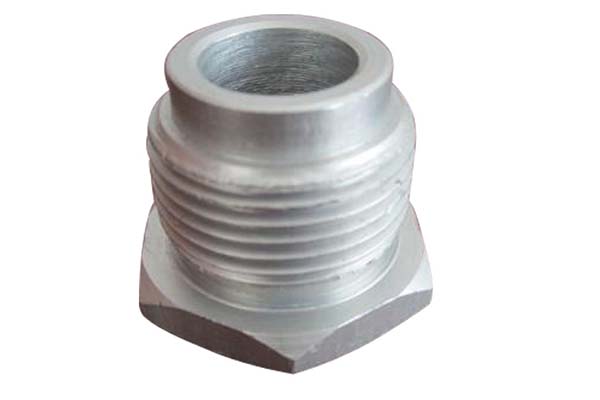
CNC precision machining parts are components manufactured to exceptionally tight tolerances and superior surface finishes through a controlled process that combines advanced machine tools, specialized tooling, and rigorous metrology.
For industries where failure is not an option—such as aerospace, medical, and semiconductors—CNC precision machining parts are fundamental building blocks. These are not just machined parts; they are components where every micron matters, produced through a disciplined engineering process that meticulously controls variables like thermal expansion, tool deflection, and material consistency. This guide provides a comprehensive engineering perspective on what defines true precision, the machinery and methodologies used to achieve it, and the critical quality standards that ensure reliability. For design engineers and procurement specialists, understanding this ecosystem is essential for specifying parts that perform flawlessly under demanding conditions.
Introduction
In the realm of high-stakes manufacturing, CNC precision machining parts are defined by their ability to meet exacting functional specifications consistently. Precision machining transcends standard CNC work; it operates in tolerance bands where thermal stability, machine calibration, and cutting physics become the primary design constraints. For a fuel injector nozzle, a variance of 5 microns can alter spray patterns and engine efficiency. For a surgical robot’s gear, a sub-micron surface finish ensures silent, reliable operation over millions of cycles. This article deconstructs the multi-disciplinary approach required to produce such parts. We will examine the material characteristics that enable stability, the machine tools that provide the foundation, and the in-process controls that verify every dimension. Our goal is to provide a technical specification and evaluation framework, transforming how you approach the sourcing of mission-critical components.
What Defines CNC Precision Machining Parts?
These parts are characterized by attributes that ensure predictable performance in an assembly:
- Exceptional Dimensional Accuracy: The ability to hold tolerances typically within ±0.0005 inches (±0.0127 mm) and, for ultra-precision work, within ±0.0001 inches (±0.0025 mm) or tighter across a production run.
- Superior Geometric Accuracy: Control over form, not just size. This includes true position, concentricity, flatness, and cylindricity as defined by Geometric Dimensioning and Tolerancing (GD&T) standards.
- Excellent Surface Integrity: This encompasses both surface finish (often specified as an Ra value below 0.8 µm) and the absence of subsurface damage like micro-cracks or altered metallurgy that could compromise fatigue life.
- Material Homogeneity and Stability: Use of materials with predictable behavior, free from internal stresses that could cause post-machining distortion.
A typical example is a hydraulic servo valve spool. This component requires diameters held within ±0.0002", a surface finish smoother than 0.4 µm Ra to ensure proper sealing, and perfect cylindricity to prevent sticking—all achieved through precision grinding after CNC machining.
How Are Tight Tolerances Achieved?
Holding micron-level tolerances is a systematic engineering challenge, not a matter of operator skill alone.
- Machine Tool Foundation: Precision begins with the machine. High-end machines feature:
- Thermally Symmetric Castings and polymer concrete bases for superior vibration damping and thermal stability.
- Precision Ground Ball Screws and Linear Motor Drives for minimal friction, backlash, and positional error.
- Rigid Construction to withstand cutting forces without deflection.
- Environmental Control: The #1 enemy of precision is thermal expansion. A shop specializing in precision machining maintains a temperature-controlled environment (±1°C). A 100mm aluminum part will expand approximately 2.3 µm for every 1°C increase. Coolant temperature is also strictly regulated.
- Process Design: A roughing → stress relieving → finishing sequence is common for critical parts. This allows internal stresses from rough machining to be relieved before final dimensions are cut, preventing post-machining warpage.
Which Materials Ensure High Precision?
Not all materials are suitable. The ideal precision material exhibits dimensional stability, predictable machinability, and homogeneity.
| Material Category | Exemplary Grades | Key Properties for Precision | Primary Applications |
|---|---|---|---|
| Aluminum Alloys | 6061-T6, 7075-T6, MIC-6® (Cast Tooling Plate) | Good machinability, strength-to-weight. MIC-6 is stress-relieved for exceptional flatness stability. | Aerospace brackets, optical mounts, semiconductor fixtures. |
| Stainless Steels | 304, 316, 17-4 PH, 440C | Corrosion resistance, can be heat treated. 17-4 PH offers good stability after aging. | Medical instruments, food processing parts, precision shafts. |
| Tool Steels | A2, D2, M2 | High hardness and wear resistance for tooling. | Molds, dies, gauges, and high-wear components. |
| Engineering Plastics | PEEK, Acetal (Delrin®), Vespel® | Low moisture absorption, good dimensional stability, self-lubricating. | Insulators, bearings, seals in precision assemblies. |
| Superalloys | Inconel 718, Titanium (Ti-6Al-4V) | Retain strength at high temperatures, biocompatible (Ti). | Aerospace engine components, medical implants. |
Expert Insight: For a satellite's optical mirror mount, machinists often select Aluminum 6061-T6 but subject it to a T6511 temper (stress-relieved by stretching). This additional step virtually eliminates internal stress, ensuring the part remains dimensionally stable in the vacuum and thermal extremes of space.
What Machine Tools Are Required?
Precision is built on the capability of the equipment.
- High-Precision 3/4/5-Axis Machining Centers: These machines have low positioning error and high repeatability. They are often equipped with glass scale feedback systems that measure table position directly, bypassing potential error in the ball screw.
- Jig Grinders and ID/OD Grinders: For the hardest materials and tightest tolerances, grinding is the final operation. Jig grinders can achieve bores with roundness and size tolerances below 0.0001" (2.5 µm).
- Swiss-Type Lathes: Ideal for long, slender, small-diameter parts. The guide bushing provides support millimeters from the cutting tool, minimizing deflection for extraordinary precision on features like medical bone screws.
Cutting-Tool Selection Criteria
The tool is the direct interface with the workpiece. In precision machining, it is a consumable instrument of measurement.
- Material & Coating: Micro-grain carbide is standard for its hardness and edge retention. For finishing, diamond-coated tools or CBN (Cubic Boron Nitride) tools are used for non-ferrous materials and hardened steels, respectively.
- Geometry & Rigidity: Tools are selected for maximum rigidity. This often means using the largest possible shank diameter and the shortest possible flute length. Balanced toolholders (like shrink-fit) are mandatory to minimize runout at high speeds.
- Management: Tools are measured on a tool presetter before being loaded into the machine. Their life is carefully tracked, and they are replaced proactively based on time or part count, not after they are worn.
How to Control Thermal Deformation?
Managing heat is a holistic endeavor.
- At the Machine: Spindles and ball screws are often liquid-cooled. Machines may have thermal growth compensation software that adjusts axis positions based on temperature sensors.
- In the Process: Use of high-pressure coolant directed precisely at the cutting interface is critical, especially for exothermic materials like titanium. Constant cutting parameters maintain a steady thermal state.
- Workpiece Handling: Parts are allowed to normalize to room temperature in the inspection lab before final verification. For the highest accuracy, parts may be measured, allowed to rest, and then re-measured to confirm stability.
In-Process Measurement Techniques
Inspection finds defects; in-process measurement prevents them.
- Machine-Integrated Probing: A touch-trigger probe in the spindle can automatically set workpiece datums, measure features, and update tool wear offsets, creating a closed-loop system.
- Laser Tool Setting: Measures tool length and diameter without contact, more accurately and quickly than a probe, and detects tool breakage.
- On-Machine Gauging: Specialized probes can measure bore diameters or slot widths and feed data directly into the machine control for real-time adjustment.
What Quality Standards Apply?
Precision machining is governed by stringent quality management systems.
- ISO 9001: The baseline for a quality management system.
- AS9100: The aerospace-specific standard, emphasizing product safety, traceability, and robust corrective action processes.
- ISO 13485: The medical device standard, requiring a full quality system with design controls and risk management.
- Nadcap Accreditation: For special processes like heat treatment or non-destructive testing, this is an auditor-approved certification often required by aerospace primes.
How to Optimize Surface Integrity?
Surface integrity is about both finish and subsurface condition.
- Finishing Processes: After machining, processes like micro-finishing, honing, or lapping can achieve surface finishes below 0.1 µm Ra and create beneficial surface lay patterns.
- Controlling Subsurface Damage: The key is to avoid excessive heat or pressure during cutting. Using sharp tools, correct feeds/speeds, and effective coolant prevents the formation of a white layer (untempered martensite) on steels, which is brittle and prone to cracking.
Cost Drivers for Precision Components
Precision comes at a premium. The primary cost drivers are:
- Tolerance & Surface Finish: The relationship is exponential. Holding ±0.0005" can cost 5-10x more than holding ±0.005" due to slower speeds, specialized tooling, and increased inspection.
- Material Cost & Machinability: Exotic alloys are expensive and machine slowly.
- Inspection & Documentation: First Article Inspection (FAI) with a CMM, Statistical Process Control (SPC) charts, and full material traceability add significant labor cost.
- Setup & Programming: The engineering time for process planning, fixture design, and CNC programming for a complex precision part is substantial.
Case Studies: Aerospace & Medical Devices
Aerospace: Turbine Engine Blade Root Form
A manufacturer of jet engine turbine blades needed to machine the fir-tree root form that locks the blade into the disk. This feature, with its complex, load-bearing curves, required a profile tolerance of ±0.0008" (0.020 mm) across a hardened nickel superalloy. The solution involved a 5-axis CNC machining center with advanced thermal compensation, followed by a precision broaching operation. Each blade was then individually measured on a custom CMM program, with data recorded for full traceability.
Medical: Cobalt-Chromium (CoCr) Knee Implant
A knee implant's articulating surfaces require a mirror finish (< 0.05 µm Ra) to minimize wear debris, while porous structures for bone ingrowth require precise, consistent geometry. The part is 5-axis machined from a forged CoCr blank. After roughing, it undergoes a stress relief. The finishing is done with specialized diamond tooling, followed by vibratory finishing to polish. Every part is 100% inspected for critical dimensions and surface finish using a combination of CMM and white-light interferometry.
Conclusion
Specifying and producing CNC precision machining parts is a deeply technical discipline that integrates materials science, mechanical engineering, and metrology. True precision is the result of a controlled ecosystem where every variable—from the shop floor temperature to the cutting tool's micro-geometry—is managed. By understanding the rigorous requirements for machine tools, cutting tools, thermal management, and quality standards, you can effectively communicate with manufacturing partners and set realistic expectations. In sectors where performance is paramount, investing in genuine precision machining is not an added cost; it is an essential investment in product reliability, safety, and ultimate success.
Frequently Asked Questions (FAQ)
What is the difference between "accuracy" and "repeatability" in precision machining?
Accuracy is how close a measurement is to the true or intended value (hitting the bullseye). Repeatability is the ability to produce the same result under unchanged conditions (hitting the same spot, even if it's not the bullseye, over and over). For CNC precision machining parts, high repeatability is often more critical initially, as a process that is repeatable can then be adjusted to become accurate. A capable process is both.
Can you achieve the same precision with plastics as with metals?
It is possible but often more challenging. Plastics have a lower modulus of elasticity (they flex more under cutting forces) and a higher coefficient of thermal expansion. Achieving metal-like tolerances requires specialized techniques: very sharp tools, high spindle speeds, minimal clamping forces (often using vacuum fixtures), and meticulous control of the machining environment. Not all machine shops have this specific expertise.
What is a realistic lead time for precision machined components?
Do not expect rapid turnaround. For complex, high-precision parts, a realistic timeline is 4 to 12 weeks. This allows time for thorough process planning and validation, procurement of certified materials, careful machining with intermediate stress-relieving steps, and comprehensive inspection. Rushing this process almost guarantees compromised quality.
How do I properly specify tolerances on a drawing for precision parts?
Use Geometric Dimensioning and Tolerancing (GD&T) per the ASME Y14.5 standard. This system controls the form, orientation, and location of features more effectively than simple ± tolerances on coordinates. Always specify a datum structure that reflects how the part will be assembled and function. This gives the machinist a clear, functional control framework.
Contact Yigu Technology for Custom Manufacturing.
At Yigu Technology, we are specialists in the manufacture of mission-critical CNC precision machining parts. Our entire operation is engineered to achieve and verify micron-level accuracy for the aerospace, medical, and semiconductor industries.
We invest in the foundational elements of precision: temperature-controlled machining labs, high-stability machine tools, and an advanced metrology lab equipped with CMMs, roundness testers, and surface analyzers. Our engineering team thrives on complex challenges, providing comprehensive DFM analysis and process validation to ensure your components meet the most stringent requirements.
If your project demands components where every micron defines success, partner with Yigu Technology. Contact us today to discuss your precision machining requirements.