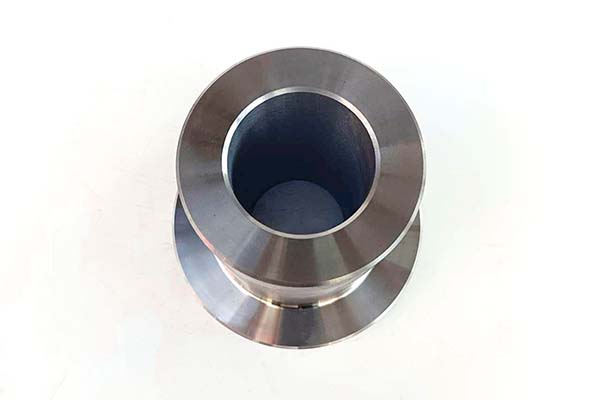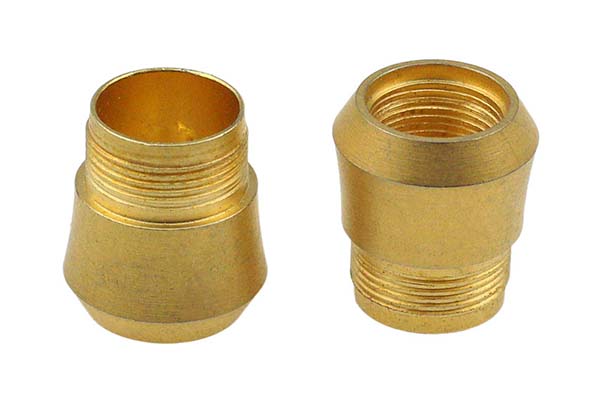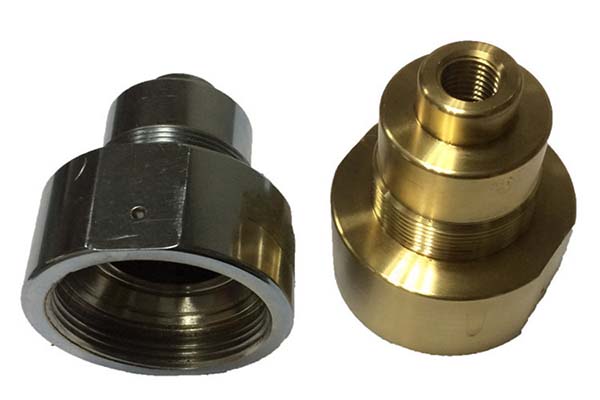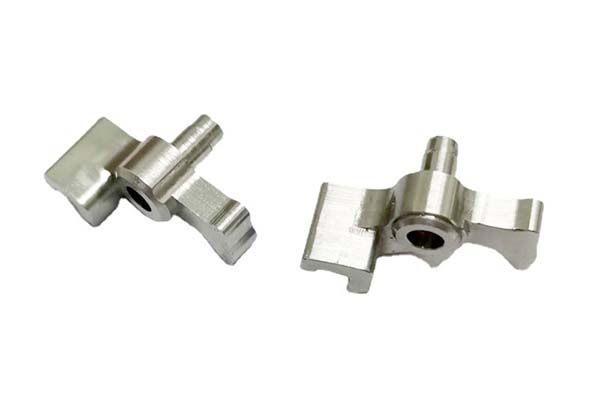
Metal machining is a foundational pillar of modern manufacturing, transforming raw materials into the precise components that power our world. From the engine in your car to the intricate parts inside a medical device, precision machining processes are essential. This guide delves deep into the world of metal machining, explaining its core principles, key techniques, material considerations, and applications. Whether you're an engineer, a procurement specialist, or simply curious about how things are made, this article provides a comprehensive, expert-level overview to answer your fundamental questions and deepen your practical understanding of this critical field.
What Is Metal Machining?
Metal machining is a subtractive manufacturing process where material is selectively removed from a workpiece—typically a block, bar, or rod of metal—to shape it into a desired final part with high dimensional accuracy and surface finish. Unlike additive processes like 3D printing, machining takes a solid form and cuts away excess. The primary goal is to achieve tight tolerances, specific geometries, and functional surfaces that often cannot be achieved through casting or forming alone. It is the cornerstone of producing high-performance, reliable components across virtually every industry.
How Does Metal Machining Work?
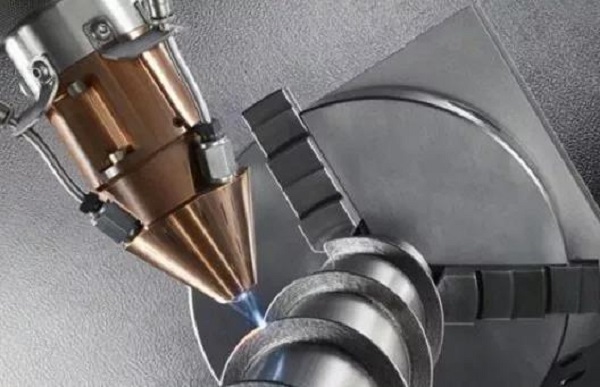
At its core, metal machining works through the controlled interaction of a cutting tool and a workpiece. This process involves three fundamental elements:
- A Cutting Tool: Made from materials harder than the workpiece (e.g., carbide, ceramic, cubic boron nitride, or diamond), it performs the actual material removal.
- A Workpiece: The raw metal being shaped.
- Relative Motion: This is provided by a machine tool (like a lathe or mill) and consists of:
- Cutting Speed (Vc): The speed at which the workpiece surface moves past the tool (e.g., spindle RPM).
- Feed Rate (f): The speed at which the tool advances into the workpiece.
- Depth of Cut (ap): The thickness of material removed in a single pass.
The chip formation mechanism is key. As the tool's edge contacts the metal, it shears away a thin layer, forming a "chip." The efficient evacuation of these chips is critical for surface quality and tool life. Modern Computer Numerical Control (CNC) technology automates this process, where pre-programmed software dictates the toolpath, speeds, and feeds with extraordinary precision and repeatability.
What Are the Key Machining Techniques?
Several primary techniques form the backbone of metal machining, each suited for different geometries and production needs.
Turning
In turning, the workpiece rotates, and a stationary cutting tool moves linearly to remove material. It is primarily used for creating cylindrical parts. CNC lathes or turning centers are standard. A real-world example is the production of a stainless steel hydraulic piston rod. The process starts with a round bar, and through successive turning operations, achieves a perfectly smooth cylindrical surface, precise diameters, and defined grooves for seals, all while maintaining micrometer-level concentricity.
Milling
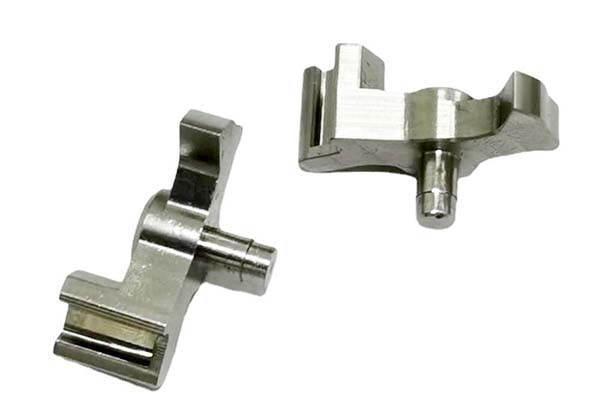
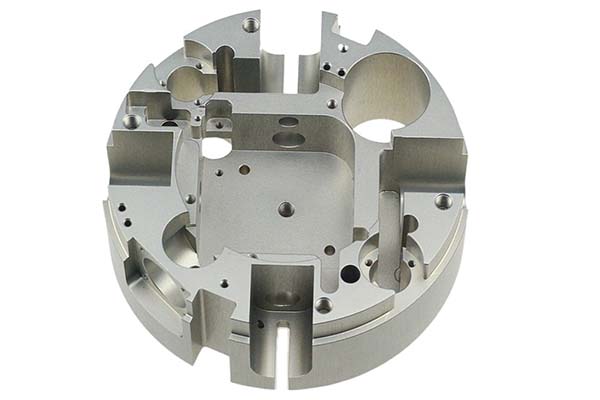
Milling involves a rotating cutting tool that moves relative to a stationary workpiece to remove material. It is exceptionally versatile for creating complex 3D shapes, slots, pockets, and flat surfaces. A vertical machining center (VMC) is a common platform. For instance, machining an aluminum aerospace bracket involves face milling to create a flat datum surface, pocket milling to lighten the structure, and precision drilling and tapping for attachment points—all in a single setup.
Drilling
Drilling creates round holes using a rotating drill bit. While conceptually simple, achieving straight, accurate, and well-finished holes in tough materials like titanium requires specialized drills (e.g., with coolant-through channels) and precise control of speed and feed to prevent work hardening and premature tool wear.
Grinding
Grinding uses an abrasive wheel to achieve the highest levels of surface finish and dimensional accuracy. It's often a finishing process after turning or milling. For example, a hardened steel gear after heat treatment may have slight distortion. Precision grinding is then used to bring its teeth profile and bore to the final, ultra-precise specifications, ensuring quiet and efficient operation.
Table: Comparison of Key Machining Techniques
| Technique | Primary Motion | Typical Machines | Best For |
|---|---|---|---|
| Turning | Workpiece rotates | CNC Lathe, Swiss Lathe | Shafts, rods, discs, cylindrical forms |
| Milling | Tool rotates | Machining Center, Gantry Mill | Complex contours, pockets, flats, 3D shapes |
| Drilling | Tool rotates & advances | Drill Press, CNC Mill | Creating round holes |
| Grinding | Abrasive wheel rotates | Surface Grinder, Cylindrical Grinder | Ultra-fine finishes, tight tolerances, hard materials |
Which Metals Are Most Suitable?
Machinability refers to how easily a metal can be cut with a good surface finish and reasonable tool life. Key suitable metals include:
- Aluminum Alloys (e.g., 6061, 7075): Excellent machinability. They cut cleanly, allow for high speeds, and are lightweight. 6061 is a general-purpose workhorse, while 7075 offers higher strength for aerospace applications.
- Stainless Steels (e.g., 303, 304, 316): 303 is the "free-machining" grade due to added sulfur. Grade 304 and 316 are more common but tougher to machine; they require rigid setups, sharp tools, and often coolant to manage heat and prevent work hardening.
- Mild Steel (e.g., AISI 1018, 1045): Readily machinable, cost-effective, and widely used for functional industrial parts.
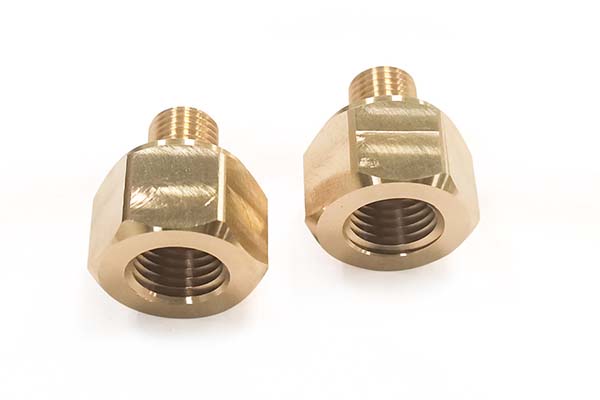
- Brass and Copper Alloys: Known for superior machinability, producing short, breakable chips. Ideal for plumbing fittings, electrical components, and decorative parts.
- Titanium Alloys (e.g., Grade 5, Ti-6Al-4V): Challenging but critical for aerospace and medical implants. They have high strength-to-weight ratio but poor thermal conductivity, requiring low cutting speeds, high feed rates, constant coolant, and very rigid machine tools to manage heat and prevent galling.
What Factors Affect Machining Quality?
Achieving consistent, high-quality results depends on controlling a complex interplay of variables:
- Material Properties: The metal's hardness, toughness, and thermal conductivity directly influence tool wear, cutting forces, and heat generation.
- Tool Selection: The tool's geometry, coating (like TiAlN or DLC), and substrate material must be matched to the workpiece. A coated carbide tool is standard for steel, while PCD (polycrystalline diamond) is used for high-silicon aluminum.
- Cutting Parameters (Speeds & Feeds): Optimizing the combination of cutting speed, feed rate, and depth of cut is critical. Too slow wastes time; too fast causes rapid tool failure and poor surface finish.
- Machine Tool Rigidity and Condition: A worn or flexible machine will vibrate (causing chatter), resulting in poor surface finish and inaccurate dimensions.
- Fixture and Workholding: The workpiece must be held immovably. Inadequate clamping leads to part movement, scrap, and safety hazards.
- Use of Coolant/Lubricant: Effective cooling removes heat from the cutting zone, while lubrication reduces friction. This prolongs tool life, improves finish, and helps evacuate chips. For deep-hole drilling in aluminum, a mist coolant might be used, while high-pressure flood coolant is essential for machining superalloys.
What Are the Primary Applications?
Precision metal machining is indispensable in sectors where performance, reliability, and accuracy are non-negotiable.
- Aerospace & Defense: Landing gear components, engine mounts, actuator parts, and satellite fittings. These parts are often made from high-strength aluminum, titanium, and Inconel, demanding the utmost in precision and traceability.
- Automotive: From prototype development to high-volume production of engine blocks, transmission gears, and fuel injection components.
- Medical & Surgical: Implants (knees, hips), surgical instruments, and dental components. These require biocompatible materials like titanium and stainless steel and often involve micro-machining with exceptional surface finishes to meet stringent hygiene standards.
- Industrial Machinery: Gears, hydraulic manifolds, pump housings, and heavy-duty shafts that form the backbone of manufacturing and processing equipment.
- Electronics & Semiconductors: Heat sinks (often from aluminum), connector housings, and precise frames for delicate electronic assemblies.
Conclusion
Metal machining is far more than just "cutting metal." It is a sophisticated engineering discipline that blends material science, mechanical physics, and advanced technology to create the precise building blocks of modern engineering. Understanding the fundamental processes, the interplay between material and method, and the critical factors for quality empowers designers and engineers to make better decisions. As materials evolve and tolerances become ever tighter, the role of advanced CNC machining and skilled engineers in translating digital designs into physical reality remains absolutely central to innovation and manufacturing excellence.
FAQ
Q: What is the difference between CNC machining and conventional machining?
A: Conventional machining (like manual lathes or mills) relies on a human operator directly controlling the machine's movements. CNC (Computer Numerical Control) machining uses computer-programmed instructions to automate all motions, speeds, and tool changes. CNC offers superior consistency, complexity, repeatability for volume production, and the ability to machine complex 3D shapes that are virtually impossible to do manually.
Q: How do I choose the right metal for my machined part?
A: Selection is a balance of functional requirements and manufacturability. Start by defining the part's needed strength, weight, corrosion resistance, thermal/electrical conductivity, and cost. Then, consult with your machining partner. For example, if you need a strong, lightweight part with good corrosion resistance, aluminum 7075 might be ideal. If you need maximum corrosion resistance for a marine application, stainless steel 316 is better, though harder to machine. An experienced machinist can guide you toward a material that meets specs while being cost-effective to produce.
Q: What are 'tolerances’ in machining, and why are they important?
A: A tolerance is the permissible limit of variation in a physical dimension (e.g., 25.0 mm ±0.05 mm). Tighter tolerances ensure parts fit and function together correctly in an assembly. Specifying unnecessarily tight tolerances can dramatically increase machining costs due to the need for slower processes, specialized equipment, and more inspections. It's best practice to apply the widest tolerances that still allow the part to function properly.
Q: What are the signs of poor machining quality?
A: Visible signs include rough or inconsistent surface finish, burrs (sharp edges) not properly removed, visible tool marks or chatter vibrations, and dimensional measurements outside the specified tolerance. Functional signs can be parts that do not fit together or assemblies that fail prematurely due to stress concentrations from poor machining.
Contact Yigu for Custom Manufacturing.
At Yigu Technology, we view precision metal machining not merely as a service, but as a critical partnership in bringing innovation to life. We understand that every component is integral to the performance of your final product. Our philosophy is rooted in engineering excellence—leveraging our deep expertise in material science and advanced CNC techniques to navigate the complexities of machining everything from prototype-grade aluminum to production runs of challenging aerospace-grade superalloys.
We believe in proactive collaboration. By engaging with our engineering team early in the design phase, we can help optimize your part for manufacturability (DFM), suggesting material alternatives or subtle design tweaks that enhance reliability while reducing lead time and cost. Our commitment is to deliver not just parts, but certainty: certainty of quality, certainty of precision, and certainty that your supply chain has a reliable, expert partner.
Let us help you engineer what's next. Contact Yigu Technology today for your custom manufacturing project.