Introduction
If you have ever opened an electrical panel or looked inside an old radio, you might have noticed a dark, hard, glossy material. That is likely electrical bakelite sheet. Also known as phenolic laminated sheet, this material has been around for over a century. Yet it remains a trusted choice in many industries today.
So what makes it special? Bakelite sheet combines phenolic resin with reinforcing materials like wood pulp paper or cotton cloth. The result is a composite that offers excellent electrical insulation, high mechanical strength, and good heat resistance.
Engineers and manufacturers choose it for good reason. From transformer insulation to mechanical gears, bakelite sheet handles demanding environments. It resists heat up to 150–180°C. It withstands voltages without breaking down. And it holds up against many chemicals.
This article covers everything you need to know. You will learn how it is made, what properties matter most, where it is used, and how to pick the right sheet for your project.
How Is Electrical Bakelite Sheet Made?
What Goes Into the Material?
Bakelite sheet starts with two main components: phenolic resin and a reinforcing material.
The resin is a thermosetting plastic. This means once it cures, it cannot be melted again. It becomes permanently hard and stable. This property gives bakelite its dimensional stability even under heat.
The reinforcing material can be wood pulp paper or cotton cloth. Paper-based sheets work well for electrical applications where high insulation is key. Cloth-based sheets offer better mechanical strength and impact resistance.
What Is the Manufacturing Process?
The process follows a clear sequence:
- Impregnation: The reinforcing material passes through a bath of phenolic resin. It soaks up the resin thoroughly.
- Drying: The resin-soaked material dries to remove solvents.
- Layering: Multiple layers stack together to reach the desired thickness.
- Curing: The stacked layers go into a press. High heat and pressure trigger polymerization. The resin bonds chemically to the reinforcing material.
- Finishing: The cured sheet cools, then gets cut or machined to final dimensions.
This process creates a dense, uniform material. The result is a sheet that performs reliably in demanding conditions.
What Key Properties Make It Valuable?
How Well Does It Insulate Electricity?
Electrical insulation is the standout property. Bakelite sheet has a dielectric strength of 10–15 kV/mm. This means it can handle high voltages without allowing current to pass through. For context, a 5 mm thick sheet can withstand up to 50,000 volts or more.
This makes it ideal for switchboards, circuit breakers, and transformer insulation. When electrical safety matters, bakelite delivers.
How Strong Is It Mechanically?
Bakelite sheet offers tensile strength in the range of 30–50 MPa. It resists bending, impact, and compression. This mechanical strength allows it to serve in structural roles.
For example, motor end-shields made from bakelite provide both mechanical support and electrical insulation. The material handles vibrations and forces during operation without cracking or deforming.
How Does It Handle Heat?
Heat resistance is another key feature. Bakelite sheet maintains its properties at temperatures up to 150–180°C, depending on the formulation. This matters in applications like motors, transformers, and automotive engine compartments where heat builds up.
Unlike some plastics that soften when hot, bakelite stays rigid. Its thermosetting nature ensures it does not melt or lose shape.
How Resistant Is It to Chemicals?
Bakelite sheet resists many acids, alkalis, and solvents. This chemical resistance makes it suitable for industrial environments where exposure to harsh substances is common.
In chemical processing plants or outdoor equipment, bakelite components maintain their integrity while metals might corrode.
How Does It Compare to Other Materials?
The table below compares electrical bakelite sheet with two common alternatives:
| Material | Dielectric Strength (kV/mm) | Tensile Strength (MPa) | Heat Resistance (°C) | Chemical Resistance |
|---|---|---|---|---|
| Electrical Bakelite Sheet | 10–15 | 30–50 | 150–180 | Good |
| PVC Insulating Sheet | 5–10 | 20–40 | 60–80 | Fair |
| FRP Sheet | 15–20 | 40–60 | 100–120 | Excellent |
Bakelite offers a balanced profile. It does not have the highest dielectric strength or tensile strength, but it combines good performance across all categories. Its heat resistance is notably higher than PVC, making it better for high-temperature applications.
Where Is Electrical Bakelite Sheet Used?
In Electrical and Electronics
Transformer insulation is a classic application. Transformers operate at high voltages. Any insulation failure can cause short circuits or overheating. Bakelite sheets sit between windings, isolating different voltage levels. In power distribution transformers, this ensures safe and efficient energy transfer.
Motor components rely on bakelite as well. End-shields made from bakelite protect internal electrical parts and direct cooling airflow. The material withstands vibrations and provides necessary insulation.
Printed circuit boards (PCBs) once used bakelite extensively. While modern PCBs often use fiberglass, bakelite PCBs still appear in low-cost or specialized applications. They provide basic insulation and mechanical support for components.
In Mechanical and Automotive
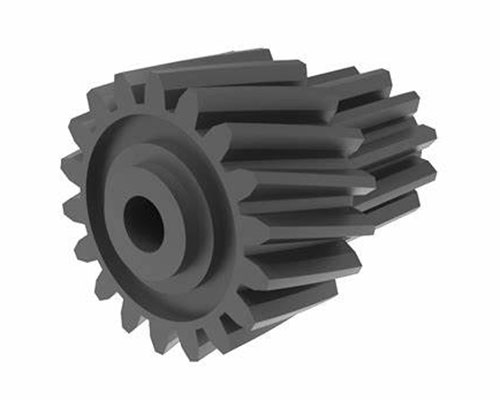
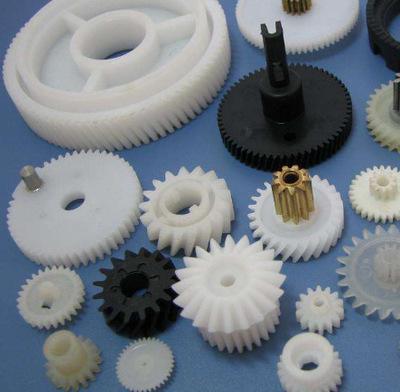
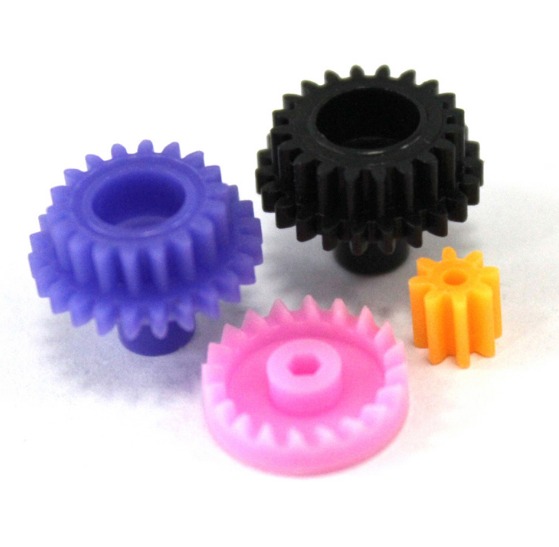
Gears made from bakelite offer several advantages. They resist wear, operate quietly, and in some cases, require no external lubrication. For low-to-medium load applications, bakelite gears outlast metal alternatives in corrosive environments.
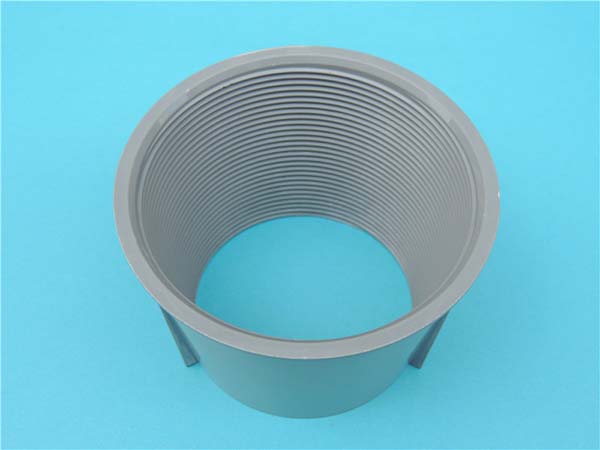
Bearings benefit from bakelite's chemical resistance. In chemical plants or outdoor settings, metal bearings corrode. Bakelite bearings maintain performance without rust or degradation.
Automotive applications include wiring harness insulation and switch housings. The engine compartment runs hot, and bakelite handles the temperature. It also provides electrical safety in vehicle electrical systems.
In Specialized Industries
Aerospace uses bakelite in non-critical electrical systems. Ground support equipment and some electrical enclosures within aircraft benefit from its reliability and cost-effectiveness.
Medical equipment housing sometimes uses bakelite. Its electrical insulation protects internal electronics. Its chemical resistance withstands cleaning agents. And its non-conductive nature ensures patient safety.
How Do You Choose the Right Sheet?
What Application Factors Matter Most?
Start by identifying your primary requirements.
| Requirement | What to Look For |
|---|---|
| High voltage insulation | Dielectric strength toward 15 kV/mm |
| Structural support | Tensile strength near 50 MPa |
| High temperature | Heat resistance rating close to 180°C |
| Chemical exposure | Enhanced chemical resistance formulation |
If your application involves voltages above 10 kV, choose a sheet with dielectric strength on the higher end. For gears transmitting torque, prioritize tensile strength. For engine compartments, verify the heat rating matches operating temperatures.
How Do You Evaluate Quality and Suppliers?
Product certifications matter. Look for ISO 9001 certification, which indicates quality management systems. In electrical applications, compliance with IEC standards provides confidence in electrical properties.
Supplier reputation gives clues about reliability. Check reviews, ask for references, and look for suppliers with a long track record. A good supplier shares detailed technical specifications and safety data sheets.
Sample testing is worth the effort. Request samples and test them. Measure insulation resistance. Check dielectric strength. Perform bending tests to gauge mechanical properties. Hands-on testing reveals real quality.
Cost versus quality requires balance. A very cheap sheet may fail early, leading to costly repairs or downtime. A slightly higher price often buys better consistency and reliability. Look for the best value, not the lowest price.
Conclusion
Electrical bakelite sheet has earned its place as a trusted material. Its high dielectric strength provides reliable electrical insulation. Its mechanical robustness supports structural applications. Its heat resistance handles demanding thermal environments. And its chemical resistance extends service life in harsh conditions.
Choosing the right sheet means understanding your application needs. Consider voltage, mechanical load, temperature, and chemical exposure. Evaluate suppliers for quality and reputation. Test samples when possible.
When used correctly, bakelite sheet delivers decades of reliable service. It bridges the gap between electrical safety and mechanical performance. For engineers, designers, and manufacturers, it remains a practical choice worth considering.
FAQ
What is the maximum temperature an electrical bakelite sheet can withstand?
Most electrical bakelite sheets maintain their properties up to 150–180°C. The exact rating depends on the specific formulation. For sustained high-temperature applications, choose a sheet rated toward the upper end of this range.
Is electrical bakelite sheet waterproof?
Bakelite sheet resists moisture but is not completely waterproof. It can absorb small amounts of water over time. For applications with continuous water exposure, consider additional sealing or a different material.
Can electrical bakelite sheet be machined easily?
Yes, bakelite sheet machines well using standard tools. You can cut, drill, mill, and turn it. Use sharp tools and proper speeds to avoid chipping or cracking. Dust from machining can be irritating, so use proper ventilation and dust collection.
What is the difference between paper-based and cloth-based bakelite sheets?
Paper-based sheets offer higher electrical insulation and are common in electrical applications. Cloth-based sheets provide better mechanical strength and impact resistance, making them suitable for gears, bearings, and structural parts. Choose based on your primary needs.
Contact Yigu Technology for Custom Manufacturing
Need custom-cut electrical bakelite sheets or machined components? Yigu Technology specializes in precision fabrication of phenolic materials. We offer cutting, drilling, milling, and finishing services to meet your exact specifications. Our team helps you select the right grade for your application. Contact us today to discuss your project requirements.