Introduction
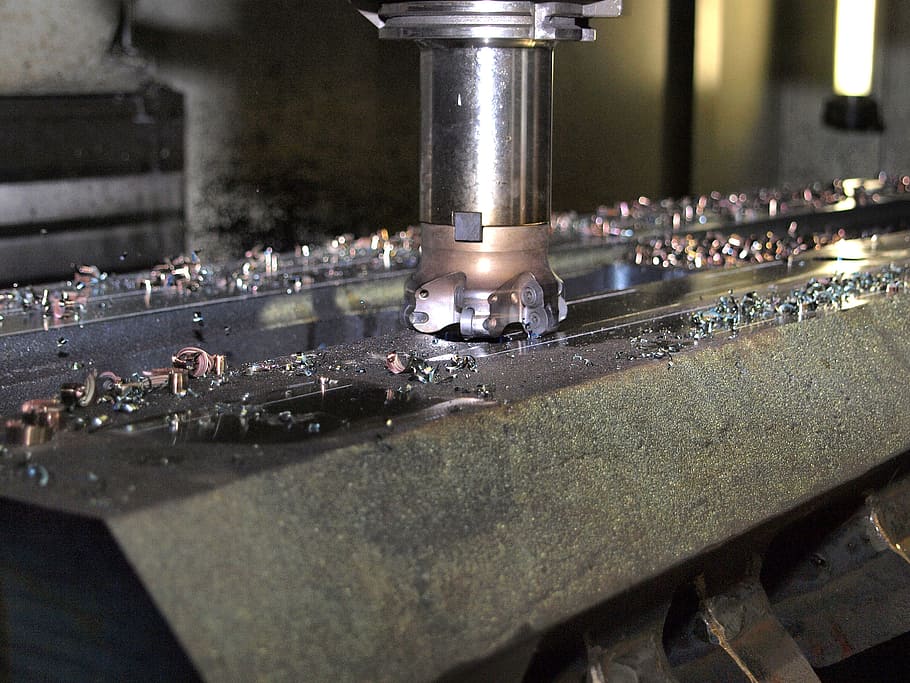
In CNC machining, precision and efficiency are paramount. One key factor that significantly impacts final product quality and overall productivity is the accurate calculation of CNC cutting speed. Many operators and manufacturers struggle with determining the optimal cutting speed, leading to poor surface finish, excessive tool wear, and reduced machining efficiency. This comprehensive guide covers cutting speed formulas, tool and material selection, machine parameters, cutting conditions optimization, and cutting speed calculator features. You will learn how to calculate and optimize cutting speed for milling, turning, and drilling operations.
How Do You Calculate Cutting Speed and Related Parameters?
Cutting Speed Formula
The cutting speed formula is the foundation for calculating the appropriate speed at which the cutting tool moves relative to the workpiece.
Formula: ( V = \frac{\pi \times D \times N}{1000} )
Where:
- ( V ) = Cutting speed (m/min)
- ( D ) = Cutting tool diameter (mm)
- ( N ) = Spindle speed (RPM)
Example: Tool diameter 10 mm, spindle speed 2000 RPM:
( V = \frac{\pi \times 10 \times 2000}{1000} = 20\pi \approx 62.83 \text{ m/min} )
Spindle Speed Calculation
Rearrange the formula to calculate spindle speed:
Formula: ( N = \frac{1000 \times V}{\pi \times D} )
Example: Desired cutting speed 80 m/min, tool diameter 12 mm:
( N = \frac{1000 \times 80}{\pi \times 12} \approx 2122 \text{ RPM} )
Feed Rate Determination
Feed rate is the rate at which the workpiece advances toward the cutting tool.
Formula: ( F = f_z \times z \times N )
Where:
- ( F ) = Feed rate (mm/min)
- ( f_z ) = Chip load per tooth (mm/tooth)
- ( z ) = Number of teeth
- ( N ) = Spindle speed (RPM)
Example: Chip load 0.05 mm/tooth, 4 teeth, spindle speed 1500 RPM:
( F = 0.05 \times 4 \times 1500 = 300 \text{ mm/min} )
Chip Load per Tooth
Chip load is the material removed by each tooth per revolution. Guidelines:
- Softer materials (aluminum): Higher chip load
- Harder materials (steel): Lower chip load
- Roughing: Higher chip load for material removal rate
- Finishing: Lower chip load for surface finish
Speed Calculation for Different Operations
| Operation | Cutting Speed Basis |
|---|---|
| Milling | Diameter of face mill or end mill |
| Turning | Diameter of workpiece |
| Drilling | Diameter of drill bit |
How Do Tool and Material Selection Affect Cutting Speed?
Cutting Tool Materials
| Tool Material | Properties | Best For |
|---|---|---|
| Carbide | High hardness, wear resistance, withstands high speeds | Steel, cast iron, non-ferrous metals |
| High-Speed Steel (HSS) | Cost-effective, good heat resistance, easily sharpened | Softer materials: wood, plastic, some non-ferrous metals |
| Diamond | Extremely hard, excellent wear resistance | Abrasive materials: ceramics, composites, some non-ferrous metals |
Workpiece Materials
| Material | Characteristics | Cutting Speed Consideration |
|---|---|---|
| Steel | Varies by type (carbon, stainless, alloy) | Stainless steel work-hardens; requires lower speeds |
| Aluminum | Lightweight, easy to machine, good thermal conductivity | High cutting speeds (200–500 m/min with carbide) |
| Brass | Soft, easy to machine | Moderate speeds |
| Plastics | Varies (acrylic, PEEK, ABS) | Sharp tools; moderate speeds; avoid melting |
| Composites | Challenging; combination of materials | Specialized tools; careful parameters to avoid delamination |
Tool Geometry
| Factor | Impact |
|---|---|
| Tool diameter | Larger diameter → lower spindle speed to maintain cutting speed |
| Tool length | Longer tools prone to deflection; may require shorter tools for precision |
| Flute count | More flutes handle higher feed rates; risk of chip clogging in some materials |
| Tool coating | TiN, TiAlN, DLC reduce friction, increase wear resistance, withstand higher temperatures |
Tool Wear
Tool wear depends on cutting speed, feed rate, depth of cut, workpiece material, and tool material. Excessive wear leads to poor surface finish, inaccurate cuts, and increased replacement costs. Regular monitoring and timely replacement are essential.
What CNC Machine Parameters Affect Cutting Speed?
Machine Capabilities
| Parameter | Importance |
|---|---|
| Machine power | Determines ability to drive tool at high speeds and feeds; harder materials require more power |
| Machine torque | Important for deep drilling or large-diameter cutters |
| Spindle limits | Maximum speed and torque; exceeding limits causes damage |
| Feed rate limits | Exceeding limits causes poor finish, tool breakage, or inaccurate cuts |
Machine Accuracy
Machine accuracy depends on mechanical components (guideways, ball screws) and CNC control system. Regular calibration and maintenance are essential.
Machine Rigidity
Rigidity determines how well the machine resists cutting forces without deflection. Essential for accurate cuts and good surface finish at high speeds or with large cutting forces.
Tool Holder Type and Collet Size
| Tool Holder | Features |
|---|---|
| ER collets | Common, versatile |
| BT tool holders | High clamping force |
| HSK tool holders | High accuracy, rigidity |
Select collet size to match tool diameter for secure hold.
Machine Software and CNC Control System
Modern CNC control systems offer high-speed machining, adaptive control, and real-time monitoring. Regular software updates ensure compatibility and access to new features.
How Do You Optimize Cutting Conditions?
Optimal Cutting Speed
Balance material removal rate and tool wear. Guidelines:
- Aluminum with carbide: 200–500 m/min
- Stainless steel with carbide: 80–150 m/min
Optimal Feed Rate
Higher feed rate increases material removal but may increase tool wear and rougher surface finish. Finishing operations use lower feed rates for better surface finish.
Optimal Depth of Cut
| Operation | Depth of Cut |
|---|---|
| Roughing | Larger depth to remove material quickly |
| Finishing | Smaller depth for surface finish and dimensional accuracy |
Optimal Width of Cut
In milling, width of cut should be selected based on tool diameter, cutting speed, and feed rate. Wider cuts require more power and affect tool life and surface finish.
Tool Life Optimization
Select right cutting tool, use appropriate parameters, and ensure proper cooling and lubrication. Reducing cutting speed and feed rate extends tool life but reduces efficiency—balance is key.
Surface Finish Optimization
Control cutting speed, feed rate, depth of cut, tool geometry, and tool wear. Lower feed rates and sharp tools produce smoother finishes.
Material Removal Rate (MRR)
MRR = feed rate × depth of cut × width of cut. Increasing MRR improves efficiency within machine and tool limits.
Cutting Force and Cutting Temperature
High cutting forces cause deflection, vibration, and premature wear. High temperatures impact tool life and surface quality. Proper parameters, coolant, and tool coatings reduce both.
Coolant Usage
| Coolant Type | Best For |
|---|---|
| Water-soluble | General machining; good cooling |
| Oil-based | Lubrication, lower speeds |
| Synthetic | High-performance; clean operation |
Coolant reduces temperature, lubricates, and flushes chips.
Tool Deflection and Vibration Control
Minimize deflection with shorter tools and rigid setups. Minimize vibration with proper cutting parameters, balanced tools, and properly tuned machines.
What Features Do Cutting Speed Calculators Offer?
User Interface
User-friendly interfaces allow easy input of tool diameter, spindle speed, feed rate, chip load, and material selections—often with dropdown menus for common values.
Input Parameters
| Input | Description |
|---|---|
| Cutting tool | Diameter, number of teeth, material |
| Workpiece | Material |
| Cutting conditions | Cutting speed, feed rate, depth of cut |
Output Results
Calculated cutting speed, spindle speed, feed rate, estimated tool life, material removal rate, and recommendations for optimal conditions.
Formats
| Format | Advantage |
|---|---|
| Mobile apps | On-the-go access; convenient for shop floor |
| Desktop software | Advanced features; save and manage machining data |
| Online calculators | Access from any device; often free |
Units Conversion
Support for metric (mm, m/min) and imperial (inches, SFM) units.
Customizable Settings
Adjust safety factors; define specific tool or material properties.
Database of Materials and Tools
Built-in databases with pre-defined properties and recommended cutting parameters for common materials and tools.
Real-Time Calculation
Results update immediately when input parameters change—allows quick exploration of different cutting scenarios.
Error Messages and Help
Error messages for incorrect or inconsistent input; user manuals, FAQs, and online tutorials for assistance.
Conclusion
CNC cutting speed calculation is essential for precision and efficiency. The core formula ( V = (\pi \times D \times N)/1000 ) determines cutting speed from tool diameter and spindle speed. Spindle speed ( N = (1000 \times V)/(\pi \times D) ) and feed rate ( F = f_z \times z \times N ) complete the foundational calculations. Tool material (carbide, HSS, diamond) and workpiece material (steel, aluminum, plastics, composites) dictate optimal ranges: aluminum with carbide: 200–500 m/min; stainless steel: 80–150 m/min. Machine parameters—power, torque, spindle limits, rigidity—affect achievable speeds. Optimization balances material removal rate, tool life, surface finish, and cutting forces. Cutting speed calculators streamline these calculations with user-friendly interfaces, material/tool databases, and real-time results. Proper calculation and optimization lead to better surface finish, extended tool life, and improved machining efficiency.
FAQs
What is the most important factor in CNC cutting speed calculation?
The most important factor is the combination of workpiece and tool materials. Different materials have different properties that significantly affect optimal cutting speed. Hard materials like tungsten carbide require lower cutting speeds than softer materials like aluminum when using the same cutting tool.
How can I extend the life of my cutting tools?
Extend tool life by using correct cutting parameters (appropriate cutting speed, feed rate, depth of cut), using suitable coolant to reduce cutting temperature and friction, choosing the right cutting tool material for the workpiece, and regularly maintaining and sharpening tools.
Can I use the same cutting speed for all machining operations?
No. Cutting speed varies by operation type (milling, turning, drilling), tool diameter (larger diameters require lower spindle speeds), workpiece material, and tool material. Always calculate cutting speed based on specific conditions.
Contact Yigu Technology for Custom Manufacturing
At Yigu Technology , we combine precise cutting speed optimization with advanced CNC machining to deliver high-quality components. Our 3-axis, 4-axis, and 5-axis CNC machines achieve tight tolerances with optimized cutting parameters for aluminum, steel, titanium, plastics, and composites. We use cutting speed calculators and real-time monitoring to ensure efficient material removal, extended tool life, and superior surface finish. From prototypes to production runs, we provide DFM feedback and process optimization to maximize your project’s success.
Ready to optimize your CNC machining with precise cutting speed calculations? Contact Yigu Technology today for a free consultation and quote. Let us help you achieve precision, efficiency, and quality in every component.