Introduction
Innovation demands speed. The faster you can turn an idea into a physical object, the quicker you learn, iterate, and improve. Rapid Prototyping Technology (RPT) —also known as additive manufacturing or 3D printing—has fundamentally changed this equation. By building objects layer by layer from digital models, RPT compresses development cycles, reduces costs, and enables designs that were previously impossible. This guide explores how RPT works, the key technologies involved, and how it is shaping innovation across industries.
What Is Rapid Prototyping Technology?
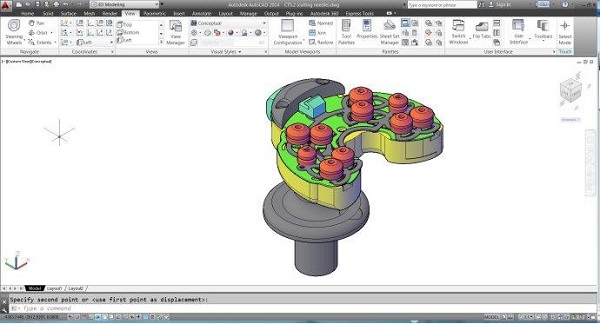
Rapid Prototyping Technology (RPT) is a family of additive manufacturing processes that build three-dimensional objects layer by layer. The process starts with a digital 3D model created in CAD software. This model is sliced into thin cross-sectional layers. The RPT machine then deposits or fuses materials in precise patterns according to these layers, gradually building the physical object.
Imagine designing a complex mechanical part. You create a detailed 3D model in CAD, specifying dimensions, curves, and internal structures. The RPT machine then builds the part layer by layer—plastic, metal, or resin—turning the virtual model into a tangible prototype.
What Are the Key Types of Rapid Prototyping Technology?
Several distinct technologies fall under the RPT umbrella, each with unique characteristics.
Stereolithography (SLA)
Principle: Uses a high-precision laser to cure liquid photosensitive resin. The laser traces each cross-section, solidifying the resin. After each layer, the build platform lowers, and fresh resin is spread. Layer by layer, the object is formed.
Characteristics:
- Precision: ±0.05–0.1 mm—very high
- Surface finish: Smooth
- Best for: Jewelry, dental prosthetics, detailed models
Selective Laser Sintering (SLS)
Principle: Uses a high-power laser to sinter powdered materials—plastics, metals, ceramics. The laser scans the powder bed, fusing particles according to each cross-section. Unsintered powder supports overhangs.
Characteristics:
- Precision: ±0.1–0.2 mm—good
- Surface finish: Moderate
- Best for: Functional prototypes, automotive, aerospace parts
Fused Deposition Modeling (FDM)
Principle: Extrudes melted thermoplastic filament through a heated nozzle. The nozzle moves according to layer information, depositing material layer by layer.
Characteristics:
- Precision: ±0.1–0.4 mm—moderate
- Surface finish: Rough (can be post-processed)
- Best for: Education, hobbyist projects, simple prototypes
Laminated Object Manufacturing (LOM)
Principle: Uses sheet materials—paper, plastic films, metal foils. A laser or cutter cuts each layer’s shape; layers are bonded with heat and pressure.
Characteristics:
- Precision: Moderate
- Surface finish: Varies
- Best for: Large-scale prototypes, architectural models
Three-Dimensional Printing (3DP / Binder Jetting)
Principle: Deposits liquid binder onto powder materials using ink-jet technology. The binder bonds powder particles in the shape of each cross-section.
Characteristics:
- Precision: Moderate
- Surface finish: Depends on post-processing
- Best for: Sand casting molds, ceramic prototypes, full-color models
| Technology | Material | Precision | Surface Finish | Ideal Applications |
|---|---|---|---|---|
| SLA | Liquid resin | High (±0.05–0.1 mm) | Smooth | Jewelry, dental, detailed models |
| SLS | Powder (plastic, metal, ceramic) | Medium–High (±0.1–0.2 mm) | Moderate | Functional parts, aerospace, automotive |
| FDM | Thermoplastic filament | Medium (±0.1–0.4 mm) | Rough | Education, concept models |
| LOM | Sheet materials | Medium | Varies | Large-scale models |
| 3DP | Powder + binder | Medium | Depends on post-processing | Sand casting molds, ceramics |
How Is Rapid Prototyping Shaping Innovation?
RPT’s impact spans speed, cost, design freedom, and collaboration.
Accelerating Product Development Cycles
Time-to-market is critical. Traditional development involved weeks or months per prototype iteration. In automotive, creating a new car model required physical prototypes through injection molding—mold-making alone took weeks.
With RPT, designers turn digital concepts into physical prototypes in hours or days. A leading consumer electronics company developing a new smartphone used 3D printing to produce multiple casing prototypes within a week. They tested ergonomics, button placement, and user experience—identifying and fixing flaws early. The smartphone launched three months earlier than planned, capturing market share ahead of competitors.
Cost-Efficiency in Innovation
Traditional manufacturing for small batches is expensive. Injection molding molds cost thousands or tens of thousands of dollars—making small quantities economically unfeasible.
RPT requires no molds or tooling. Upfront costs are significantly lower. A startup developing a medical device can produce a limited number of prototypes for clinical trials at a fraction of traditional costs.
| Cost Item | Traditional Manufacturing | Rapid Prototyping |
|---|---|---|
| Mold/Tooling Cost | $10,000 | $0 |
| Material Cost per Unit | $5 | $6 |
| Labor Cost for Production | $3,000 | $1,000 |
| Total for 100 Units | $18,000 | $1,600 |
For small-batch production, RPT delivers substantial savings—primarily from eliminating tooling costs. Design changes are also cheaper: a simple digital modification translates to a new prototype without re-engineering molds.
Enabling Complex Design Exploration
Traditional manufacturing has geometric constraints. Machining requires tool access; casting limits complexity due to mold removal. Undercuts, internal cavities, and lattice structures are difficult or impossible.
RPT removes these constraints. Layers are added one by one, enabling intricate internal structures and external shapes. In aerospace, RPT produces engine components with complex cooling channels that improve heat dissipation and efficiency—geometries impossible with traditional methods.
Architects now 3D-print scale models of buildings with complex facades and internal layouts, allowing clients to visualize final products in unprecedented detail.
Facilitating Collaboration in Innovation Ecosystems
No single organization possesses all skills needed for successful innovation. Collaboration is essential. RPT acts as a common language and powerful collaboration tool.
In electric vehicle development, design teams create physical mock-ups of interiors and exteriors. Engineering teams test functionality and performance. Iterative improvements based on cross-team feedback accelerate development.
Cross-industry collaborations also benefit. A medical device company collaborating with a materials research institution uses RPT to quickly test new material concepts. The institution provides theoretical knowledge; the company rapidly prototypes and tests feasibility in real-world applications.
A consumer goods company partnered with a 3D printing service provider to develop sustainable packaging. Through rapid prototyping, they tested designs with different sustainable materials—developing an innovative, cost-effective solution that launched successfully.
How Is RPT Applied Across Industries?
Applications span aerospace, automotive, healthcare, and consumer goods.
Aerospace and Automotive
In aerospace, RPT creates complex prototypes of engine parts—turbine blades, combustion chambers—tested under simulated flight conditions for heat resistance, aerodynamics, and strength. A leading aerospace company used SLS to prototype a turbine blade with complex internal cooling channels. Development time dropped from months to weeks.
In automotive, manufacturers use RPT for body panels, interior components, and functional parts. When developing an electric vehicle, design teams use FDM to create multiple dashboard prototypes—testing control placement, ergonomics, and aesthetics before mass production.
Healthcare
RPT has revolutionized customized medical devices. 3D-printed prosthetics tailored to individual patients provide better fit and comfort. A study found that patients using 3D-printed prosthetics reported 30% higher comfort levels and 25% improvement in daily activities compared to traditional prosthetics.
Anatomical models for surgical planning allow surgeons to practice on patient-specific organ models. A surgeon used a 3D-printed heart model to plan a complex congenital defect surgery—reducing actual surgery time by 20% and patient recovery by a week.
Consumer Goods
Companies use RPT to rapidly prototype new product ideas. A consumer electronics company 3D-printed smartwatch prototypes—testing form factors, button placements, and display sizes—gathering early consumer feedback and bringing products to market faster.
RPT also enables customization. Jewelry brands use SLA to create personalized pieces. Customers provide design ideas; 3D printing turns them into unique items. The personalized consumer goods market has grown at an annual rate of 15% , with RPT playing a significant enabling role.
How Does Yigu Technology Use Rapid Prototyping?
As a non-standard plastic and metal products custom supplier, Yigu Technology integrates RPT into our product development and client services.
We Accelerate Development
We use SLA, SLS, and FDM to turn client concepts into physical prototypes in days—not weeks. This speed enables rapid design evaluation and iteration.
We Reduce Costs
By eliminating tooling costs, we make small-batch production economically feasible. Clients can test multiple design variations without significant investment.
We Enable Complex Designs
Our RPT capabilities allow creation of geometries impossible with traditional methods—internal channels, lattice structures, and complex assemblies.
We Collaborate
We work closely with clients across industries—automotive, aerospace, healthcare, consumer goods—providing technical expertise and rapid feedback to accelerate innovation.
Conclusion
Rapid Prototyping Technology is fundamentally shaping innovation. It accelerates development cycles, reduces costs, enables complex designs, and facilitates collaboration. From aerospace engine components to customized medical devices to sustainable packaging, RPT is turning ideas into physical objects faster than ever before.
By understanding the key technologies—SLA for precision, SLS for functional parts, FDM for affordability—and their applications, you can leverage RPT to bring innovative products to market faster and more cost-effectively.
Frequently Asked Questions
What are the most common types of rapid prototyping technology?
The most common include SLA (laser-cured liquid resin—high precision, smooth surfaces), SLS (laser-sintered powder—functional prototypes, automotive, aerospace), FDM (extruded thermoplastic filament—affordable, education, concept models), LOM (sheet materials—large-scale prototypes), and 3DP/binder jetting (powder with binder—sand casting molds, ceramics).
How accurate is rapid prototyping technology?
Accuracy depends on technology. SLA: ±0.05–0.1 mm (very high). SLS: ±0.1–0.2 mm (good). FDM: ±0.1–0.4 mm (moderate). For high-precision aerospace applications, SLA or SLS are preferred. For less critical consumer prototypes, FDM may be sufficient.
What are the main advantages of using rapid prototyping in product development?
Key advantages: shorter development cycles (prototypes in hours or days), lower costs for small batches (no molds or tooling), complex design exploration (geometries impossible with traditional methods), and enhanced collaboration (tangible models enable cross-team and cross-organization feedback).
Can rapid prototyping be used for production parts?
Yes, for low to medium volumes. SLS and other powder-based technologies produce functional end-use parts for small batches (50–5,000 units). For high-volume production, traditional methods like injection molding remain more cost-effective, but RPT is increasingly used for bridge production and custom parts.
What industries benefit most from rapid prototyping?
Aerospace: Complex engine components, lightweight structures. Automotive: Concept models, functional testing, custom parts. Healthcare: Custom prosthetics, surgical planning models. Consumer goods: Rapid concept iteration, personalized products. Any industry developing physical products benefits.
Contact Yigu Technology for Custom Manufacturing
Ready to shape your innovation with rapid prototyping? Yigu Technology offers SLA, SLS, and FDM services for plastic and metal prototypes. Our engineers help you select the right technology and materials for your application. Contact us today to discuss your project.