Introduction
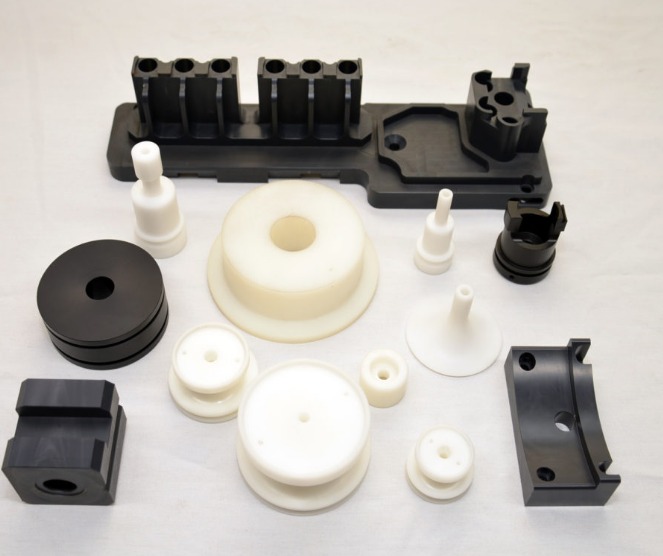
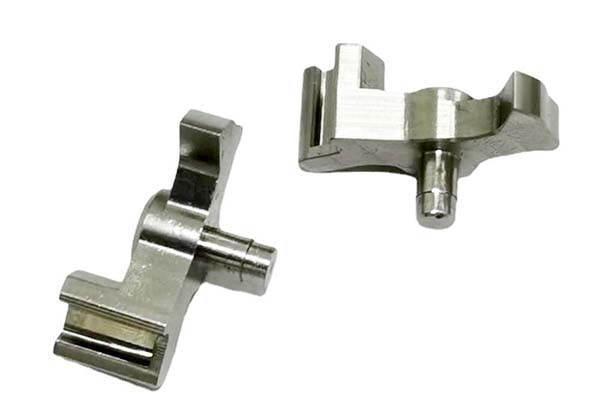
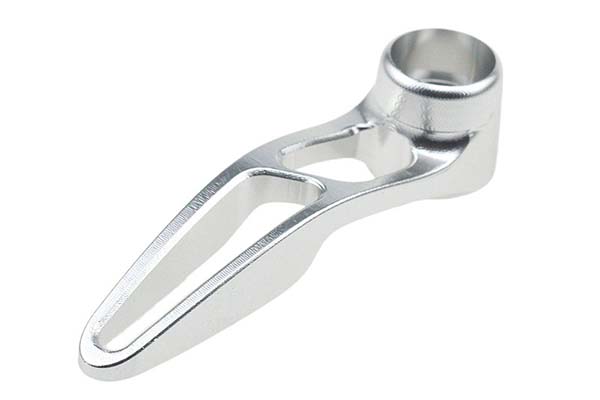
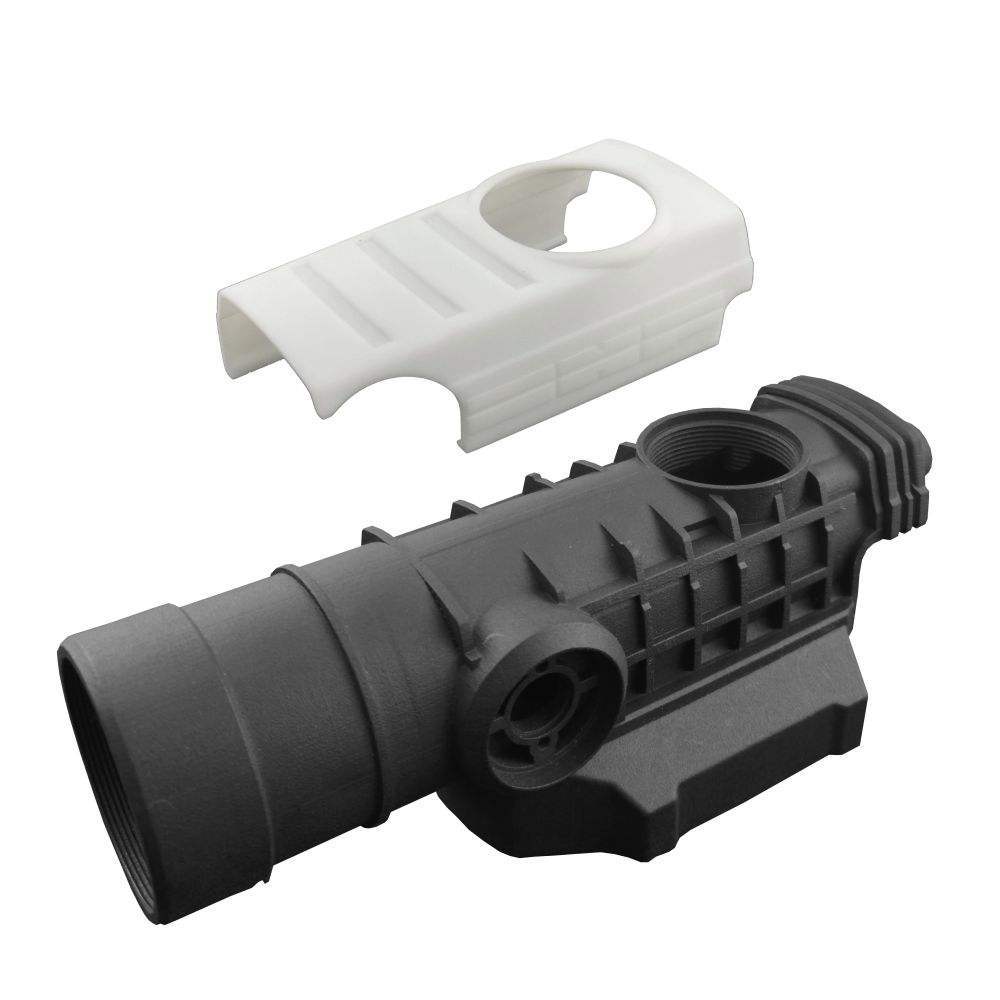
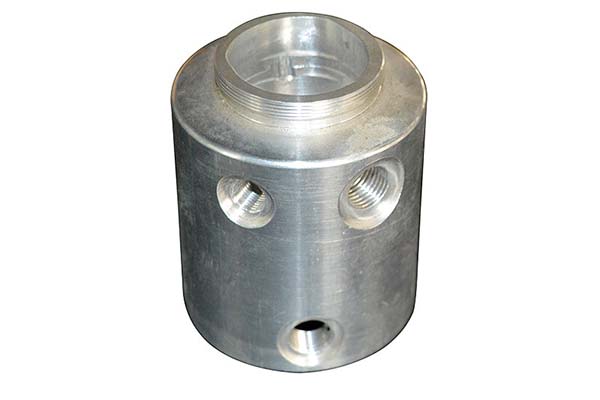
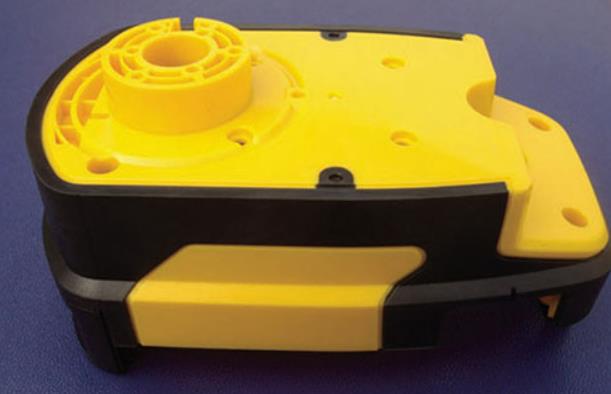
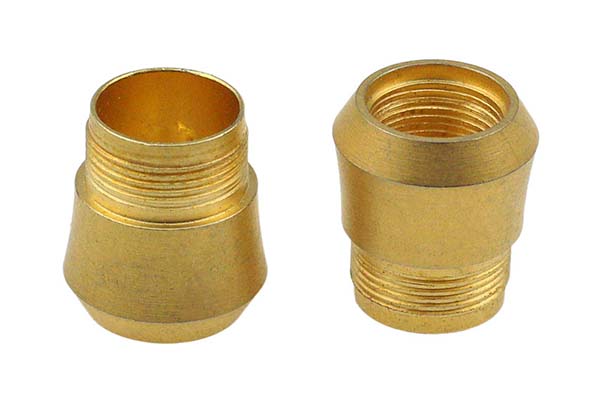
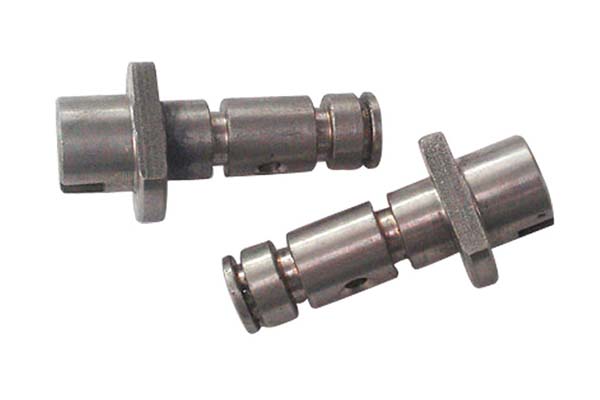
Every time you pick up a medical device, drive a car, or use an electronic gadget, you’re relying on screw machined parts. These small cylindrical components—pins, shafts, connectors, bushings, and fasteners—form the hidden backbone of countless mechanical assemblies.
Also called turned parts or automatic lathe parts, they’re produced on specialized machines that spin a bar of material while cutting tools shape it. The results are components with exceptional precision, often holding tolerances within ±0.0005 inches (±0.0127 mm) .
For engineers, designers, and procurement specialists, understanding these parts matters. The right screw machined component can mean the difference between a reliable assembly and one that fails prematurely. This guide covers the manufacturing process, material options, critical features, and applications—giving you the knowledge to specify and source these essential components effectively.
What Exactly Are Screw Machined Parts?
Screw machined parts are components produced from bar stock on automatic screw machines or CNC lathes. The defining characteristic: the part rotates while stationary cutting tools shape it.
Historically, cam-operated “Swiss” or “turret” automatics dominated this field. Today, CNC Swiss-type lathes and CNC turning centers lead the way. These modern machines combine high-volume capability with the flexibility to produce complex features—threads, grooves, knurls, cross-holes—in a single, efficient operation.
Common examples include screws, pins, shafts, connectors, bushings, and custom fasteners of all kinds.
How Are Screw Machined Parts Manufactured?
The modern manufacturing process follows a precise, highly automated sequence.
Material Feeding
A long bar of raw material loads into the machine’s spindle. On a Swiss-type lathe, the material advances through a guide bushing. This bushing supports the bar right at the cutting point, enabling extreme accuracy on long, slender parts.
Machining Operations
As the material rotates, cutting tools mounted on a tool plate or turret engage with it. Operations occur sequentially—and often simultaneously:
| Operation | Purpose |
|---|---|
| Turning & Facing | Creates primary outer diameters; squares ends |
| Drilling & Boring | Forms central through-holes or internal cavities |
| Threading | Cuts external or internal threads |
| Grooving & Parting-Off | Creates O-ring grooves; separates finished part from bar stock |
Secondary Operations (If Required)
After the primary turning cycle, parts may undergo additional processes:
- Milling for flats or cross-holes
- Heat treatment for increased hardness
- Plating for corrosion resistance
- Deburring to remove sharp edges
The entire process runs under CNC program control. This ensures that every part in a run of thousands is virtually identical, with repeatable tolerances that meet demanding specifications.
What Materials Are Commonly Used?
Material choice depends on function, required strength, corrosion resistance, and cost. A capable manufacturer works with a broad range.
| Material Category | Common Examples | Key Properties | Typical Applications |
|---|---|---|---|
| Steels & Alloys | 12L14, 1215, 303/304/316 stainless, 4140 | 12L14: Excellent machinability. Stainless: Corrosion resistance. 4140: High strength, heat-treatable | Fasteners, shafts (12L14). Medical, marine (stainless). High-stress automotive (4140) |
| Aluminum Alloys | 6061-T6, 7075-T6 | Lightweight, good strength-to-weight, excellent conductivity | Aerospace fittings, electronic housings, connectors |
| Brass & Copper | C36000 (free-cutting brass), C14500 | Superior machinability, corrosion resistance, electrical conductivity | Plumbing fittings, electrical terminals, decorative hardware |
| Engineering Plastics | Acetal (Delrin), Nylon, PEEK | Electrical insulation, low friction, chemical resistance | Insulating bushings, low-wear gears, semiconductor parts |
Material science note: Consider machinability ratings. C360 Brass rates 100% —the benchmark. It cuts easily, produces small chips, and yields excellent surface finishes. 304 Stainless rates around 40–50% , requiring slower speeds, more robust tooling, and increasing cost.
What Key Features Define Precision Screw Machined Parts?
Beyond basic shape, the value lies in tightly controlled features.
Dimensional Accuracy & Concentricity
True concentricity between different diameters and threaded sections is critical for proper assembly and function. This is especially important in rotating assemblies. The rigidity of Swiss-type machining excels here, holding relationships that other methods struggle to match.
Surface Finish
A smooth, consistent finish—measured in microinches (Ra)—is vital for sealing, reducing friction, and preventing fatigue cracks. Standard finishes range from 32 μin Ra to 125 μin Ra. Finer finishes are achievable for hydraulic or medical applications.
Complex Geometry in One Setup
Advanced CNC screw machines can produce parts with:
- Off-center features
- Multi-start threads
- Complex contours
- Precise knurling
All without secondary operations. This ensures perfect alignment and reduces handling.
Consistency Across High Volumes
Once the machine is set up and the program is proven, the process yields extremely low part-to-part variation. This reliability is indispensable for automated assembly lines and critical safety components.
How Do Thread Types and Tolerances Impact Performance?
Threads are often the most critical feature. They directly affect assembly, load-bearing capacity, and sealing.
Thread Standards
Parts must conform to established standards for interchangeability:
- Unified Thread Standard (UTS) : UNC/UNF — common in North America
- Metric Thread Standard (ISO) : Standard in most other global markets
- Special thread forms: Acme (power transmission), Buttress (high axial load in one direction), or proprietary designs
Thread Classes & Tolerances
The class of fit defines tightness between mating threads:
| Class | Description |
|---|---|
| 1A/1B | Loose fit for easy assembly |
| 2A/2B | General purpose; most common for commercial fasteners |
| 3A/3B | Precision fit for aerospace, military, critical applications |
Thread Inspection
Reputable manufacturers use thread plug and ring gauges (GO/NO-GO) or optical comparators to verify that every thread feature meets the specified class.
Where Are Screw Machined Parts Used?
The versatility, precision, and scalability of screw machining make it indispensable across multiple sectors.
| Industry | Applications | Key Requirements |
|---|---|---|
| Aerospace & Defense | Fuel system components, sensor housings, actuator pins, fasteners | AS9100 certification; titanium, high-strength aluminum |
| Medical & Life Sciences | Surgical instruments, bone screws, implant trials, connectors | ISO 13485; biocompatible materials (316LVM, titanium); exceptional finishes |
| Automotive | Fuel injector nozzles, transmission components, sensor bodies | IATF 16949; vibration and temperature resistance |
| Electronics | Connector pins, shielding housings, spacers | High-conductivity materials (brass, copper); precise dimensions |
How Do Prototyping and Customization Work?
Even for standardized parts, customization is often required. The process supports this from day one.
Prototyping
Before committing to high-volume production, CNC turning centers are ideal for producing low-volume prototypes. This allows functional testing of design, material, and critical features like thread fit. While per-part cost is higher than mass production, it de-risks the project.
Custom Design
Manufacturers work from your detailed drawings or 3D models. Custom features can include:
- Unique head profiles
- Specialty drive systems (Torx, hex-socket)
- Custom knurl patterns
- Proprietary thread forms
Value-Added Services
Many manufacturers offer secondary services:
- Heat treating (increased hardness)
- Plating (zinc, nickel, passivation for corrosion resistance)
- Anodizing (for aluminum)
- Assembly (staking, press-fitting)
How Do You Choose the Right Manufacturer?
Selecting a supplier is a critical decision. Look beyond the initial quote.
Technical Capability & Equipment
- Do they have the right machines for your part’s length-to-diameter ratio?
- What is their maximum bar capacity?
- Can they hold your required tolerances?
Material Expertise & Sourcing
- Can they source and properly machine your specified material?
- Do they understand trade-offs between machinability, performance, and cost?
Quality Systems & Certification
- Are they ISO 9001 certified?
- Do they have robust inspection processes (FAI, SPC)?
- For regulated industries: AS9100 (aerospace) or ISO 13485 (medical) are often mandatory.
Scalability & Communication
- Can they handle your volume needs from prototype to production?
- Is their engineering team responsive and clear?
Secondary Service Integration
- Can they provide finishing and plating in-house or through vetted partners?
Case Studies: Screw Machined Parts in Action
Medical Device: Titanium Spinal Screw
A medical OEM needed a titanium alloy (Ti-6Al-4V) screw for a spinal fusion system. The part measured under 4 mm in diameter with a complex dual-lead thread for faster insertion.
A manufacturer using a 6-axis CNC Swiss-type lathe machined the entire part—including subtle thread geometry and a flat for marking—in a single setup. This ensured perfect concentricity, critical for surgical success. Parts were anodized and cleaned in a validated process, meeting FDA and ISO 13485 requirements for implantable components.
Industrial Automation: High-Volume Pneumatic Fitting
A pneumatic systems manufacturer needed brass C36000 push-to-connect fittings by the millions. The design included an intricate internal collet mechanism and multiple O-ring grooves.
A supplier with multi-spindle screw machines was selected. These machines machine multiple parts simultaneously from a single bar, achieving cycle times of seconds per part. The combination of high-speed production and brass’s excellent machinability resulted in a reliable, cost-effective component that became the industry standard.
Conclusion
Screw machined parts are far more than simple fasteners. They’re engineered solutions that enable precision, reliability, and efficiency across modern manufacturing. Understanding the sophisticated processes behind their creation—from material selection to thread specification—helps you make informed decisions that optimize both performance and cost.
Partnering with a manufacturer that demonstrates technical expertise, rigorous quality control, and a commitment to collaboration unlocks the full potential of these essential components for your next project.
FAQ
What’s the difference between a screw machine and a CNC lathe?
Traditional automatic screw machines are cam-operated and excel at very high-volume production of smaller parts but require extensive setup. A CNC lathe is computer-controlled, offering greater flexibility for complex geometries and shorter runs. Modern CNC Swiss-type lathes combine the guide bushing support of traditional Swiss machines with CNC flexibility, making them ideal for long, slender parts at high precision.
What are the main advantages of Swiss screw machining?
The guide bushing is the key. By supporting the bar stock just millimeters from the cutting tool, it eliminates deflection, allowing exceptional precision on parts with high length-to-diameter ratios. It also enables machining of complex features along the entire length in one operation.
How do I specify tolerances for a screw machined part?
Apply tight, critical tolerances only where absolutely necessary for function (bearing surfaces, thread major diameters). For non-critical dimensions, specify a general tolerance per ASME Y14.5 or ISO 2768-m. Holding ±0.0005" is far more expensive than ±0.005"—target precision where it truly matters.
Can screw machined parts be made from exotic materials like titanium or Inconel?
Yes, but with considerations. These materials require specialized carbide tooling, slower machining parameters, and often high-pressure coolant. This increases machining time, tool wear, and cost. Their use must be justified by application performance requirements.
What’s the typical minimum order quantity (MOQ)?
MOQs vary. For prototypes on a CNC lathe, MOQs can be as low as 1–50 pieces. For production runs on dedicated automatic screw machines, MOQs start around 1,000–10,000 pieces depending on complexity. High-volume commodity items may require orders in the hundreds of thousands.
Contact Yigu Technology for Custom Manufacturing
At Yigu Technology, we specialize in precision screw machined parts that meet demanding specifications. Our facility is equipped with advanced CNC Swiss-type lathes and multi-axis turning centers, allowing us to produce complex, high-tolerance components from a wide range of materials.
From rapid prototyping to high-volume production runs, our engineering team provides Design for Manufacturability (DFM) guidance to optimize your part for both performance and cost. We serve the aerospace, medical, automotive, and electronics industries with certified quality systems.
Contact Yigu Technology today to discuss your component requirements and experience a partnership dedicated to precision and reliability.